Every buyer we talk to in the Philippines, Nigeria, Ghana and Kenya has been handed at least three "top 10 solar battery manufacturers in China" lists, and those lists never agree with each other. One puts Sungrow first. One leaves Sungrow out entirely. One ranks by gigawatt-hours of capacity, which means it is ranking press releases.
So we built this list differently. It ranks companies by how much storage they actually shipped in the first half of 2026, using one published source, so you can check any number against the original. It also separates two things most lists blur together: who makes the cells, and who builds the system you install. Those are different businesses, and confusing them is how people end up with a cabinet nobody will service.
How we ranked these manufacturers
Three decisions shaped this list, and you should know about them before you read it.
We used shipments, not capacity. "Annual capacity" is a marketing number. It counts lines that exist, not lines that run, and it is the figure most often inflated. Shipment volume is harder to fake because it reconciles against downstream installation and customs records.
One source, stated up front. The main ranking comes from SNE Research's H1 2026 ESS shipment data, which covers January through June 2026. We cross-check the cell-versus-system split against Benchmark Mineral Intelligence's H1 2026 figures. Both are public, both publish methodology, and where they disagree we say so rather than picking the one that looks tidier.
This is a size ranking, not a quality ranking. A company at number eight is not eight-tenths as good as number one. It shipped fewer gigawatt-hours. For a 50kW cabinet on a hotel roof, that difference may be irrelevant, or it may be the entire point, depending on what you are buying and who answers the phone in year six.
If you want the panel-side equivalent of this exercise, we did the same thing for modules in our top 10 solar panel manufacturers China 2026 breakdown, which is where the Tier 1 conversation actually starts.
The 2026 storage market in numbers
Global lithium battery shipments for energy storage reached 461.3 GWh in H1 2026, up 71 percent from 269.7 GWh in the same period of 2025. That is not a forecast. It is shipped volume.
Two things in that number matter more than the growth rate.
Demand moved outside China for the first time. China remained the largest single market at 202.5 GWh, up 49 percent, but its share of the global total fell from 50.5 percent to 43.9 percent. Everything else combined came to 258.7 GWh, or 56 percent of the market. North America took 75.9 GWh (up 83 percent) and Europe 72.7 GWh (up 74 percent), while "other regions" — driven mainly by grid projects in the Middle East and Australia — grew 119 percent to 110.1 GWh.
That last bucket is the one that should interest anyone importing into Africa or Southeast Asia. The large projects being built there now are drawing on the same supply chain, and competing for allocation against Middle Eastern tenders that often book capacity a year ahead.
Grid storage dwarfs everything else, but it distorts the picture. Grid-scale took 347.0 GWh, or 75.2 percent of all shipments. Residential took 47.7 GWh and grew fastest at 128 percent. Commercial and industrial took 39.6 GWh, up 59 percent. If you are buying C&I storage, you are shopping in the smallest and least-discussed of the three segments, which is why generic "top 10" rankings often point you at suppliers who have little interest in your order size.
| Segment | H1 2026 shipments | Share | Growth vs H1 2025 |
|---|---|---|---|
| Grid-scale | 347.0 GWh | 75.2% | — |
| Residential storage | 47.7 GWh | 10.3% | +128% |
| Commercial & industrial | 39.6 GWh | 8.6% | +59% |
| Total ESS shipments | 461.3 GWh | 100% | +71% |
Regionally: China 202.5 GWh (43.9%), other regions 110.1 GWh (23.9%), North America 75.9 GWh (16.5%), Europe 72.7 GWh (15.8%). Source: SNE Research, H1 2026.
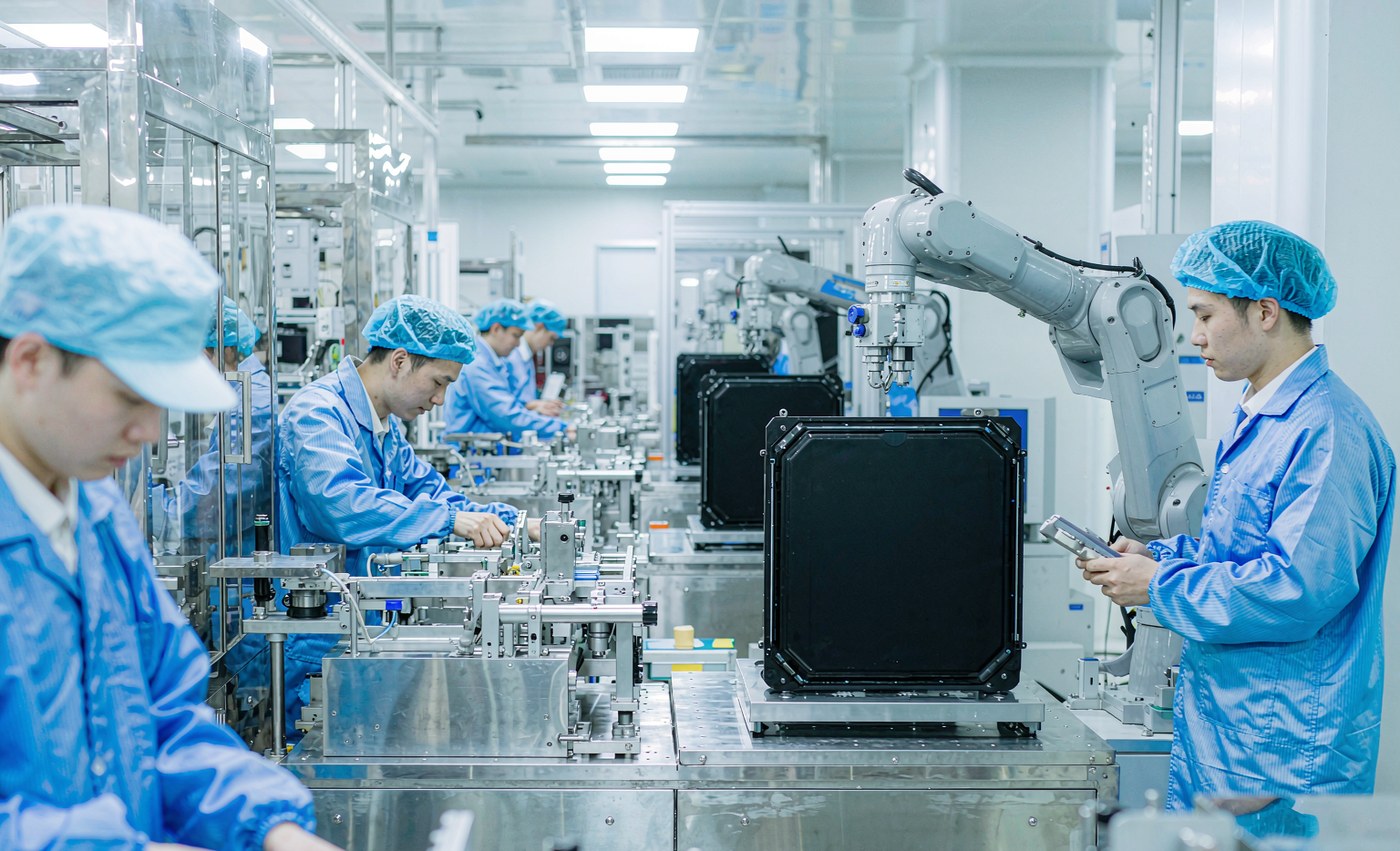
Top 10 China battery manufacturers by H1 2026 shipments
All ten companies below are Chinese. LG Energy Solution and Samsung SDI sit eleventh and twelfth, and we have included them at the end because their North America position is relevant even if you never buy from them.
#1 CATL (Contemporary Amperex Technology) — 125.0 GWh, 27.1% share
CATL shipped more storage in six months than the next two companies combined. Its 81 percent growth on that base is the part that should stop you: growing 81 percent on 125 GWh is not the same kind of achievement as growing 81 percent on 20 GWh.
It holds over 30 percent of grid-scale storage and ranks first in overseas storage cell shipments. In North America it shipped 29.5 GWh for a 38.8 percent share, despite the tariff and local-content pressure that everyone else in that market complains about.
What it means for you: unless you are buying container-scale volumes, you will deal with CATL through a distributor or integrator, not directly. The cells may end up in your cabinet anyway. Ask which cells your integrator uses rather than assuming.
#2 EVE Energy (Eve Power) — 48.0 GWh, 10.4% share
EVE grew 69 percent and holds down a genuine number-two position rather than a distant also-ran. It takes about 10 percent of grid storage and 25 percent of residential cells, which is a rare spread across two segments with completely different product requirements.
The company has pushed hard on large-format cells, and that decision shows up in product roadmaps across the industry, including among manufacturers who do not buy from it.
What it means for you: strong presence in residential cells means EVE-derivative cells are common in wall-mounted home storage, so check whether a "premium European" home battery you have been quoted is actually built on Chinese cells.
#3 HiTHIUM Energy Storage — 46.2 GWh, 10.0% share
HiTHIUM is the most interesting name on this list for one structural reason: it is storage-only. It does not make EV batteries, so it does not get pulled between two product lines competing for the same cells and the same capital.
That focus buys it a second-place position in grid storage at around 13 percent, and second place in North America at 13.1 GWh (17.2 percent share), ahead of LG Energy Solution in a market where Korean suppliers were supposed to be winning on policy.
What it means for you: if you are pricing anything above a few hundred kilowatt-hours, HiTHIUM is worth having in the quote set specifically because its whole business is this category.
#4 BYD — 35.7 GWh, 7.7% share
BYD moved from sixth in H1 2025 to fourth this year, growing 73 percent. Under Benchmark's separate ranking of system integrators rather than cell makers, BYD Energy Storage ranks first globally with 9.1 percent share.
That gap between seventh-ish as a cell supplier and first as a system supplier is the clearest illustration of why the two rankings are not interchangeable.
What it means for you: BYD is one of a small number of companies that both makes cells and ships finished systems, which removes one layer of warranty finger-pointing when something fails.
#5 CALB (China Aviation Lithium Battery) — 31.5 GWh, 6.8% share
CALB grew 51 percent, which sounds strong until you notice the overall market grew 71 percent. It lost about a point of share while shipping more batteries than it ever has.
It holds roughly 8 percent of grid storage.
What it means for you: nothing negative. It is a reminder that "growing" and "gaining ground" are different claims, and suppliers quote whichever one flatters them.
#6 REPT BATTERO Energy — 31.4 GWh, 6.8% share
Only 0.1 GWh behind CALB, REPT is the first place in residential cells with 32 percent share and holds second in C&I storage at 14 percent.
This is a company whose position in small-format and distributed storage is far stronger than its headline rank suggests. If you buy wall-mounted home batteries or small commercial cabinets, there is a good chance REPT cells are in them.
What it means for you: for anyone sourcing distributed storage rather than grid projects, REPT arguably belongs higher on your shortlist than its number-six slot implies.
#7 Cornex New Energy — 30.2 GWh, 6.5% share
Cornex entered the global top ten for the first time in this period, shipping 30.2 GWh with 68 percent growth. Benchmark puts its growth even higher at 116 percent and has it climbing two places to fifth.
A debut at number seven is unusual, and it reflects how quickly capacity additions translate into shipments when demand is pulling this hard.
What it means for you: this is the kind of company worth watching closely for one specific reason — new entrants chasing share tend to price aggressively and accept smaller orders than incumbents.
#8 AESC (Envision AESC) — 21.2 GWh, 4.6% share
AESC grew 111 percent, which put it ahead of two better-known competitors. Its strength is international rather than domestic: it has manufacturing outside China and therefore a different risk profile for buyers worried about tariffs, origin rules, or forced-labour documentation.
What it means for you: if your project has financing that constrains where equipment can originate, AESC's footprint may matter more to your bank than anyone's shipment rank.
#9 Gotion High-Tech — 20.8 GWh, 4.5% share
Gotion grew 41 percent, below market, and shed about a point of share. It carries Volkswagen as a strategic shareholder, which has historically been read as a quality signal and a governance signal.
Shipment rank aside, it is one of the more internationally visible Chinese battery makers, with operations and partnerships well outside China.
What it means for you: useful for Europe-facing projects where having a recognizable institutional shareholder helps during due diligence.
#10 Great Power Energy & Technology — 20.5 GWh, 4.4% share
Great Power grew 202 percent year on year, one of only two companies in the twelve to double its shipments. It holds third place in residential cells at 23 percent.
What it means for you: a supplier growing at triple-digit rates is usually more flexible on MOQ and more responsive on small orders. That flexibility often disappears once a company's order book fills, which is worth acting on while it lasts.
Just outside: LG Energy Solution and Samsung SDI
LG Energy Solution shipped 12.0 GWh, up 357 percent, and Samsung SDI shipped 6.4 GWh, up 20 percent. Together they hold 4.0 percent of the global market.
Their real story is regional. LG Energy Solution derives 86 percent of its storage shipments from North America, where 95 percent goes to grid applications, and its North America share jumped from 4.2 percent to 13.6 percent. Samsung SDI supplied 1.6 GWh to AI data centres, a segment that barely existed in procurement vocabulary two years ago.
For a buyer in Lagos or Manila, neither of these companies is likely to be your supplier. They matter because they set the price floor in the market that absorbs the most expensive orders.
The ranking most buyers should actually read: cells versus systems
Here is the part that none of those "top 10" roundups tell you, and it is the reason we keep two datasets open.
Benchmark Mineral Intelligence counts cell shipments and system shipments separately. In H1 2026 the world shipped about 490 GWh of cells and 313 GWh of finished systems. The top ten cell suppliers are all Chinese. Among system integrators, nine of the top ten are Chinese and Tesla is the only outsider.
The two lists do not look alike:
Cell suppliers (Benchmark, H1 2026): CATL 22%, HiTHIUM 10.2%, EVE 9%, BYD Energy Storage 6.7%, Cornex 6.5%. The top ten held 83.3%, down 6.3 points from a year earlier.
System integrators (Benchmark, H1 2026): BYD Energy Storage 9.1%, Sungrow 8.8%, CATL 8%, Tesla, HyperStrong. The top ten accounted for around 60 percent.
Sungrow is second in the world at shipping complete storage systems and does not appear in the cell top ten at all. The reverse is also true: several large cell makers barely register as integrators.
If you are buying a 50kW or 100kW cabinet, you are buying a system. Someone chose the cells, wrote the BMS logic, sized the thermal management, integrated fire suppression, and took responsibility for the whole thing working in 40-degree heat. The component brand matters, but the integration is the product.
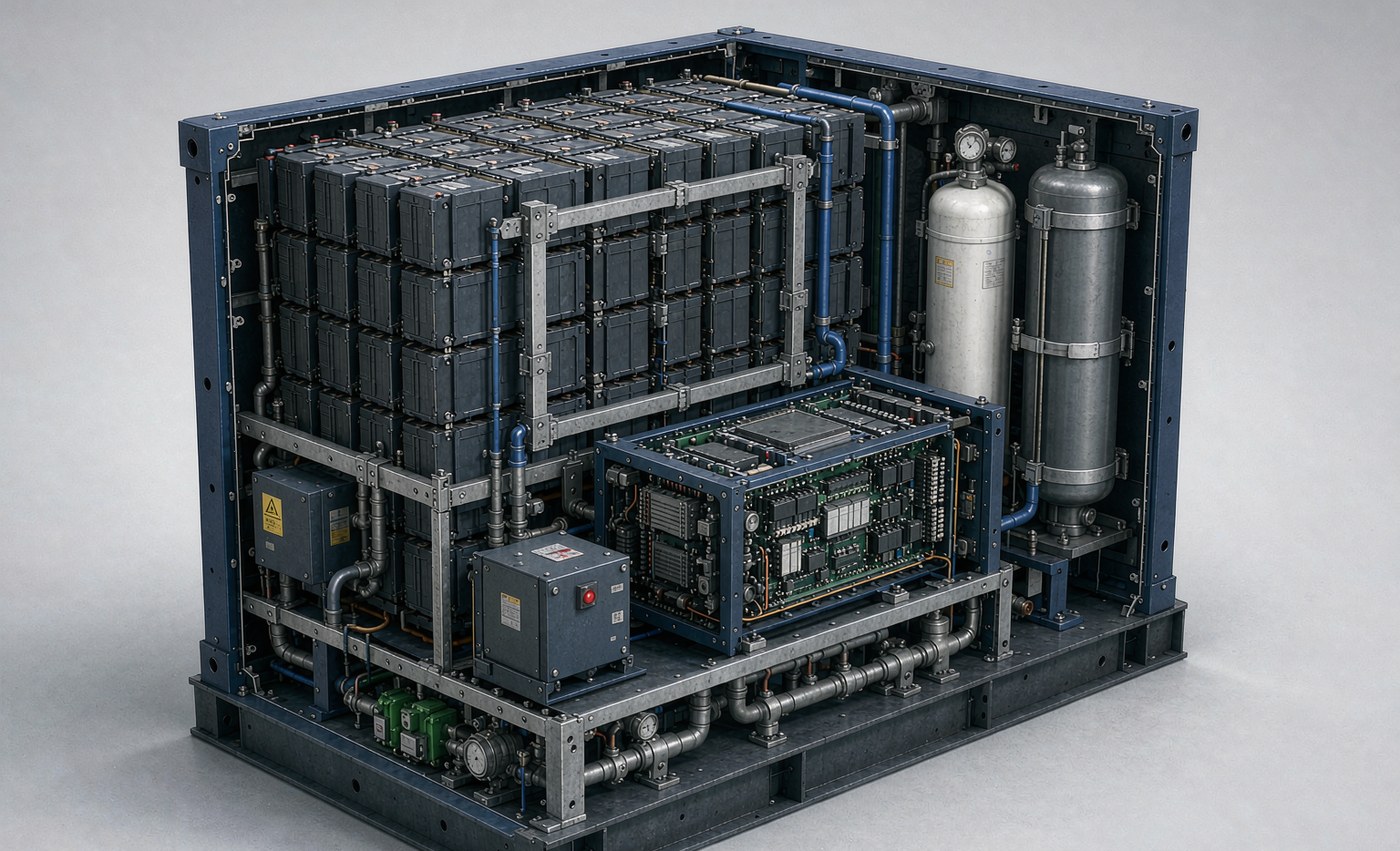
This is also why we publish our own configuration sheets rather than just listing cell suppliers. Our 50kW/112kWh solar outdoor cabinet and the 80kW/193kWh version specify cell configuration, cycle life, fire suppression and thermal design because that combination is what actually determines whether the installation survives its fifth summer.
Where each supplier really sits: grid, home, or factory
Reading the ranking by application tells you more than reading it by total volume.
Grid-scale is concentrated. CATL holds about 30 percent, HiTHIUM 13, EVE 10, BYD 9 and CALB 8. Five companies cover most of the segment. If you are developing anything above several megawatt-hours, that is your realistic supplier set, and you will be negotiating allocation rather than price.
Residential is a different set of winners almost entirely. REPT BATTERO leads at 32 percent, EVE takes 25 and Great Power 23. These are not the grid-scale names. A battery optimised for a 5kWh wall unit has different priorities from one optimised for a container, and the companies that are good at one are frequently mediocre at the other.
Commercial and industrial is the smallest segment and the most fragmented. CATL leads at 35 percent with REPT at 14, and then it opens up considerably. This is where smaller buyers get the most attention, and also where claims are hardest to verify because there is no widely-quoted leaderboard to check against.
We wrote about what distinguishes these technologies at the chemistry level in our comparison of LiFePO4 against lead-acid and other storage chemistries, which is a useful companion if you are still deciding what to specify rather than whom to buy it from.
When a top-10 cell maker is the wrong supplier for you
This is going to sound like we are talking ourselves out of business, and we are fine with that, because sending the wrong buyer to the wrong supplier is how these projects go bad.
Buy direct from a tier-one cell manufacturer when:
- You are above roughly 1 MWh per project and can absorb container-level minimum orders.
- You have in-house engineering to handle BMS integration, commissioning and fault diagnosis.
- Your financier requires a named cell supplier as a condition of lending. Many do, and no amount of integrator quality changes that.
- You are buying replacements for an existing installation already built around that supplier's protocol.
Work with an integrator instead when:
- Your project is 30kW to 500kW, which is below the practical interest threshold of most top-ten suppliers' direct sales teams.
- You need the system to match local conditions — humidity, salt air, unstable grid, no service partner within 500km. These are integration problems, not cell problems.
- You need one throat to choke. Single-point warranty beats a cell warranty plus an inverter warranty plus an installer's word.
Most of the buyers we work with fall squarely into the second group, and pretending otherwise wastes everyone's time. The useful question is not whether a supplier made the top ten. It is whether they will pick up the phone when a cabinet throws a fault code on a Friday evening.
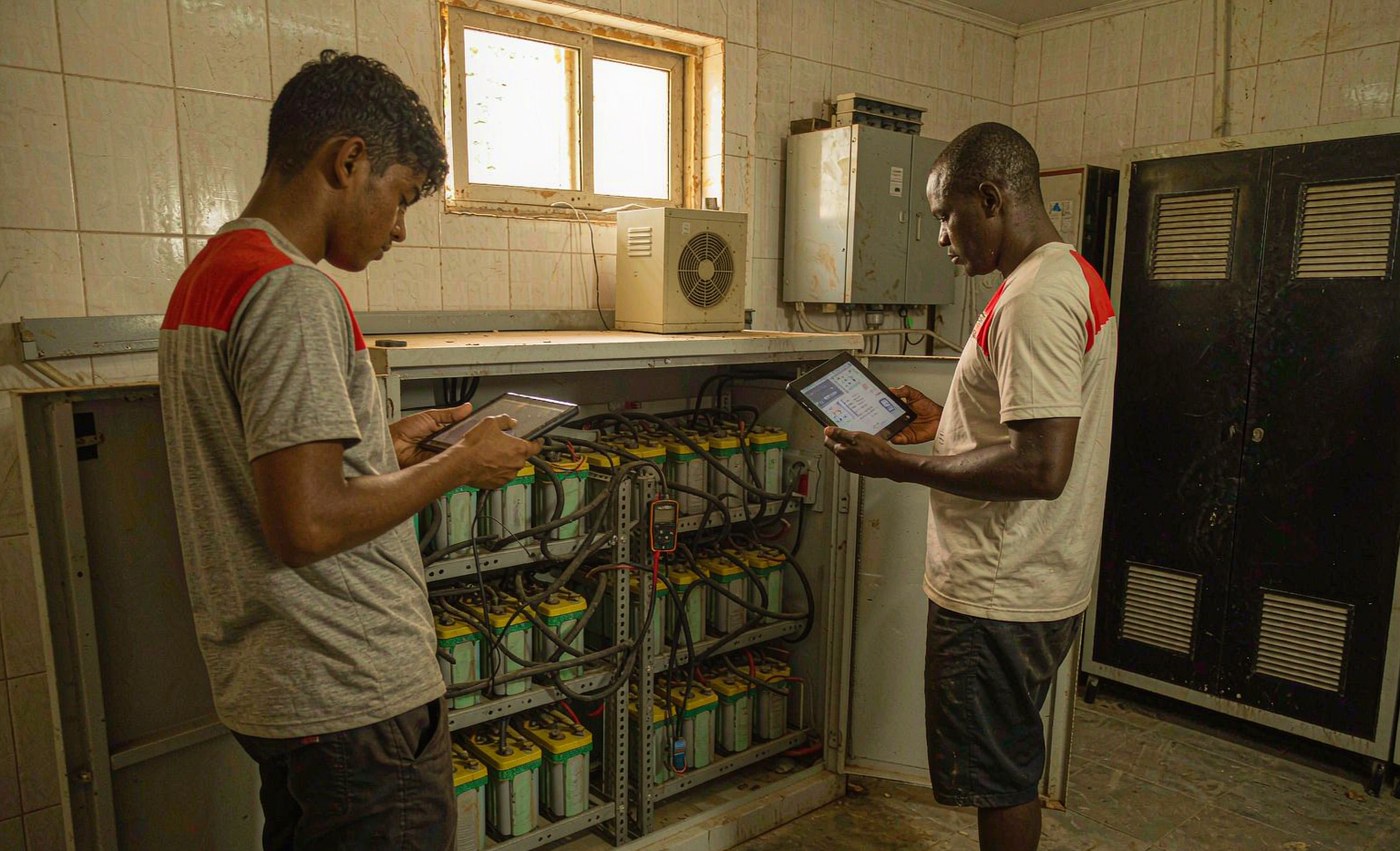
Eight things to check before you wire a deposit
Rankings will not save you from a bad purchase. These eight checks will do more for you than any list.
-
Match the certificate to the exact model. A factory-level IEC 62619 or UL 1973 certificate says nothing about the specific SKU. Ask for the test report naming your configuration, and check the certificate number in the issuing body's own database. For the certification question in full, there is a detailed walkthrough in our solar certification guide.
-
Establish who actually manufactured it. The single most useful document in Chinese supplier verification is the enterprise registry record, which shows registered capital, business scope and whether the entity is a manufacturer or a trading company. We cover this in detail in our factory audit guide. A company claiming a 15 GW plant with RMB 1 million of paid-in capital is reselling someone else's product.
-
Get cycle life in writing, with test conditions. "6000 cycles" means nothing without depth of discharge, temperature and end-of-life capacity threshold. Ask for all three. A 6000-cycle claim at 25°C and 80 percent depth of discharge is a different product from the same claim at 40°C and 90 percent DoD.
-
Ask what happens in year eight. Warranty structure matters more than warranty duration. Ask whether it is a factory warranty or an insured one, and who pays for shipping a 200kg battery module back to China.
-
Verify actual production, not brochures. Request a live video of the line, recent monthly output, and electricity consumption. Power is one of the largest operating costs in battery manufacturing, and consumption is hard to fake without actual production.
-
Check local service reality. Ask who services the installation in your country, what the response time is in writing, and whether spares are held locally. Factor in import terms and clearance before comparing landed prices; our guide to MOQ, lead time and payment terms covers the parts that most often blow up budgets.
-
Ask for three references you can actually call. Not testimonials — names of buyers with installations similar in size and climate to yours, who you are allowed to contact.
-
Get an inspection before shipment. A third-party pre-shipment inspection costs a fraction of one cabinet and catches most substitution and packaging problems while they are still the seller's problem. See what to look for in our container loading guide.
Frequently asked questions
Is this a quality ranking?
No. It ranks by H1 2026 shipment volume, which measures scale and market position, not product quality or reliability. A strong supplier lower down the list may suit your project better than the company at the top.
Why do other top 10 lists rank different companies?
Because they use different measures. Some rank by production capacity, which counts installed lines rather than output. Some mix cell makers and system integrators without saying so. Some include non-Chinese companies. Check what a list actually measures before treating its order as meaningful.
Which company should I contact for a 100kW commercial system?
Probably not one from the top of this list directly, unless you buy regularly at container volumes. A 100kVA/100kW scale project is usually better served by an integrator who handles configuration, commissioning and warranty as one contract. Start from how to size a commercial BESS to establish what you actually need before approaching suppliers.
Does it matter which cells are inside the cabinet?
Yes, but less than most buyers assume, provided the cells are from a supplier with real production history. Integration quality, thermal design and BMS logic affect field performance at least as much as cell brand, particularly in hot climates.
Are Chinese batteries banned or tariffed in my market?
It depends entirely on destination. North America has substantial tariff and local-content requirements, and Europe has its own due diligence and forced-labour rules. African and most Southeast Asian markets currently have fewer restrictions, though this changes. Check current rules for your port of entry rather than relying on a supplier's summary.
What cycle life should I expect from LiFePO4?
Well-made LFP cells used in C&I storage are commonly specified at 6000 cycles or better, subject to depth of discharge and temperature. Always get the claim together with its test conditions, because the same number under different conditions describes very different products.
Why did residential storage grow 128 percent?
Because it started from a smaller base and because several large markets changed their tariff structures or introduced backup demand at roughly the same time. High growth off a small base is easier to achieve than the same percentage off grid-scale volumes.
Should I wait for prices to fall?
Probably not, if you have a live project with a defined return. SNE Research notes that supply-chain stability, local production and compliance are becoming selection criteria alongside price, and that cell supply is tightening as buyers secure volumes earlier. Waiting has a cost, and it is rarely modelled.
What does "Tier 1" mean for batteries?
Less than it does for modules. There is no single accepted Tier 1 list for storage cells comparable to the BloombergNEF ranking people reference for solar panels. Treat any supplier's claim of tier-one status as a marketing statement until they name the list.
How much storage do I need for a hotel, factory or cold store?
It depends on load profile rather than floor area, which surprises people. A cold store running compressors around the clock has a flat profile and needs energy. A hotel peaking in the evening needs power. Our 250kW Ghana hotel installation and 100kW Philippine cold storage project show how differently those two cases get specified.
Is BYD better because it makes both cells and systems?
For some buyers, yes, because it removes a layer of ambiguity over who owns a failure. Others prefer choosing cell and integration independently to optimise each. There is no universally right answer.
What should I do first after reading this?
Decide your kW and kWh requirements from your own load data before contacting anyone. Suppliers can quote accurately against a specification and will quote fiction against an enquiry. Then request three quotes with identical specifications so the comparison means something.
Ready to size a storage system?
Shipment rankings are useful for understanding who is big and who is growing. They do not tell you whether a specific cabinet will hold up on your site.
If you are working out what you actually need, start with the load rather than the supplier. Our commercial BESS sizing guide walks through the 40kW, 50kW and 80kW configurations we build, and our cost breakdown shows which line items move the total. For African grid contexts, the BESS cost and diesel displacement analysis for Nigeria works through payback against generator fuel in detail.
You can browse the full storage range at our energy storage category or browse the complete product line. If you have load data and a site, send it to us and we will size it against real configurations rather than rules of thumb.
About Mars Solar
Mars Solar assembles and commissions complete solar and storage systems in Foshan, China, and has shipped to over 130 countries since 2008. We build the integration layer: cell selection, BMS configuration, thermal design, fire suppression, protection coordination and commissioning. We do not manufacture cells, and we say so on our own spec sheets, because buyers deserve to know which part of the chain they are buying from.
More project write-ups are in our case studies, and current industry commentary is in Mars Solar news.
-
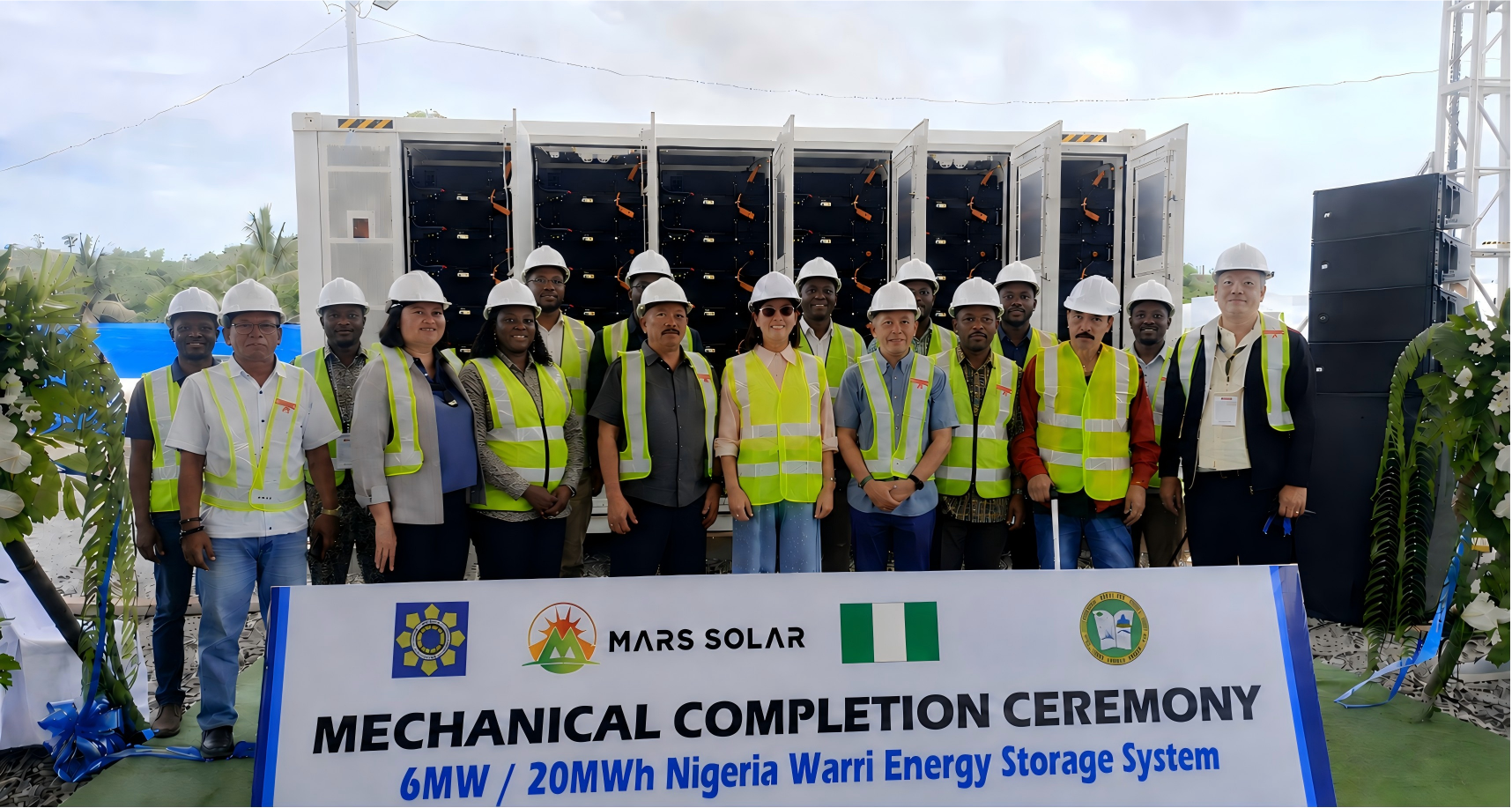 6MW 20MWh Solar Storage in Nigeria Factory + Farm + Residential Case StudyA 6MW solar PV + 20MWh LFP battery storage system in Nigeria powers an integrated factory, farm, and residential complex. The system delivers $108,000+ in monthly electricity savings, reaches payback in approximately 24 months, and provides 25 years of renewable power. This case study covers the engineering configuration, financial model, and operational performance of one of West Africa's most ambitious factory + farm + residential solar deployments.
Do you like ?0
Read more -
 Solar Panel Shipping & Container Loading: The 2026 Complete GuideThe solar panels leaving the factory are perfect. By the time they arrive at your warehouse, 3–7% might be damaged, delivery could be 2 weeks late, and demurrage at the destination port could wipe out your margin. This 2026 guide covers container types (2
Do you like ?0
Read more -
 Solar Panel Factory Verification: The 7-Step Due Diligence GuideEvery year, international solar buyers lose millions to fraudulent suppliers — fake certificates, empty factories, and panels that don't match spec. This 7-step verification guide shows you exactly how to qualify any China solar factory before you wire mo
Do you like ?0
Read more -
 Solar Panel MOQ, Lead Time & Payment Terms: The Complete 2026 Buyer's GuideMOQ, lead time, and payment terms are the 3 questions every solar buyer asks — and the 3 answers most suppliers hide behind vague emails. This guide gives you complete, honest answers from a verified China factory with 17+ years and 3,000+ export projects
Do you like ?0
Read more -
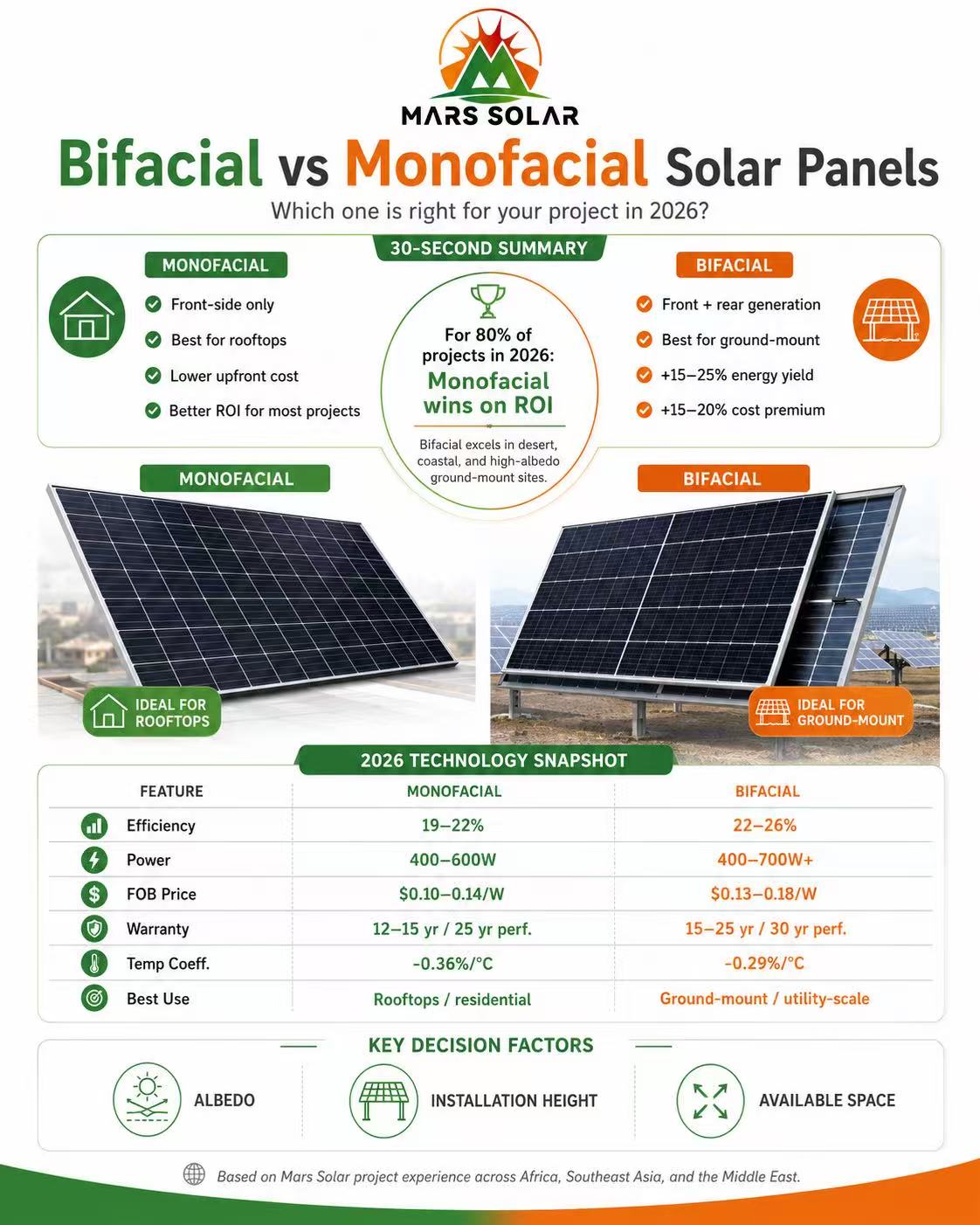 Solar Panel Selection Guide: Monofacial vs. Bifacial — 2026 EditionMonofacial and bifacial solar panels look identical but deliver 15-25% output difference. This 2026 guide compares 15 technical parameters, analyzes 5 real project ROI cases (Nigeria, Philippines, Ghana, Kenya, DRC), and gives you 3 decision frameworks to
Do you like ?0
Read more -
 Top 10 Solar Panel Manufacturers China 2026 | Best BrandsDiscover the top 10 solar panel manufacturers China 2026. Compare Jinko, LONGi, Trina & more. Find Tier 1 suppliers.
Do you like ?0
Read more