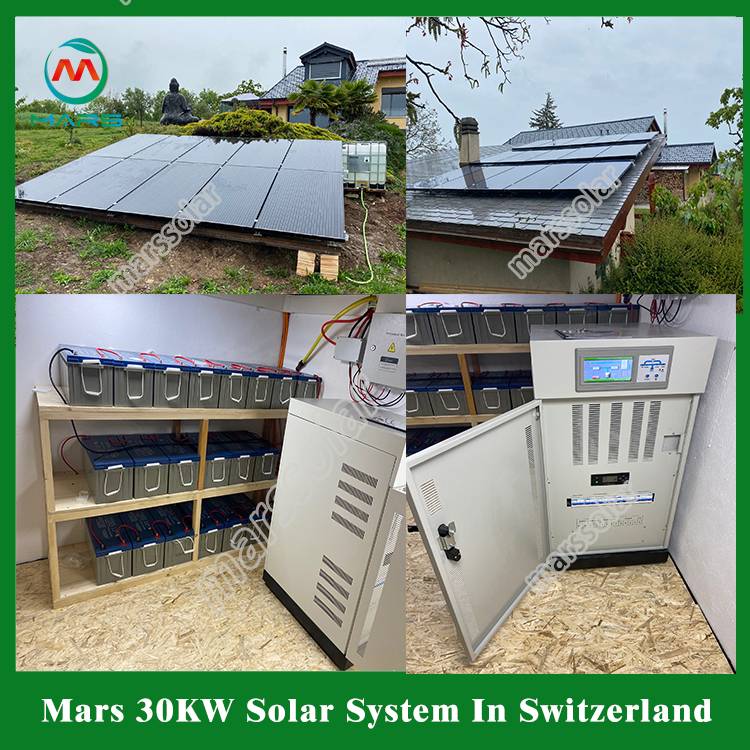
Quick answer: A 5KW solar system of this configuration produces about 33.6KWH per day from 16x350W monocrystalline panels and driven by a 5KW/7KVA inverter. Built by Mars Solar (factory since 2008), CE/ROHS certified, 25-year panel life, shipped factory-direct to 130+ countries.
According to the news released on the official website of the Prime Minister of Kazakhstan on October 9, Prime Minister Ma Ming of Kazakhstan hosted a video conference of the Council for the Improvement of Investment Environment on the same day to study the development of renewable Solar Panel Power energy and the transition to a "low-carbon economy". Representatives of the United States Chamber of Commerce in Kazakhstan, the Eurasian Department of the OECD Global Relations Secretariat, the ambassadors of the United Kingdom, the European Union, the Netherlands and other countries to Kazakhstan, and General Electric (GE), Total Energies, Orano (formerly Areva) , Eurasia Group (Eurasia Group) and other large companies attended the meeting. The meeting discussed the development of a "low-carbon economy", addressing climate change, adopting the best available technologies, attracting investment in renewable energy, and developing precision agriculture and other "green economy" issues.
Ma Ming pointed out that Kazakhstan will step up its efforts to fulfill its obligations in response to global climate change, and is committed to improving economic stability and low carbon. In order to implement the "Paris Agreement", the Kazakh government has set a goal of reducing greenhouse gas emissions by 15% by 2030. In order to achieve this goal, Kazakhstan proposed a new National Determining Contribution (NDC) target and formulated the "Roadmap 2022-2025" accordingly. In order to achieve the goal of achieving "carbon neutrality" by 2060 proposed by President Tokayev at the United Nations Climate Ambition Summit in December 2022, the Kazakh government is taking concrete measures, including the formulation of the "carbon neutrality" target by 2060. Policy Statement" and will be released at the United Nations Climate Change Conference in Glasgow in November this year. The "Policy Statement" contains measures to improve economic energy efficiency, achieve electrification and large-scale use of renewable energy. The Kazakh government plans to double the proportion of renewable energy power generation by 2023 to 6%, which is much earlier than the previously planned achievement of this goal in 2025.
Ma Ming emphasized that the Kazakh government has taken a series of constructive measures to improve the investment environment, attract foreign capital and advanced technology, and promote the development of the alternative energy industry. In 2020, a total of 600 MW of renewable energy projects with a total installed capacity of 600 MW have been put into operation, with a total investment of more than US$510 million. In the next four years, more than 60 new renewable energy projects are planned to be put into operation, with a total installed capacity of 2,400 MW and a total investment of more than 2.5 billion US dollars. Up to now, Kazakhstan has 124 renewable energy projects with a total installed capacity of 1922 MW, including 31 wind power plants, 48 photovoltaic power plants, 40 hydropower plants and 5 biomass power plants.
-
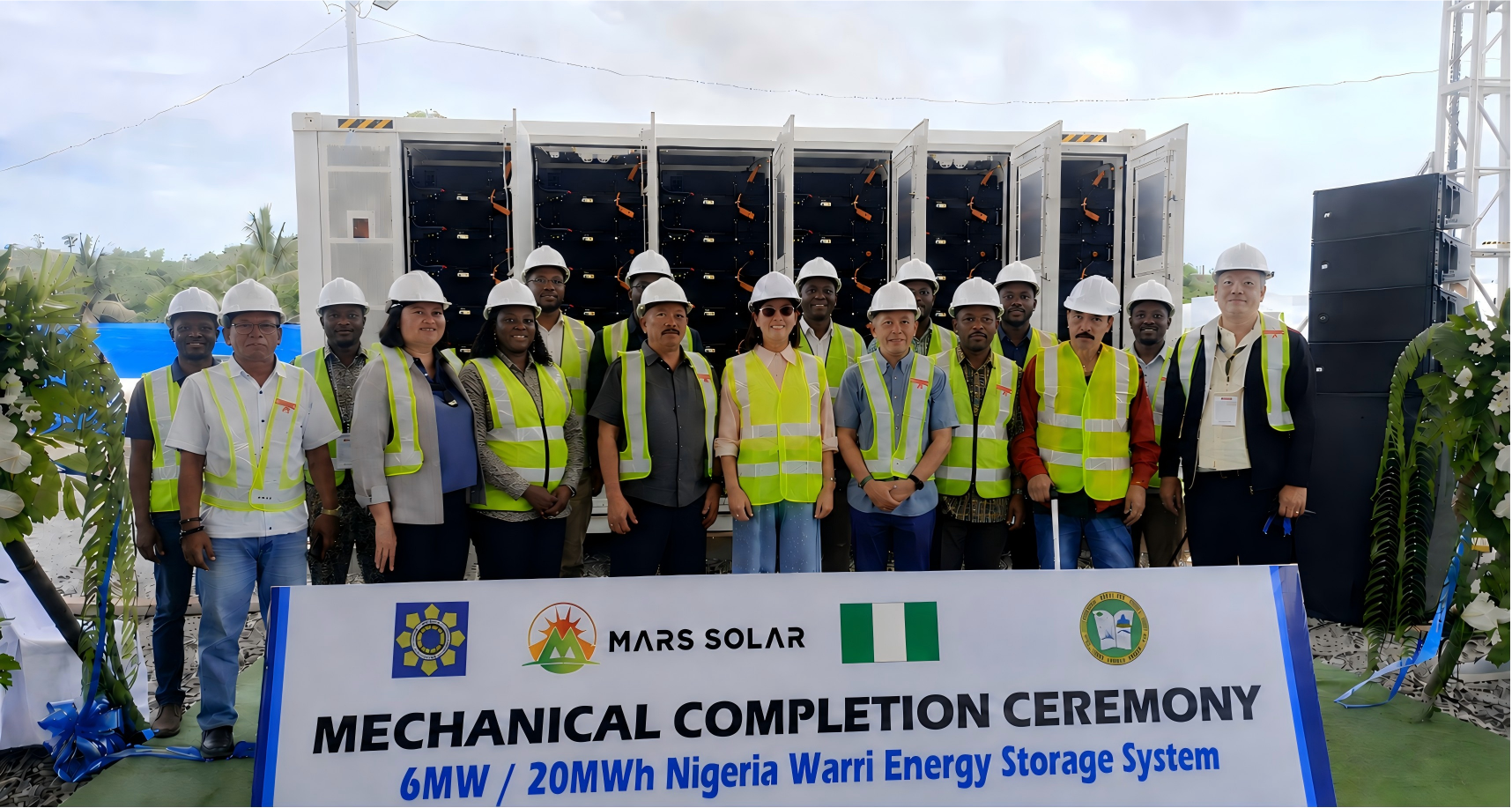 6MW 20MWh Solar Storage in Nigeria Factory + Farm + Residential Case StudyA 6MW solar PV + 20MWh LFP battery storage system in Nigeria powers an integrated factory, farm, and residential complex. The system delivers $108,000+ in monthly electricity savings, reaches payback in approximately 24 months, and provides 25 years of renewable power. This case study covers the engineering configuration, financial model, and operational performance of one of West Africa's most ambitious factory + farm + residential solar deployments.
Do you like ?0
Read more -
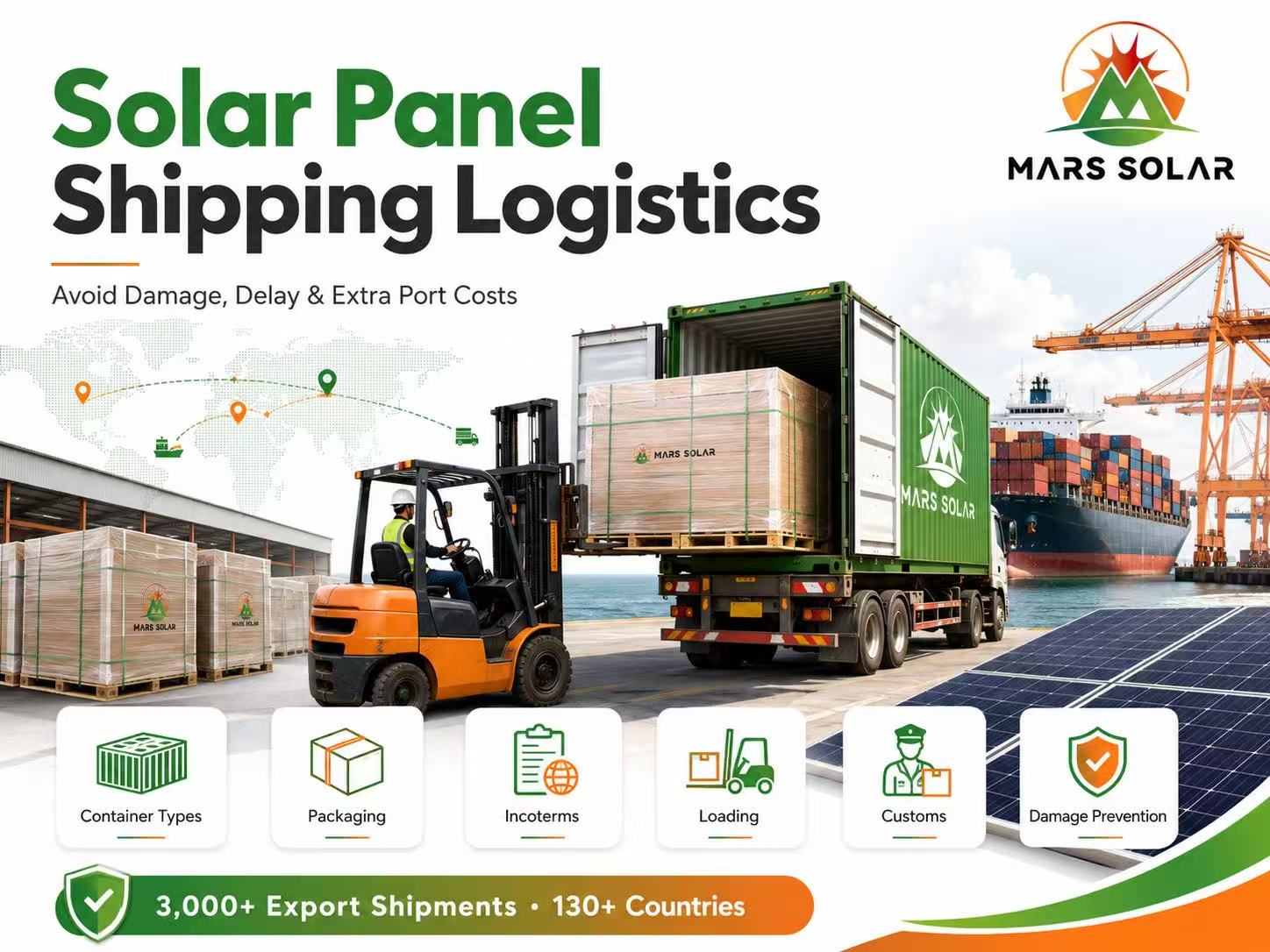 Solar Panel Shipping & Container Loading: The 2026 Complete GuideThe solar panels leaving the factory are perfect. By the time they arrive at your warehouse, 3–7% might be damaged, delivery could be 2 weeks late, and demurrage at the destination port could wipe out your margin. This 2026 guide covers container types (2
Do you like ?0
Read more -
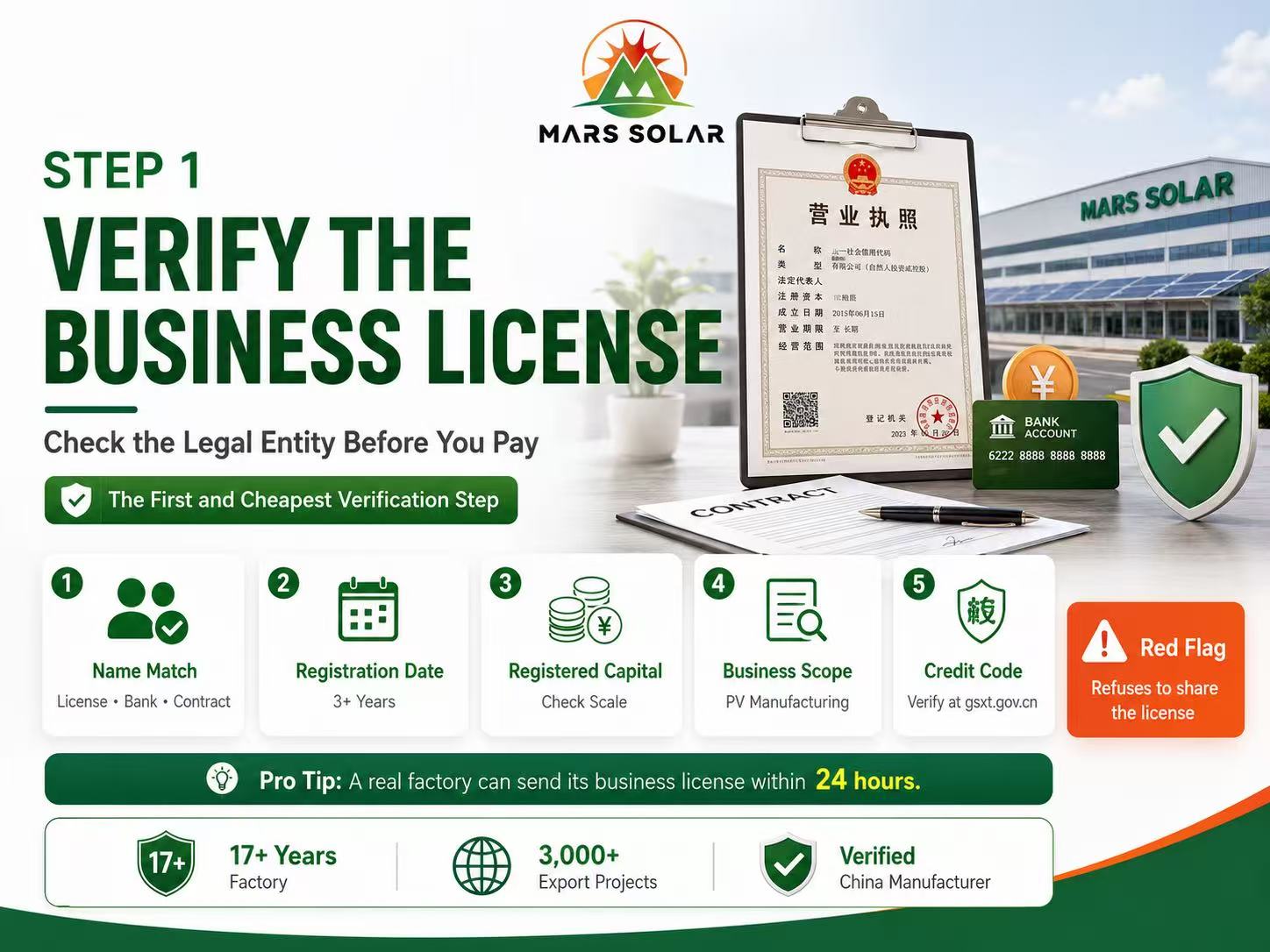 Solar Panel Factory Verification: The 7-Step Due Diligence GuideEvery year, international solar buyers lose millions to fraudulent suppliers — fake certificates, empty factories, and panels that don't match spec. This 7-step verification guide shows you exactly how to qualify any China solar factory before you wire mo
Do you like ?0
Read more -
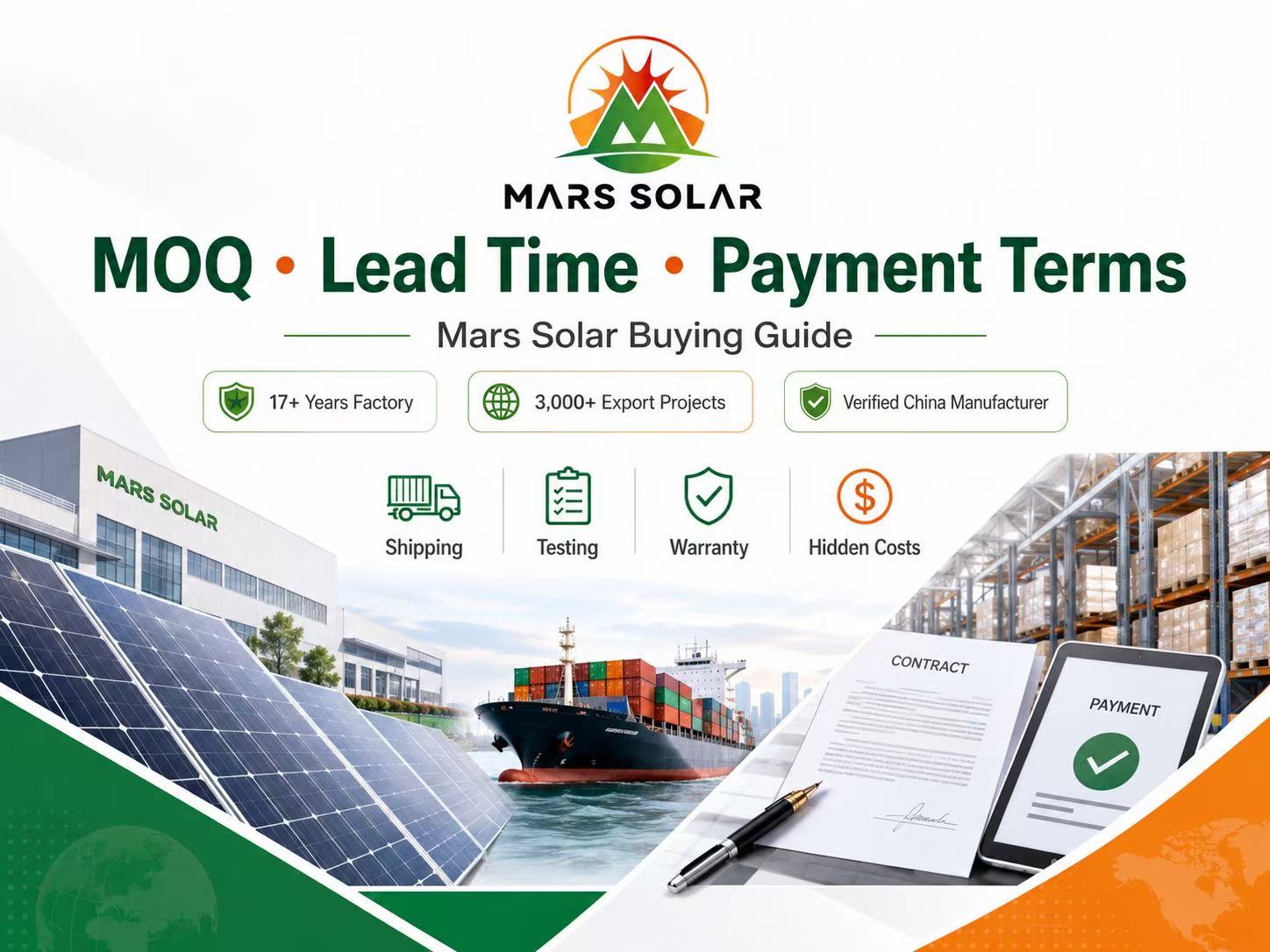 Solar Panel MOQ, Lead Time & Payment Terms: The Complete 2026 Buyer's GuideMOQ, lead time, and payment terms are the 3 questions every solar buyer asks — and the 3 answers most suppliers hide behind vague emails. This guide gives you complete, honest answers from a verified China factory with 17+ years and 3,000+ export projects
Do you like ?0
Read more -
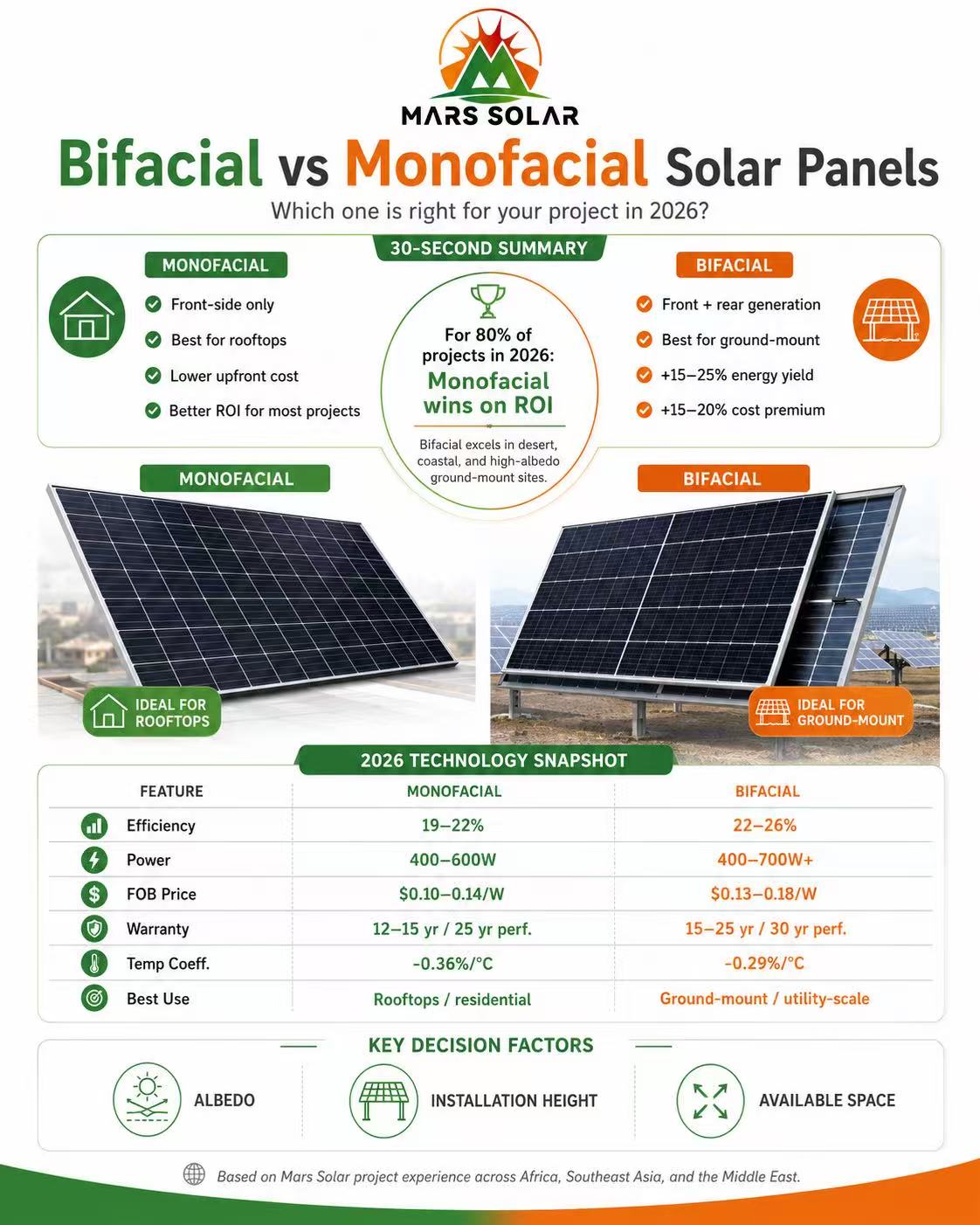 Solar Panel Selection Guide: Monofacial vs. Bifacial — 2026 EditionMonofacial and bifacial solar panels look identical but deliver 15-25% output difference. This 2026 guide compares 15 technical parameters, analyzes 5 real project ROI cases (Nigeria, Philippines, Ghana, Kenya, DRC), and gives you 3 decision frameworks to
Do you like ?0
Read more -
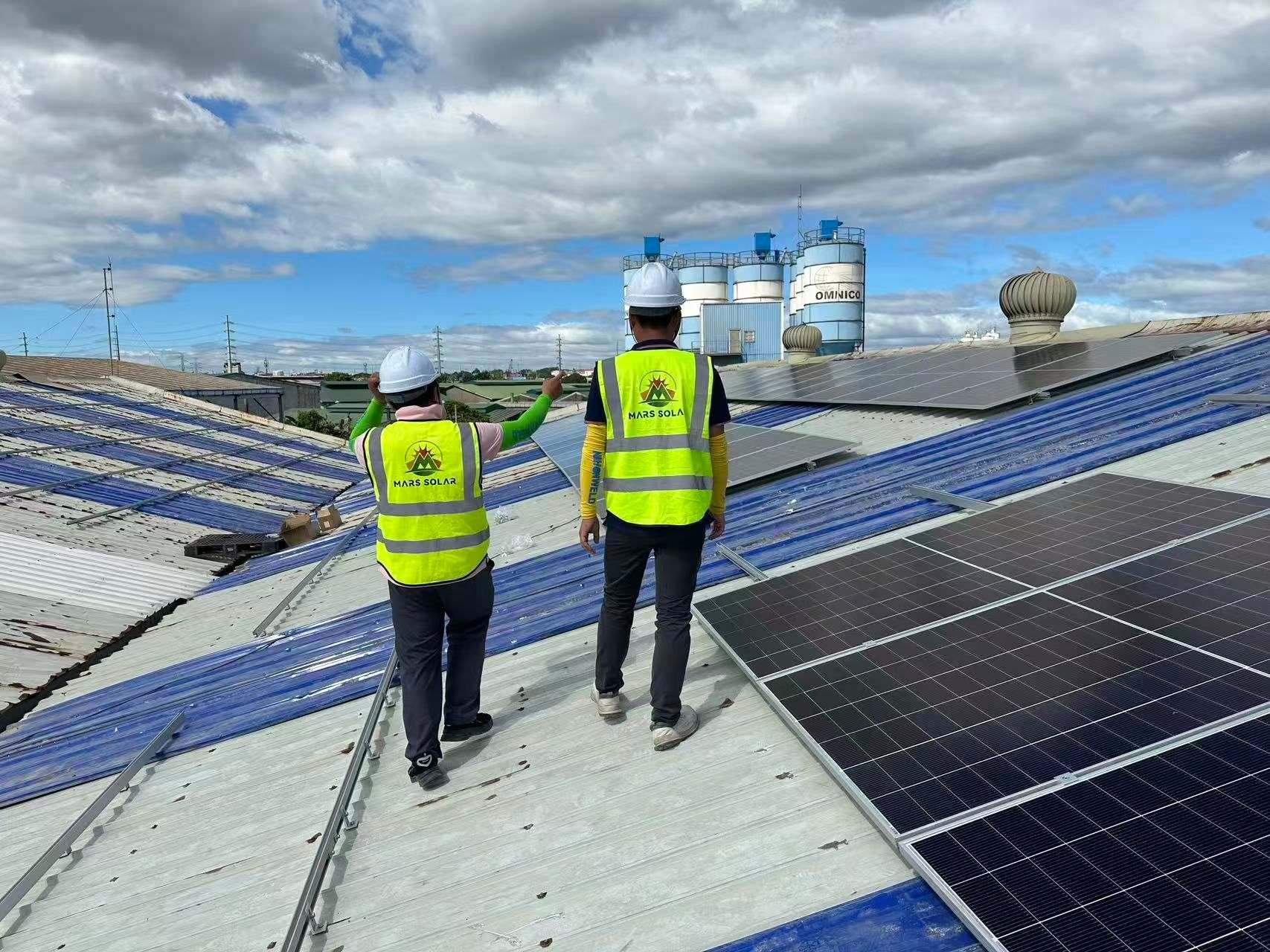 Top 10 Solar Panel Manufacturers China 2026 | Best BrandsDiscover the top 10 solar panel manufacturers China 2026. Compare Jinko, LONGi, Trina & more. Find Tier 1 suppliers.
Do you like ?0
Read more