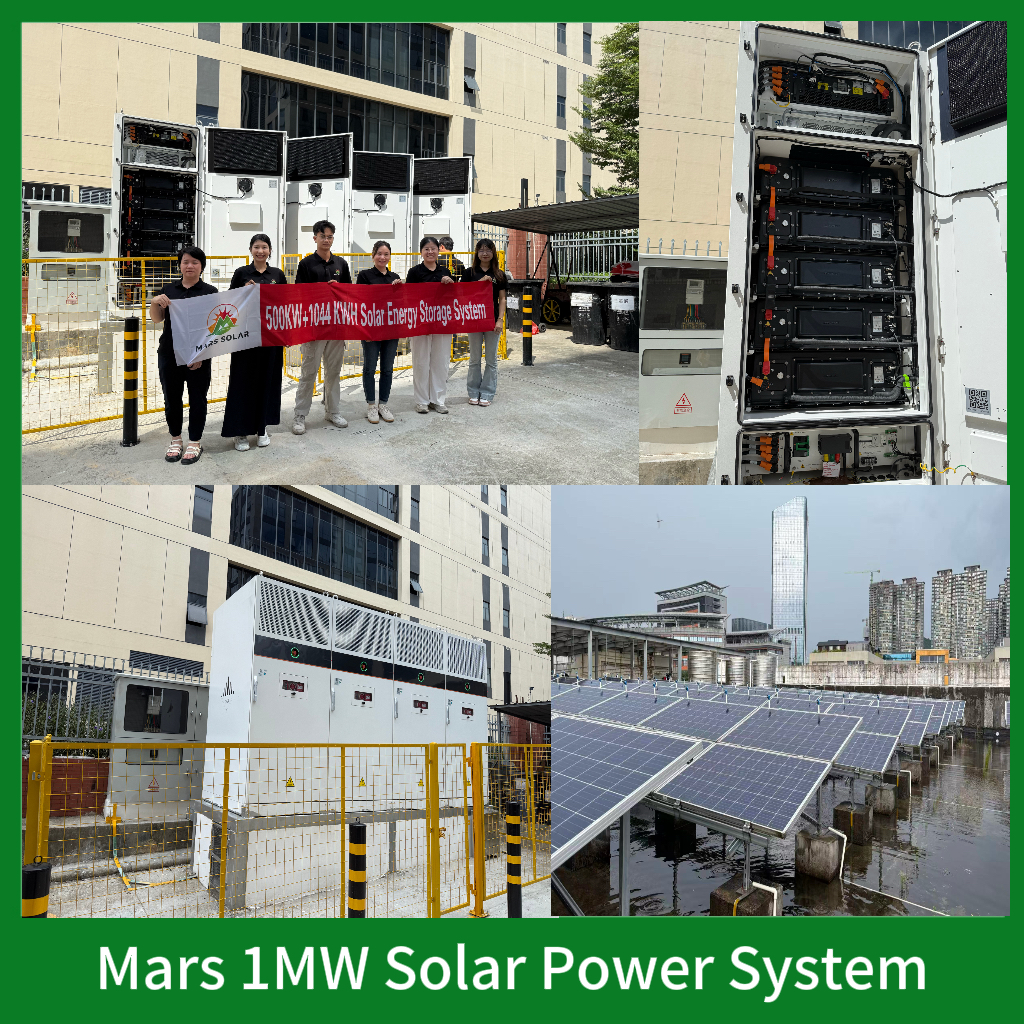
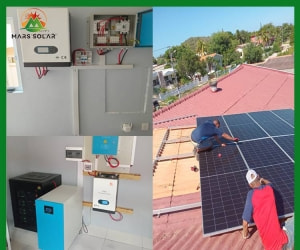
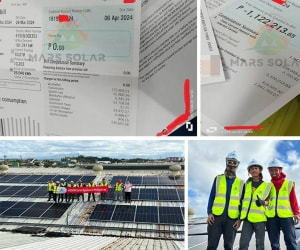
Quick answer: A 10KW solar system of this configuration produces about 62KWH per day from 28x360W monocrystalline panels and driven by a 10KW/14.3KVA inverter. Built by Mars Solar (factory since 2008), CE/ROHS certified, 25-year panel life, shipped factory-direct to 130+ countries.
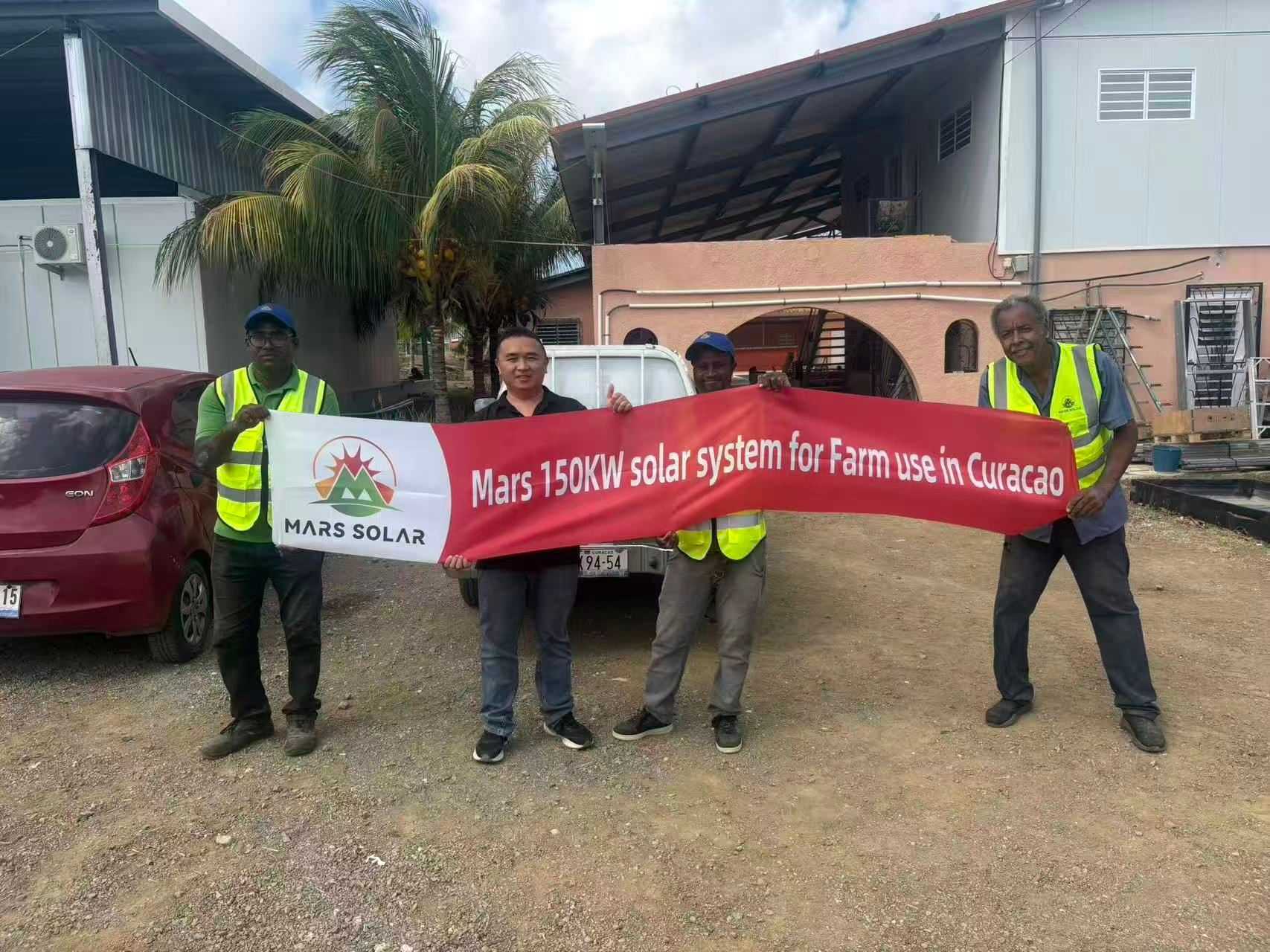
Curaçao Renewable Energy Agriculture Project
Hybrid Solar Power & Battery Storage for Commercial Greenhouse Operations
Project Overview: Integrating 150kW Photovoltaic Array with 300kWh Energy Storage to Enable Off-Grid Cultivation in the Caribbean
──────────────────────────────────────────────────
Executive Summary
This case study examines a commercial agricultural installation on Curaçao, a Dutch Caribbean territory that receives exceptional solar irradiance but faces significant energy infrastructure challenges. The project demonstrates how combining 150kW of solar generation capacity with 300kWh of lithium battery storage can transform energy-unreliable growing conditions into a stable, profitable cultivation environment.
Key Metrics:
- Location: Curaçao, Dutch Caribbean (12°N, 69°W)
- System Size: 150kW DC solar array + 300kWh LiFePO₄ storage
- Application: Climate-controlled greenhouse (leafy greens & herbs) + pressurized irrigation
- Grid Status: Fully off-grid (island mode operation)
- Commission Date: 2025
──────────────────────────────────────────────────
1. Context: The Energy-Agriculture Paradox in the Caribbean
Curaçao enjoys approximately 3,000 annual sunshine hours with consistent temperatures ranging from 26–28°C throughout the year. These climatic conditions theoretically make the island ideal for year-round commercial agriculture.
However, the local agricultural sector has historically struggled with profitability and production stability. The root cause is not agronomic—it is electrical.
The Energy Challenge:
- Curaçao's electric grid is operated by Aqualectra and relies on imported fossil fuels for over 90% of generation capacity
- Residential and commercial electricity rates range from $0.30 to $0.45 per kWh—among the highest in the Western Hemisphere
- Grid reliability is compromised by aging transmission infrastructure and exposure to hurricane-season weather disruptions
- Voltage sags, brownouts, and unscheduled outages occur regularly, particularly during peak demand periods
Impact on Protected Agriculture:
Modern greenhouse operations require continuous, stable electrical power for:
- Climate control systems (ventilation fans, evaporative cooling pads, automated shading)
- Water pumping and fertigation systems
- Environmental monitoring and control automation
Even brief power interruptions can cause greenhouse temperature to deviate beyond acceptable tolerances. For temperature-sensitive crops such as leafy greens, basil, and other high-value herbs, a single day of climate control failure can result in:
- Irreversible crop stress or total loss
- Downgraded product quality (bolting, tip burn, wilting)
- Reduced shelf life and market value
Industry research indicates that greenhouse temperature fluctuations exceeding ±3°C from optimal setpoints can reduce yields by 15–25% for leafy green varieties. In the Caribbean context, where produce commands premium prices due to limited local supply, these losses represent substantial foregone revenue.
──────────────────────────────────────────────────
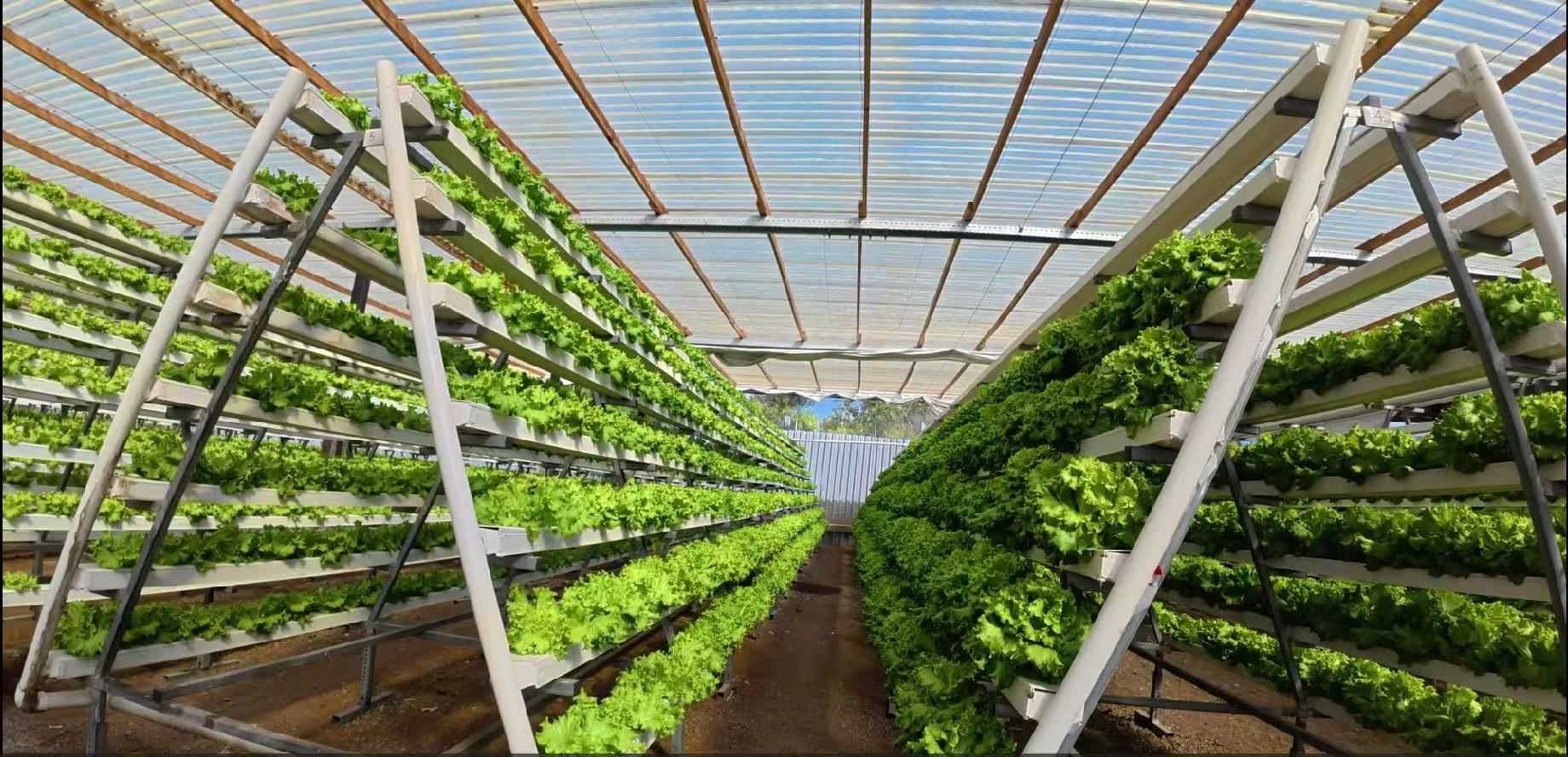
2. Project Objectives & Design Parameters
The farm operator's requirement was unambiguous: eliminate grid dependency entirely and create a self-sufficient energy system that could maintain optimal growing conditions under all weather scenarios.
Design Targets:
- Provide 150kW of solar generation capacity to power greenhouse systems during daylight hours
- Incorporate 300kWh of battery energy storage to provide overnight and low-solar operation
- Ensure seamless transition between solar, battery, and backup power sources
- Maintain greenhouse temperature within ±1.5°C of the 26°C setpoint under all operating conditions
- Enable fully automated irrigation scheduling independent of grid availability
──────────────────────────────────────────────────
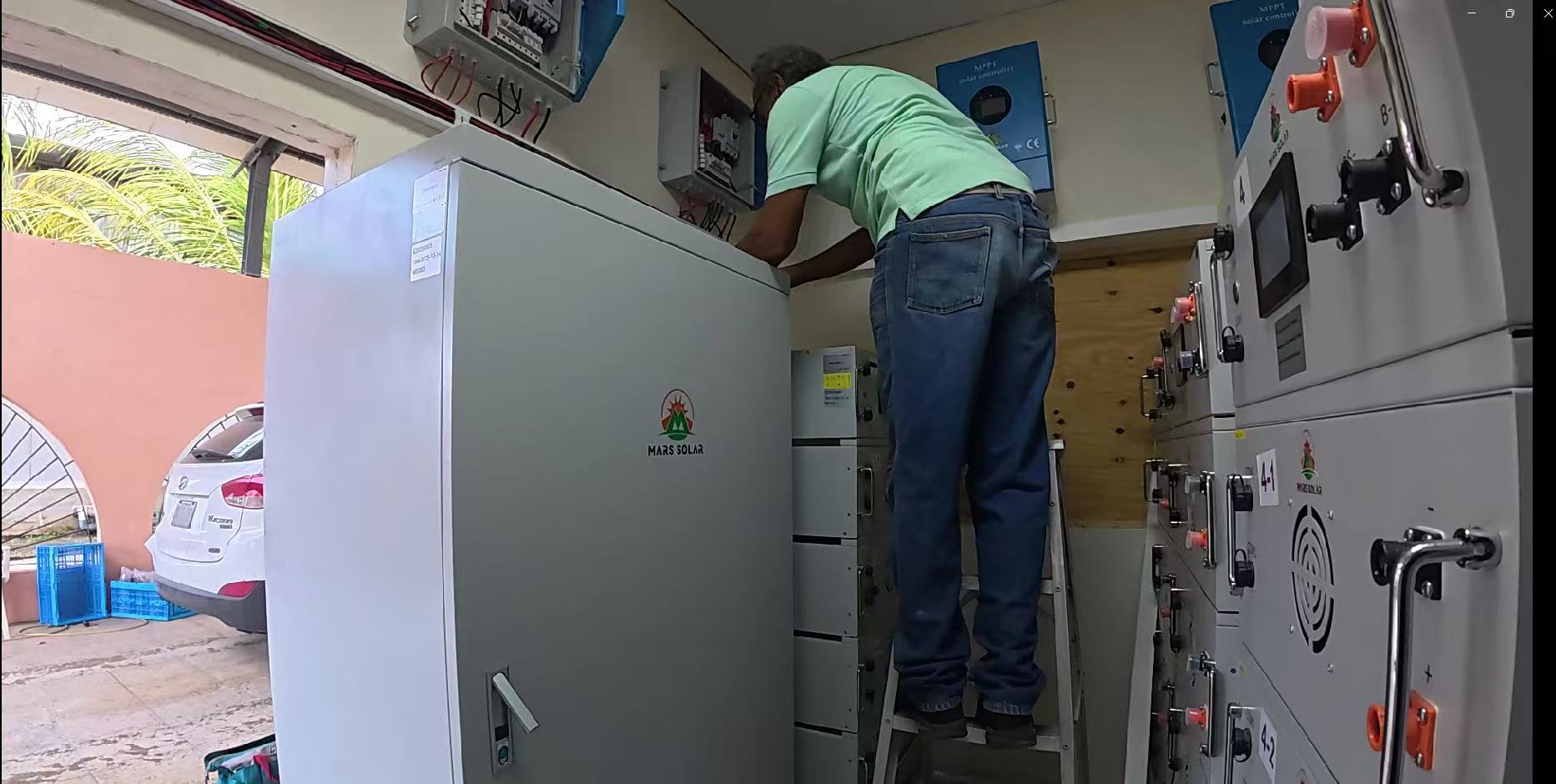
3. System Architecture: Integrated Solar + Storage + Smart Controls
The engineered solution comprises three interconnected subsystems designed to operate as a unified microgrid.
Array Configuration:
- 255 × 590W monocrystalline silicon modules
- Total nameplate capacity: 150kW DC
- Mounting: Combination of roof-mounted (on greenhouse structure) and ground-mounted arrays
- Orientation: Optimized tilt angle for Caribbean latitude (~12°N)
Expected Performance:
With 3,000+ annual sunshine hours and average daily solar insolation of 5.5–6.0 kWh/m²/day, the 150kW array is projected to generate approximately 550–650 kWh per day on average, with higher output during clear-sky conditions.
Battery Technology:
- Chemistry: Lithium Iron Phosphate (LiFePO₄)
- Total Capacity: 300kWh
- Usable Capacity: ~255kWh (85% depth of discharge)
- Cycle Life: 6,000+ cycles at 80% DoD
- Operating Voltage: 48V DC nominal
Storage Rationale:
The 300kWh storage capacity was sized to provide approximately 8–10 hours of overnight operation for baseline greenhouse loads (climate control, monitoring systems, and low-duty-cycle pumping). This duration ensures that even after two consecutive overcast days, the battery reserve can maintain critical systems until solar generation resumes.
Battery Management:
- Active thermal management to maintain cells within optimal temperature range (20–25°C)
- Multi-stage protection including overcurrent, over/under-voltage, and temperature fault detection
- State of Charge (SoC) reporting via IoT dashboard
Hybrid Pumping Topology:
The irrigation system employs a three-tier architecture to ensure 100% reliability:
1. Daylight Direct Drive: During sunny conditions, solar PV powers the water pump directly, bypassing the battery to maximize efficiency. Excess solar energy charges the battery bank and fills the elevated storage tank.
2. Battery-Powered Pumping: During nighttime or heavily overcast conditions, the pump draws from the 300kWh battery reserve, ensuring uninterrupted irrigation scheduling.
3. Gravity-Assisted Storage: An elevated water tank (positioned at ~10 meters above the irrigation zone) serves as a mechanical energy buffer. Water pumped during the day is stored at elevation, providing pressure for drip irrigation through gravity feed during brief pump outages.
Pump Specifications:
- Type: Variable-frequency drive (VFD) submersible pump
- Flow Rate: Designed to fill the elevated tank within 4–6 hours of peak solar generation
- Control: Automated scheduling based on soil moisture sensors and weather forecast integration
The entire microgrid is orchestrated by a cloud-connected energy management platform that provides:
Real-Time Monitoring:
- Solar PV output (kW instantaneous, kWh cumulative)
- Battery SoC, voltage, current, and cell-level diagnostics
- Greenhouse temperature and humidity (live and historical trends)
- Pump operating hours and cumulative water volume delivered
- Weather forecast integration for predictive load balancing
Smart Control Features:
- Automated prioritization of battery charging vs. direct pumping based on real-time SoC and weather predictions
- Load shedding logic to protect battery health during extended low-solar periods
- Remote firmware updates and parameter adjustments via smartphone application
──────────────────────────────────────────────────
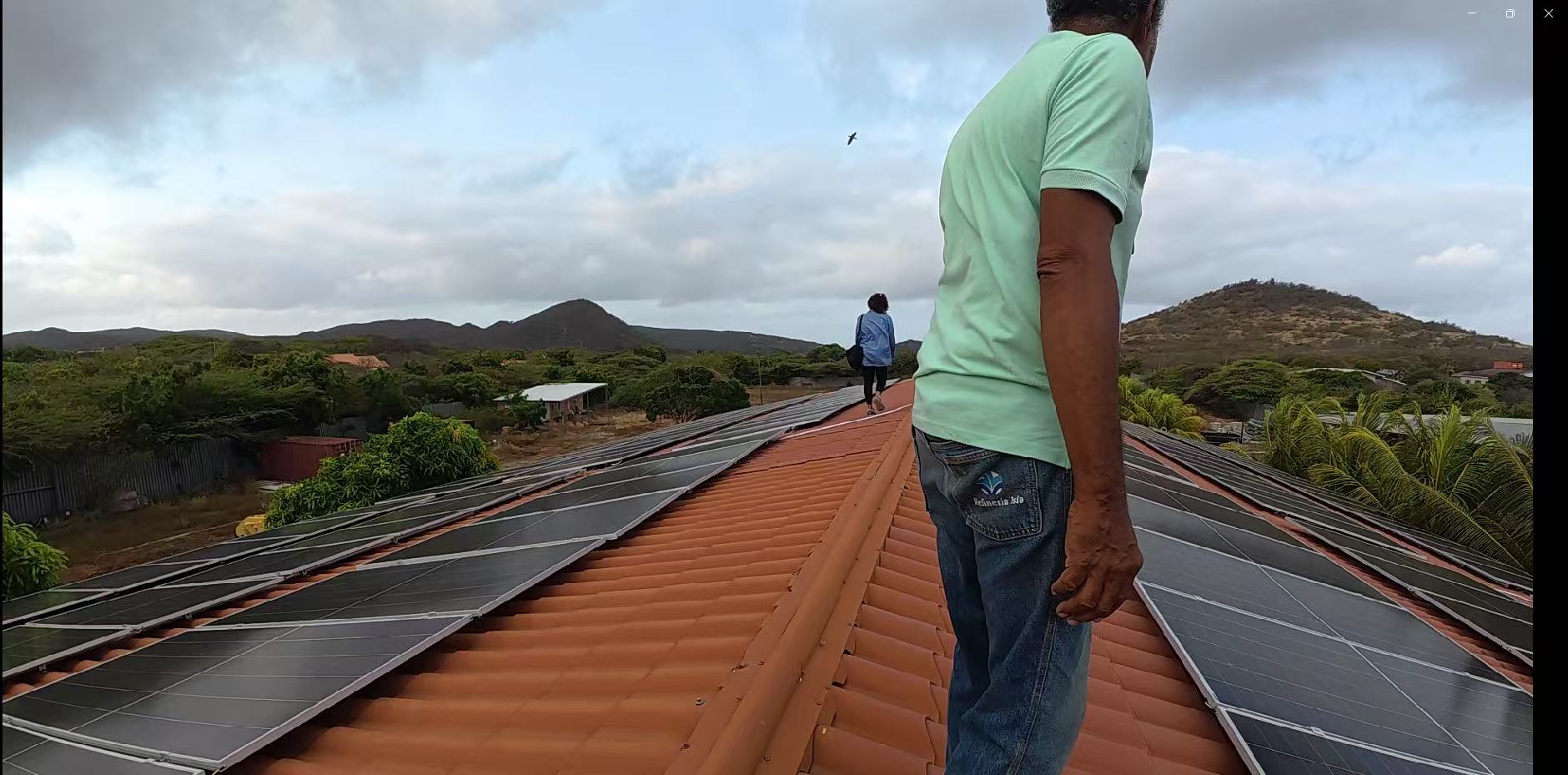
4. Implementation & Bill of Materials
|
Component Category |
Specification |
Quantity / Rating |
|
Solar PV Modules |
N-type TopCon half cell, 590W, 24% efficiency, 25 years warranty. Connection: 16pcs in series, 15 strings in parallel |
255 PCS (150kW total) |
|
Solar Inverter |
50KW on & off grid hybrid, 3-phase 380V-400V, MPPT 150-850V, with AC charger built-in, LCD display, 5 years warranty |
3 PCS (150kW total) |
|
Lithium Battery |
LiFePO4, 384V 840AH, 322.56KWH capacity, >6000 cycles, 10 years warranty, 20 years design lifespan |
1 SET |
|
Distribution Box |
Circuit breakers, disconnectors, surge protection, overload protections, MAX. 250A per phase |
1 PCS |
|
Mounting System |
Rooftop/Ground installation, maintenance channel, wire tray, grounding flat iron, 10 years warranty |
1 SET |
|
PV Cables & Connectors |
35mm2 battery cable (6pcs), 25mm2 red/black cable (100M/30M), 6mm2 PV cable 1500M, DC breaker 32A & SPD 15sets |
1 SET |
──────────────────────────────────────────────────
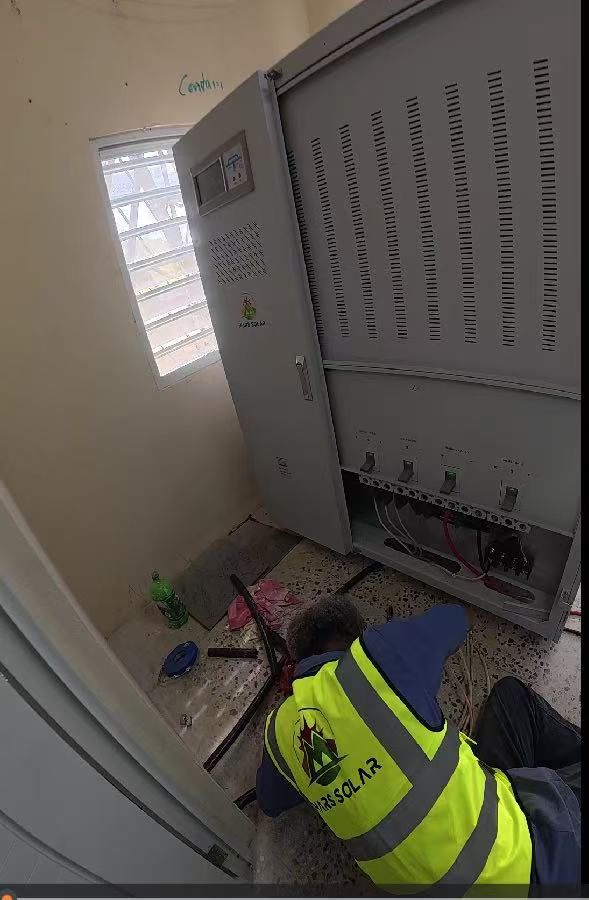
5. Performance Results & Economic Analysis
Solar Generation:
- Average daily generation: 580–620 kWh (varies seasonally)
- Capacity factor: ~18–20% (excellent for Caribbean location)
- Performance ratio: >80% (accounting for temperature derating and system losses)
Battery Utilization:
- Typical daily cycle: 60–75% depth of discharge
- Overnight autonomy: 8–10 hours for baseline loads
- Round-trip efficiency: ~92–94%
Greenhouse Climate Stability:
Field measurements after system commissioning demonstrate:
- Temperature control precision: ±1.5°C around 26°C setpoint
- Compare to grid-connected operation: ±4–6°C fluctuation during outages
- Humidity control: Maintained within 60–75% RH band consistently
Since transitioning to the solar + storage system:
- Yield Improvement: 25–40% increase in marketable yield for leafy greens (attributed to reduced temperature stress and consistent irrigation)
- Quality Upgrade: Reduction in bolting, tip burn, and wilting; product commands premium pricing at local markets
- Crop Loss Reduction: Zero total losses attributed to power interruption since commissioning (compared to 2–3 incidents per year previously)
Energy Cost Savings:
At Curaçao's grid electricity rate of ~$0.35/kWh, the system avoids approximately $70,000–$80,000 in annual utility costs.
Payback Period:
- Total installed system cost: ~$80,000–$120,000 (including PV, battery, inverter, pump, tank, and integration)
- Annual savings (energy + yield increase): ~$65,000–$85,000
- Simple payback period: 1.0–1.5 years
- Panel and battery warranty: 25 years (panels), 10 years (battery with expected 6,000+ cycle life)
Additional Economic Benefits:
- Eliminated crop loss risk from power outages (historically $1,000–$2,500 per incident)
- Reduced reliance on diesel backup generators (fuel savings, maintenance savings)
- Enhanced market positioning as "sustainably grown" produce (premium pricing opportunity)
──────────────────────────────────────────────────
6. Operator Testimonial
> "Before installing the solar and battery system, every storm season felt like a gamble. We'd watch the sky, check the Aqualectra outage map, and hope the greenhouse fans would keep running. One extended blackout killed an entire week's harvest—thousands of dollars just gone.
>
> Now, the system runs itself. The batteries kick in the moment the sun goes down or clouds roll over. The greenhouse stays at 26 degrees, the irrigation runs like clockwork, and we haven't had a single climate-related crop loss in over a year. The system paid for itself faster than we expected because our yields are just… better. More consistent. Higher quality. We're not just surviving anymore—we're actually expanding."
>
> — Facility Manager, Curaçao Commercial Greenhouse
──────────────────────────────────────────────────
7. Frequently Asked Questions
Q: Can a 150kW solar array really power a commercial greenhouse?
A: Absolutely. In Curaçao's high-irradiance environment, 150kW of PV generates 550–650 kWh per day on average. This is sufficient to power climate control, irrigation, and monitoring systems for a 1–2 acre greenhouse operation. The addition of 300kWh battery storage ensures overnight and low-solar operation.
Q: How does the system handle multi-day cloudy weather?
A: The 300kWh battery bank provides 8–10 hours of overnight power for baseline loads. The energy management system also implements load-shedding logic during extended low-solar periods to prioritize critical systems. In the worst-case scenario (3+ consecutive overcast days), a backup generator can be automatically engaged—though this has not been necessary in normal operations.
Q: What makes LiFePO₄ batteries suitable for this application?
A: LiFePO₄ chemistry offers exceptional cycle life (6,000+ cycles), excellent thermal stability (important in tropical climates), and high round-trip efficiency (~94%). The 300kWh capacity was specifically sized to provide adequate autonomy without excessive oversizing.
Q: How does the irrigation system work without grid power?
A: The system uses a hybrid approach: (1) direct PV-powered pumping during daylight, (2) battery-powered pumping at night or during clouds, and (3) an elevated water tank that provides gravity-fed irrigation pressure as a mechanical backup.
Q: Is this design replicable on other Caribbean islands?
A: Yes. The entire architecture was designed as a modular, scalable template. Any Caribbean location with high grid costs, unreliable power, and good solar resources can benefit from this approach. Systems can be scaled from 50kW to 5MW by paralleling the same building blocks.
Q: What maintenance is required?
A: The solar PV requires periodic cleaning (monthly to quarterly, depending on dust/deposition). The LiFePO₄ battery system is largely maintenance-free, with the EMS providing remote health diagnostics. The elevated tank requires occasional inspection. Overall, the system is designed for minimal on-site maintenance with remote monitoring handling most diagnostics.
──────────────────────────────────────────────────
8. Broader Significance: Lessons for Global Agriculture
This Curaçao installation illustrates a broader trend: the convergence of declining solar/battery costs with the rising economic cost of grid unreliability.
Key Takeaways for International Buyers:
1. Crops with High Sensitivity to Climate Variation (leafy greens, herbs, medicinal plants, microgreens) realize the fastest ROI because they benefit from both energy savings and yield improvements.
2. Island and Remote Locations see the most compelling economics due to high baseline electricity costs and grid fragility. Payback periods of 3–5 years are achievable in locations where grid power exceeds $0.25/kWh.
3. Integrated Solar + Storage + Smart Controls is now a bankable, proven architecture. The technology is mature, warranties are strong, and remote monitoring makes multi-site management practical.
4. Modular Design Enables Scalability. The same 150kW + 300kWh building blocks used in Curaçao can be paralleled to create systems up to 5MW for larger agricultural operations.
5. Sustainability Marketing Advantage. Produce grown with 100% renewable energy can command premium pricing in environmentally conscious markets, creating an additional revenue stream beyond energy savings.
──────────────────────────────────────────────────
9. Conclusion: Energy Independence as a Competitive Advantage
The Curaçao project demonstrates that energy independence is not merely a sustainability aspiration—it is a sound financial strategy for modern agriculture in challenging grid environments.
The combination of 150kW solar generation with 300kWh battery storage has transformed a previously fragile, grid-dependent operation into a resilient, profitable growing enterprise. The system pays for itself through energy savings and yield improvements in approximately three years, after which the farm enjoys essentially free power for the remaining 20+ years of panel life.
For agricultural operations in similar contexts—high grid costs, unreliable power, excellent solar resources—this case study provides a validated blueprint. The technology works. The economics work. And as solar and battery costs continue their structural decline, the addressable market for these systems will only expand.
Project Contacts:
For technical specifications, OEM partnership inquiries, or distribution opportunities, please contact our project team.
https://www.solarpowermanufacturer.com/contact-us/
-
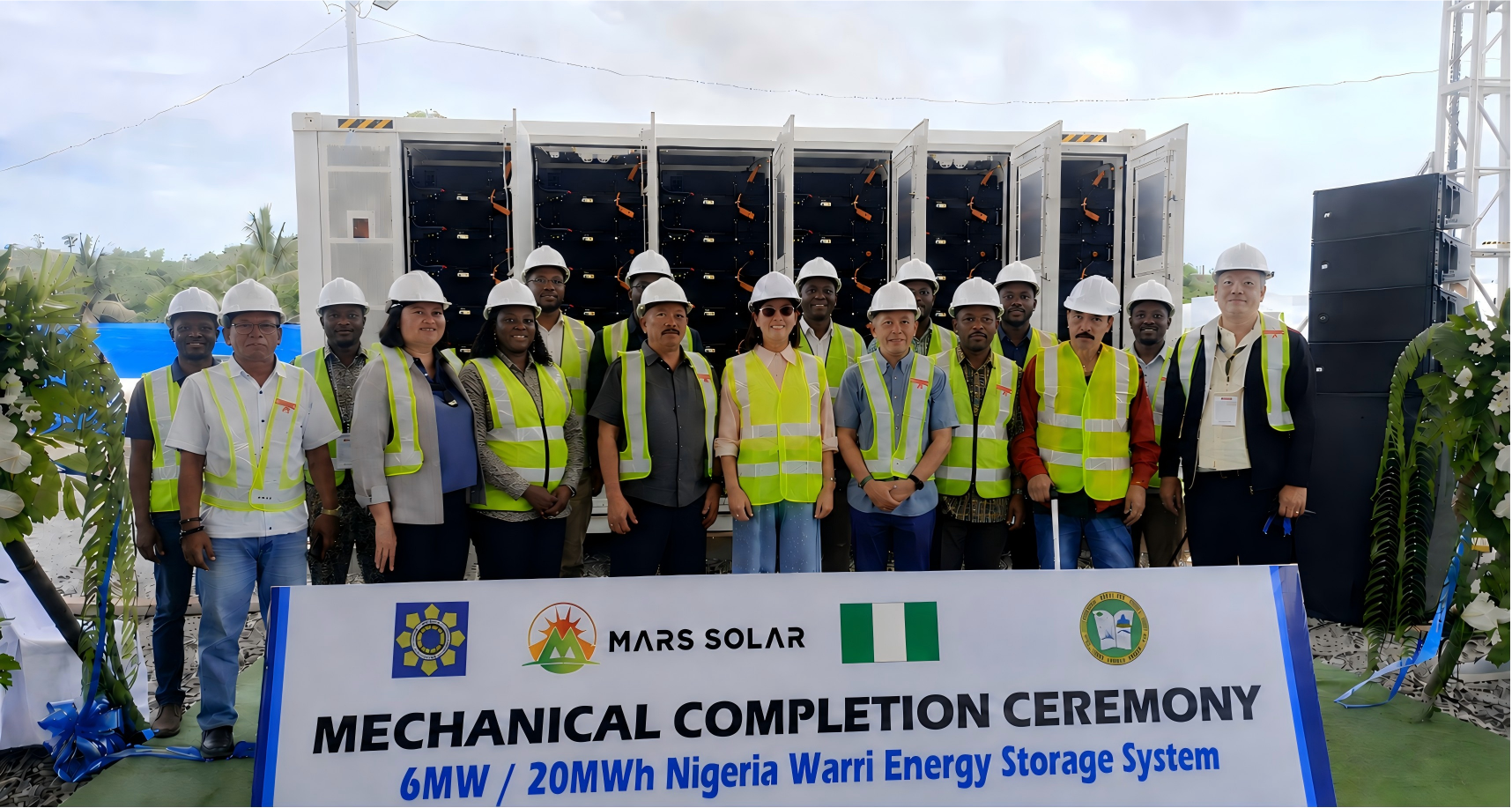 6MW 20MWh Solar Storage in Nigeria Factory + Farm + Residential Case StudyA 6MW solar PV + 20MWh LFP battery storage system in Nigeria powers an integrated factory, farm, and residential complex. The system delivers $108,000+ in monthly electricity savings, reaches payback in approximately 24 months, and provides 25 years of renewable power. This case study covers the engineering configuration, financial model, and operational performance of one of West Africa's most ambitious factory + farm + residential solar deployments.
Do you like ?0
Read more -
 Solar Panel Shipping & Container Loading: The 2026 Complete GuideThe solar panels leaving the factory are perfect. By the time they arrive at your warehouse, 3–7% might be damaged, delivery could be 2 weeks late, and demurrage at the destination port could wipe out your margin. This 2026 guide covers container types (2
Do you like ?0
Read more -
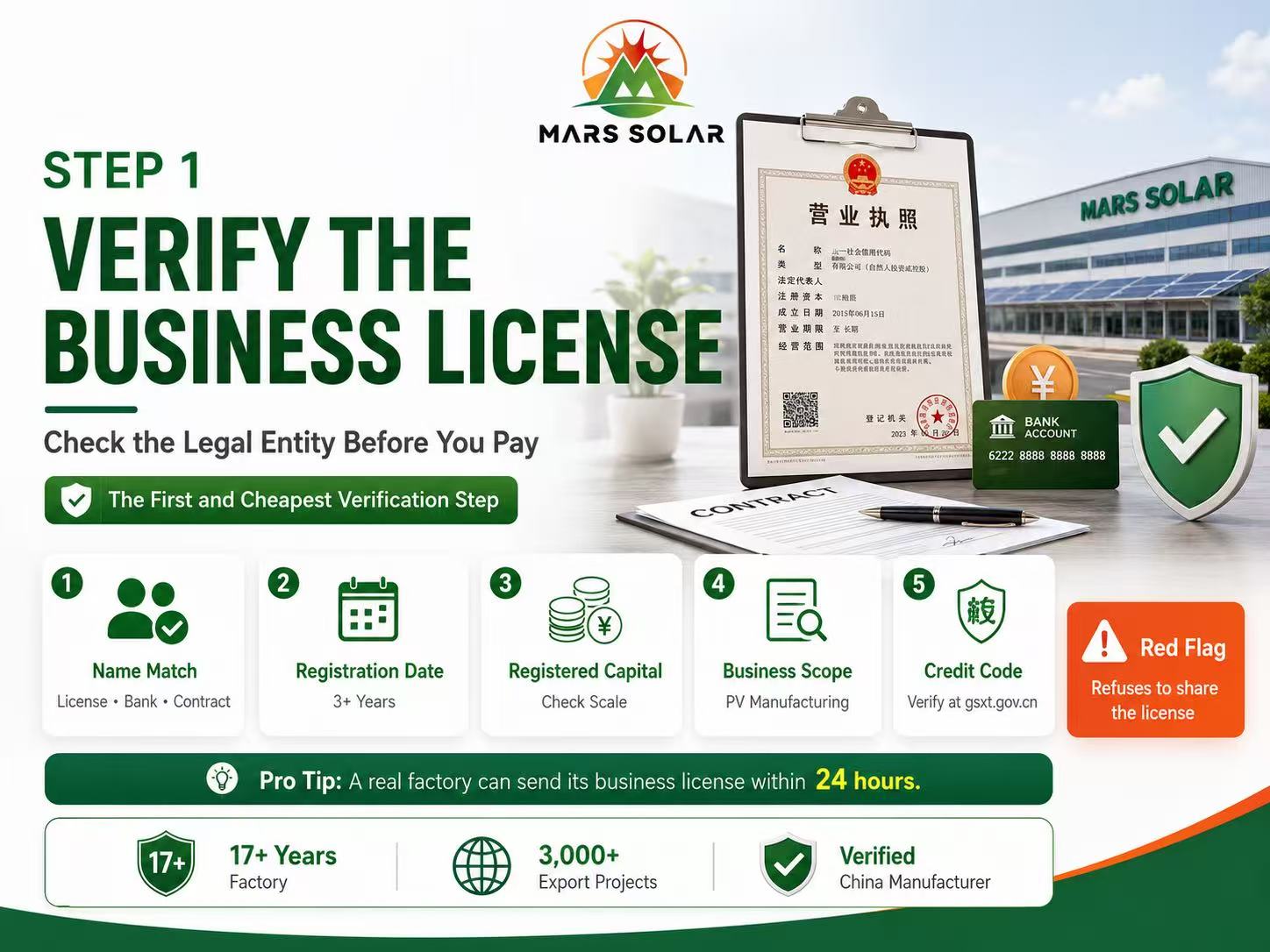 Solar Panel Factory Verification: The 7-Step Due Diligence GuideEvery year, international solar buyers lose millions to fraudulent suppliers — fake certificates, empty factories, and panels that don't match spec. This 7-step verification guide shows you exactly how to qualify any China solar factory before you wire mo
Do you like ?0
Read more -
 Solar Panel MOQ, Lead Time & Payment Terms: The Complete 2026 Buyer's GuideMOQ, lead time, and payment terms are the 3 questions every solar buyer asks — and the 3 answers most suppliers hide behind vague emails. This guide gives you complete, honest answers from a verified China factory with 17+ years and 3,000+ export projects
Do you like ?0
Read more -
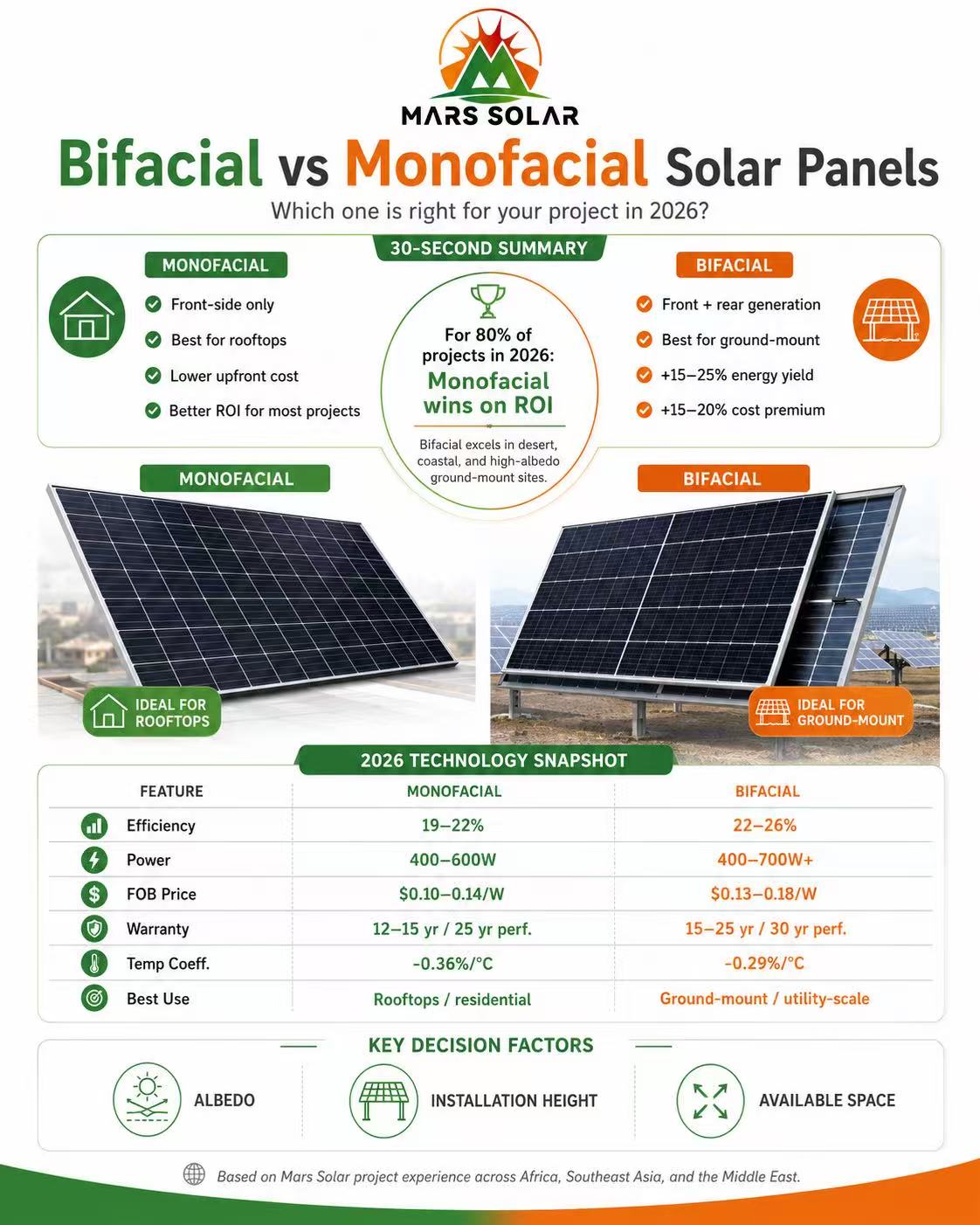 Solar Panel Selection Guide: Monofacial vs. Bifacial — 2026 EditionMonofacial and bifacial solar panels look identical but deliver 15-25% output difference. This 2026 guide compares 15 technical parameters, analyzes 5 real project ROI cases (Nigeria, Philippines, Ghana, Kenya, DRC), and gives you 3 decision frameworks to
Do you like ?0
Read more -
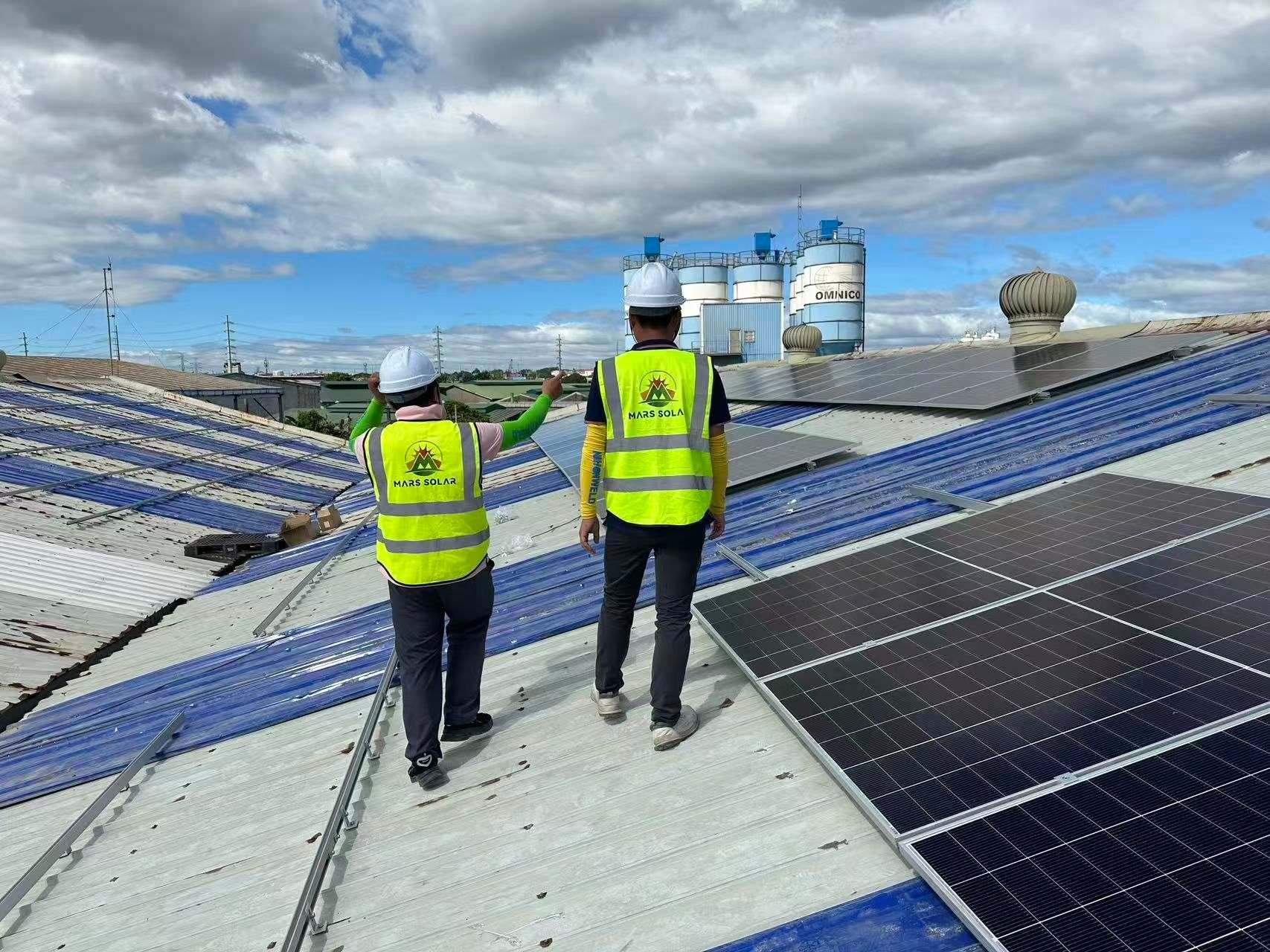 Top 10 Solar Panel Manufacturers China 2026 | Best BrandsDiscover the top 10 solar panel manufacturers China 2026. Compare Jinko, LONGi, Trina & more. Find Tier 1 suppliers.
Do you like ?0
Read more