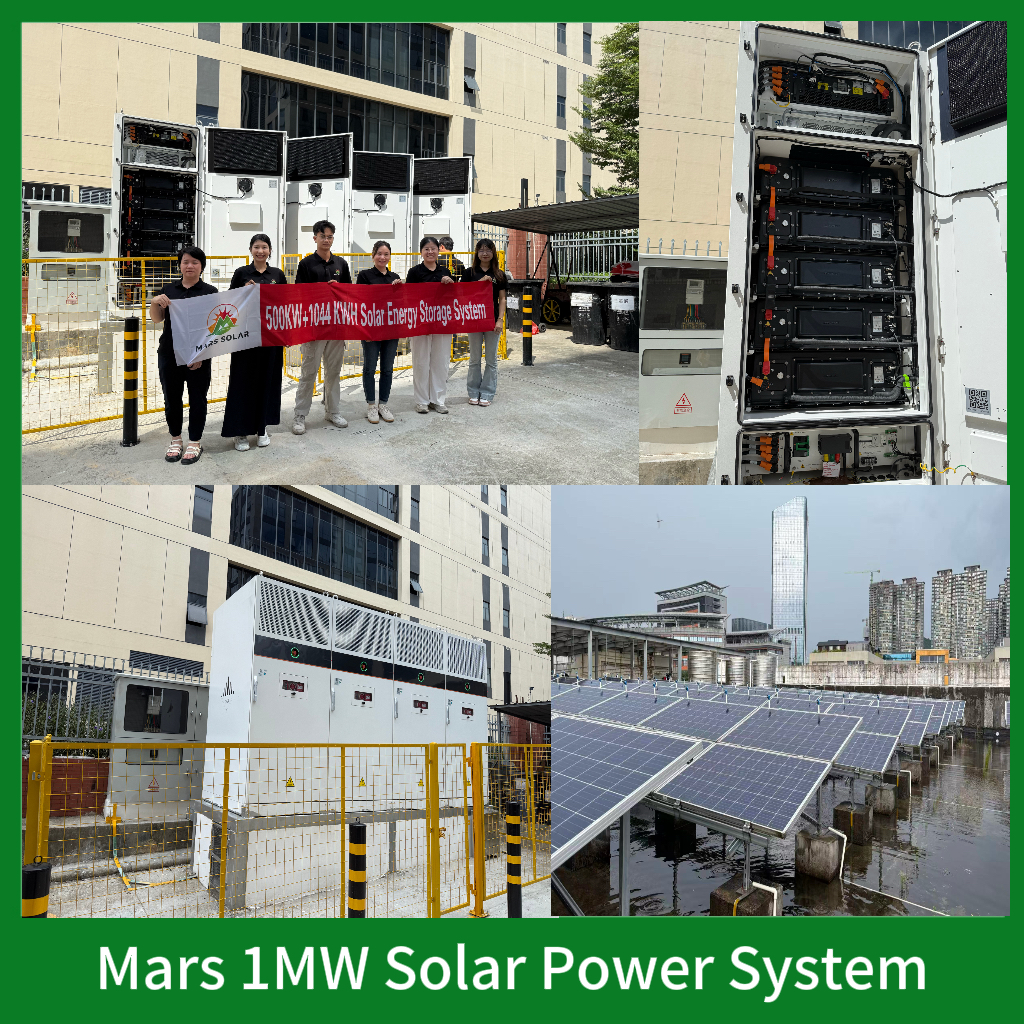
Quick answer: A 10KW solar system of this configuration produces about 62KWH per day from 28x360W monocrystalline panels and driven by a 10KW/14.3KVA inverter. Built by Mars Solar (factory since 2008), CE/ROHS certified, 25-year panel life, shipped factory-direct to 130+ countries.
MARKET INSIGHT
──────────────────────────────────────────────────
Why More African Industrial Facilities Are Turning to Solar-Storage Systems
A Market-Level Look at the Economics Driving C&I Solar-Storage Adoption Across Africa’s Industrial Sector
Featuring insights from a recent 100kW + 215kWh BESS deployment in Sudan
June 2026
1. Introduction
Across Africa, industrial facilities are facing the same math: grid electricity is becoming more expensive, less reliable, and increasingly a risk to production continuity.
The response is accelerating.
Sub-Saharan Africa’s commercial and industrial (C&I) solar-storage market represents over 2.3GW of potential capacity — much of it untapped. The barriers are no longer purely economic. They are informational and logistical.
This report examines the market drivers behind this shift, using a recently completed 100kW + 215kWh battery energy storage system (BESS) deployment in Sudan as a concrete data point.
2. The Core Problem: Grid Economics Are Broken for Industrial Users
For an industrial facility in Sudan — or Nigeria, Kenya, Ghana, or South Africa — grid power is not just expensive. It is unpredictable in a way that has direct production costs.
|
Diesel backup fuel cost |
$0.35–$0.60/kWh in most African markets (vs. grid rates $0.08–$0.15/kWh) |
|
Unplanned downtime cost |
$2,000–$15,000 per hour, depending on sector |
|
Solar + storage savings |
40–70% reduction in per-kWh costs while providing backup |
The economics are compelling. The execution gap is the remaining variable.
3. What the Sudan Project Reveals About the Market
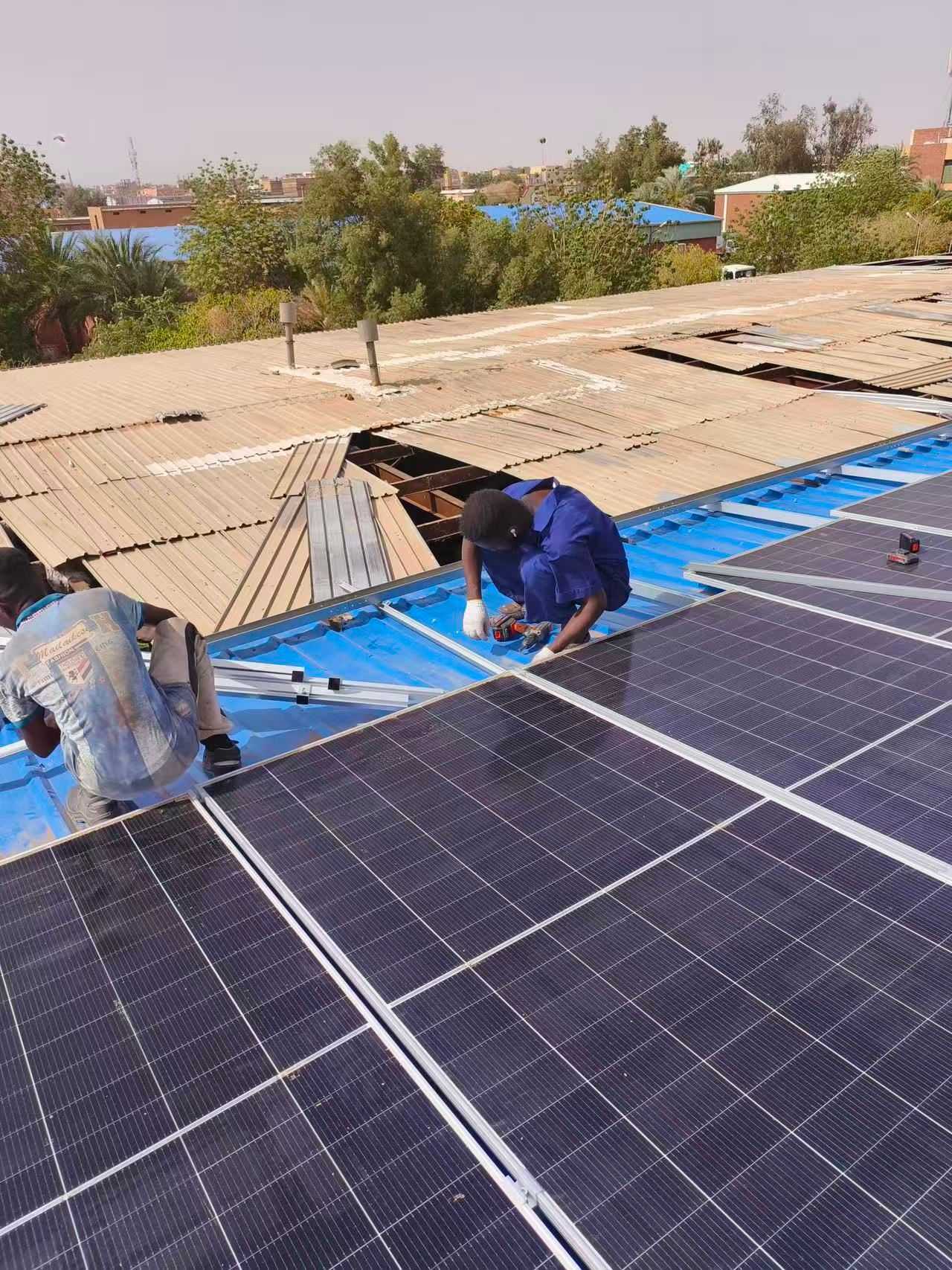
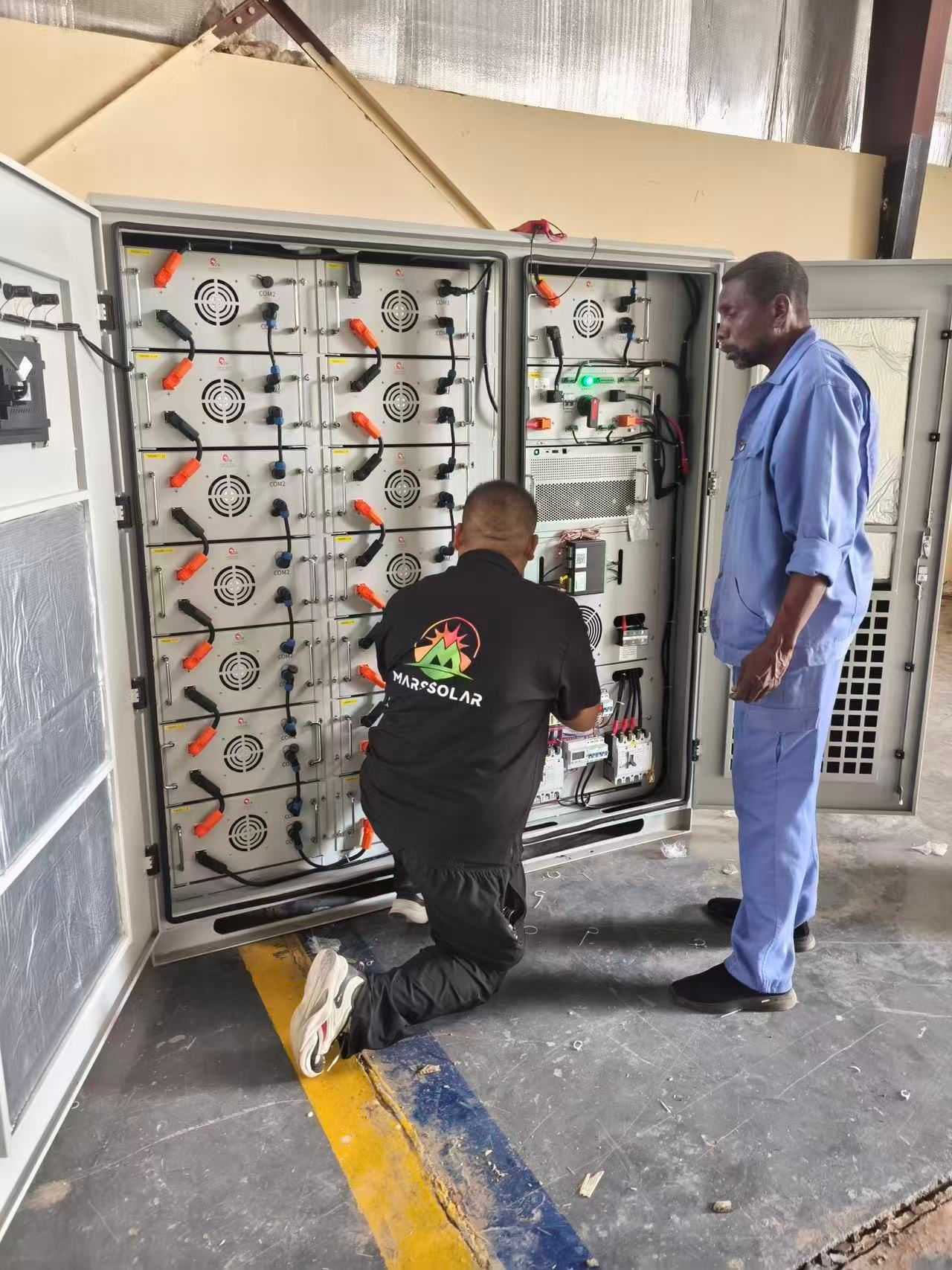
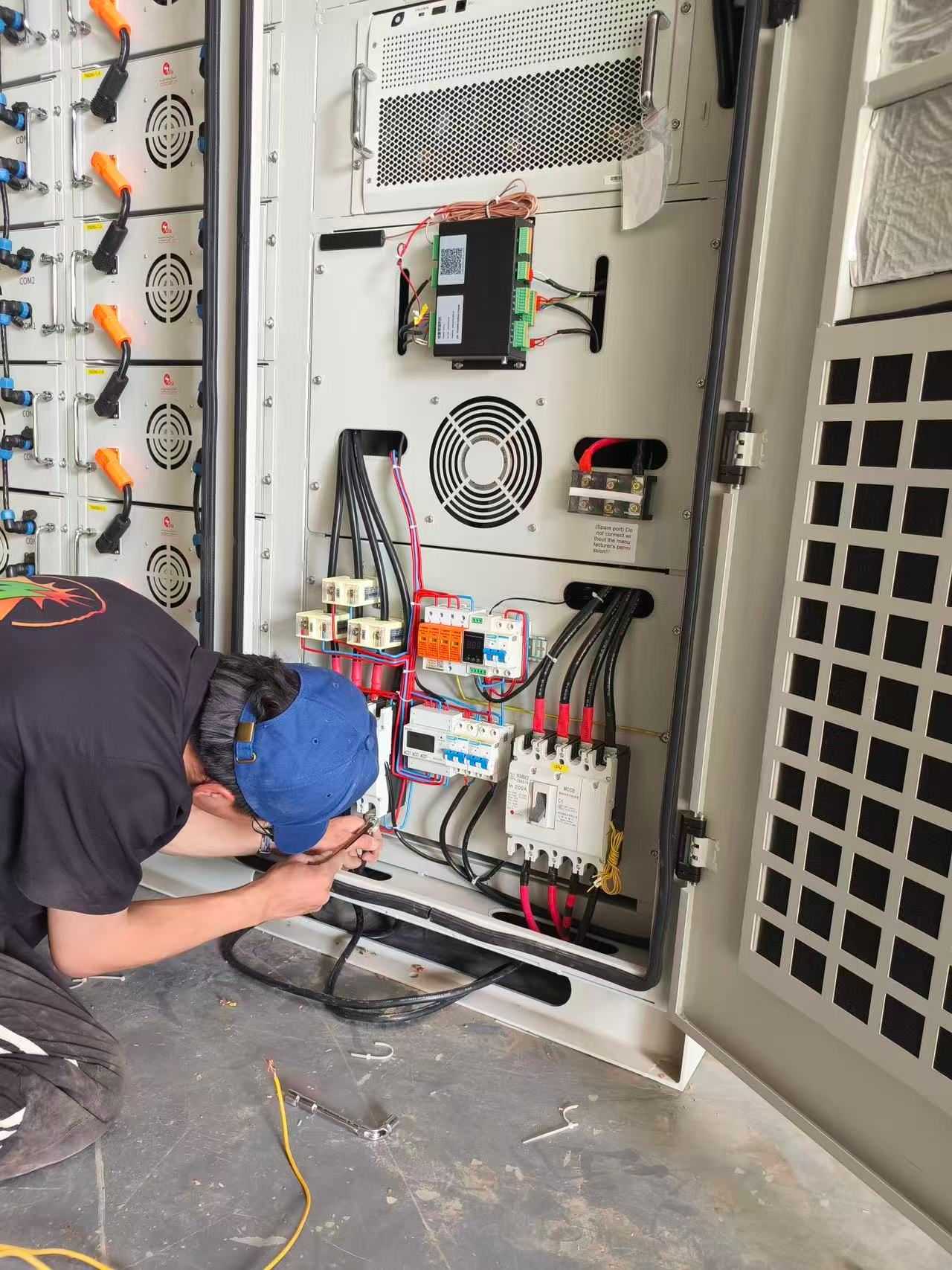
The 100kW + 215kWh system we commissioned in Sudan for an industrial client is representative of a growing project type: mid-size C&I solar-storage, designed not as an off-grid solution but as a grid-connected system with islanding capability.
3.1 Buyers Are More Sophisticated Than Before
The client specified BESS capacity, islanding response time, and remote monitoring as explicit requirements — not vague wish-list items. Procurement teams across the region are doing their homework.
3.2 Speed Matters
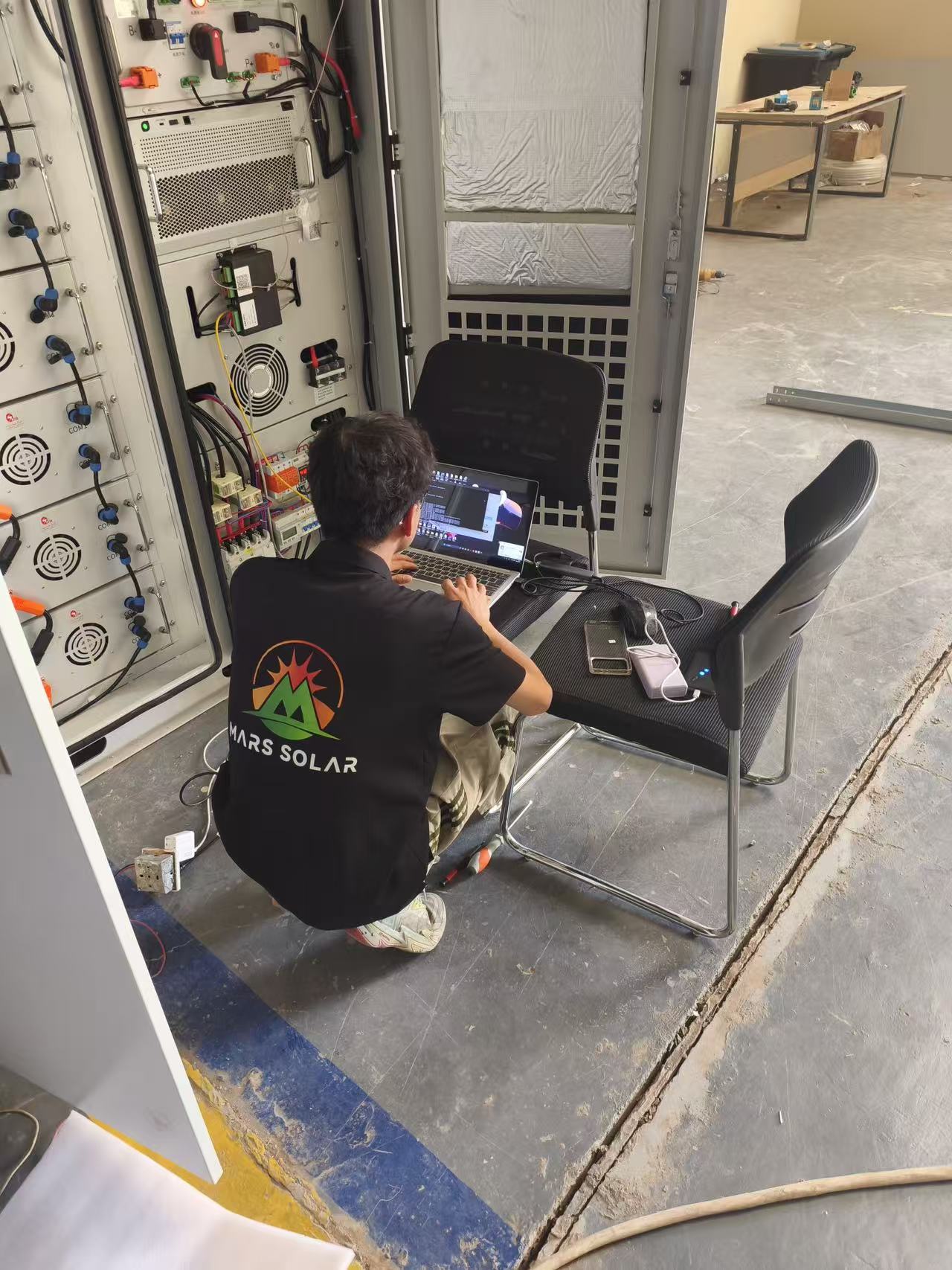
The 7-day on-site commissioning requirement reflects a broader market expectation: downtime has a price, and waiting months for a system to go live is no longer acceptable.
3.3 After-Sales Support Is a Differentiator
The presence of an on-site engineering team — not just an installation contractor, but the OEM’s own engineers — is increasingly being requested in project specifications. The Sudan client explicitly valued this.
4. Regional Adoption Patterns
|
Region |
Primary Driver |
Typical Size |
Key Barrier |
|
East Africa (Kenya, Tanzania) |
Grid unreliability + diesel cost |
50–200kW |
Financing |
|
West Africa (Nigeria, Ghana) |
Cost reduction + tariff volatility |
100–500kW |
Technical expertise |
|
North Africa (Sudan, Egypt) |
Industrial policy + grid instability |
100kW–1MW |
Supply chain |
|
Southern Africa (SA, Zambia) |
Load shedding + solar irradiance |
200kW–5MW |
Grid interconnection |
5. What This Means for Market Entry
The Africa C&I solar-storage market is not a single monolithic opportunity. It is a set of distinct sub-markets, each with its own decision-making process, financing mechanism, and technical requirements.
- Localization matters. Understanding grid codes, import duty structures, and local engineering norms in each market is as important as the product spec sheet.
- Speed + documentation = trust. Clients who can see a clear commissioning timeline and a complete handover package are far more likely to move forward.
- The reference project is the sales tool. One well-documented deployment in Sudan opens conversations in Egypt, Ethiopia, and Mozambique.
6. Looking Ahead
The next 18 months will likely see a meaningful step-change in C&I solar-storage deployment across Africa’s industrial corridor. Grid instability shows no signs of improving. Solar component costs continue to decline. And the financing ecosystem — from development finance institutions to local banks — is increasingly comfortable with the asset class.
The question for market participants is no longer whether solar-storage makes economic sense.
It is whether you can deploy fast enough to capture the opportunity.

7. Summary
The Sudan deployment — 100kW solar, 215kWh BESS, 7-day commissioning — is a microcosm of a larger shift. Industrial facilities across Africa are rethinking their energy architecture. The market is real. The timelines are compressing. And the projects are getting more sophisticated.
If you are evaluating this space from an investment, procurement, or policy perspective, we welcome a direct conversation.
contact-us
-
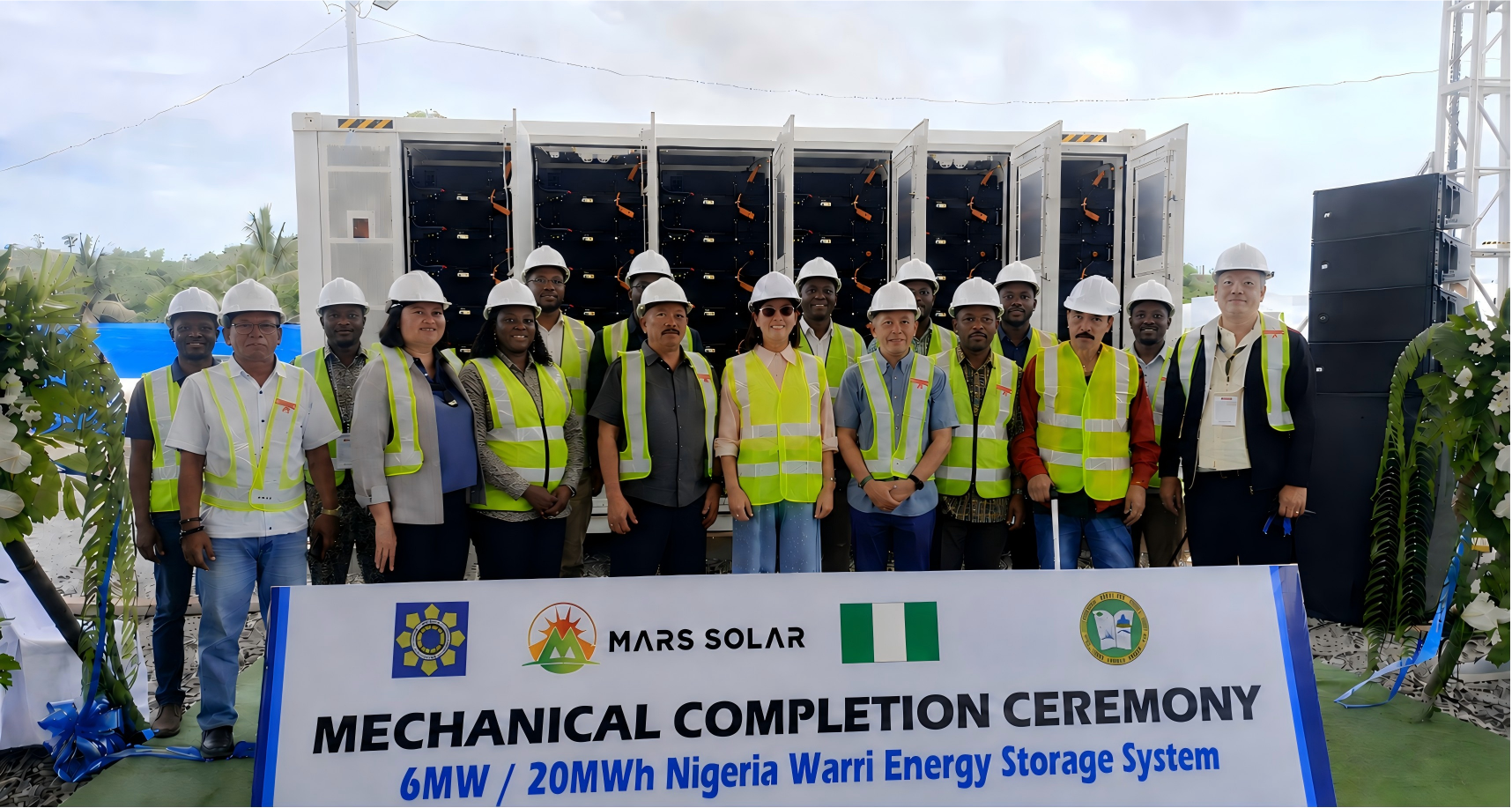 6MW 20MWh Solar Storage in Nigeria Factory + Farm + Residential Case StudyA 6MW solar PV + 20MWh LFP battery storage system in Nigeria powers an integrated factory, farm, and residential complex. The system delivers $108,000+ in monthly electricity savings, reaches payback in approximately 24 months, and provides 25 years of renewable power. This case study covers the engineering configuration, financial model, and operational performance of one of West Africa's most ambitious factory + farm + residential solar deployments.
Do you like ?0
Read more -
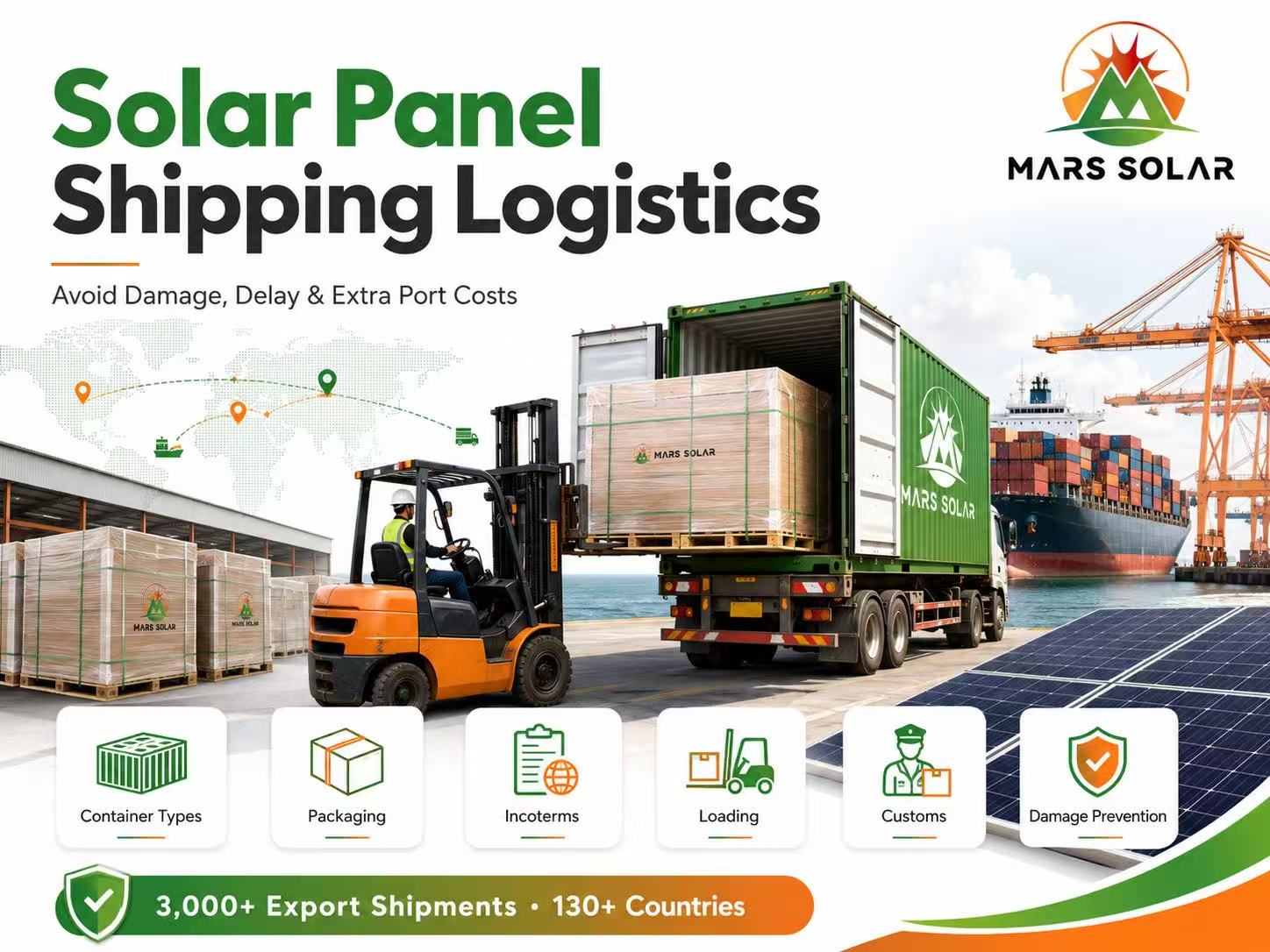 Solar Panel Shipping & Container Loading: The 2026 Complete GuideThe solar panels leaving the factory are perfect. By the time they arrive at your warehouse, 3–7% might be damaged, delivery could be 2 weeks late, and demurrage at the destination port could wipe out your margin. This 2026 guide covers container types (2
Do you like ?0
Read more -
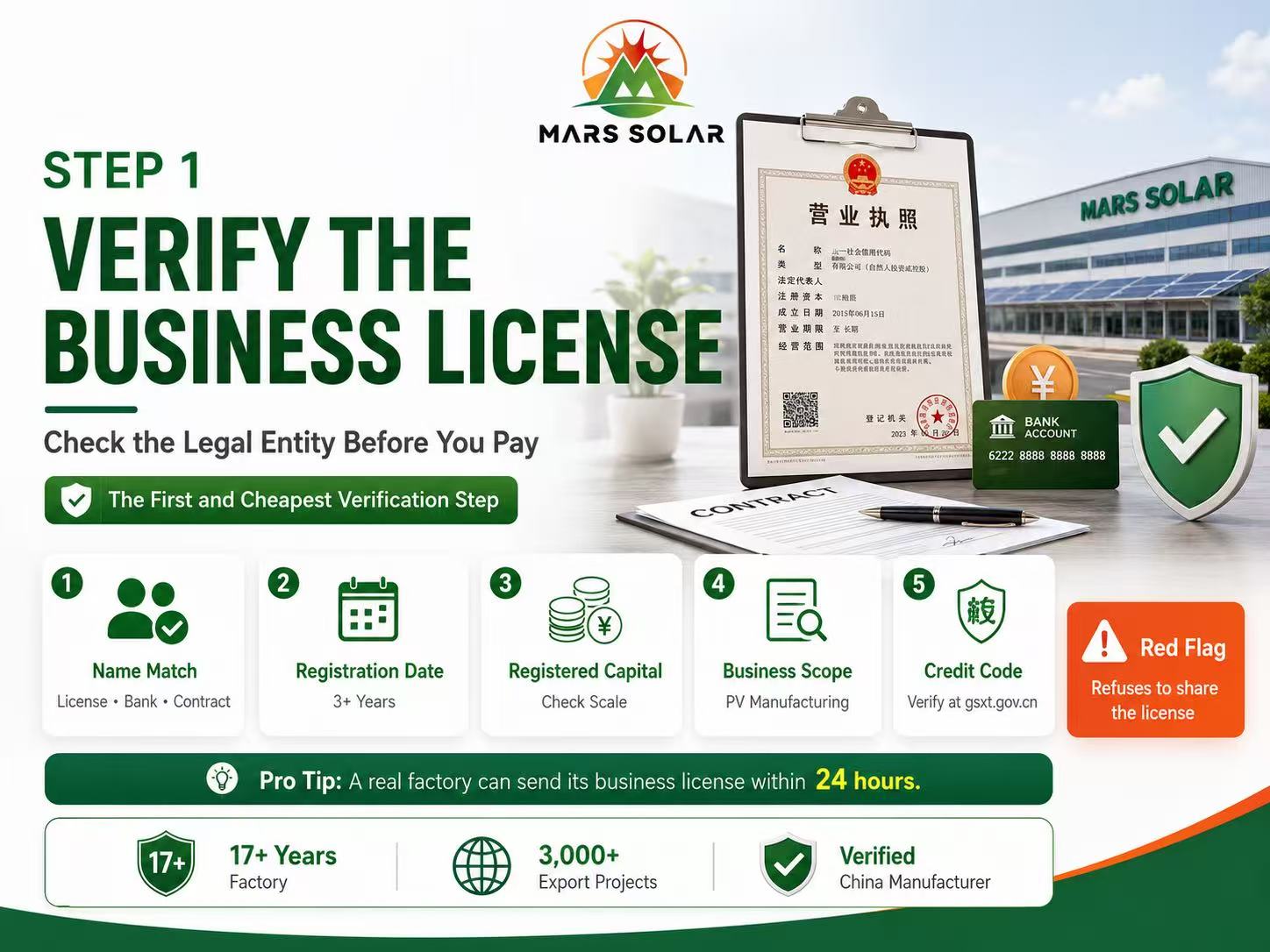 Solar Panel Factory Verification: The 7-Step Due Diligence GuideEvery year, international solar buyers lose millions to fraudulent suppliers — fake certificates, empty factories, and panels that don't match spec. This 7-step verification guide shows you exactly how to qualify any China solar factory before you wire mo
Do you like ?0
Read more -
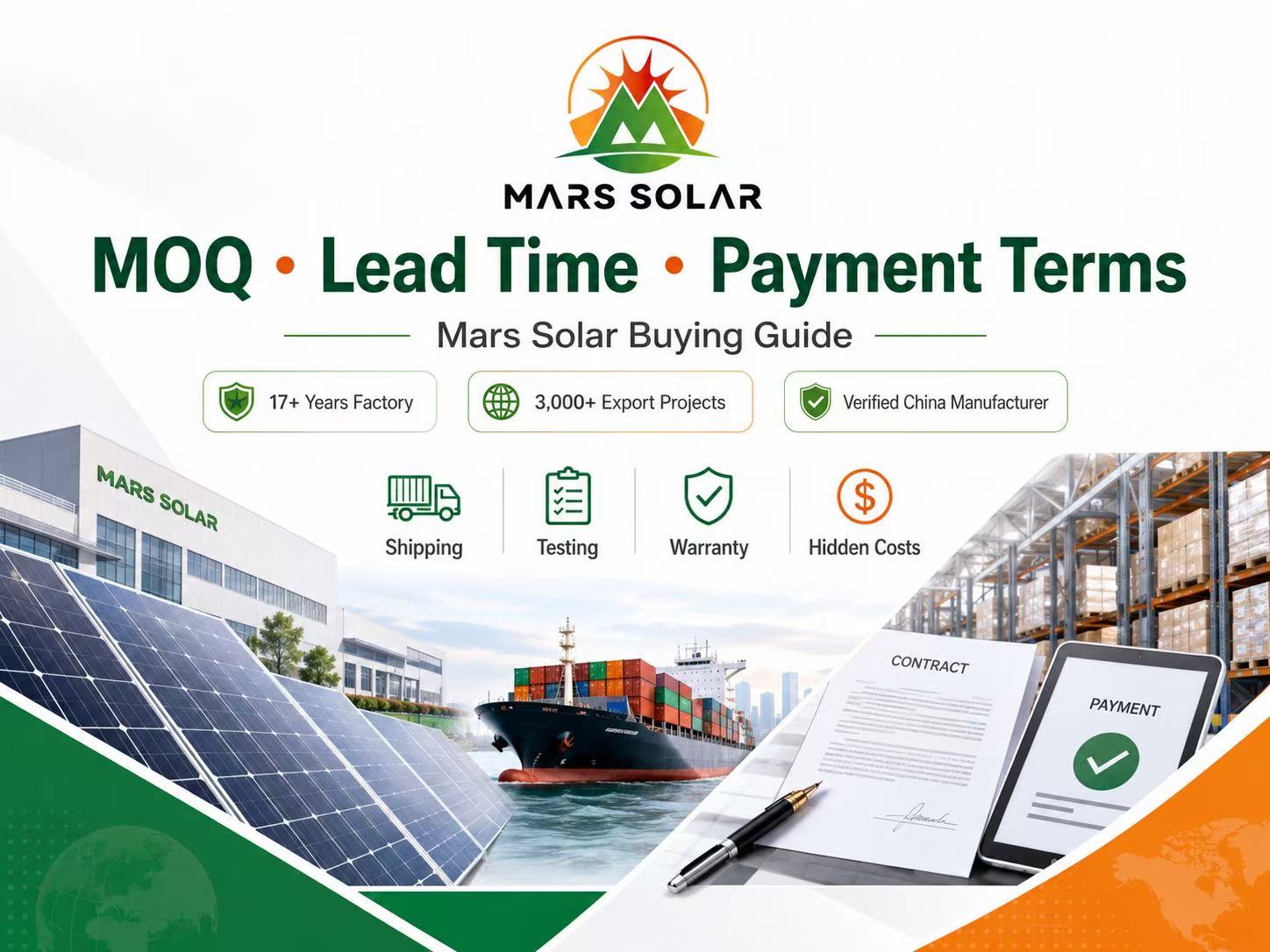 Solar Panel MOQ, Lead Time & Payment Terms: The Complete 2026 Buyer's GuideMOQ, lead time, and payment terms are the 3 questions every solar buyer asks — and the 3 answers most suppliers hide behind vague emails. This guide gives you complete, honest answers from a verified China factory with 17+ years and 3,000+ export projects
Do you like ?0
Read more -
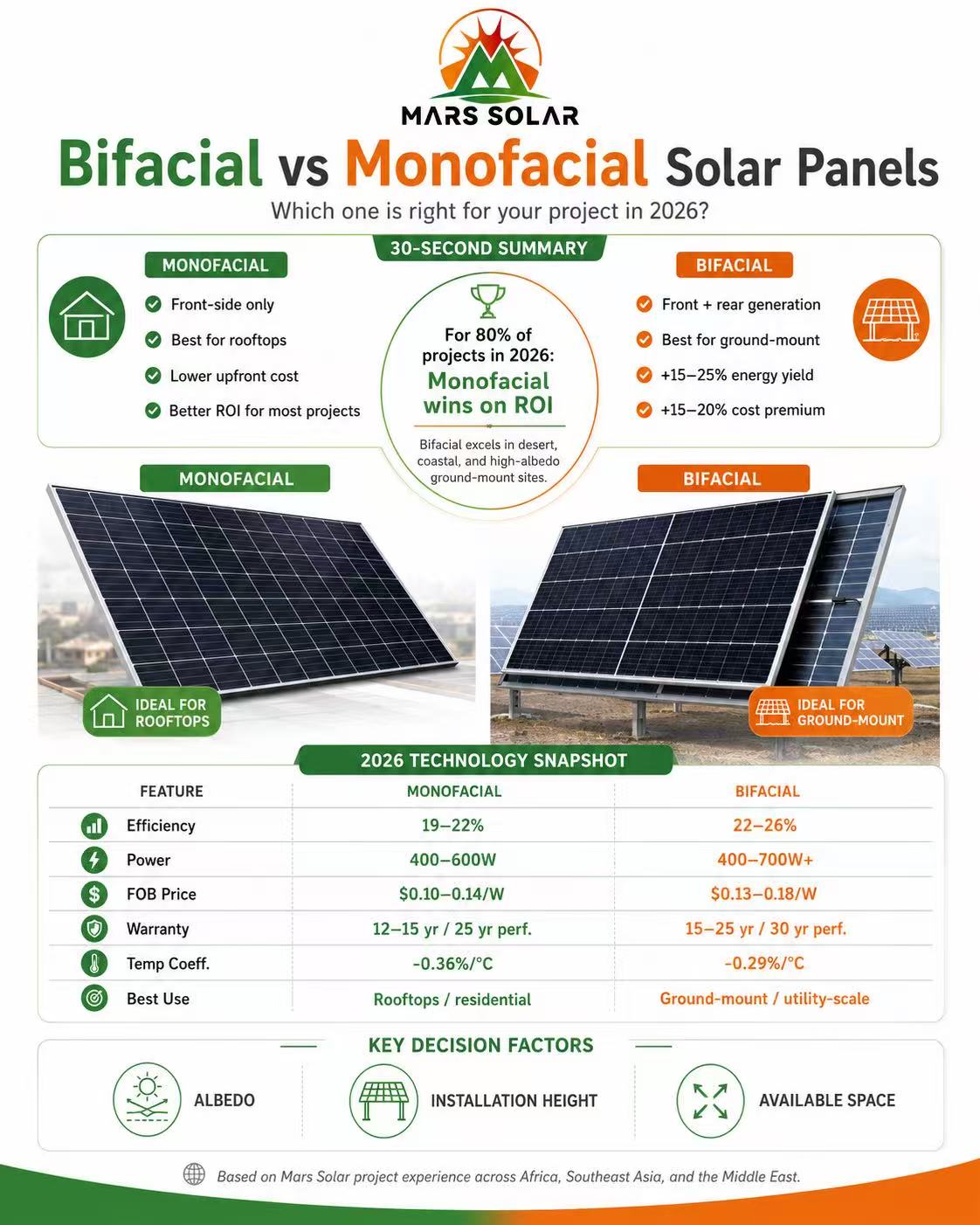 Solar Panel Selection Guide: Monofacial vs. Bifacial — 2026 EditionMonofacial and bifacial solar panels look identical but deliver 15-25% output difference. This 2026 guide compares 15 technical parameters, analyzes 5 real project ROI cases (Nigeria, Philippines, Ghana, Kenya, DRC), and gives you 3 decision frameworks to
Do you like ?0
Read more -
 Top 10 Solar Panel Manufacturers China 2026 | Best BrandsDiscover the top 10 solar panel manufacturers China 2026. Compare Jinko, LONGi, Trina & more. Find Tier 1 suppliers.
Do you like ?0
Read more