How a 250kW Solar + 500kWh Battery System Powers a Zimbabwe Farm —With 10% Lower
Quick answer: A 10KW solar system of this configuration produces about 62KWH per day from 28x360W monocrystalline panels and driven by a 10KW/14.3KVA inverter. Built by Mars Solar (factory since 2008), CE/ROHS certified, 25-year panel life, shipped factory-direct to 130+ countries.
250kW Solar Battery System Powers a Zimbabwe Farm — With 10% Lower Cost
Project Snapshot
|
Metric |
Value |
|
Location |
Commercial farm, Zimbabwe |
|
System |
250kW solar PV + 500kWh Li-ion BESS |
|
Battery Design |
Rack-mounted (indoor) — replacing outdoor cabinet spec |
|
Cost Savings |
~10% reduction vs. outdoor cabinet design |
|
Engineering |
On-site engineer for full installation guidance |
|
Diesel Reduction |
>80% reduction |
Why This Project Matters
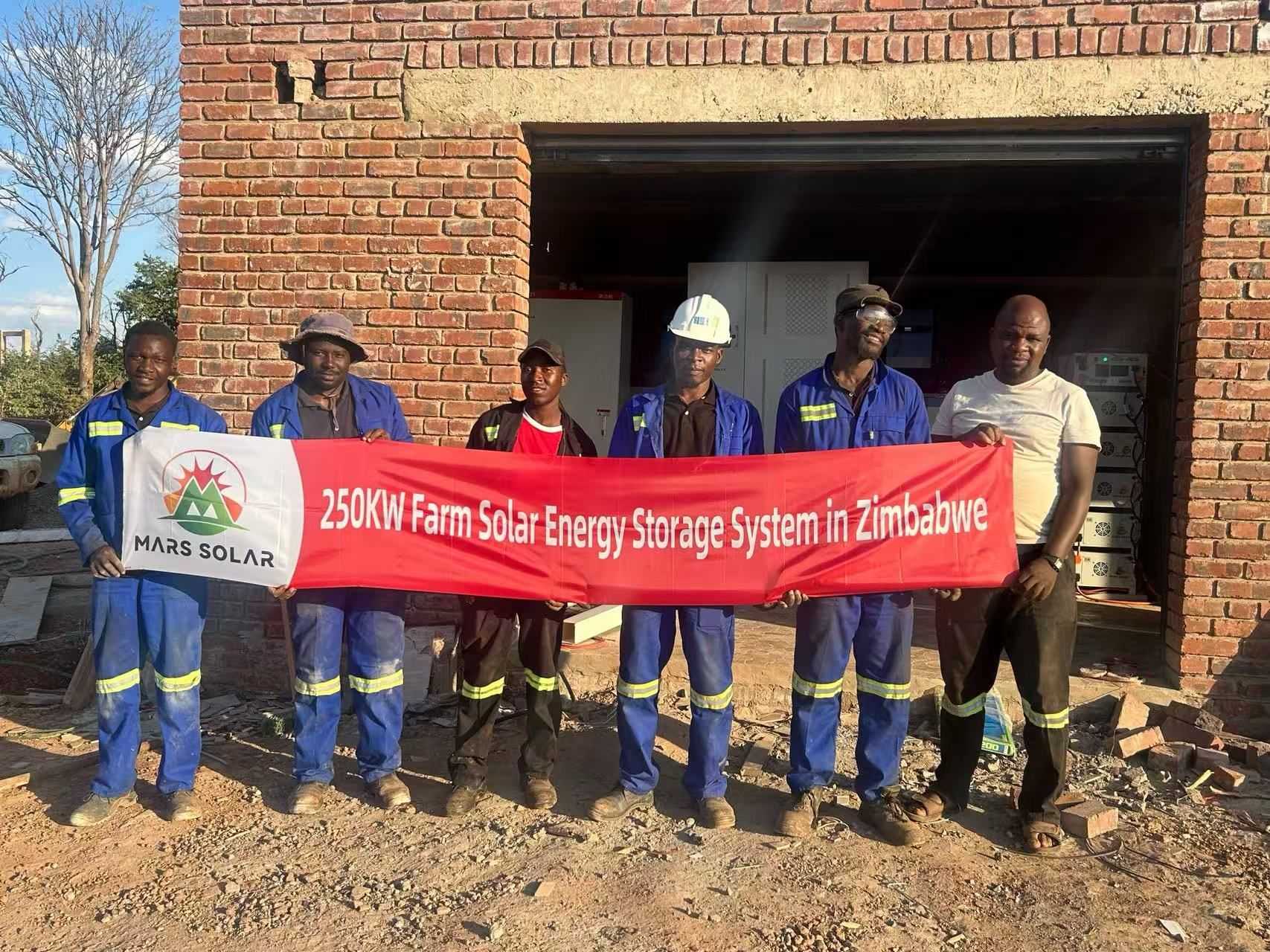
This 250kW solar battery system paired with 500kWh of storage is a real project on a commercial farm in Zimbabwe. The engineering team swapped traditional outdoor battery cabinets for indoor rack-mounted batteries, cutting total project cost by 10% while maintaining full reliability. For EPCs, developers, and farm owners evaluating solar storage in Africa, this case study documents the design decisions, cost trade-offs, and commissioning approach behind that result.
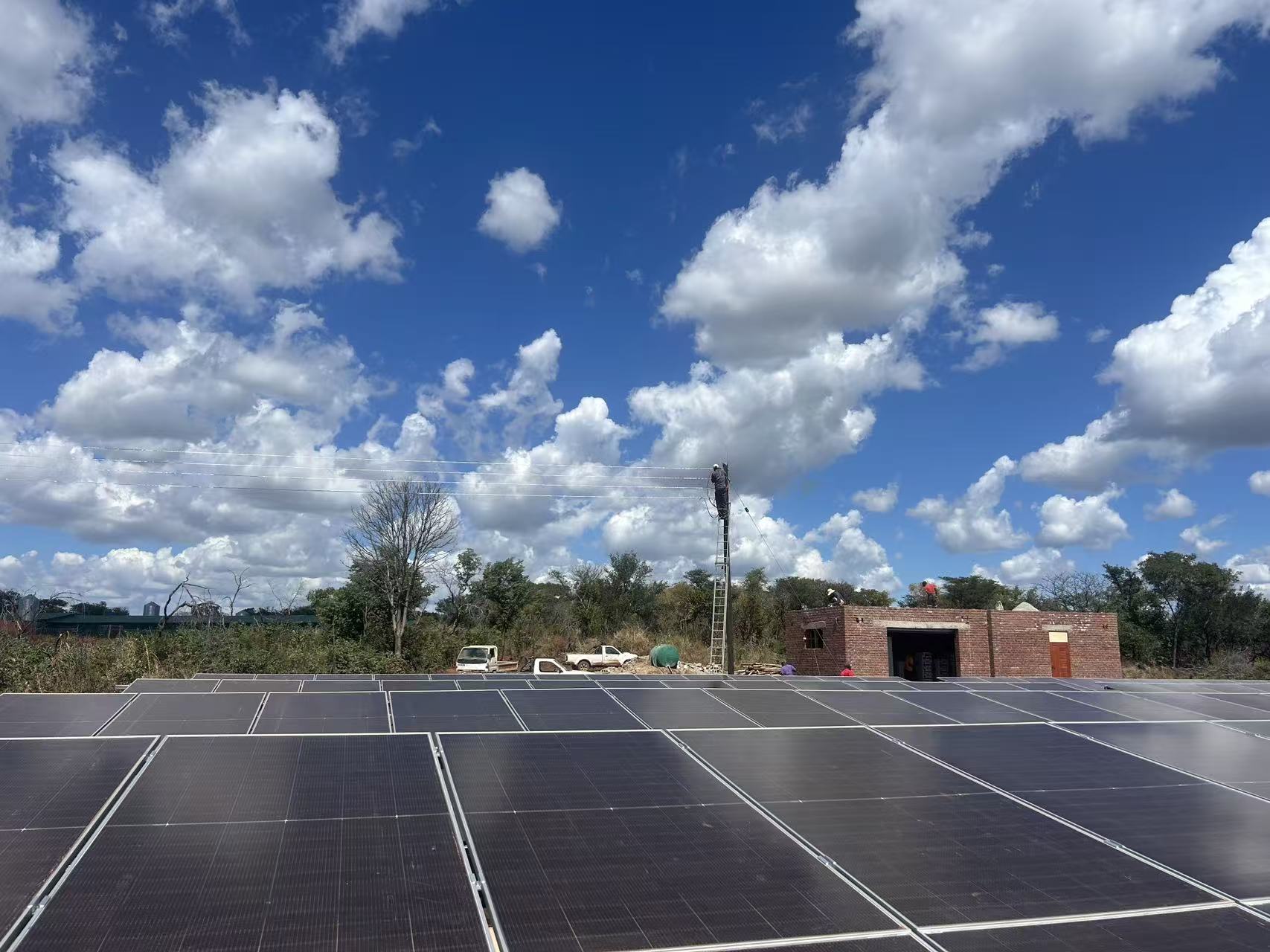
Rack-Mounted Battery vs Outdoor Cabinet: The 10% Cost Gap
What Are Outdoor Battery Cabinets?
Outdoor battery cabinets are all-in-one weatherproof enclosures designed for direct outdoor placement. They include IP55/IP65 rated steel enclosures, integrated HVAC or fan-based thermal management, fire suppression systems, and pre-wired cable routing. They’re plug-and-play and popular where indoor space is unavailable.
What Are Rack-Mounted Battery Systems?
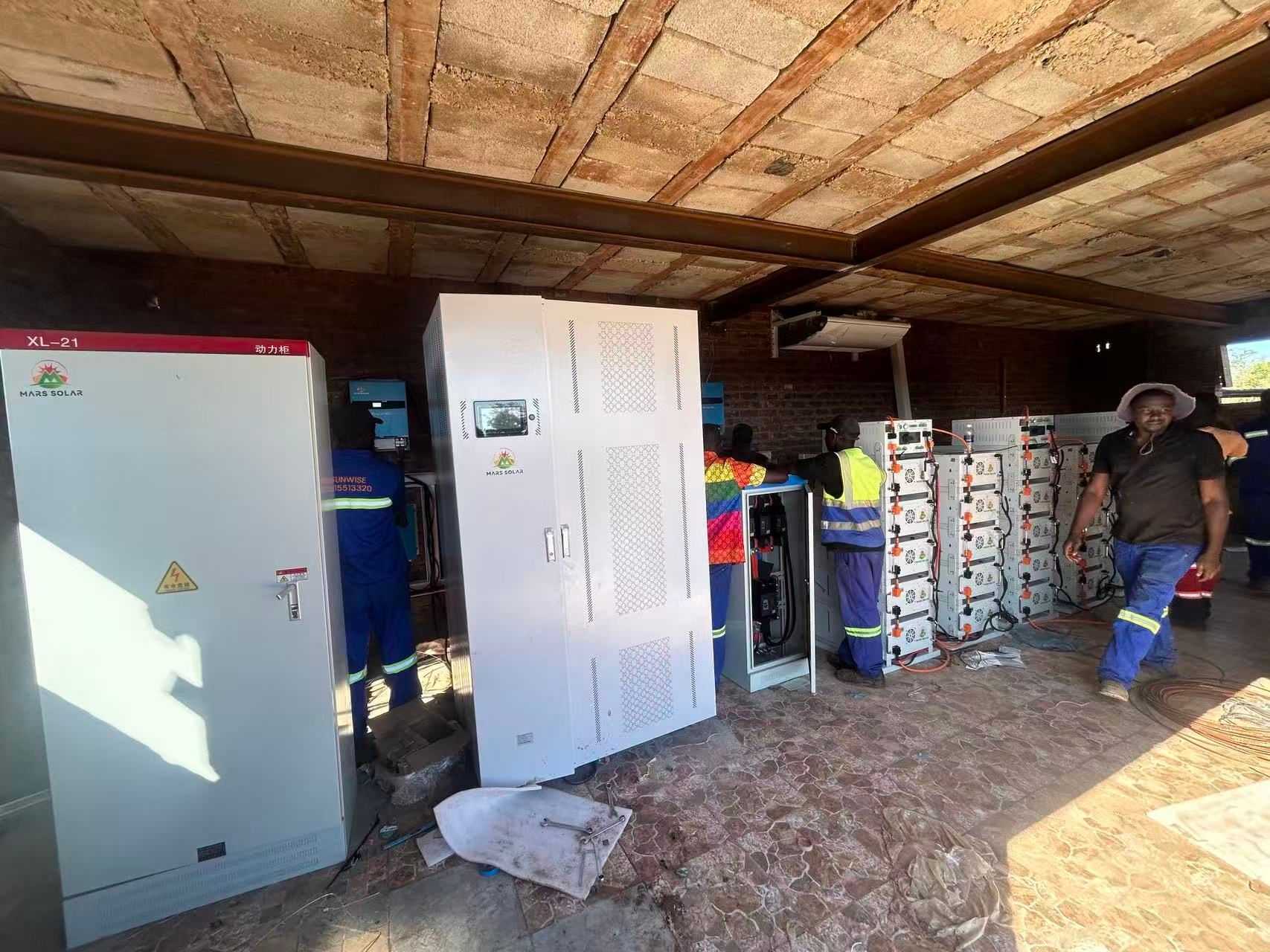
Rack-mounted battery systems use modular battery modules installed in standard 19-inch or custom racks inside a dedicated room or container. Each rack houses multiple modules, a BMS, and wiring. They ship as dense palletized modules instead of bulky cabinets.
Cost Comparison
|
Factor |
Outdoor Cabinet |
Rack-Mounted |
|
Enclosure cost |
High (IP65 steel, HVAC, fire suppression) |
Low (standard rack, shared room) |
|
Thermal management |
Per-cabinet HVAC units |
Centralized room ventilation |
|
Shipping volume |
Large, bulky cabinets |
Dense palletized modules |
|
Installation labor |
Heavy lift, crane often needed |
Manual placement, simpler wiring |
|
Per-kWh cost |
Higher |
Lower (8–12% savings) |
The trade-off: rack systems occupy more floor space than compact outdoor cabinets. On this project the farm had a dedicated equipment room, making rack-mount the clear choice. For space-constrained sites, outdoor cabinets remain the better fit.
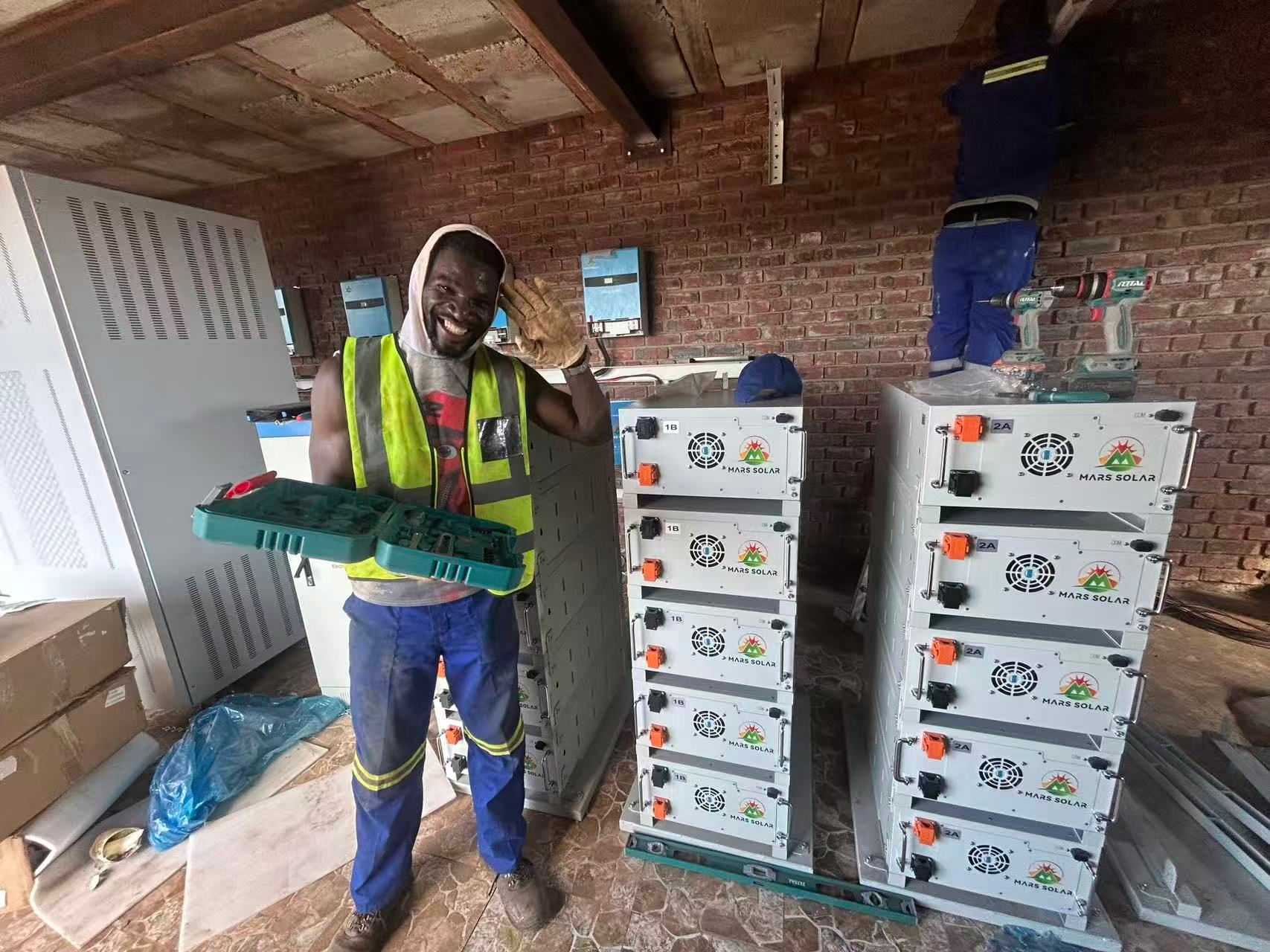
On-Site Solar Engineer Installation in Africa
A key differentiator was sending a qualified engineer to site for full installation guidance. Here’s why this matters for African solar projects:
- Local team upskilling — trained technicians on BMS commissioning, wiring standards, and safety protocols
- Commissioning quality — real-time troubleshooting prevents costly call-backs
- Safety compliance — proper grounding, overcurrent protection, and emergency disconnects for systems above 100kWh
- Faster handover — equipment delivery to full commissioning in under two weeks
For EPC companies, offering on-site engineering support builds trust and reduces long-term O&M risk. It’s a competitive advantage in the African solar market.
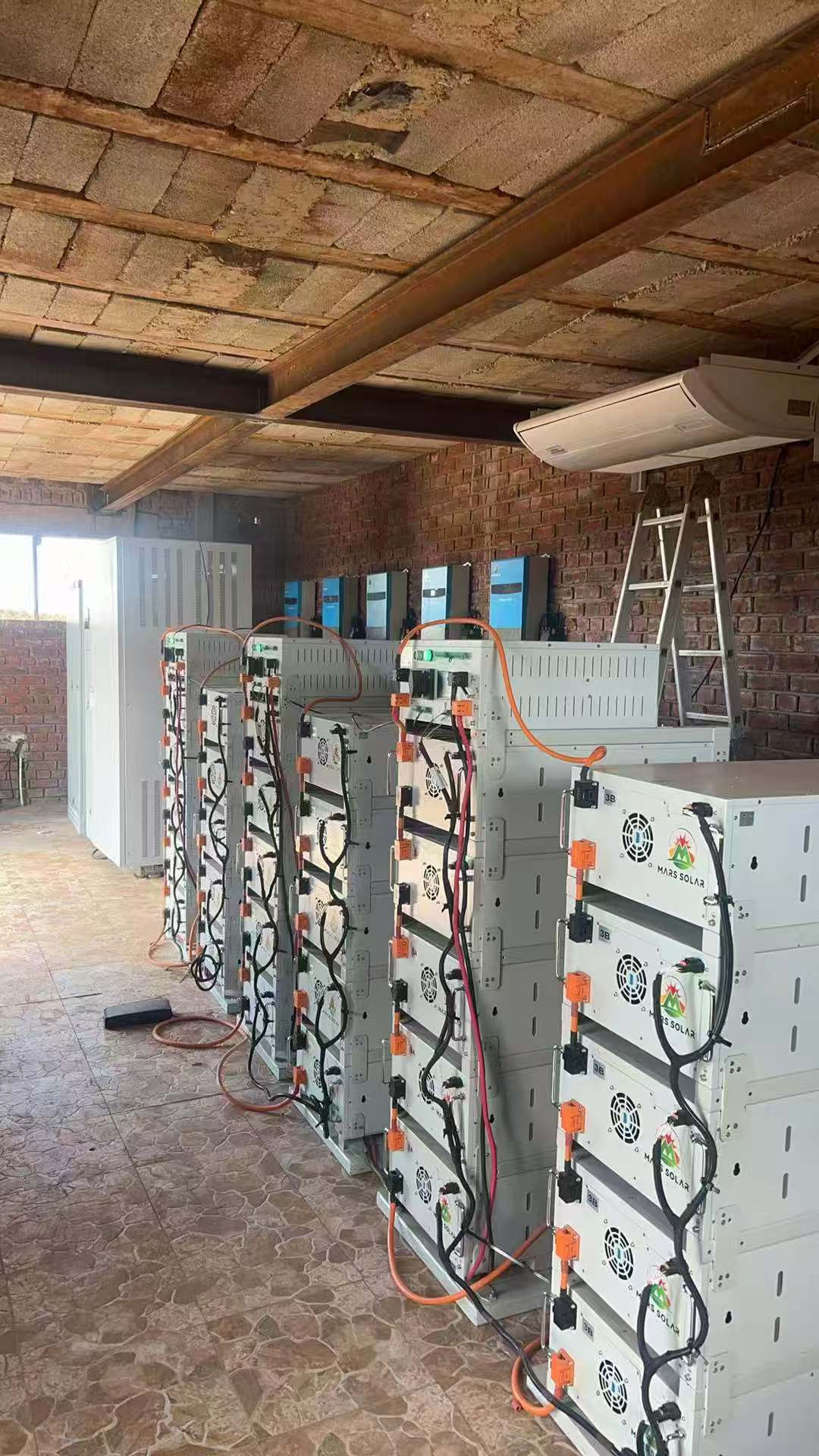
Solar Battery Selection Guide for Farm Projects
Choose Rack-Mounted When:
- Indoor or container space is available
- Project budget is the primary constraint
- You need modular, scalable battery architecture
- Shipping costs matter (rack modules pack more densely)
Choose Outdoor Cabinets When:
- No indoor space is available
- Rapid plug-and-play deployment is critical
- Site conditions are extremely harsh (dust, rain, heat)
- You need a self-contained, tamper-resistant unit
FAQ: Solar Battery Storage for African Farms
How much does a 250kW + 500kWh solar battery system cost?
Costs vary by region, component brand, and battery chemistry. Rack-mounted designs typically reduce battery system cost by 8–12% compared to outdoor cabinets. Contact us for a project-specific quotation.
What is the lifespan of a 500kWh rack-mounted battery system?
Modern LFP rack-mounted batteries deliver 6,000–8,000 cycles at 80% depth of discharge, translating to 15–20 years of service life in daily cycling applications.
Can rack-mounted batteries be used outdoors?
Rack-mounted systems are designed for indoor or sheltered environments. For outdoor deployment, install them inside a weatherproof container or room with proper ventilation and climate control.
Why send an engineer on-site instead of remote support?
On-site engineers catch installation issues in real time, train local teams, ensure safety compliance, and accelerate commissioning. For 100kWh+ systems, the cost of an engineer visit is far lower than a faulty commissioning.
Is a 250kW solar system enough for a commercial farm?
A 250kW system powers irrigation pumps (30–75kW each), cold storage, and processing equipment for a medium-to-large farm. Adding 500kWh of battery storage extends solar into nighttime hours, reducing or eliminating diesel generator use.
What is the difference between rack-mounted and cabinet batteries?
Rack-mounted batteries are modular indoor units offering lower per-kWh cost and easier scaling. Cabinet batteries are self-contained outdoor units with integrated weatherproofing and cooling, ideal for space-constrained or harsh sites.
Key Takeaways
- Rack-mounted batteries cut project cost by ~10% when indoor space is available
- 500kWh storage at 250kW generation eliminates >80% of diesel dependency
- On-site engineering support ensures quality commissioning and faster handover
- Space is the trade-off — rack systems need a dedicated room
- LFP chemistry + proper thermal design delivers 15–20 year battery life in African conditions
We design and deliver solar battery storage systems for commercial and industrial projects across Africa. From 50kW microgrids to 1MW+ installations, our engineering team provides on-site support, local training, and remote monitoring.
Get a Free Project Assessment →
https://www.solarpowermanufacturer.com/contact-us/
-
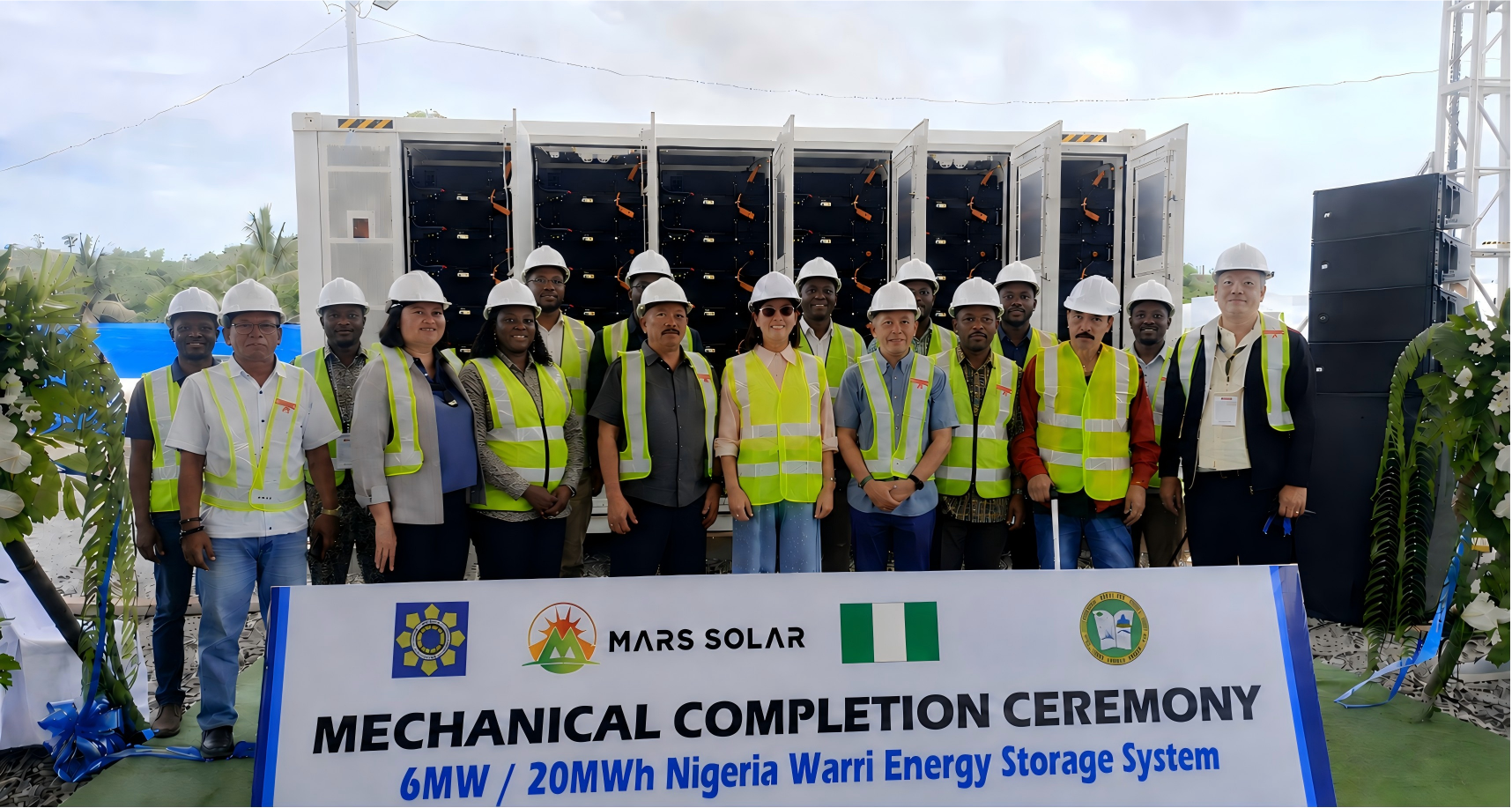 6MW 20MWh Solar Storage in Nigeria Factory + Farm + Residential Case StudyA 6MW solar PV + 20MWh LFP battery storage system in Nigeria powers an integrated factory, farm, and residential complex. The system delivers $108,000+ in monthly electricity savings, reaches payback in approximately 24 months, and provides 25 years of renewable power. This case study covers the engineering configuration, financial model, and operational performance of one of West Africa's most ambitious factory + farm + residential solar deployments.
Do you like ?0
Read more -
 Solar Panel Shipping & Container Loading: The 2026 Complete GuideThe solar panels leaving the factory are perfect. By the time they arrive at your warehouse, 3–7% might be damaged, delivery could be 2 weeks late, and demurrage at the destination port could wipe out your margin. This 2026 guide covers container types (2
Do you like ?0
Read more -
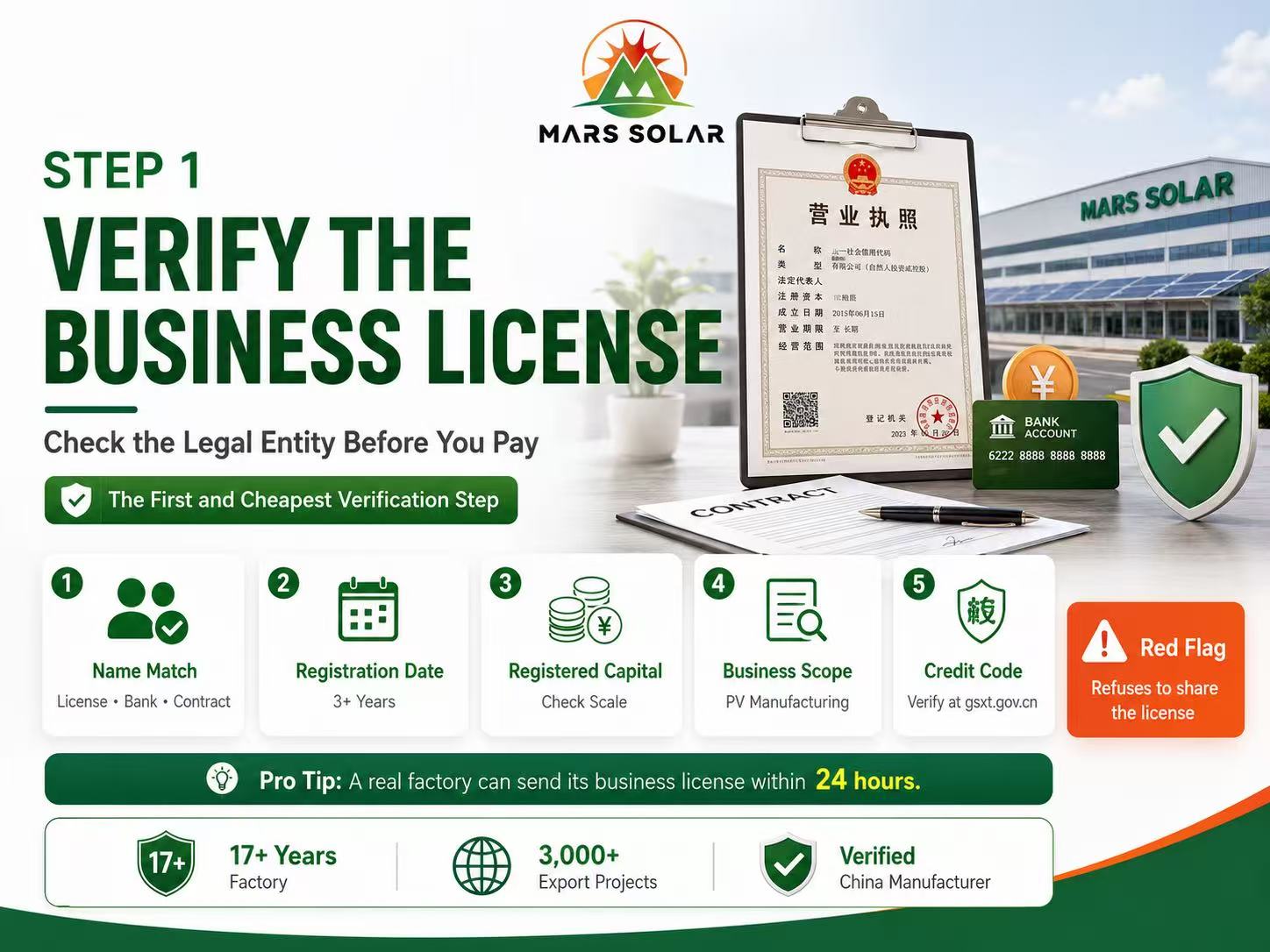 Solar Panel Factory Verification: The 7-Step Due Diligence GuideEvery year, international solar buyers lose millions to fraudulent suppliers — fake certificates, empty factories, and panels that don't match spec. This 7-step verification guide shows you exactly how to qualify any China solar factory before you wire mo
Do you like ?0
Read more -
 Solar Panel MOQ, Lead Time & Payment Terms: The Complete 2026 Buyer's GuideMOQ, lead time, and payment terms are the 3 questions every solar buyer asks — and the 3 answers most suppliers hide behind vague emails. This guide gives you complete, honest answers from a verified China factory with 17+ years and 3,000+ export projects
Do you like ?0
Read more -
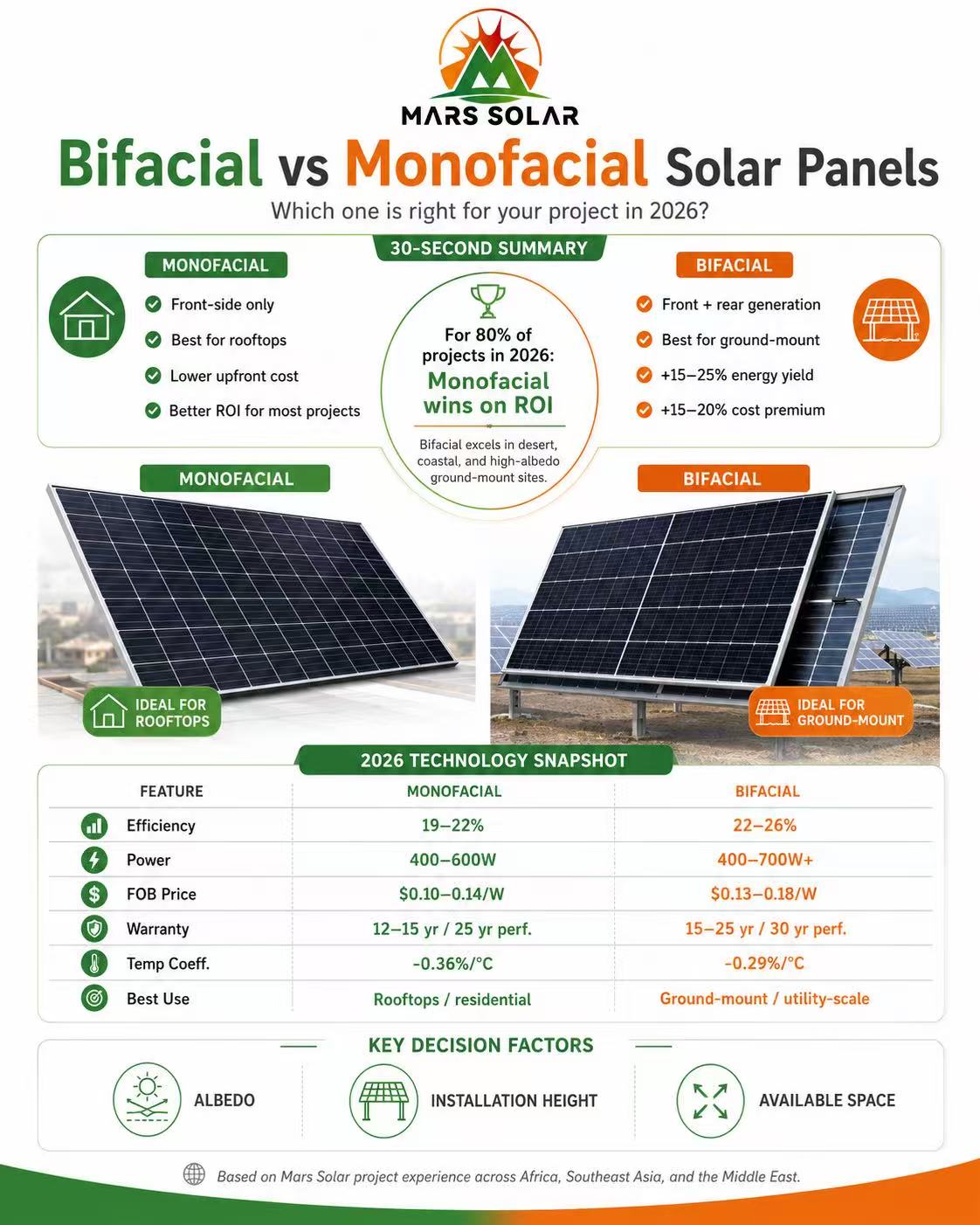 Solar Panel Selection Guide: Monofacial vs. Bifacial — 2026 EditionMonofacial and bifacial solar panels look identical but deliver 15-25% output difference. This 2026 guide compares 15 technical parameters, analyzes 5 real project ROI cases (Nigeria, Philippines, Ghana, Kenya, DRC), and gives you 3 decision frameworks to
Do you like ?0
Read more -
 Top 10 Solar Panel Manufacturers China 2026 | Best BrandsDiscover the top 10 solar panel manufacturers China 2026. Compare Jinko, LONGi, Trina & more. Find Tier 1 suppliers.
Do you like ?0
Read more