Quick answer: A 3KW solar system of this configuration produces about 19.8KWH per day from 10x330W monocrystalline panels and driven by a 3KW/4.2KVA inverter. Built by Mars Solar (factory since 2008), CE/ROHS certified, 25-year panel life, shipped factory-direct to 130+ countries.
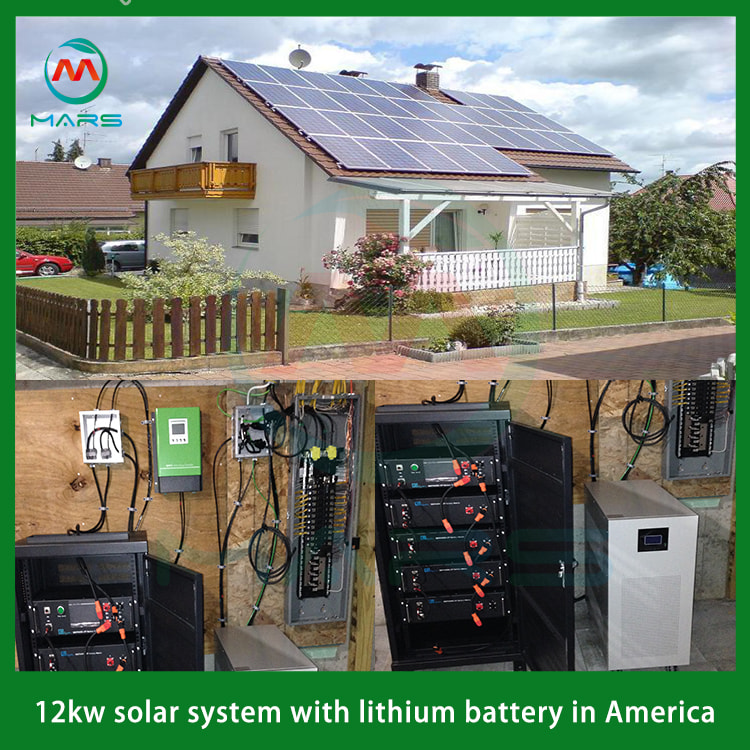
The turn of spring and summer is a period of frequent strong convective weather, and the subsequent hot summer is accompanied by high temperature, heavy rain and thunder and other weather, and the Solar Package For Home power station on the roof has undergone multiple tests. So, how do we usually take countermeasures to ensure the stable operation of photovoltaic power plants and ensure profits?
for summer heat
1. Pay attention to cleaning and cleaning the shelters on the power station, so that the components are always in a state of ventilation and heat dissipation.
2. Please clean the power station in the early morning or evening, avoid exposure to the sun and high temperature at noon and afternoon, because the sudden cooling will cause the temperature difference of the glass plate of the module, and there may be cracks on the surface of the panel. Therefore, it is necessary to choose early morning and evening when the temperature is lower.
3. High temperature may cause the aging of the internal components of the inverter, so it is very important to ensure that the inverter has good ventilation and heat dissipation conditions. The inverters are basically installed outdoors. During installation, SKYWORTH puts the inverters in a cool place to avoid direct sunlight, such as the back of the module and under the eaves. A cover plate will be added for outdoor installations to fully ensure the ventilation of the inverters. and heat dissipation.
rainstorm for summer
A lot of rainwater will soak the cables and components, which will reduce the insulation performance. If it is damaged, it will directly lead to the inability to generate electricity.
If your house has a sloping roof, it will have a strong drainage capacity, please don't worry;
If it is a flat roof, frequent inspections of the power station are required. Note: During inspection operation and maintenance in rainy days, avoid electrical operations with bare hands, do not directly touch the inverter, components, cables, and terminals, etc., you need to wear rubber gloves and rubber boots to reduce the risk of electric shock.
-
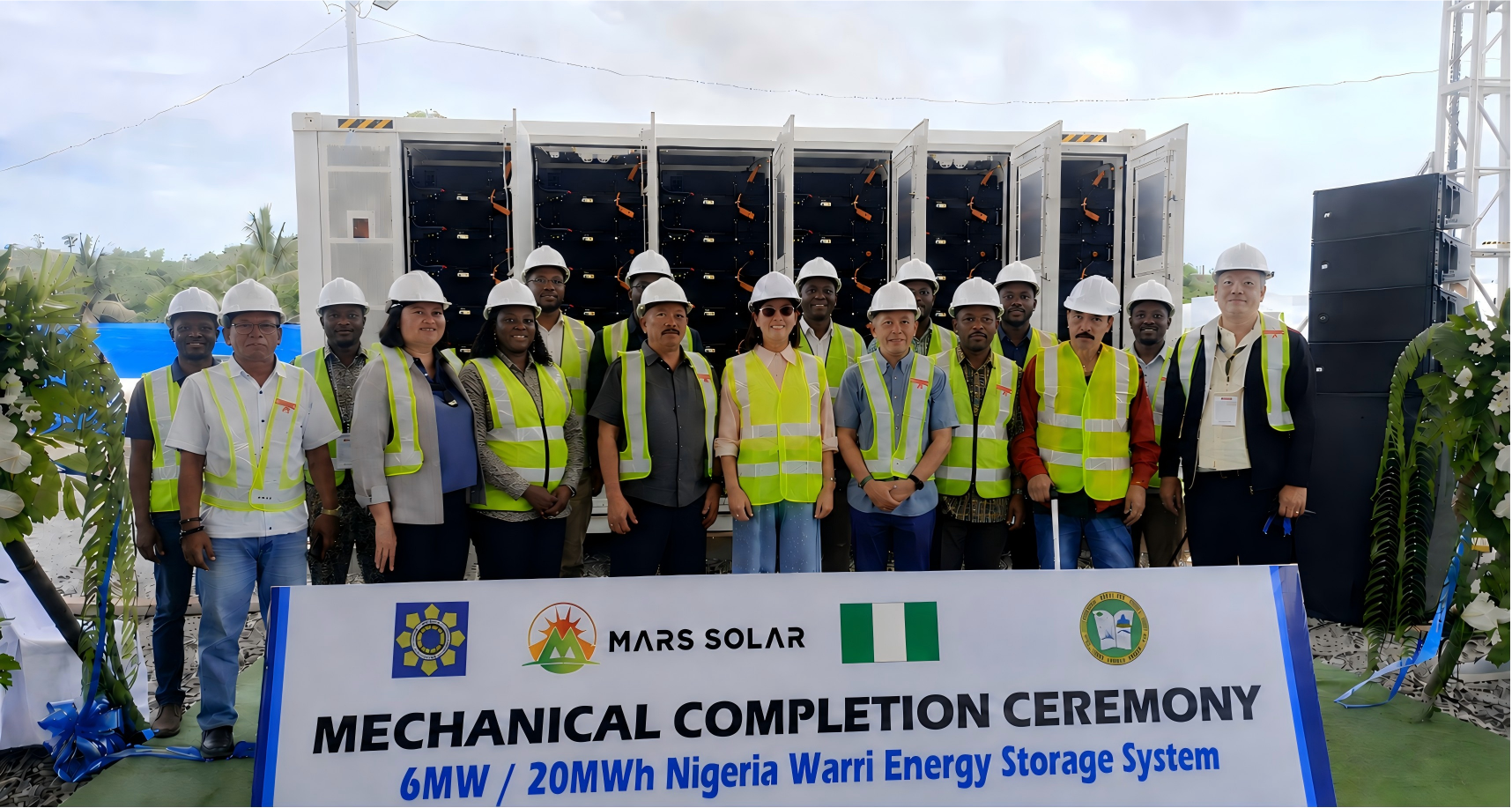 6MW 20MWh Solar Storage in Nigeria Factory + Farm + Residential Case StudyA 6MW solar PV + 20MWh LFP battery storage system in Nigeria powers an integrated factory, farm, and residential complex. The system delivers $108,000+ in monthly electricity savings, reaches payback in approximately 24 months, and provides 25 years of renewable power. This case study covers the engineering configuration, financial model, and operational performance of one of West Africa's most ambitious factory + farm + residential solar deployments.
Do you like ?0
Read more -
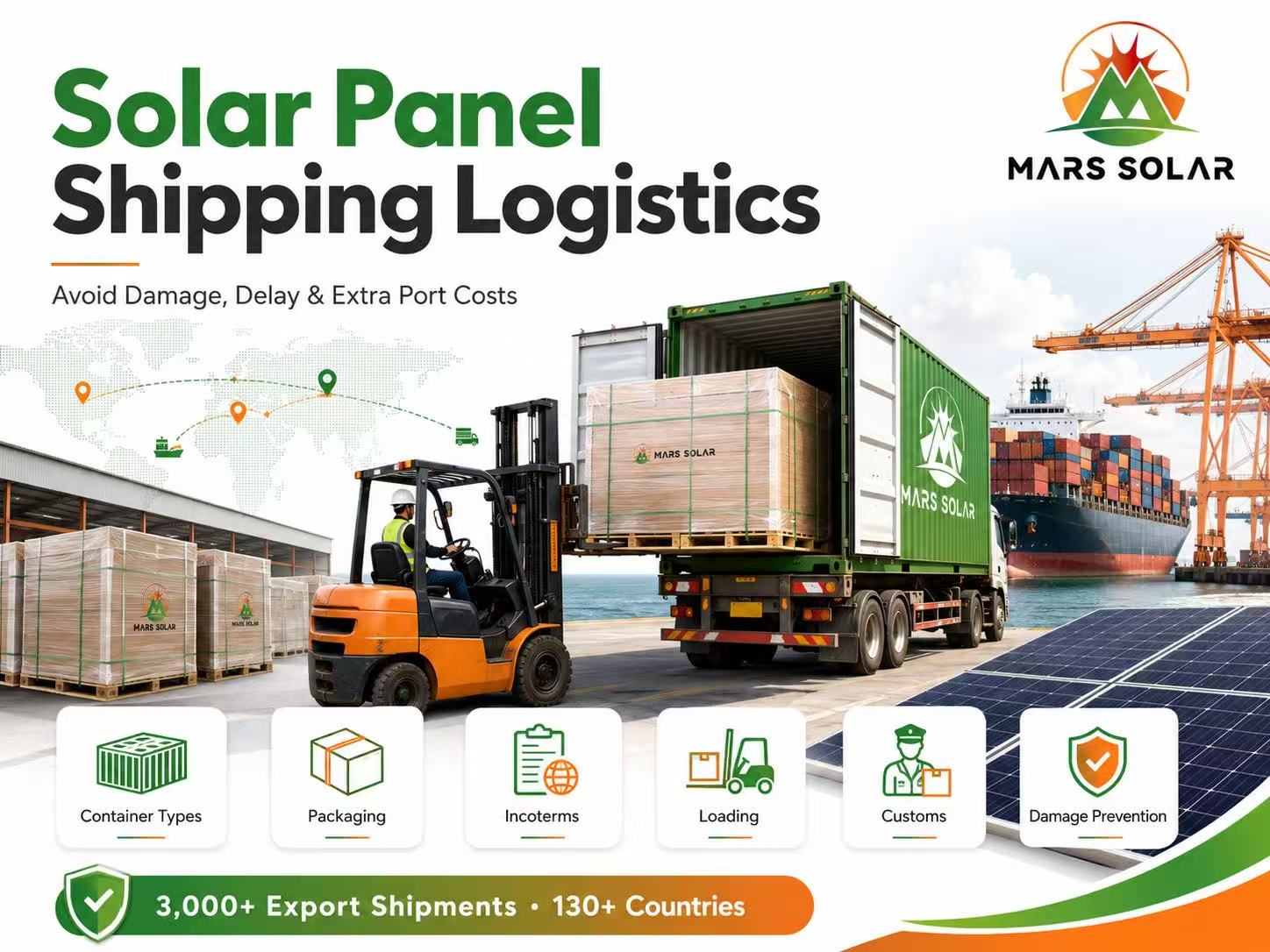 Solar Panel Shipping & Container Loading: The 2026 Complete GuideThe solar panels leaving the factory are perfect. By the time they arrive at your warehouse, 3–7% might be damaged, delivery could be 2 weeks late, and demurrage at the destination port could wipe out your margin. This 2026 guide covers container types (2
Do you like ?0
Read more -
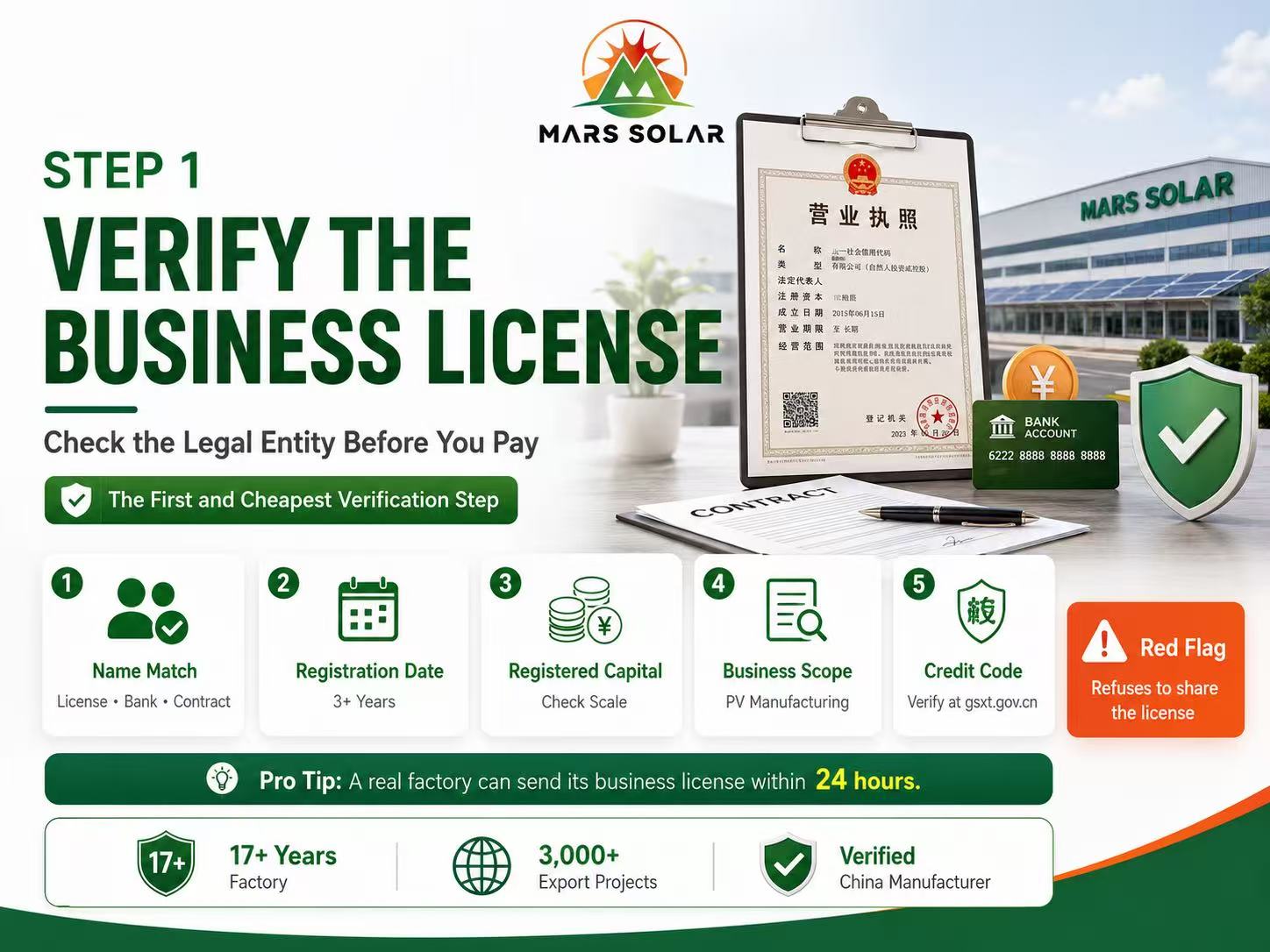 Solar Panel Factory Verification: The 7-Step Due Diligence GuideEvery year, international solar buyers lose millions to fraudulent suppliers — fake certificates, empty factories, and panels that don't match spec. This 7-step verification guide shows you exactly how to qualify any China solar factory before you wire mo
Do you like ?0
Read more -
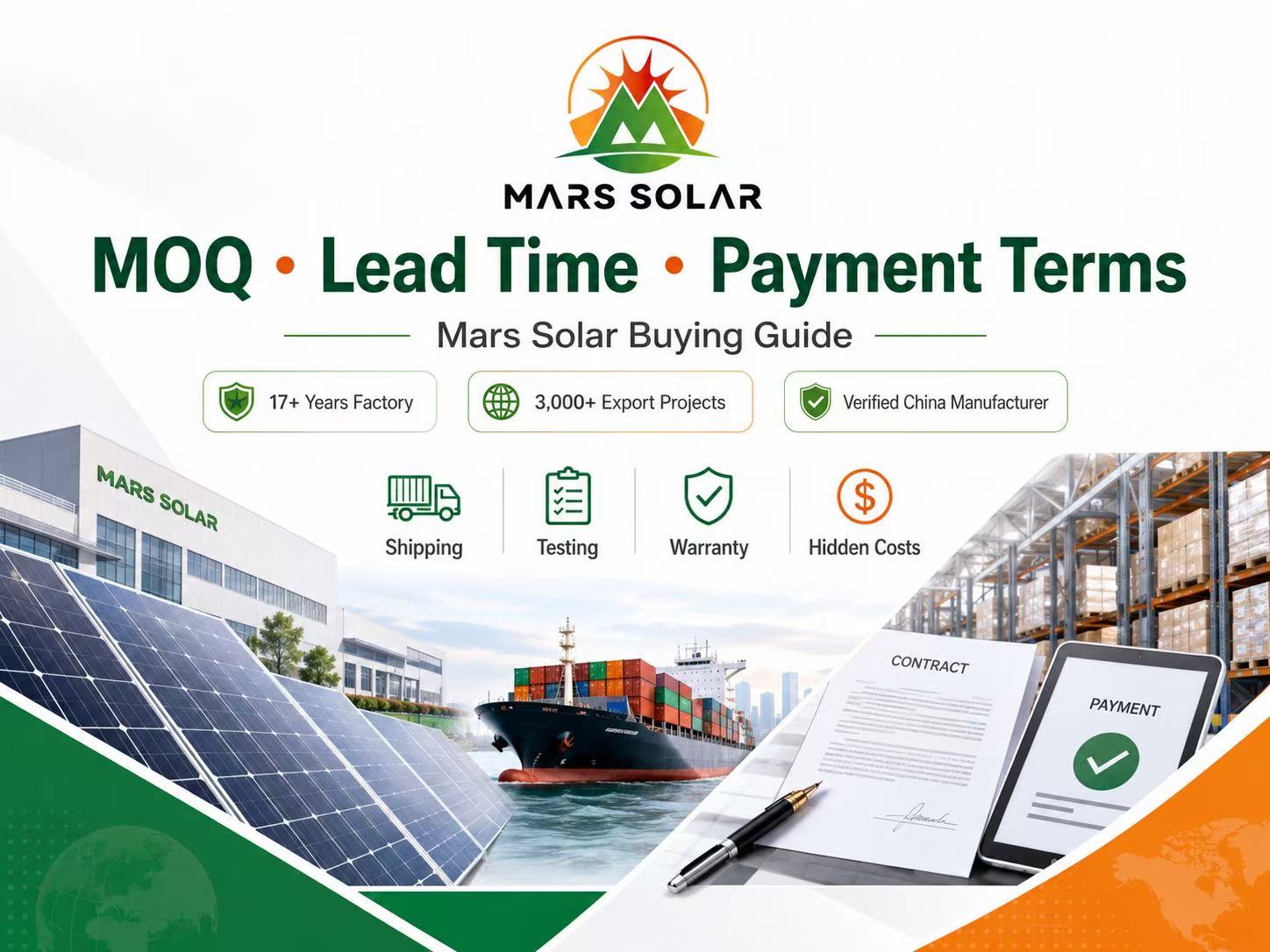 Solar Panel MOQ, Lead Time & Payment Terms: The Complete 2026 Buyer's GuideMOQ, lead time, and payment terms are the 3 questions every solar buyer asks — and the 3 answers most suppliers hide behind vague emails. This guide gives you complete, honest answers from a verified China factory with 17+ years and 3,000+ export projects
Do you like ?0
Read more -
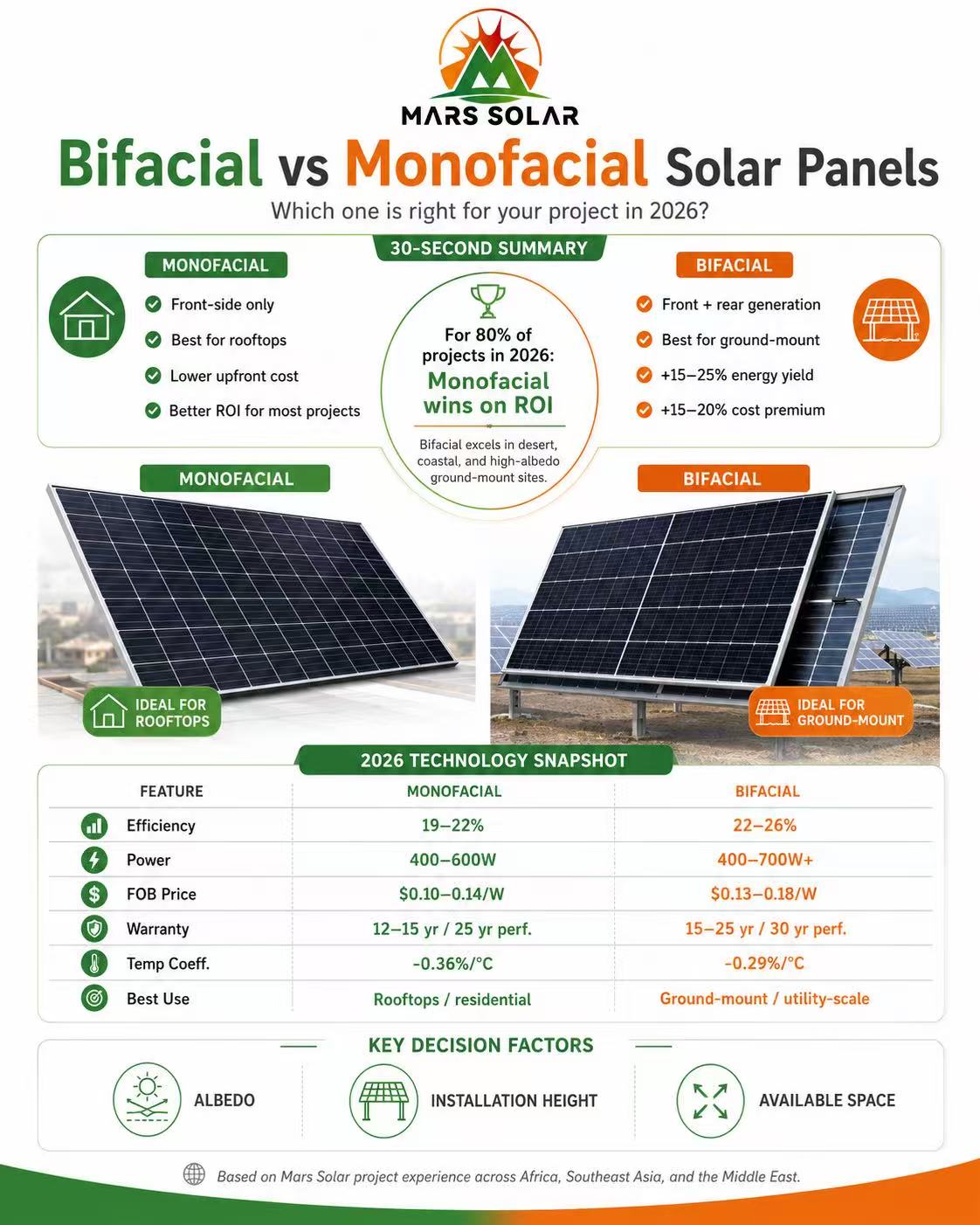 Solar Panel Selection Guide: Monofacial vs. Bifacial — 2026 EditionMonofacial and bifacial solar panels look identical but deliver 15-25% output difference. This 2026 guide compares 15 technical parameters, analyzes 5 real project ROI cases (Nigeria, Philippines, Ghana, Kenya, DRC), and gives you 3 decision frameworks to
Do you like ?0
Read more -
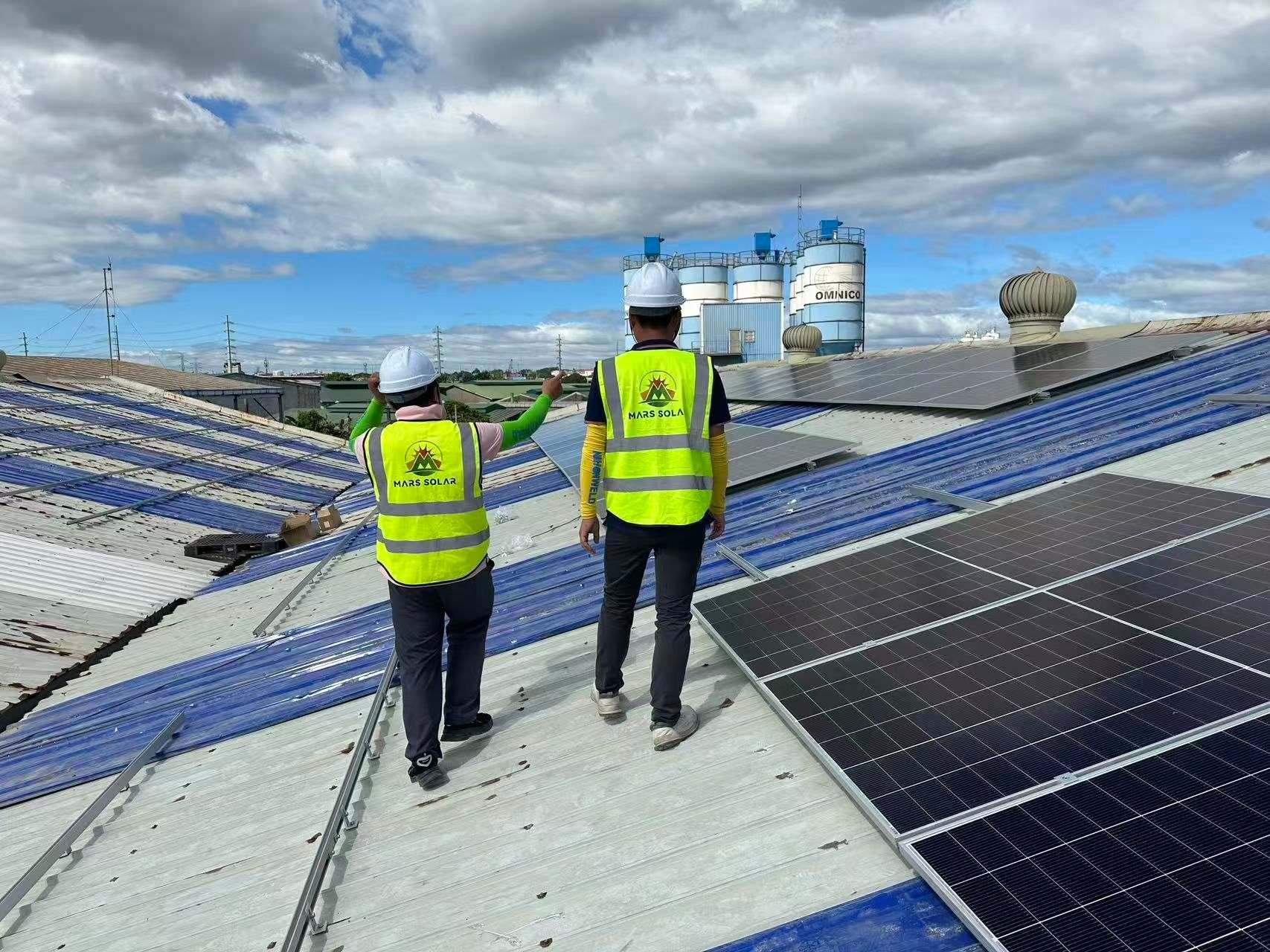 Top 10 Solar Panel Manufacturers China 2026 | Best BrandsDiscover the top 10 solar panel manufacturers China 2026. Compare Jinko, LONGi, Trina & more. Find Tier 1 suppliers.
Do you like ?0
Read more