Turkey's photovoltaic industry hopes to enter the world's top three
Quick answer: A 1KW solar system of this configuration produces about 6.3KWH per day from 3x350W monocrystalline panels and driven by a 1KW/1.5KVA inverter. Built by Mars Solar (factory since 2008), CE/ROHS certified, 25-year panel life, shipped factory-direct to 130+ countries.
A few days ago, Turkish solar module manufacturer SmartSolarTechnology stated that the company will invest in the construction of a vertically integrated photovoltaic manufacturing base with a total installed capacity of 2 million kilowatts in Izmir, Turkey's third largest city. The so-called vertically integrated photovoltaic manufacturing base means that the production line covers the main links of the photovoltaic manufacturing end of silicon wafers, cells and modules. It is expected that after the plant is put into operation, it will become the largest photovoltaic Sistemas Solares manufacturing base in Turkey.
According to SmartSolarTechnology, the project has received strong support from the Turkish government. The Turkish government has pledged to allocate USD 400.9 million for the construction of the integrated plant. The construction period is about 4 years. After the project is officially put into production, the imported raw materials required will also be exempted from paying value-added tax and customs duties.
It is understood that in order to achieve the goal of carbon neutrality, in recent years, Turkey has paid more and more attention to the development of renewable energy industries represented by photovoltaics. Under the situation of intensified international geopolitical risks this year, Turkey hopes to further accelerate the development of the photovoltaic industry. For this reason, it has also introduced a series of favorable policies, such as encouraging investment in the construction of major photovoltaic manufacturing lines such as components, and relaxing distributed photovoltaic power plants. Installation standards, financial subsidies for related projects, etc.
Ember, a clean energy think tank, pointed out that recently, due to the overall upward trend in natural gas prices around the world, electricity prices in Turkey have soared. In 2021, the country's total natural gas consumption will reach 61.6 billion cubic meters, setting a new record. Increasing the use of renewable energy can reduce dependence on fossil fuels, reduce their import scale and use. Turkey needs to accelerate investment and deployment of renewable energy such as photovoltaics.
Expanding the production capacity of photovoltaic products is one of the main goals of the Turkish government. Fatih Denmez, Minister of Energy and Natural Resources of Turkey, said that since 2002, the installed capacity of renewable energy in Turkey has grown rapidly, and the photovoltaic industry has developed rapidly since 2014, with the installed capacity increasing from 4,000 kilowatts to 8 million kilowatts. The achievements are obvious, but Turkey's goal is not only to increase the proportion of renewable energy installed capacity, but also to localize photovoltaic manufacturing technology. At present, Turkey has become the largest solar panel manufacturer in Europe and the fourth largest solar panel manufacturer in the world. Turkey hopes to enter the top three in the world's solar panel manufacturing scale.
-
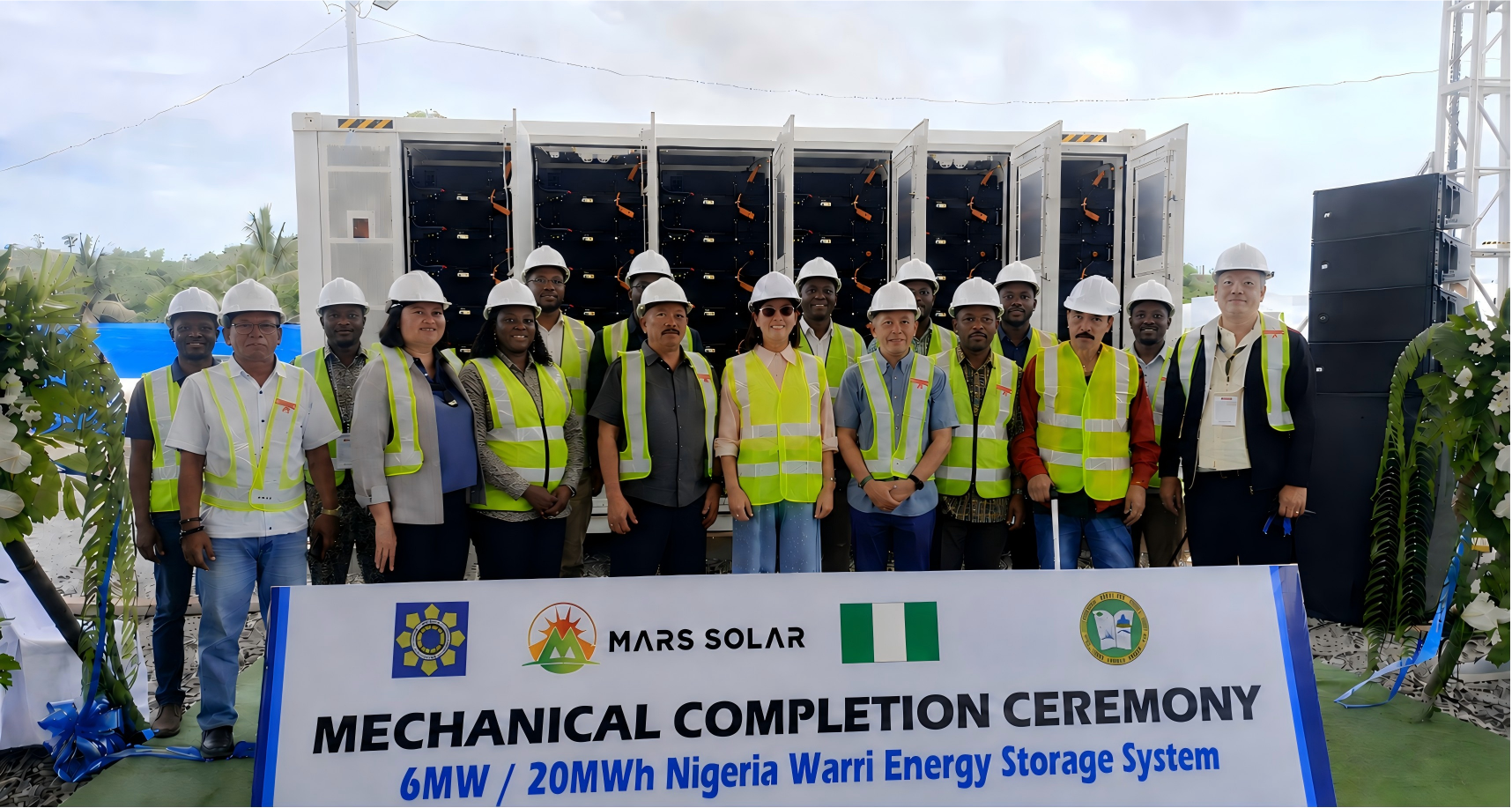 6MW 20MWh Solar Storage in Nigeria Factory + Farm + Residential Case StudyA 6MW solar PV + 20MWh LFP battery storage system in Nigeria powers an integrated factory, farm, and residential complex. The system delivers $108,000+ in monthly electricity savings, reaches payback in approximately 24 months, and provides 25 years of renewable power. This case study covers the engineering configuration, financial model, and operational performance of one of West Africa's most ambitious factory + farm + residential solar deployments.
Do you like ?0
Read more -
Germany's installed capacity demand will reach 11GW and 70GW in 2023As one of the leading countries in the European photovoltaic market, Germany's new installed capacity will reach 11GW in 2023. Looking back at the installed capacity data from January to October 2022, the new installed capacity in German
Do you like ?0
Read more