Quick answer: A 10KW solar system of this configuration produces about 62KWH per day from 28x360W monocrystalline panels and driven by a 10KW/14.3KVA inverter. Built by Mars Solar (factory since 2008), CE/ROHS certified, 25-year panel life, shipped factory-direct to 130+ countries.
India's coal-fired power generation is increasingly being squeezed out of the market by cheaper renewable energy sources such as solar energy, and India's coal industry is in trouble. The cause of the problems encountered by Indian coal power is mainly economic, not policy. Off grid solar power systems energy can be provided in the power purchase agreement at Rs. 3 (4.2 cents) per kWh, while existing coal-fired plants generate electricity at Rs. 4 per kWh and new coal power plants Between 5 and 6 rupees per kWh.
Because renewable energy has lower operating costs, it will also squeeze coal power's market share in operations. Therefore, the current utilization rate of coal power units in India is about 52% -55%, which is far lower than the economically reasonable level at the time of design. According to data compiled by the Global Energy Monitor, India's new coal-fired power generation in the 7 years from 2010 to 2016 was 106 GW, with an average of 15.2 GW per year. Since then, the growth rate of coal power installations has slowed down, increasing by 8.9 gigawatts in 2017, 8.4 gigawatts in 2018, and 8.2 gigawatts in 2019.
Although India still has about 36 GW of coal-fired generating units under construction, it will be put into operation within the next 10 years, and the new generation may drop below 5 GW per year. It is worth noting that the vast majority of coal-fired units under construction are constructed by the state-owned power generation company NTPC, funded by state-owned banks, and the private sector has withdrawn from new coal-fired power generation investments.
Of course, it is certain that the surge in renewable energy does not mean that Indian coal is dying. Even optimistic forecasts for renewable energy sources indicate that coal power generation will still account for about half of India's power generation by 2030.
-
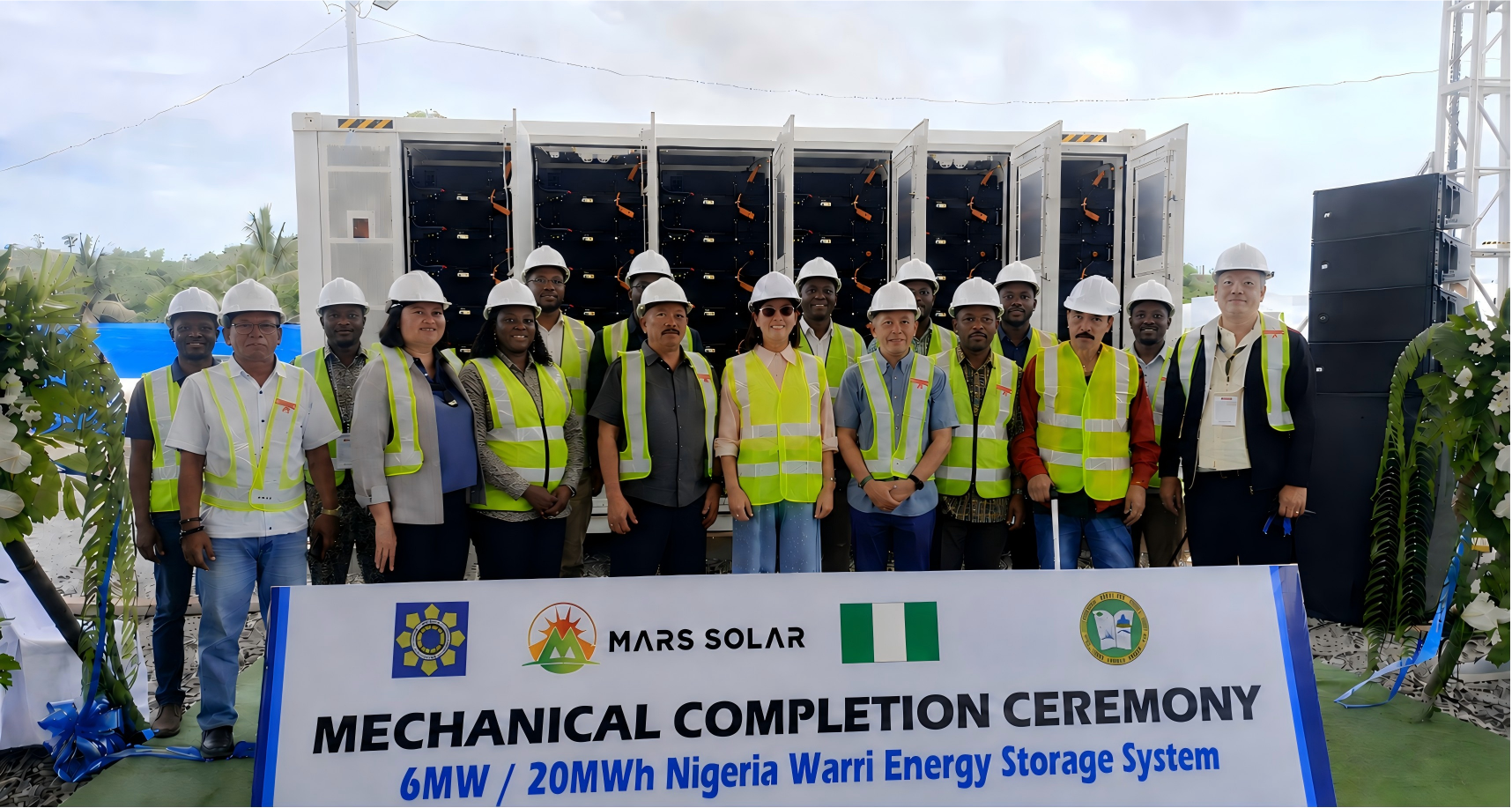 6MW 20MWh Solar Storage in Nigeria Factory + Farm + Residential Case StudyA 6MW solar PV + 20MWh LFP battery storage system in Nigeria powers an integrated factory, farm, and residential complex. The system delivers $108,000+ in monthly electricity savings, reaches payback in approximately 24 months, and provides 25 years of renewable power. This case study covers the engineering configuration, financial model, and operational performance of one of West Africa's most ambitious factory + farm + residential solar deployments.
Do you like ?0
Read more -
 Solar Panel Shipping & Container Loading: The 2026 Complete GuideThe solar panels leaving the factory are perfect. By the time they arrive at your warehouse, 3–7% might be damaged, delivery could be 2 weeks late, and demurrage at the destination port could wipe out your margin. This 2026 guide covers container types (2
Do you like ?0
Read more -
 Solar Panel Factory Verification: The 7-Step Due Diligence GuideEvery year, international solar buyers lose millions to fraudulent suppliers — fake certificates, empty factories, and panels that don't match spec. This 7-step verification guide shows you exactly how to qualify any China solar factory before you wire mo
Do you like ?0
Read more -
 Solar Panel MOQ, Lead Time & Payment Terms: The Complete 2026 Buyer's GuideMOQ, lead time, and payment terms are the 3 questions every solar buyer asks — and the 3 answers most suppliers hide behind vague emails. This guide gives you complete, honest answers from a verified China factory with 17+ years and 3,000+ export projects
Do you like ?0
Read more -
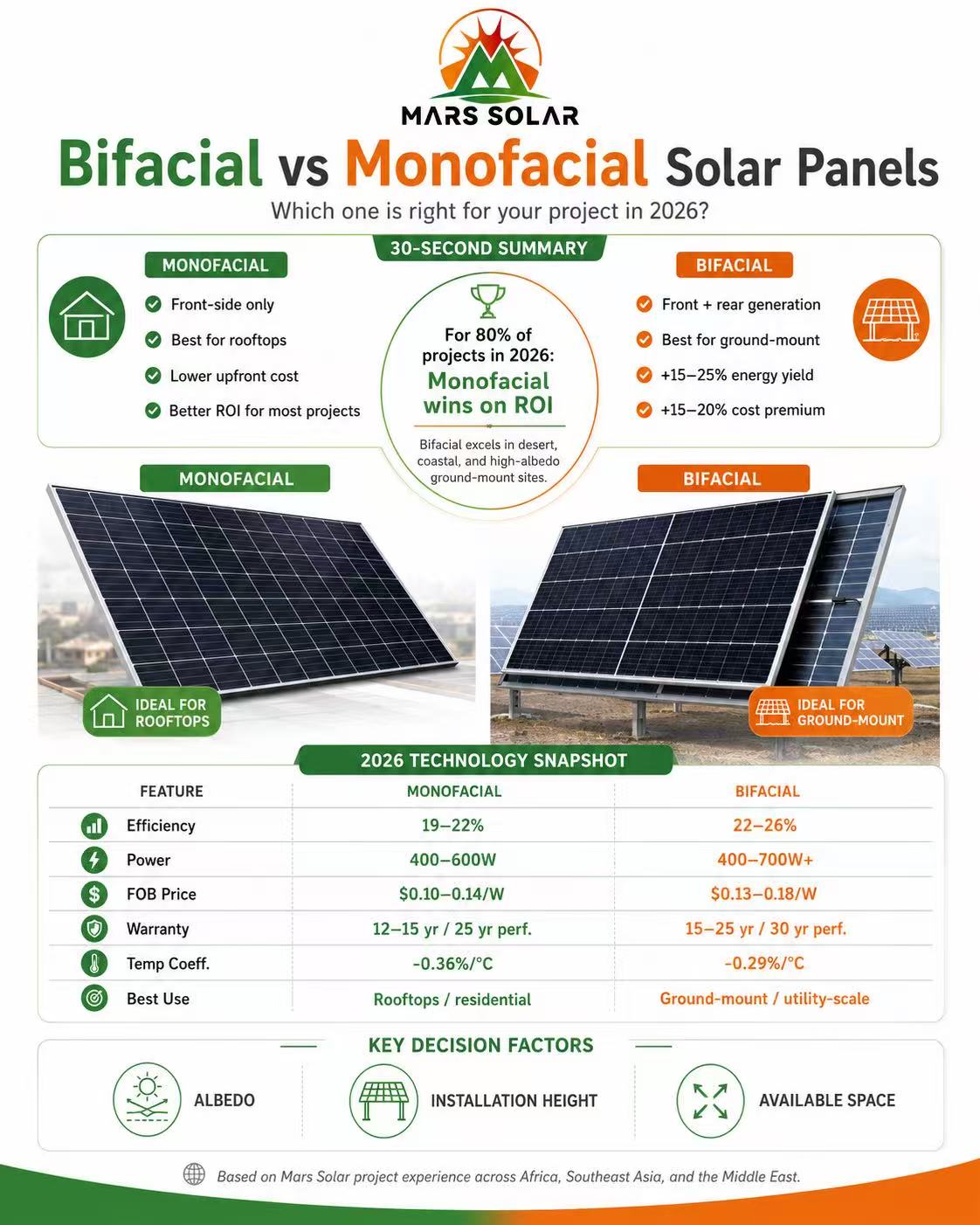 Solar Panel Selection Guide: Monofacial vs. Bifacial — 2026 EditionMonofacial and bifacial solar panels look identical but deliver 15-25% output difference. This 2026 guide compares 15 technical parameters, analyzes 5 real project ROI cases (Nigeria, Philippines, Ghana, Kenya, DRC), and gives you 3 decision frameworks to
Do you like ?0
Read more -
 Top 10 Solar Panel Manufacturers China 2026 | Best BrandsDiscover the top 10 solar panel manufacturers China 2026. Compare Jinko, LONGi, Trina & more. Find Tier 1 suppliers.
Do you like ?0
Read more