Renewable energy meets 50% of global electricity demand growth in 2021
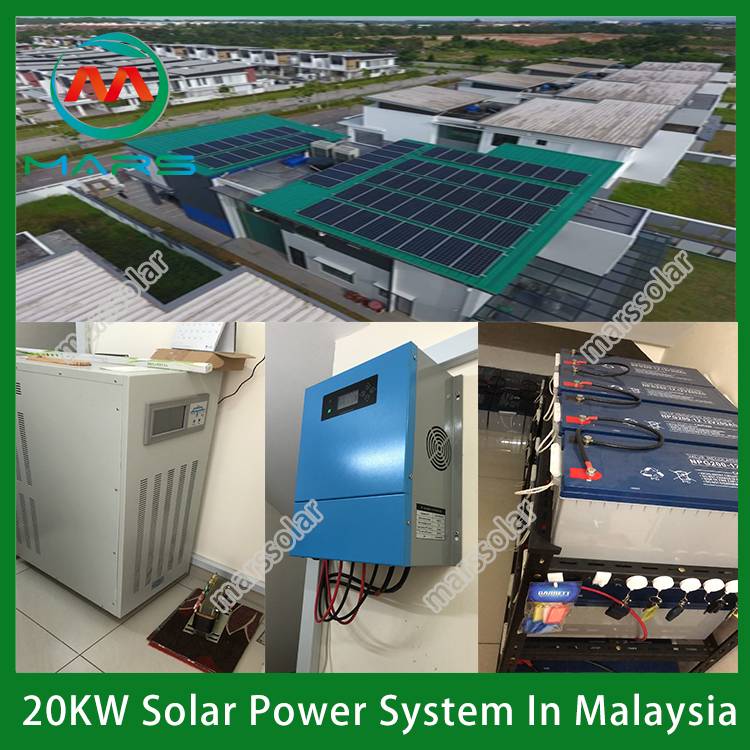
Quick answer: A 5KW solar system of this configuration produces about 33.6KWH per day from 16x350W monocrystalline panels and driven by a 5KW/7KVA inverter. Built by Mars Solar (factory since 2008), CE/ROHS certified, 25-year panel life, shipped factory-direct to 130+ countries.
According to the latest electricity report issued by the International Energy Agency (IEA), global electricity demand will rebound strongly in 2021 and 2022. After falling by about 1% in 2020, global electricity demand is expected to increase by nearly 5% and 4% in 2021 and 2022, respectively. Most of this growth will occur in the Asia-Pacific region. More than half of the global growth in 2022 will occur in China, the world's largest Residential Solar System electricity consumer. India is the third largest consumer and will account for 9% of global growth.
From 2021 to 2022, renewable energy power generation will continue to grow strongly, but it will not be able to keep up with the ever-increasing demand. After a 7% increase in renewable energy power generation in 2020, it is expected to increase by 8% and more than 6% in 2021 and 2022, respectively. Despite the rapid growth, renewable energy is expected to only meet about half of the growth in electricity demand in 2021 and 2022. Nuclear power generation will increase by approximately 1% and 2% in 2021 and 2022, respectively.
Fossil fuel power generation will meet 45% and 40% of the additional demand in 2021 and 2022, respectively. After a 4.6% drop in coal-fired power generation in 2020, it will increase by nearly 5% by 2021 to exceed pre-pandemic levels. By 2022, it will grow by a further 3% and may hit a record high. After a 2% drop in gas-fired power generation in 2020, it is expected to increase by 1% in 2021 and close to 2% in 2022. Natural gas growth lags behind coal because it plays a smaller role in the fast-growing Asia-Pacific region, and it also faces increasing competition from renewable energy sources from the United States and Europe.
Carbon dioxide emissions from the power sector will increase in 2021 and 2022. After falling by 1% and 3.5% in 2019 and 2020, respectively, the power sector’s carbon dioxide emissions are expected to increase by 3.5% and 2.5% in 2021 and 2022, respectively, which will bring them to the highest levels in history. The decline in global power generation emission intensity will slow from more than 3% in 2020 to about 1% in 2021 and 2022.
IEA believes that stronger policy actions are needed to achieve climate goals. In the IEA to 2050 Net Zero Emissions scenario, nearly three-quarters of the emissions reductions between 2020 and 2025 will be in the power sector, where emissions will drop by an average of 4.4% per year. To achieve this decline, coal-fired power generation needs to be reduced by more than 6% per year, partly replaced by natural gas, which is growing at a rate of about 5% per year.
Wholesale electricity prices have rebounded. The International Energy Agency wholesale electricity market price index, which tracks price trends in major advanced economies, shows that prices in the first half of 2021 have increased by 54% over the same period in 2020. This is a 25% drop in average prices for the entire year of 2020. The reason for these large fluctuations is that the Covid-19 crisis in 2020 has caused dramatic fluctuations in fossil fuel prices and related changes in electricity demand.
The recent extreme weather events threatened the security of supply. In the first half of 2021, affected by extreme cold, heat and drought, supply shortages occurred in many areas. In order to classify power outages, IEA introduced a new power safety incident scale that rates the severity of incidents based on the proportion of affected customers and the duration of the supply interruption. For example, the Texas Power Crisis in February, during which customers were out of power for four days, was rated the highest in this category.
The higher share of variable renewable energy has a measurable impact on the operation and design of power systems. Analysis of selected markets shows that hourly demand changes that must be matched to flexible power generation and consumption are increasing. In addition, the gap between the maximum and minimum flexible power generation levels required every day is widening. This makes the power system more flexible to supplement the generation of variable renewable energy sources such as wind and solar photovoltaics, becoming more and more important.
-
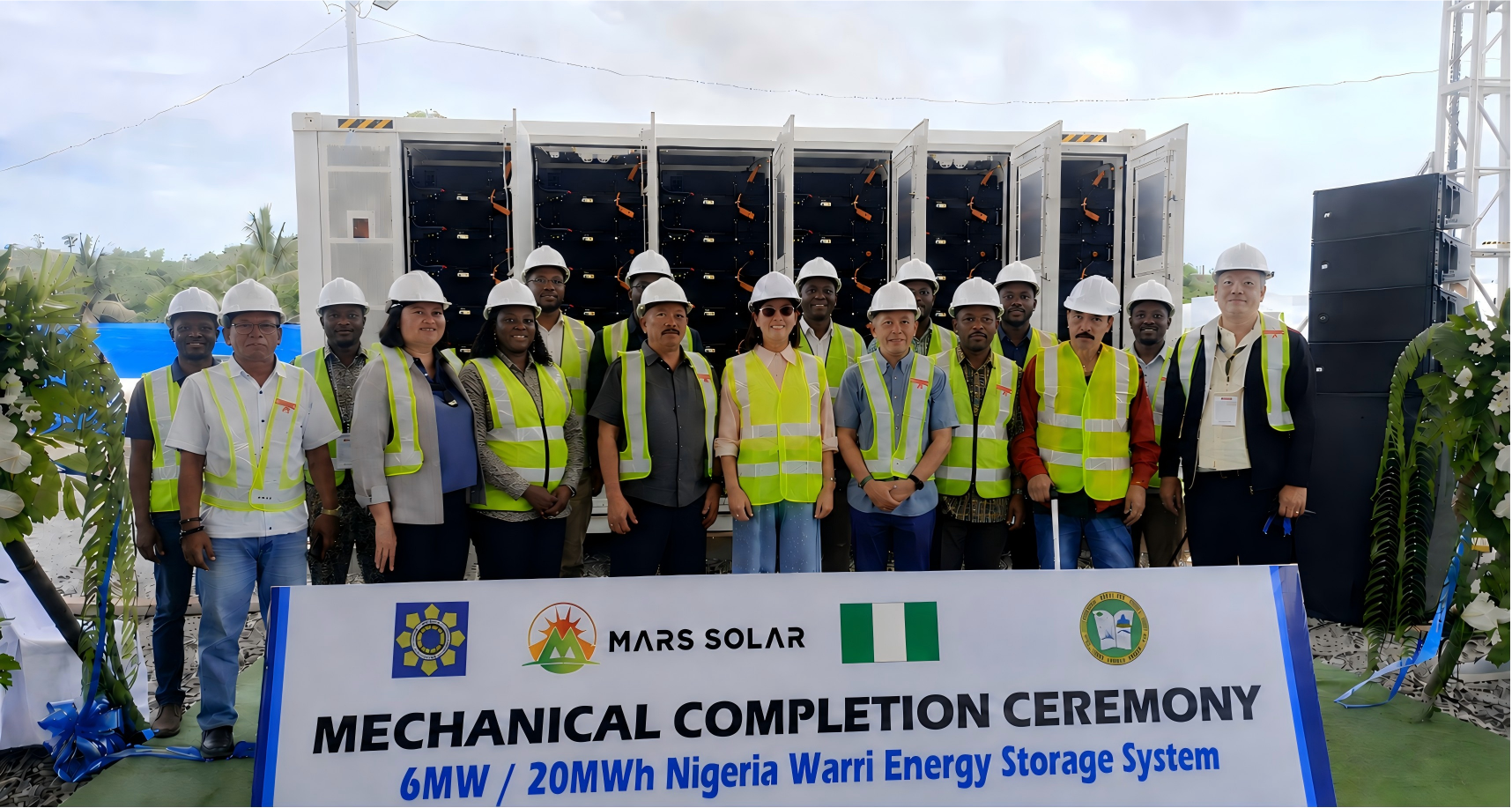 6MW 20MWh Solar Storage in Nigeria Factory + Farm + Residential Case StudyA 6MW solar PV + 20MWh LFP battery storage system in Nigeria powers an integrated factory, farm, and residential complex. The system delivers $108,000+ in monthly electricity savings, reaches payback in approximately 24 months, and provides 25 years of renewable power. This case study covers the engineering configuration, financial model, and operational performance of one of West Africa's most ambitious factory + farm + residential solar deployments.
Do you like ?0
Read more -
 Solar Panel Shipping & Container Loading: The 2026 Complete GuideThe solar panels leaving the factory are perfect. By the time they arrive at your warehouse, 3–7% might be damaged, delivery could be 2 weeks late, and demurrage at the destination port could wipe out your margin. This 2026 guide covers container types (2
Do you like ?0
Read more -
 Solar Panel Factory Verification: The 7-Step Due Diligence GuideEvery year, international solar buyers lose millions to fraudulent suppliers — fake certificates, empty factories, and panels that don't match spec. This 7-step verification guide shows you exactly how to qualify any China solar factory before you wire mo
Do you like ?0
Read more -
 Solar Panel MOQ, Lead Time & Payment Terms: The Complete 2026 Buyer's GuideMOQ, lead time, and payment terms are the 3 questions every solar buyer asks — and the 3 answers most suppliers hide behind vague emails. This guide gives you complete, honest answers from a verified China factory with 17+ years and 3,000+ export projects
Do you like ?0
Read more -
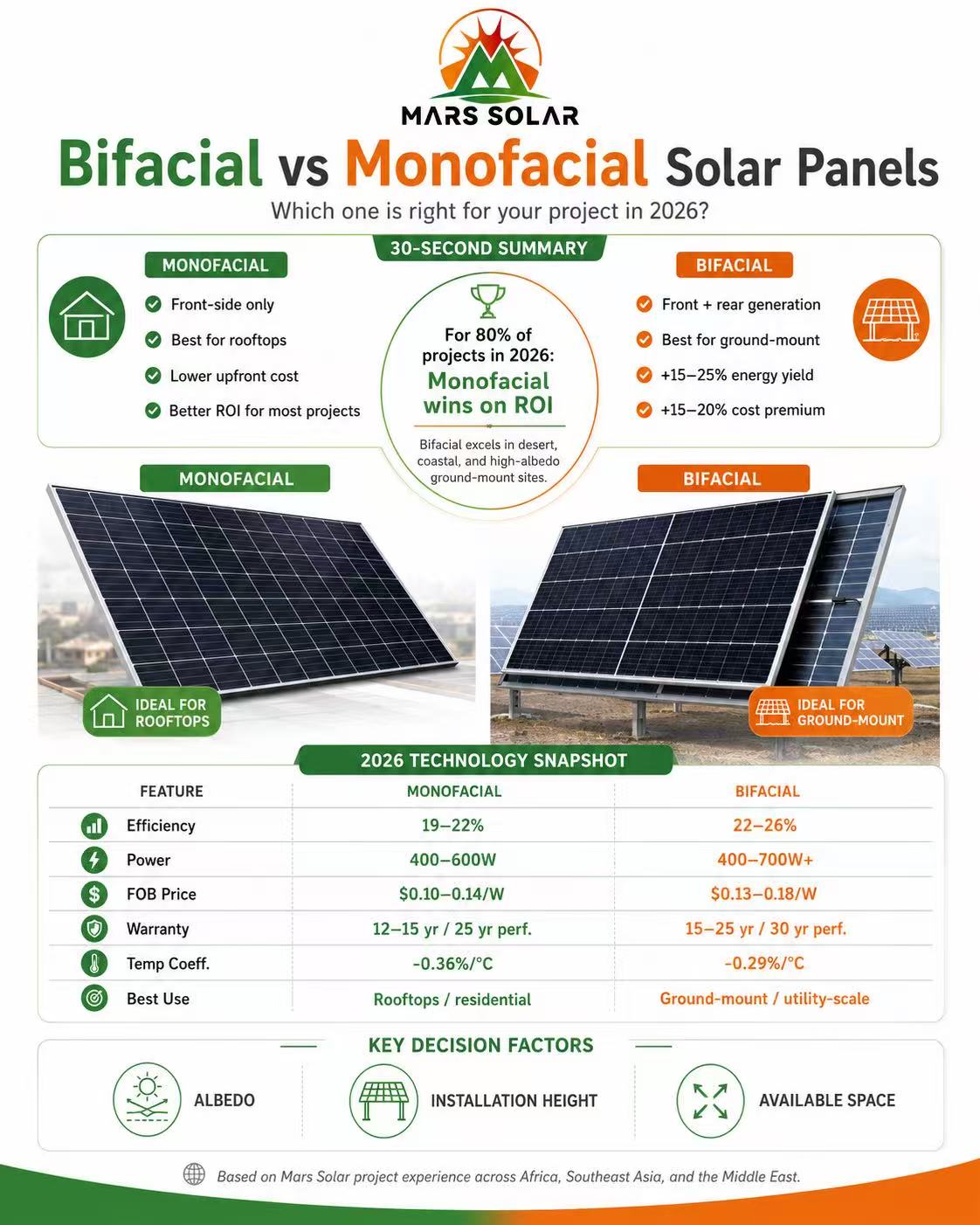 Solar Panel Selection Guide: Monofacial vs. Bifacial — 2026 EditionMonofacial and bifacial solar panels look identical but deliver 15-25% output difference. This 2026 guide compares 15 technical parameters, analyzes 5 real project ROI cases (Nigeria, Philippines, Ghana, Kenya, DRC), and gives you 3 decision frameworks to
Do you like ?0
Read more -
 Top 10 Solar Panel Manufacturers China 2026 | Best BrandsDiscover the top 10 solar panel manufacturers China 2026. Compare Jinko, LONGi, Trina & more. Find Tier 1 suppliers.
Do you like ?0
Read more