Pakistan promises: by 2030, the proportion of clean energy use will reach 60%
Quick answer: A 5KW solar system of this configuration produces about 30.24KWH per day from 18x280W monocrystalline panels. Built by Mars Solar (factory since 2008), CE/ROHS certified, 25-year panel life, shipped factory-direct to 130+ countries.
According to Pakistan’s “Dawn” report, on April 22, at the leaders’ climate summit initiated by the United States, Pakistan promised that by 2030, the use of clean Electricity Solar Panels energy will account for 60% and the use of electric vehicles will account for 30%.
At the leaders’ climate summit, Malik Amin Aslam, assistant to the Pakistani Prime Minister’s climate change issues, said, “We are committed to achieving 60% of clean energy and 30% of electric vehicles by 2030. , Pakistan has made promises that exceed its share on climate change issues."
At the same time, he urged developed countries to fulfill their commitments and help other countries to achieve the transition from carbon energy to clean energy. “The international community needs to do more work on climate finance, especially to provide climate finance for energy transition countries and countries that need to adapt to climate change (such as Pakistan).” He said that the international community needs to fulfill its commitment to climate finance, namely 100 billion US dollars per year.
At the meeting, the U.S. Secretary of Agriculture invited Malik, Assistant to the Prime Minister of Pakistan on Climate Change Issues, to introduce Pakistan’s work in managing water resources. Malik said Pakistan is one of the 10 most vulnerable countries to climate change due to its topography and geographic location. “In recent years, the frequency and intensity of natural disasters such as floods have increased, affecting 220 million people in Pakistan,” he said. “Pakistan is doing its best to deal with this disaster. We are planting 10 billion trees and recovering nearly 100 Ten thousand hectares of forest, including mangrove forests in the south."
-
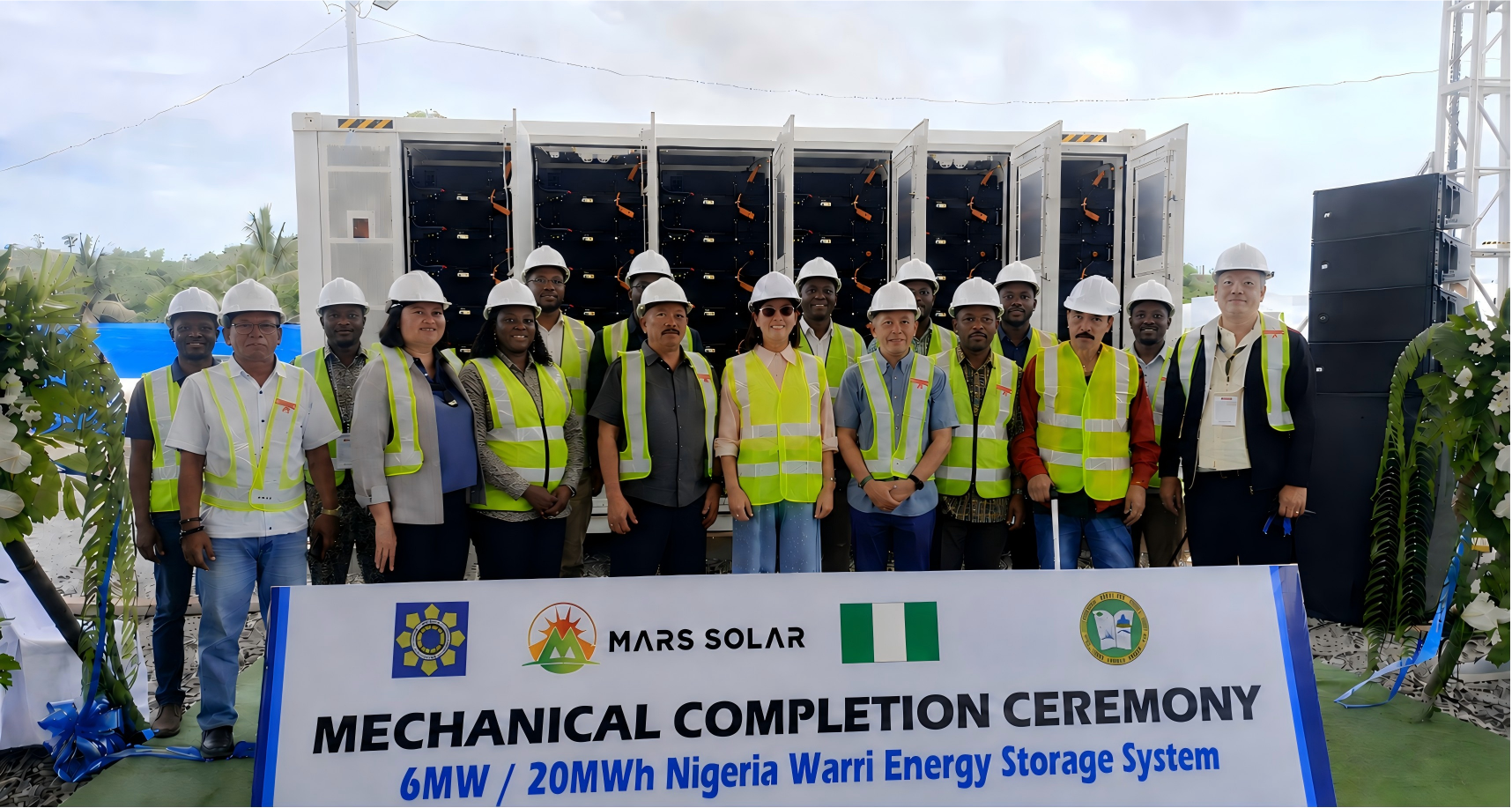 6MW 20MWh Solar Storage in Nigeria Factory + Farm + Residential Case StudyA 6MW solar PV + 20MWh LFP battery storage system in Nigeria powers an integrated factory, farm, and residential complex. The system delivers $108,000+ in monthly electricity savings, reaches payback in approximately 24 months, and provides 25 years of renewable power. This case study covers the engineering configuration, financial model, and operational performance of one of West Africa's most ambitious factory + farm + residential solar deployments.
Do you like ?0
Read more -
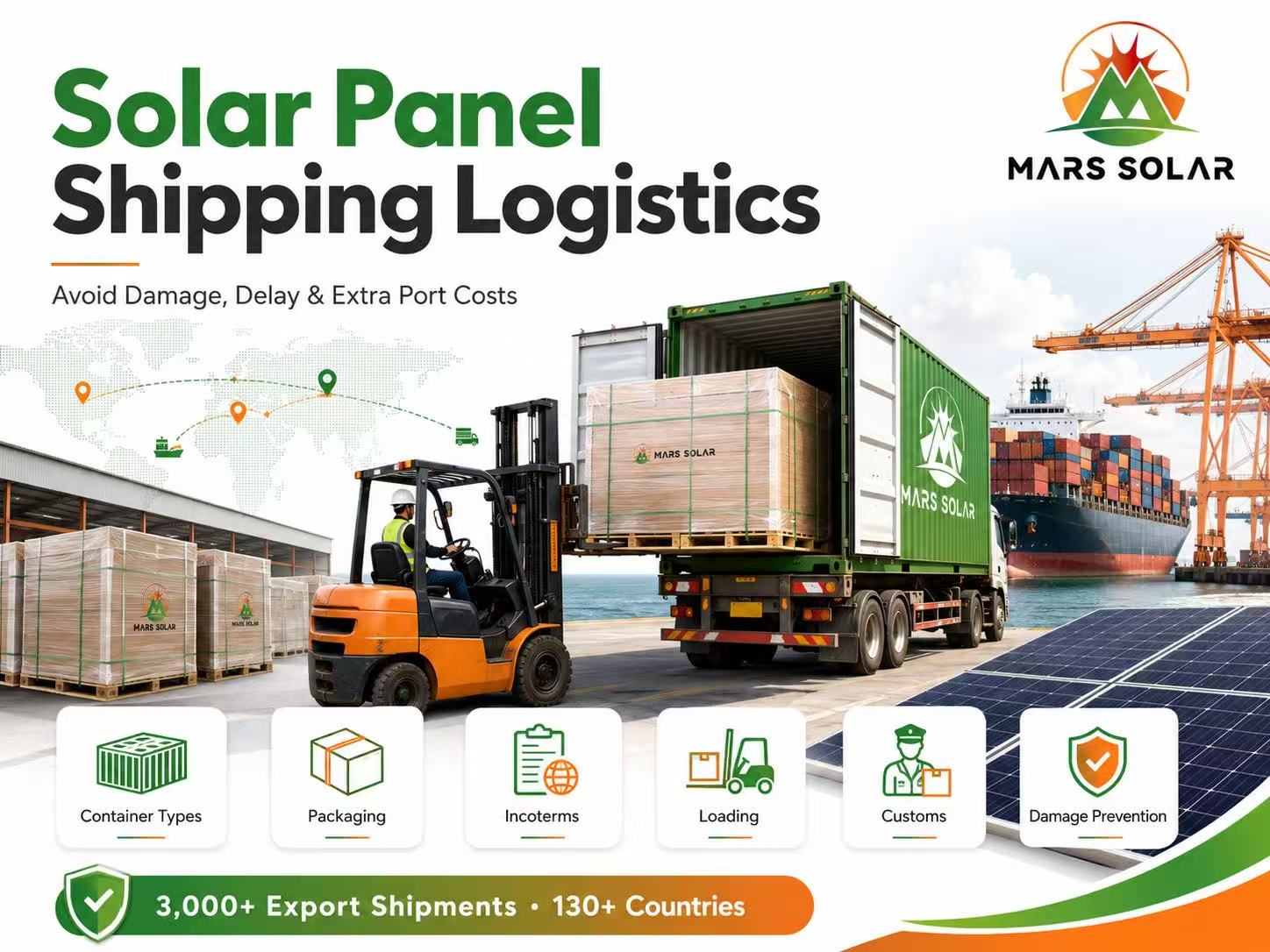 Solar Panel Shipping & Container Loading: The 2026 Complete GuideThe solar panels leaving the factory are perfect. By the time they arrive at your warehouse, 3–7% might be damaged, delivery could be 2 weeks late, and demurrage at the destination port could wipe out your margin. This 2026 guide covers container types (2
Do you like ?0
Read more -
 Solar Panel Factory Verification: The 7-Step Due Diligence GuideEvery year, international solar buyers lose millions to fraudulent suppliers — fake certificates, empty factories, and panels that don't match spec. This 7-step verification guide shows you exactly how to qualify any China solar factory before you wire mo
Do you like ?0
Read more -
 Solar Panel MOQ, Lead Time & Payment Terms: The Complete 2026 Buyer's GuideMOQ, lead time, and payment terms are the 3 questions every solar buyer asks — and the 3 answers most suppliers hide behind vague emails. This guide gives you complete, honest answers from a verified China factory with 17+ years and 3,000+ export projects
Do you like ?0
Read more -
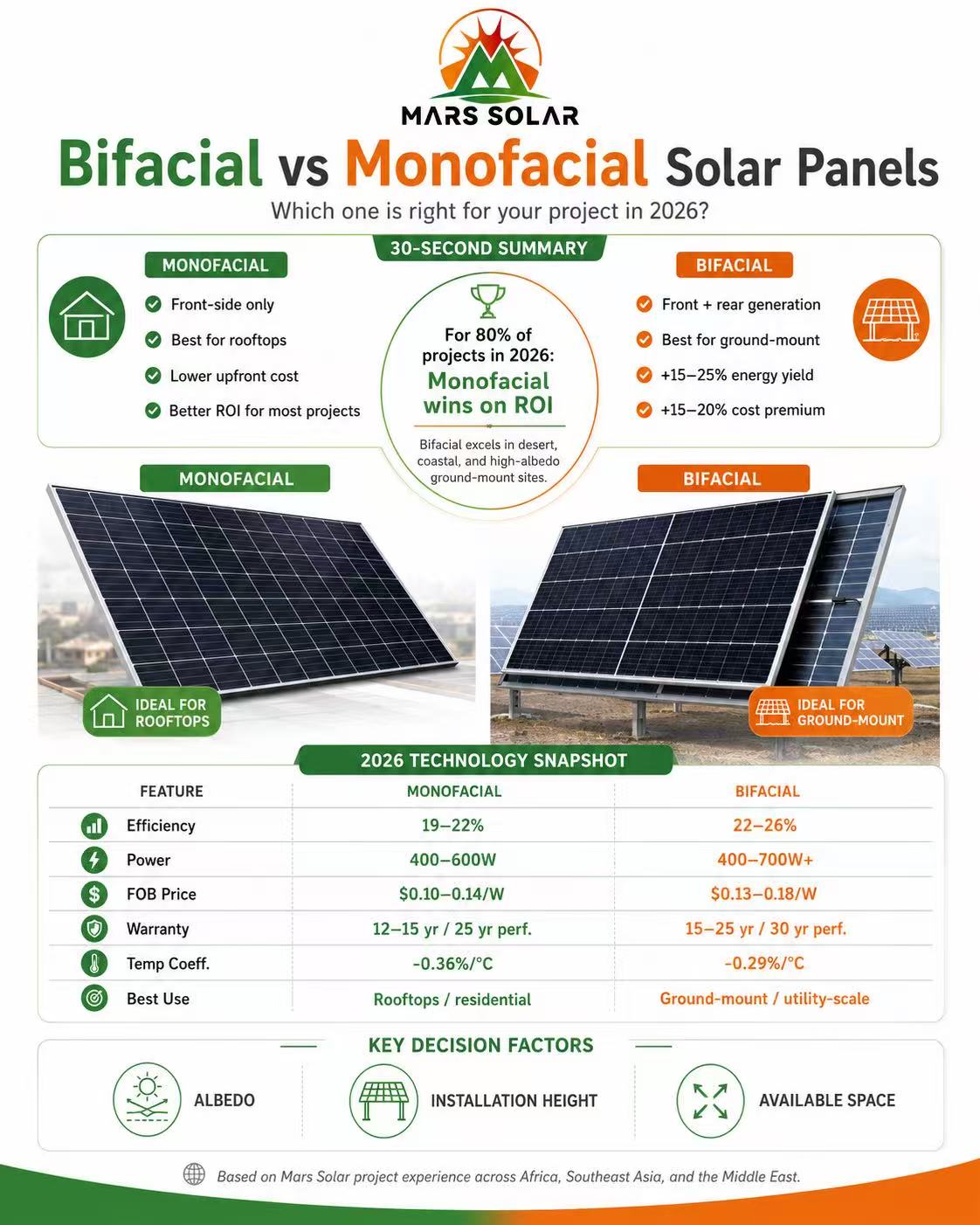 Solar Panel Selection Guide: Monofacial vs. Bifacial — 2026 EditionMonofacial and bifacial solar panels look identical but deliver 15-25% output difference. This 2026 guide compares 15 technical parameters, analyzes 5 real project ROI cases (Nigeria, Philippines, Ghana, Kenya, DRC), and gives you 3 decision frameworks to
Do you like ?0
Read more -
 Top 10 Solar Panel Manufacturers China 2026 | Best BrandsDiscover the top 10 solar panel manufacturers China 2026. Compare Jinko, LONGi, Trina & more. Find Tier 1 suppliers.
Do you like ?0
Read more