Switzerland adds 430MW in 2020, an increase of 30% compared to 2019
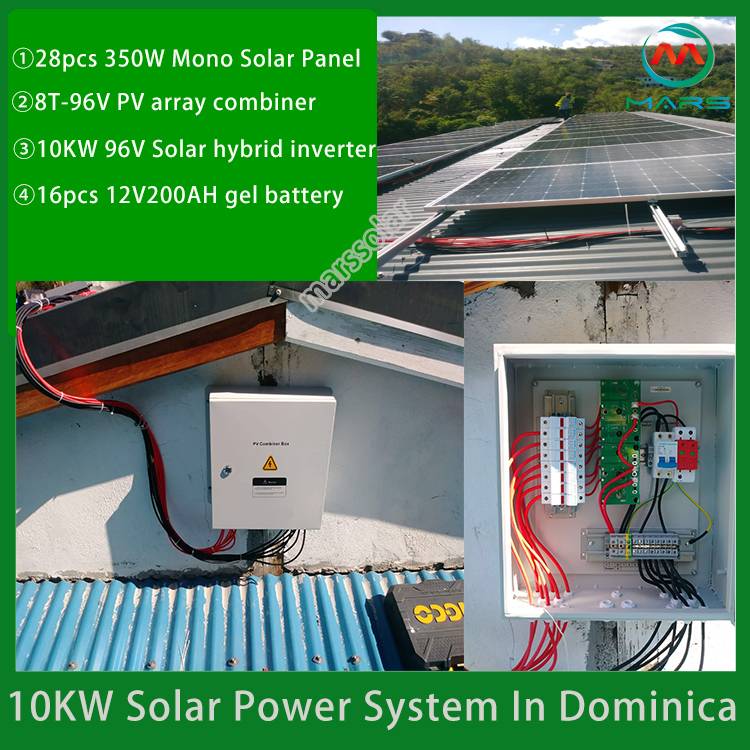
Quick answer: A 5KW solar system of this configuration produces about 33.6KWH per day from 16x350W monocrystalline panels and driven by a 5KW/7KVA inverter. Built by Mars Solar (factory since 2008), CE/ROHS certified, 25-year panel life, shipped factory-direct to 130+ countries.
Swiss solar industry association Swissolar estimates that by 2020, 430 to 460 MW of new Home Power Solar photovoltaic systems will be installed. Official data confirms that it will increase by 30-39% compared to 2019 (about 330MW of solar energy).
According to analysts from the association, both the residential and commercial sectors have performed strongly, thanks to the recent improvements in Switzerland’s solar rebate program and increasing attention to climate issues, which have prompted homeowners and businesses to become producers.
The Covid-19 pandemic has also played a role. The fact is obvious because citizens have found time to implement projects and the availability of funds has increased due to fewer consumption opportunities. However, Swissolar is currently unable to assess whether these effects will continue into this year.
The association said that despite its good performance, the current level of solar energy development is still insufficient to meet Switzerland's climate goals. "In order to replace nuclear energy that is no longer available and to meet the additional electricity demand for transportation and heating and electrification, the annual growth must increase to about 1,500 MW in the next few years, almost four times the original." David Stickelberger said.
In its "Energy Strategy 2050", the Swiss Ministry of Energy has set the target for solar photovoltaic installed capacity in 2050 at 37.5 GW. However, Swissolar believes that the current framework conditions are not sufficient to achieve this goal.
In order to solve these problems, the association has proposed a series of measures that should help greatly accelerate the pace of expansion. For example, it requires more funding for non-consumable rooftop photovoltaic systems. It further emphasized many roof opportunities, such as roofs on stables or warehouses, which are currently not equipped with photovoltaic systems due to the inability to consume electricity on site. The same applies to carports or noise barriers.
-
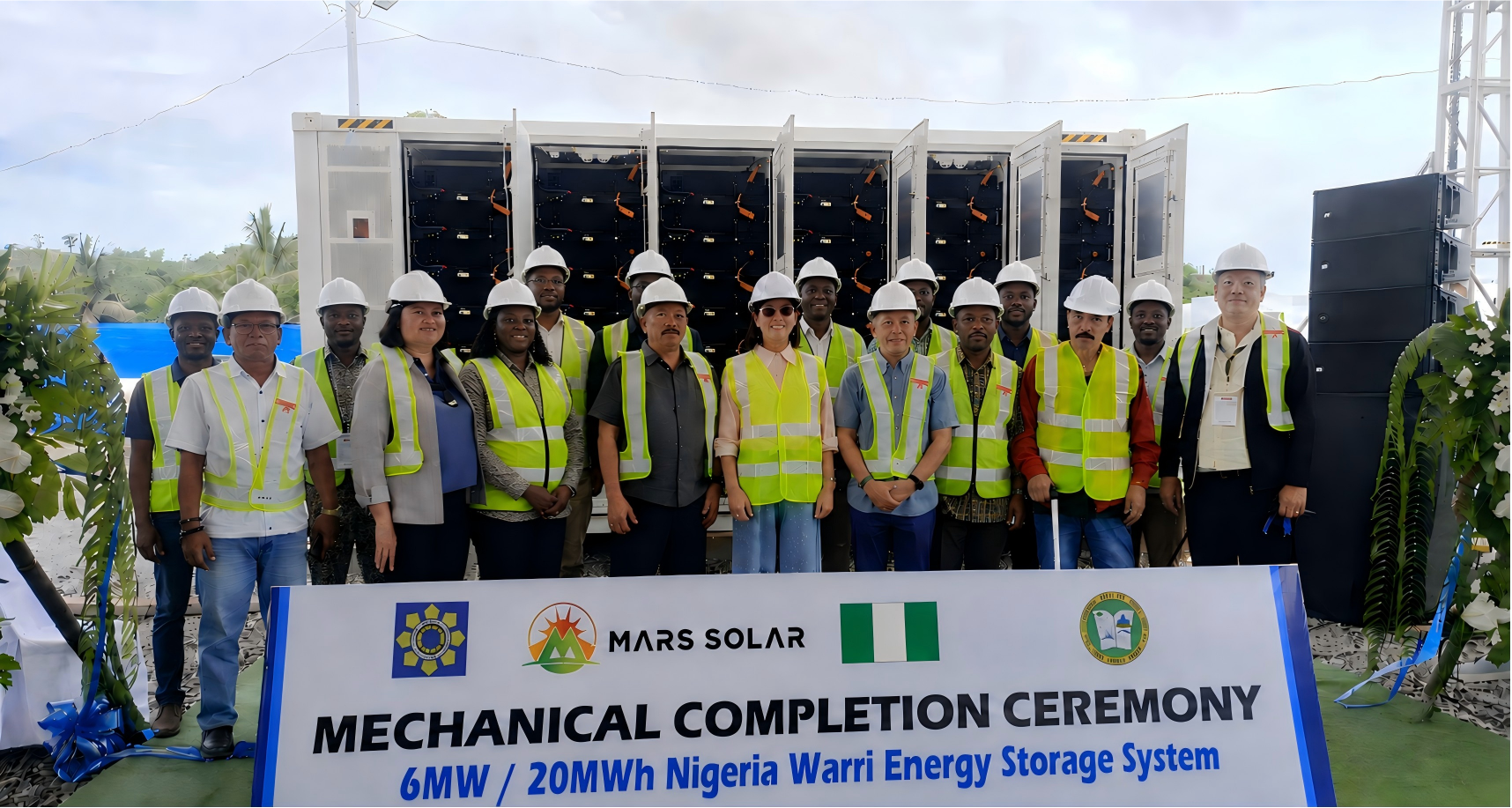 6MW 20MWh Solar Storage in Nigeria Factory + Farm + Residential Case StudyA 6MW solar PV + 20MWh LFP battery storage system in Nigeria powers an integrated factory, farm, and residential complex. The system delivers $108,000+ in monthly electricity savings, reaches payback in approximately 24 months, and provides 25 years of renewable power. This case study covers the engineering configuration, financial model, and operational performance of one of West Africa's most ambitious factory + farm + residential solar deployments.
Do you like ?0
Read more -
Germany's installed capacity demand will reach 11GW and 70GW in 2023As one of the leading countries in the European photovoltaic market, Germany's new installed capacity will reach 11GW in 2023. Looking back at the installed capacity data from January to October 2022, the new installed capacity in German
Do you like ?0
Read more