United Kingdom: Renewable energy will account for up to 43% of power generation
Quick answer: A 5KW solar system of this configuration produces about 33.6KWH per day from 16x350W monocrystalline panels and driven by a 5KW/7KVA inverter. Built by Mars Solar (factory since 2008), CE/ROHS certified, 25-year panel life, shipped factory-direct to 130+ countries.
In 2020, the level of electricity generation from renewable energy in the UK once again set a new record-43% of the country's electricity comes from renewable Affordable Solar Power Systems resources including wind, solar and biogas, up from 37% in 2019. The British government today released the 2020 British Energy Statistics Summary (DUKES) compiled by the Department of Business, Energy and Industrial Strategy (BEIS).
The total energy production and consumption data last year confirmed the sharp drop in fossil fuel production and the increase in the share of renewable energy. Due to epidemic prevention measures, overall energy demand, including petroleum fuels for transportation, has fallen to the level of the 1950s, and total consumption has fallen by 13% year-on-year.
In terms of power generation, the report emphasized the 67-day coal-free power generation period from April 10 to June 16 and the second 55-day coal-free power generation period that ended on August 12. The proportion of coal power in the total power generation has dropped to 1.8%, while the natural gas peak shaving power plant has reached 35.7%. The growth rate of renewable energy exceeds that of fossil fuels. DUKES data shows that since 2010, the amount of renewable energy power generation has increased from 6.9% to the current highest level in history.
The growth trend of solar power generation in the UK has slowed down, and in 2020 it will account for 28% of the renewable energy portfolio. The main reason for the 4.6% increase in solar power generation last year over 2019 was the better weather.
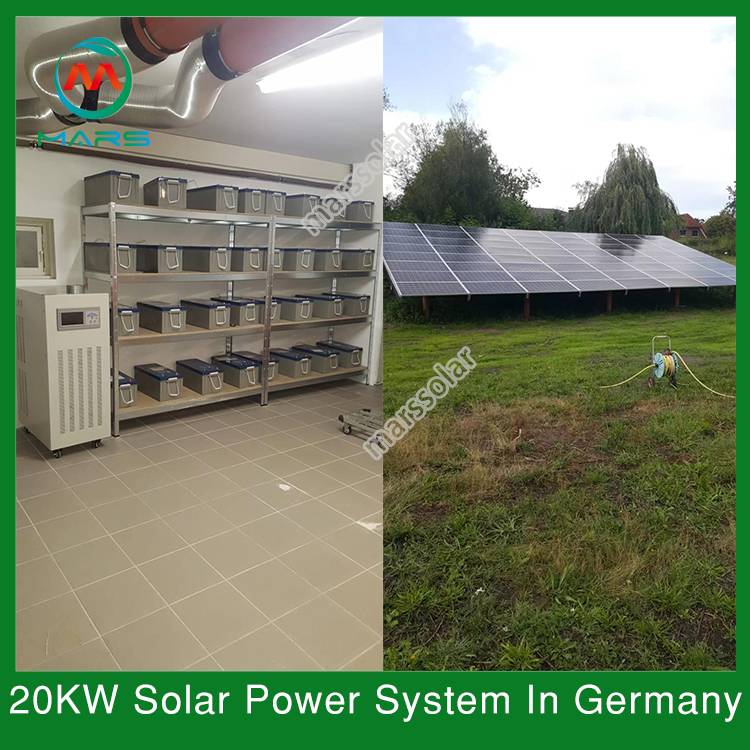
Data from BEIS shows that in 2020, which is affected by the new crown pneumonia, the installed solar photovoltaic capacity will only increase by 238 MW.
A recent BEIS survey to understand how to increase the power generation of rooftop solar installations found that small and medium-sized companies in the UK may be forced to pay higher taxes after installing photovoltaics. When the respondent was asked this question, the response was "obviously incredible and outrageous." In 2015, the British government began to substantially cut the long-term protective electricity price (FIT) for solar energy.
13% of the UK’s electricity comes from offshore wind power and 11.1% from onshore turbines. The combined wind power generation in the UK in 2020 reached a record 75.7 TWh, accounting for 24.1% of the total. It is said that although the increase in power generation is not large, favorable wind conditions, including the stormy weather in the first quarter, have helped to increase power generation, so it has increased by 18% compared to the previous year. Offshore wind power generation is particularly noticeable, with an increase of 29% compared to last year.
The only type of renewable energy that has declined in power generation is biogas, which the government attributed to the decline in landfill mining rates.
The total amount of renewable energy, including wind and solar energy, fell to a low of 1 GW last year. This is the lowest level since 2007 and the slowest growth rate since 2002.
Before DUKES released the latest data, the British government announced on June 30 that the ban on shutting down coal-fired power plants would take effect one year earlier, set to October 1, 2024.
-
 6MW 20MWh Solar Storage in Nigeria Factory + Farm + Residential Case StudyA 6MW solar PV + 20MWh LFP battery storage system in Nigeria powers an integrated factory, farm, and residential complex. The system delivers $108,000+ in monthly electricity savings, reaches payback in approximately 24 months, and provides 25 years of renewable power. This case study covers the engineering configuration, financial model, and operational performance of one of West Africa's most ambitious factory + farm + residential solar deployments.
Do you like ?0
Read more -
 Solar Panel Shipping & Container Loading: The 2026 Complete GuideThe solar panels leaving the factory are perfect. By the time they arrive at your warehouse, 3–7% might be damaged, delivery could be 2 weeks late, and demurrage at the destination port could wipe out your margin. This 2026 guide covers container types (2
Do you like ?0
Read more -
 Solar Panel Factory Verification: The 7-Step Due Diligence GuideEvery year, international solar buyers lose millions to fraudulent suppliers — fake certificates, empty factories, and panels that don't match spec. This 7-step verification guide shows you exactly how to qualify any China solar factory before you wire mo
Do you like ?0
Read more -
 Solar Panel MOQ, Lead Time & Payment Terms: The Complete 2026 Buyer's GuideMOQ, lead time, and payment terms are the 3 questions every solar buyer asks — and the 3 answers most suppliers hide behind vague emails. This guide gives you complete, honest answers from a verified China factory with 17+ years and 3,000+ export projects
Do you like ?0
Read more -
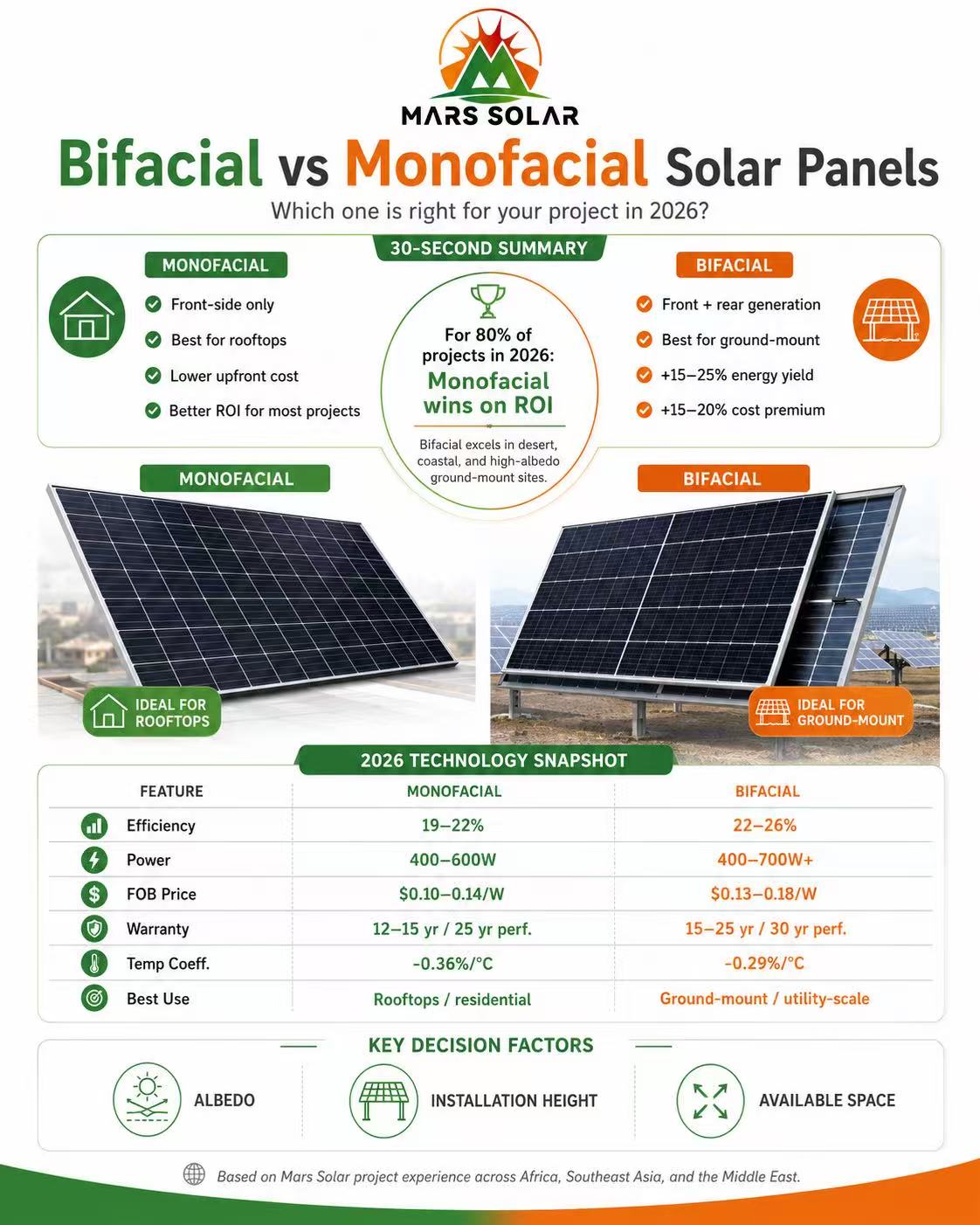 Solar Panel Selection Guide: Monofacial vs. Bifacial — 2026 EditionMonofacial and bifacial solar panels look identical but deliver 15-25% output difference. This 2026 guide compares 15 technical parameters, analyzes 5 real project ROI cases (Nigeria, Philippines, Ghana, Kenya, DRC), and gives you 3 decision frameworks to
Do you like ?0
Read more -
 Top 10 Solar Panel Manufacturers China 2026 | Best BrandsDiscover the top 10 solar panel manufacturers China 2026. Compare Jinko, LONGi, Trina & more. Find Tier 1 suppliers.
Do you like ?0
Read more