1. How does a complete solar panel system work?
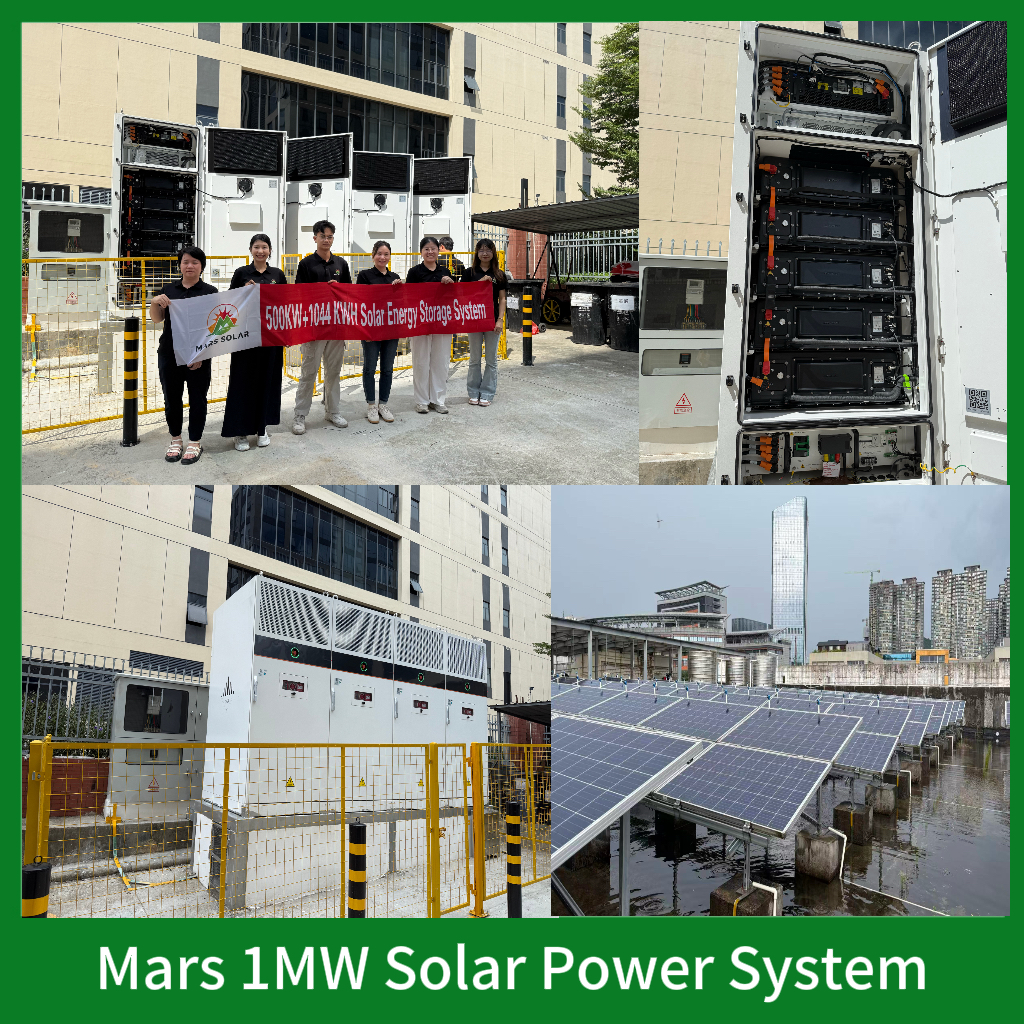
Solar panels absorb solar energy throughout the day and convert it to direct current (DC) electricity. Too many households and businesses use AC power, so DC power is converted to usable AC power through the inverter. At this point, you can choose to use the generated electricity yourself or send it to the grid.
2. Does my complete solar panel system generate electricity when the sun is not shining?
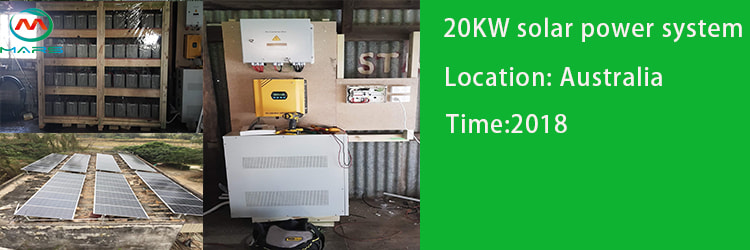
The amount of power a complete solar panel system can produce depends on the sun, so when the weather is cloudy, your solar panels will produce slightly less energy and produce no energy at night. However, the use of the sun is also a wise decision because of the long life of photovoltaic panels, the state's support for subsidies, and the elimination of high electricity prices.
3. What happens if there is snow on the complete solar panel system?
Solar panels are the only way to turn sunlight into electricity, so if your panels are covered by snow, they won't be able to generate electricity. The general snow is not very heavy, and the photovoltaic panel design also takes into account these at the beginning, generally can not lead to panel problems. The important thing is that most panels will be tilted at an angle, and when the snow falls on it, the snow will automatically slip. Even if there is some snow, it is very good to clean up.
4. If I use a complete solar panel system, do I have to pay the electricity bill?
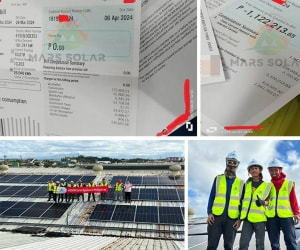
Unless your complete home solar system kit is completely off-grid (not connected to the national grid) and has its own storage battery, you will still need to pay for electricity. Because complete home solar system kit is generated during the day, some are directly sent to the grid, and some of them are used by themselves. If you use electricity at night or encounter rain, you still need to buy electricity from the grid, but this does not affect the complete home solar system kit to save money for you.
5. If the grid is powered off, does the complete home solar system kit still work?
If it is a grid-connected complete home solar system kit, when the grid is shut down, the inverter will automatically trip and stop working, and the complete solar system kit will not work. It is to prevent personal injury caused to the maintenance staff of the grid after the power is input into the grid. Assuming you have frequent power outages at your location, you can make an on-grid energy storage complete solar system kit to store power. For most people, this adds unnecessary costs.
6. How much is the maintenance cost of complete solar system kit?
The complete solar system kit is made of durable tempered glass and requires almost no maintenance in 25-35 years, so it can continue to generate electricity. In most cases, you don't even need to clean the solar panels regularly, because it will help you clean automatically in the rain. In the event of equipment problems, most of the regular production of complete solar system kit are covered by warranty, no need to worry.
7. Is my roof suitable for installing complete solar system kit?
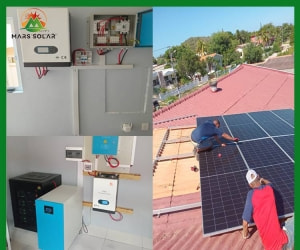
As long as you have enough space on your roof, it is ideal for installing complete solar system kit. If your roof is not ideal, we will also develop a special solution.
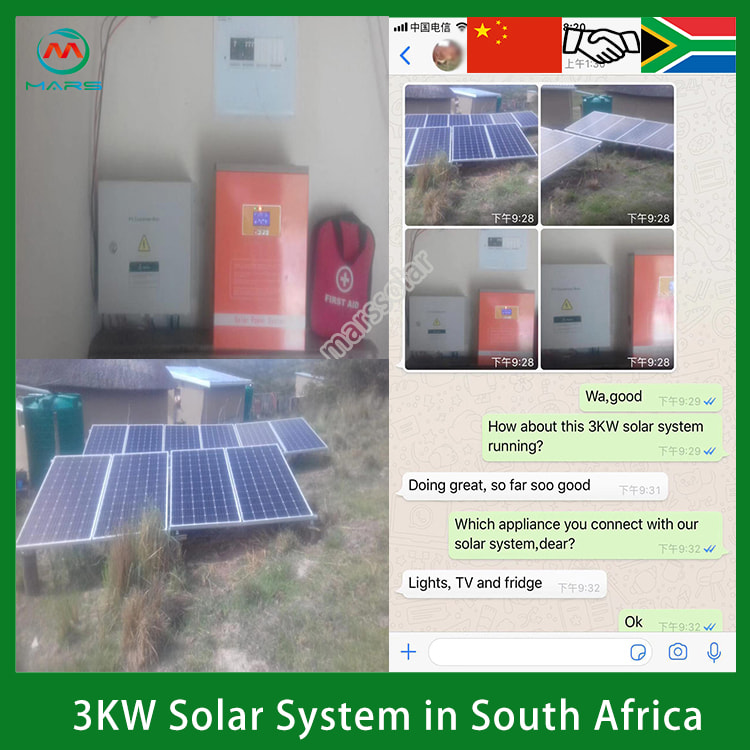
8. How do I choose a complete solar system kit?
Suppose you are your own household, then choose between 3KW-10KW. If it is a large factory or a large project, it is recommended that you purchase a separate solar photovoltaic panel, inverter, bracket, cable, etc., which can save a lot of money. Because no matter what the purchase is bigger, the cheaper, the lower the cost.
-
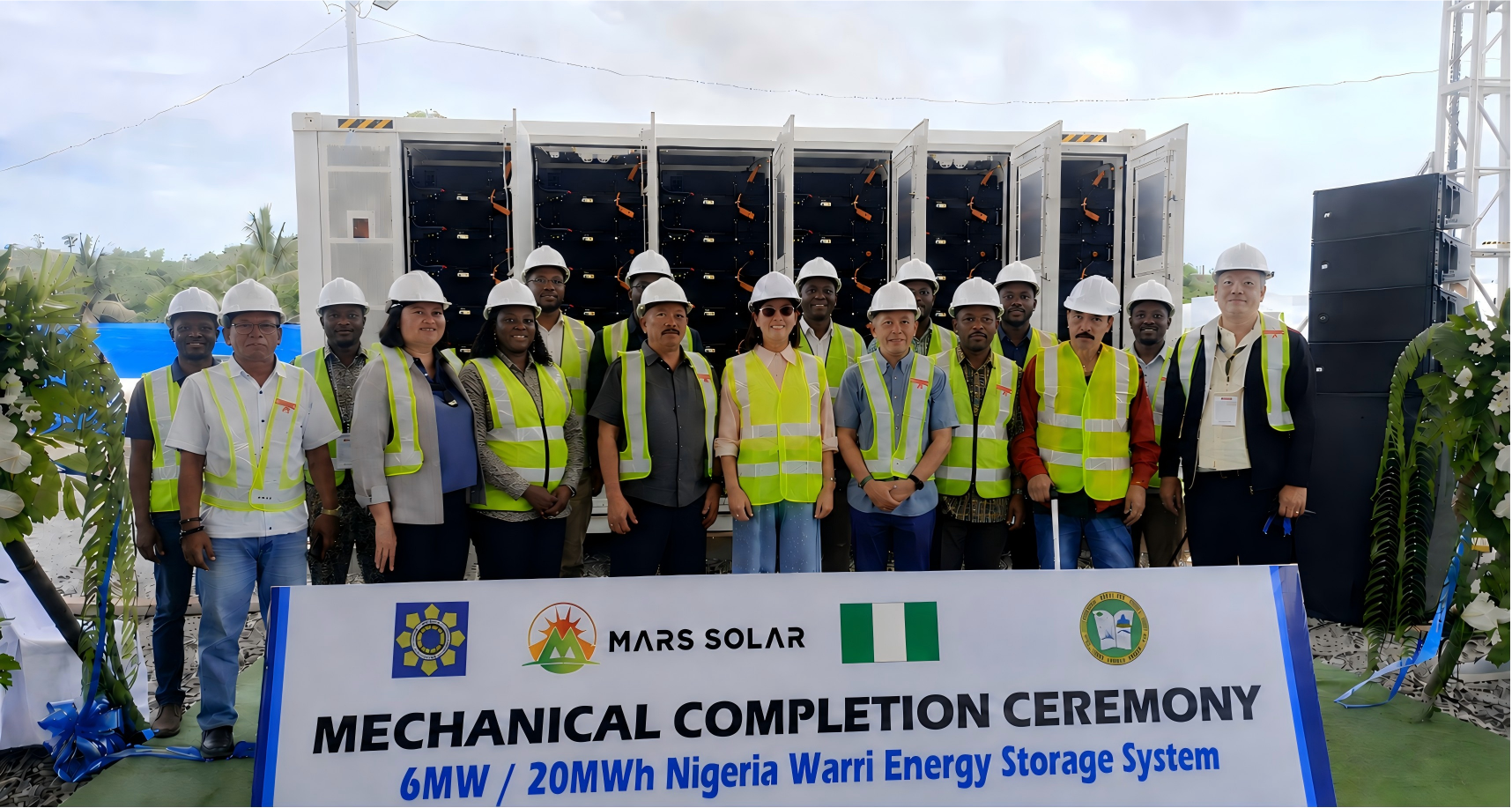 6MW 20MWh Solar Storage in Nigeria Factory + Farm + Residential Case StudyA 6MW solar PV + 20MWh LFP battery storage system in Nigeria powers an integrated factory, farm, and residential complex. The system delivers $108,000+ in monthly electricity savings, reaches payback in approximately 24 months, and provides 25 years of renewable power. This case study covers the engineering configuration, financial model, and operational performance of one of West Africa's most ambitious factory + farm + residential solar deployments.
Do you like ?0
Read more -
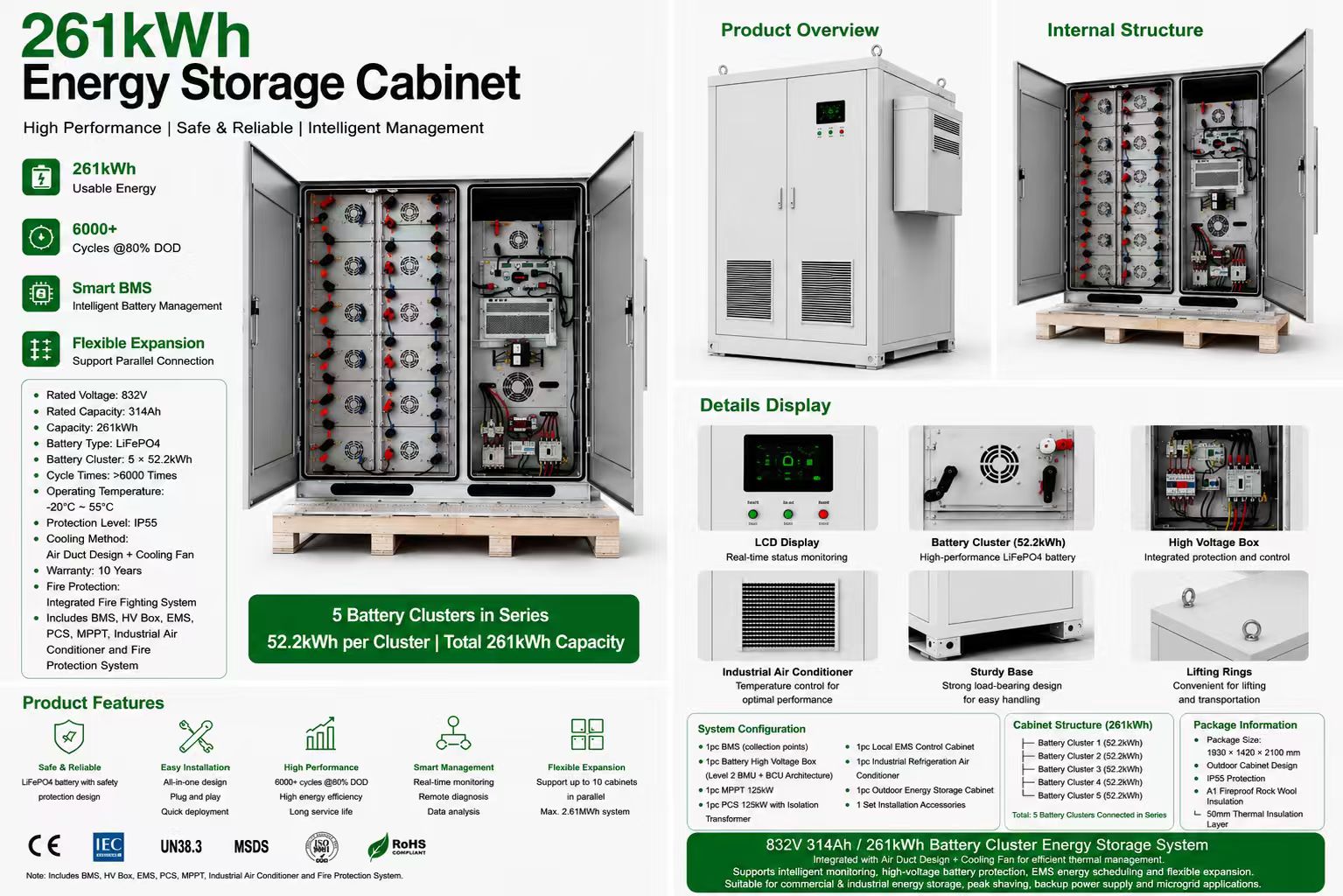 BESS in Nigeria 2026: Battery Energy Storage Cost, Diesel Payback & Import GuideBESS in Nigeria: 2026 pricing, diesel payback, SONCAP, China import guide. Save 60%+ vs diesel. Factory-direct LFP from Mars Solar.
Do you like ?0
Read more -
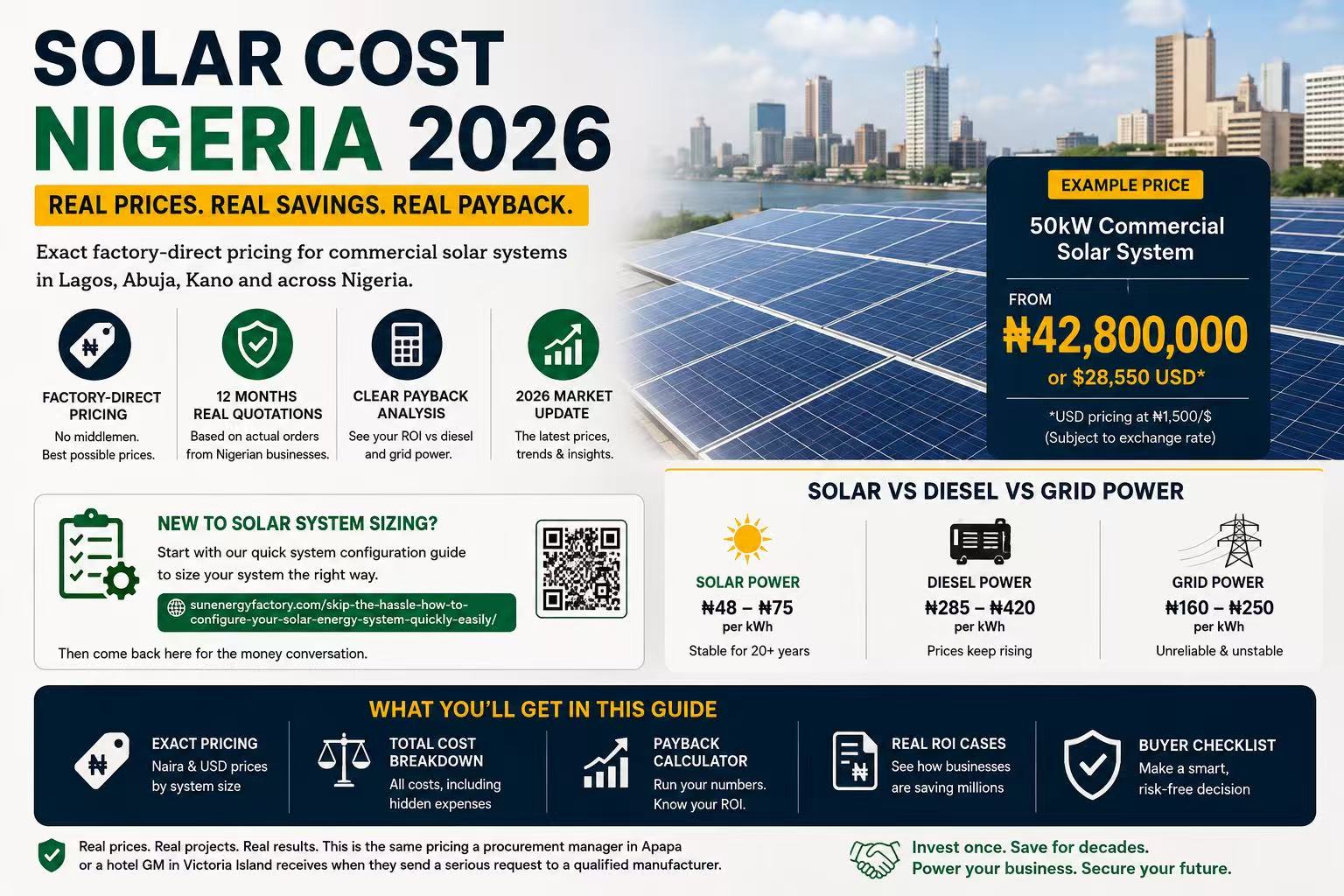 How Much Does Solar Cost in Nigeria? 2026 Real Pricing GuideSolar cost in Nigeria for 5kW to 250kW systems, in Naira and USD. Compare solar vs diesel vs grid, calculate payback, and explore financing options.
Do you like ?0
Read more -
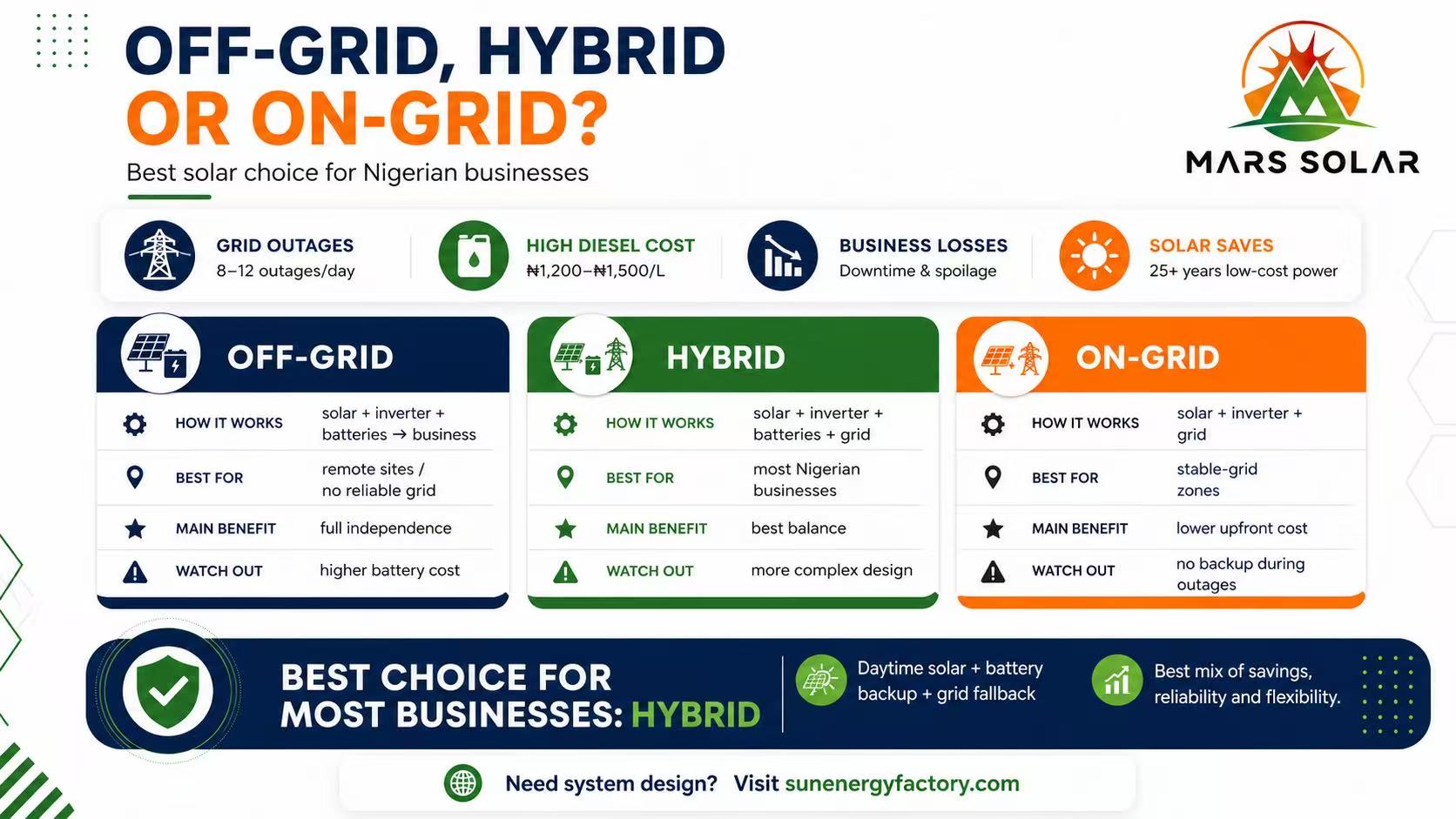 Solar Power Nigeria 2026: Off-Grid vs Hybrid vs On-GridNigeria’s unreliable grid and soaring diesel costs are forcing business owners to take solar seriously. But the biggest question remains: which system — off-grid, hybrid, or on-grid? This 2026 guide breaks down all three solar architectures for Nigeria
Do you like ?0
Read more -
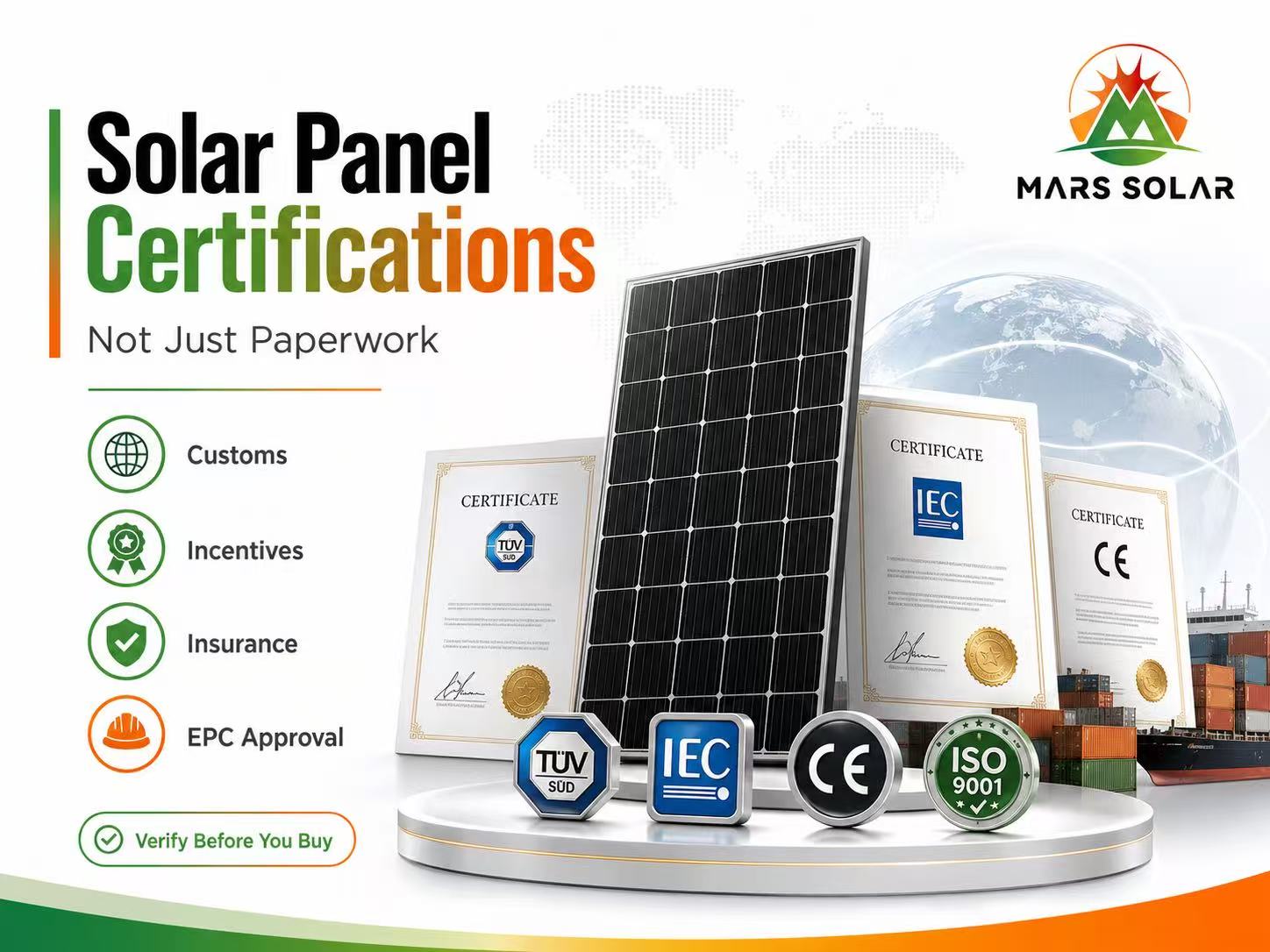 Solar Panel Certifications Explained: IEC, UL, TÜV, CE, ISO — The 2026 GuideA solar panel without proper certifications is unsellable in 90% of international markets. This 2026 guide explains every major certification — IEC 61215, IEC 61730, UL 61730, TÜV, CE, ISO 9001/14001/45001 — what it tests, who issues it, which markets req
Do you like ?0
Read more -
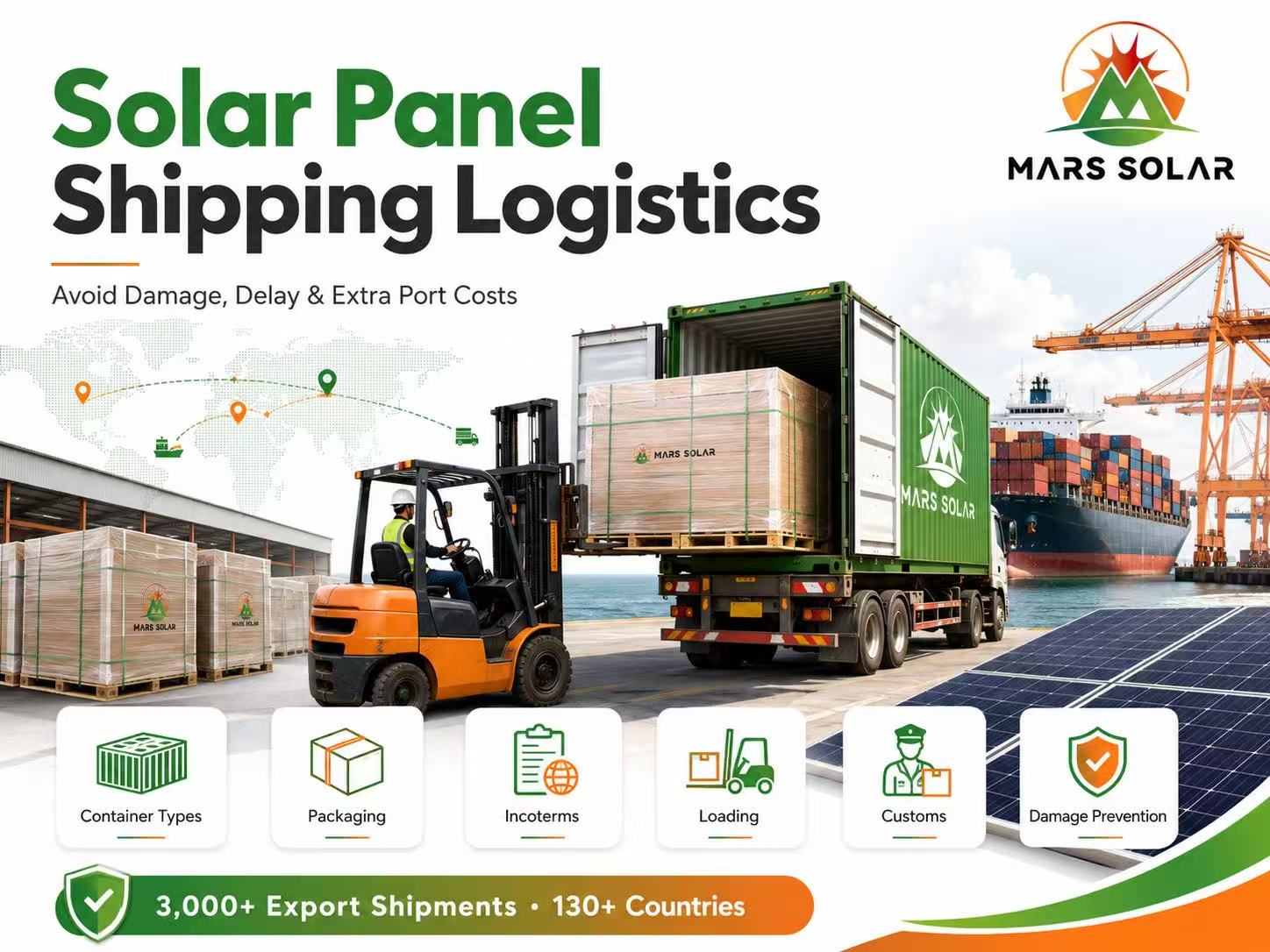 Solar Panel Shipping & Container Loading: The 2026 Complete GuideThe solar panels leaving the factory are perfect. By the time they arrive at your warehouse, 3–7% might be damaged, delivery could be 2 weeks late, and demurrage at the destination port could wipe out your margin. This 2026 guide covers container types (2
Do you like ?0
Read more