60kW Solar System Philippines: Cost, Output & Monthly Savings (2026)
60kW Solar System Philippines: Cost, Output & Monthly Savings (2026)
At a Glance
Monthly savings ₱139,000+ (at ₱14.5/kWh)
System output ~9,600 kWh/month in Cebu and Visayas
Payback period ~11 months
System price $23,500 ~$27,500 (±10%, installation included)
Suitable for Hotels, resorts, large restaurants (24/7 operations)
How Much Does a 60kW Solar System Cost in the Philippines?
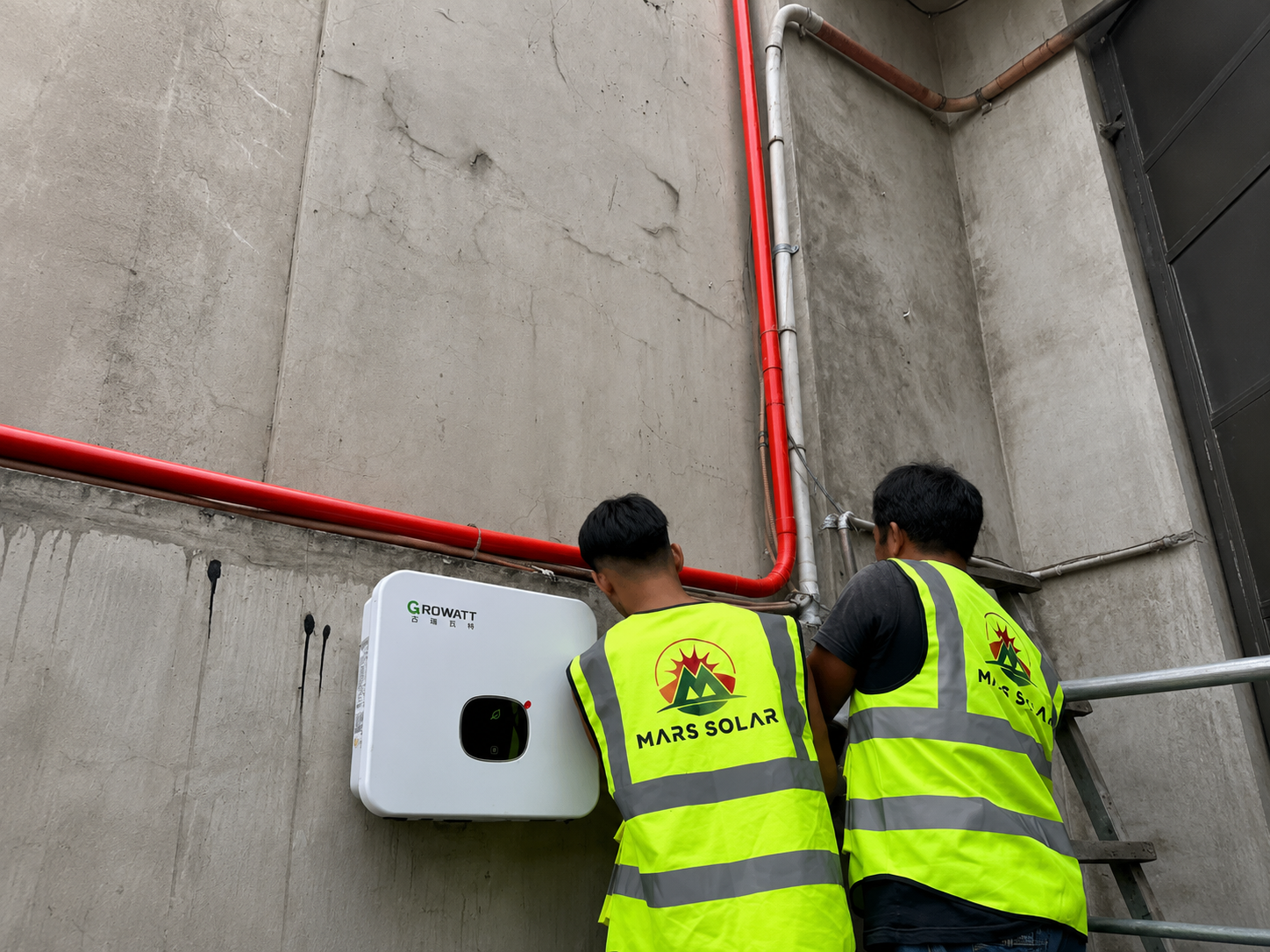
A complete 60kW commercial solar system with battery storage is priced at approximately $23,500 ~$27,500 (±10%), including engineering, solar panels, inverter, 120kWh battery storage, installation, EMS commissioning, and 2 years of maintenance support. Final pricing varies depending on configuration and site-specific requirements.
The 120kWh container-based battery is essential for 24/7 properties. Without it, solar energy generated during peak afternoon hours — when both sun AND demand are highest — goes unused or is exported at a fraction of its value. Battery storage captures that energy and dispatches it precisely when Meralco's rates are most expensive, maximizing the peso value of every kilowatt-hour generated.
System pricing factors (±10% range):
|
Factor |
Price Impact |
|
Solar panel brand & efficiency |
±5–8% |
|
Roof vs ground-mount combination |
±3–5% |
|
Battery capacity (100kWh vs 120kWh) |
±10–15% |
|
Coastal/storm engineering requirements |
±3–5% |
|
Site location & accessibility |
±2–4% |
How Much Power Does a 60kW System Generate in the Philippines?
A 60kW solar system in Cebu generates approximately 9,600 kWh per month. Cebu and the Visayas region receive approximately 5.3 peak sun hours per day on average — among the highest solar irradiance in the Philippines. At Meralco's commercial rate of ₱14.5/kWh, that's approximately ₱139,200 in direct monthly energy offset.
For reference: a typical 30-room beachfront resort consumes approximately 400–800 kWh per day (12,000–24,000 kWh per month). A 60kW system covers 40–80% of total monthly consumption depending on occupancy and air conditioning usage. The 120kWh battery stores excess daytime generation for evening use, further reducing grid dependency.
Seasonal variation: summer months (March–May) generate 10–15% above average; monsoon months (July–October) generate 5–15% below average. The EMS continuously optimizes battery dispatch to maintain maximum savings year-round.
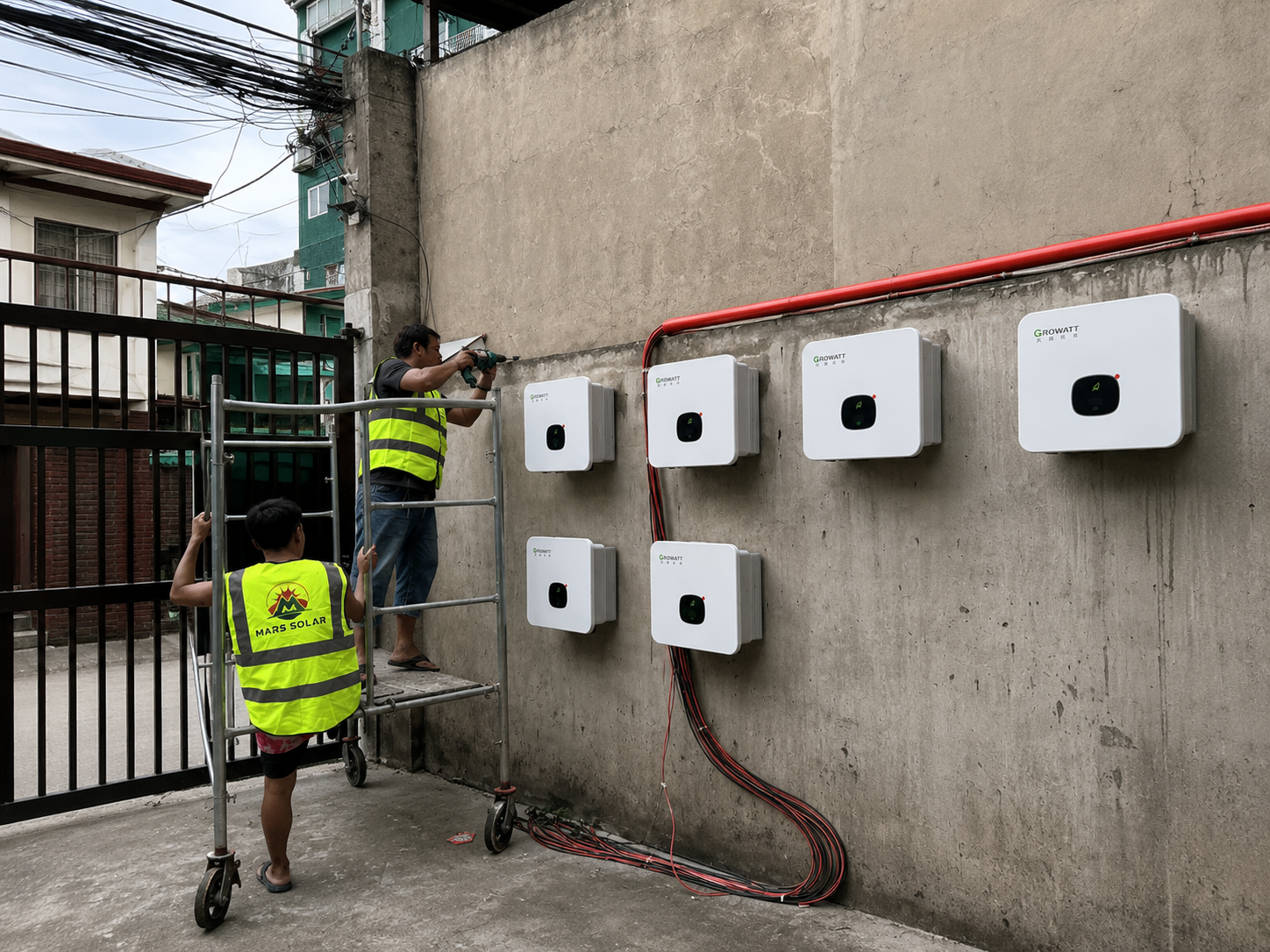
60kW Solar System Specifications — What's Included?
A commercial-grade 60kW + 120kWh system designed for Philippine 24/7 operations:
|
Component |
Specification |
|
Solar array |
60kW (rooftop + ground-mount hybrid) |
|
Battery storage |
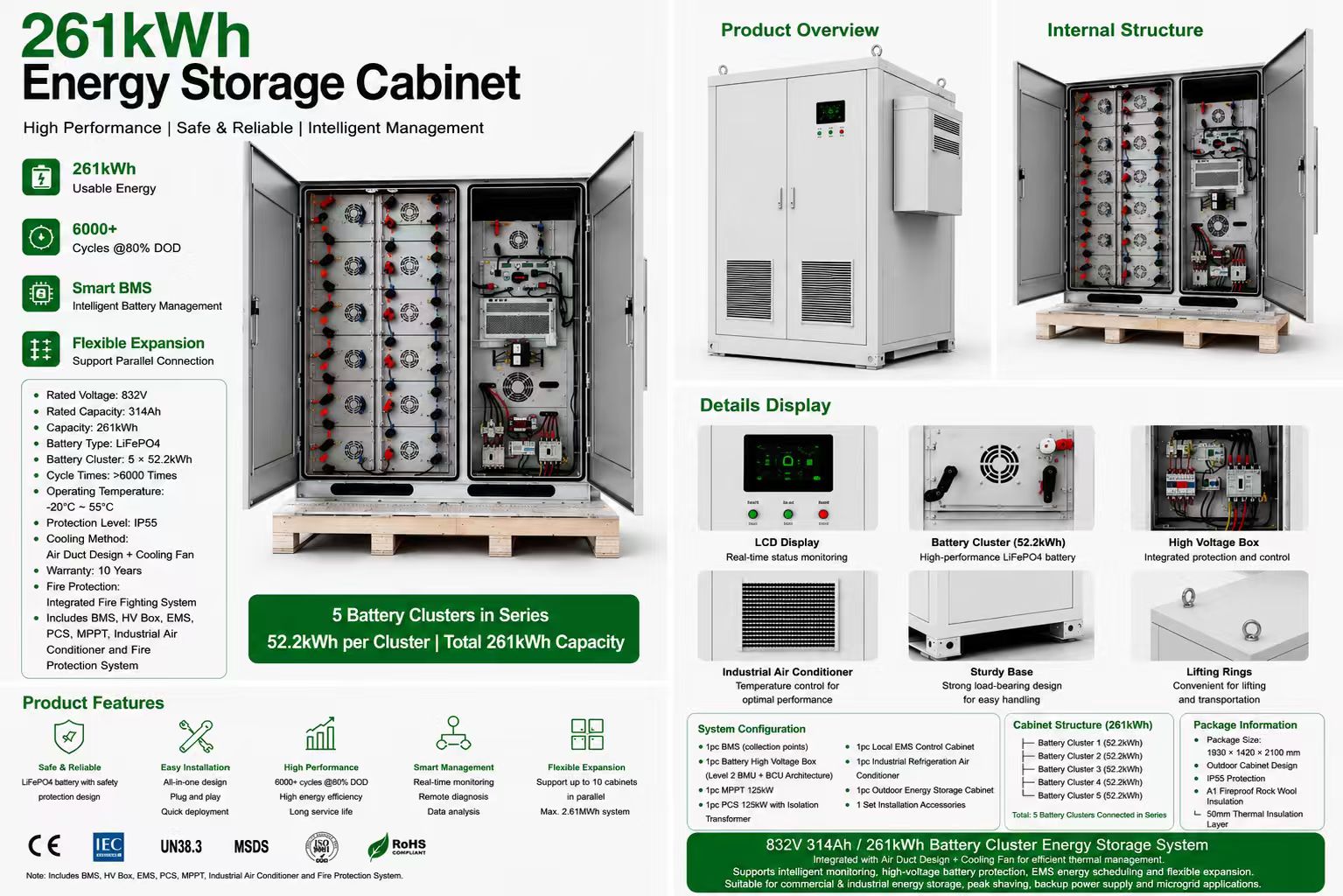
120kWh Li-ion, container-based, IP54 outdoor-rated |
|
Thermal management |
Active cooling for ambient temps above 35°C |
|
Energy Management System |
Cloud-monitored, 3-mode auto-optimization |
|
Backup switching |
Full-facility, sub-second automatic transfer |
|
Backup duration |
4–6 hours at typical resort load |
|
Panel warranty |
25-year linear power output warranty |
|
Battery warranty |
10 years or 6,000 cycles |
|
Storm rating |
IP54, marine-grade coatings, typhoon-rated mount |
|
Installation time |
5 working days (pre-commissioned system) |
Case Study: Cebu Beachfront Resort Saves ₱139,000+ Per Month
A 30-room beachfront resort on Cebu Island was spending over ₱250,000 per month on electricity — second only to staffing costs. The resort operates 24/7 with central air conditioning, two pool circulation pumps, hot water systems, kitchen refrigeration, restaurant equipment, laundry facilities, and full-property lighting.
After installing a 60kW solar + 120kWh battery storage system:
• Monthly electricity bill reduction: ₱139,000+
• Annual savings: approximately ₱1,668,000+
• System payback: approximately 16 months
• 25-year net benefit (conservative estimate): ₱30,300,000+
• Lifetime ROI: 2,000%+
The 120kWh battery covered all critical loads during two typhoon-related grid failures: guest room air conditioning (reduced settings), pool pumps, refrigeration, cold storage, lighting, and internet all remained operational. Diesel generator dependency was eliminated for standard outages. Complete installation took 5 working days with no disruption to operations.
ROI & Payback: 11 Months with ₱30M+ 25-Year Net Benefit
Here's the financial case for a 60kW + 120kWh system at current Cebu commercial electricity rates (₱14.5/kWh):
|
Item |
Value |
|
System price range |
$23,500 ~$27,500 (±10%) |
|
Approximate PHP equivalent |
₱1,331,000–₱1,627,000 |
|
Monthly bill reduction |
₱139,000+ |
|
Annual savings |
₱1,668,000+ |
|
Payback period |
~16 months |
|
25-year net benefit (conservative) |
₱30,300,000+ |
|
Lifetime ROI |
2,000%+ |
Year-by-year: the system recovers its cost within 16 months. Years 2–5 generate approximately ₱6,672,000 in pure savings. Battery replacement (around year 12–15) is the only significant maintenance cost. Even accounting for this, the 25-year net benefit is approximately ₱30,300,000+. With historical Philippine electricity price increases of 5–8% annually, actual lifetime returns will likely be substantially higher.
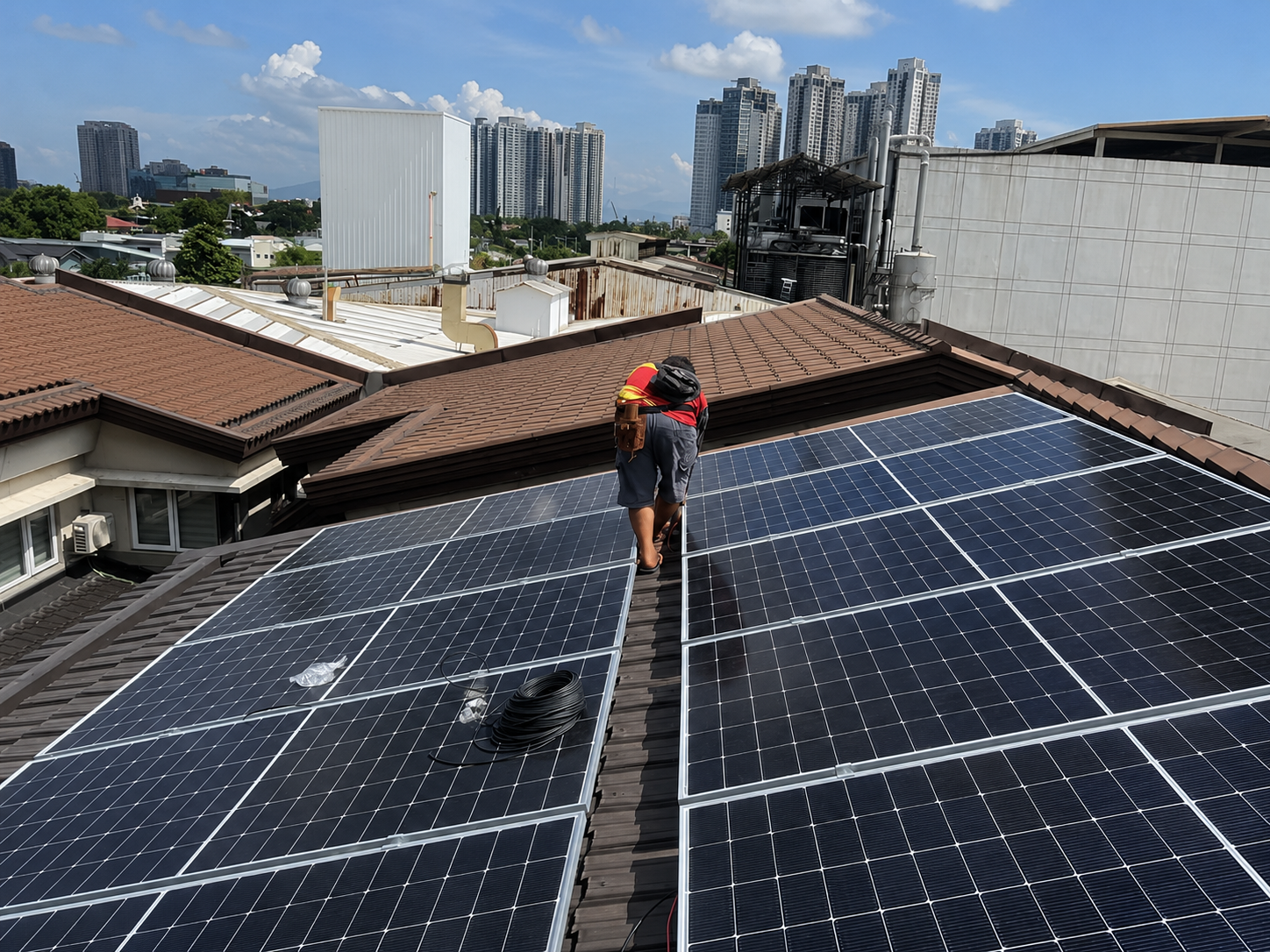
How Does a 60kW Solar System Handle Typhoons and Grid Failures?
The 120kWh battery provides automatic backup within milliseconds of any grid failure — tropical storm, equipment fault, or scheduled outage — with no manual intervention required. The EMS detects the interruption instantly and seamlessly switches the entire facility to battery power.
Critical loads covered during outages (4–6 hours at typical resort load):
• All guest room air conditioning (reduced settings)
• Two swimming pool circulation pumps (reduced mode)
• Kitchen refrigeration and cold storage
• Restaurant essential equipment
• Emergency and corridor lighting
• Internet, security systems, and point-of-sale
The IP54 battery enclosure, typhoon-rated mounting fasteners, and marine-grade structural coatings are engineered to survive Category 4-equivalent storm conditions. The EMS includes a storm-mode feature that automatically reserves additional battery capacity when severe weather is forecast.
Frequently Asked Questions
Q1. How much does a 60kW solar system cost in the Philippines?
A turnkey 60kW commercial solar + 120kWh battery storage system is priced at approximately $23,500 ~$27,500 (±10%). At current exchange rates, this translates to approximately ₱1,479,000. The ±10% range reflects configuration differences — for example, a larger 200kWh battery or enhanced coastal storm engineering moves pricing toward the upper end. Standard configurations on straightforward sites fall at or below the base price. Request a site-specific quote for accurate final pricing.
Q2. How many panels does a 60kW solar system need?
Using standard 500W commercial panels, a 60kW system requires approximately 120 panels. Higher-wattage panels (550–670W) reduce the count to 90–110 panels. Roof and ground space requirement is approximately 300–400 sqm of unobstructed area. The hybrid rooftop + ground-mount configuration allows flexible positioning to maximize sun exposure while minimizing roof loading.
Q3. How long does it take to install a 60kW solar system?
A pre-commissioned 60kW + 120kWh system is installed in 5 working days. Day 1: rooftop and ground-mount solar installation. Day 2: battery container positioning and electrical connections. Day 3: EMS configuration and grid synchronization. Day 4: full system testing including simulated grid failure. Day 5: final inspection, commissioning documentation, and operator training. The facility remains fully operational throughout. A site survey and permitting typically adds 1–2 weeks before installation begins.
Q4. Is a 60kW solar system worth it for a resort or hotel in the Philippines?
Yes — for a 20–50 room resort with monthly electricity bills of ₱150,000 or more, a 60kW + 120kWh system typically pays back in under 12 months. Philippine commercial electricity rates (currently ₱14.5/kWh) are among the highest in Southeast Asia, and 24/7 hospitality properties have no ability to avoid peak-rate consumption without battery storage. The combination of high rates, 24/7 operation, and storm-related grid vulnerability creates the strongest commercial solar business case in the region.
Q5. What happens during a power outage with a 60kW solar + battery system?
The 120kWh battery instantly switches the entire resort to backup power within milliseconds of any grid failure. All critical loads (air conditioning, pool pumps, refrigeration, lighting, internet) remain operational for 4–6 hours at typical resort load levels. The IP54-rated, typhoon-engineered battery system is designed to survive Category 4 storm conditions. The EMS storm-mode automatically reserves extra battery capacity when severe weather is forecast.
Q6. Does the system work in the Philippines' hot and humid coastal climate?
Yes — this system is engineered specifically for Philippine tropical coastal conditions: high humidity, salt spray, intense UV radiation, and typhoon-force winds. The battery container uses active thermal management to maintain optimal operating temperatures at ambient temperatures above 35°C. All structural components use marine-grade or salt-spray-resistant coatings. The IP54-rated enclosure protects all critical electronics. This configuration has been deployed across multiple Philippine coastal properties and is proven in these operating conditions.
Ready to Cut Your Energy Costs? Mars Solar offers free energy audits for Philippine resorts and hospitality properties. Visit solarpowermanufacturer.com for a customized proposal.
Sources: meralco.com.ph/business/rates | solarpowermanufacturer.com
-
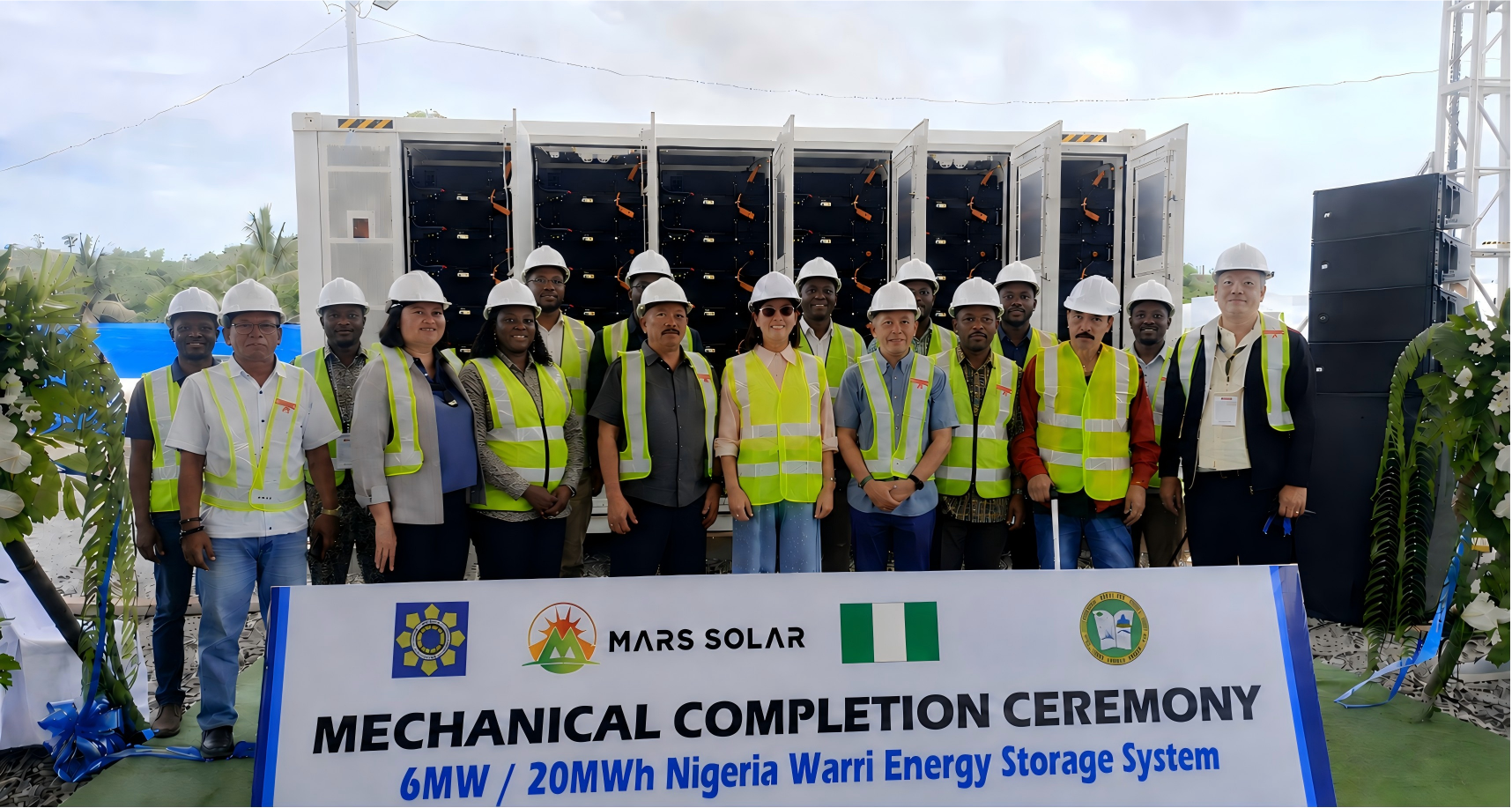 6MW 20MWh Solar Storage in Nigeria Factory + Farm + Residential Case StudyA 6MW solar PV + 20MWh LFP battery storage system in Nigeria powers an integrated factory, farm, and residential complex. The system delivers $108,000+ in monthly electricity savings, reaches payback in approximately 24 months, and provides 25 years of renewable power. This case study covers the engineering configuration, financial model, and operational performance of one of West Africa's most ambitious factory + farm + residential solar deployments.
Do you like ?0
Read more -
 BESS in Nigeria 2026: Battery Energy Storage Cost, Diesel Payback & Import GuideBESS in Nigeria: 2026 pricing, diesel payback, SONCAP, China import guide. Save 60%+ vs diesel. Factory-direct LFP from Mars Solar.
Do you like ?0
Read more -
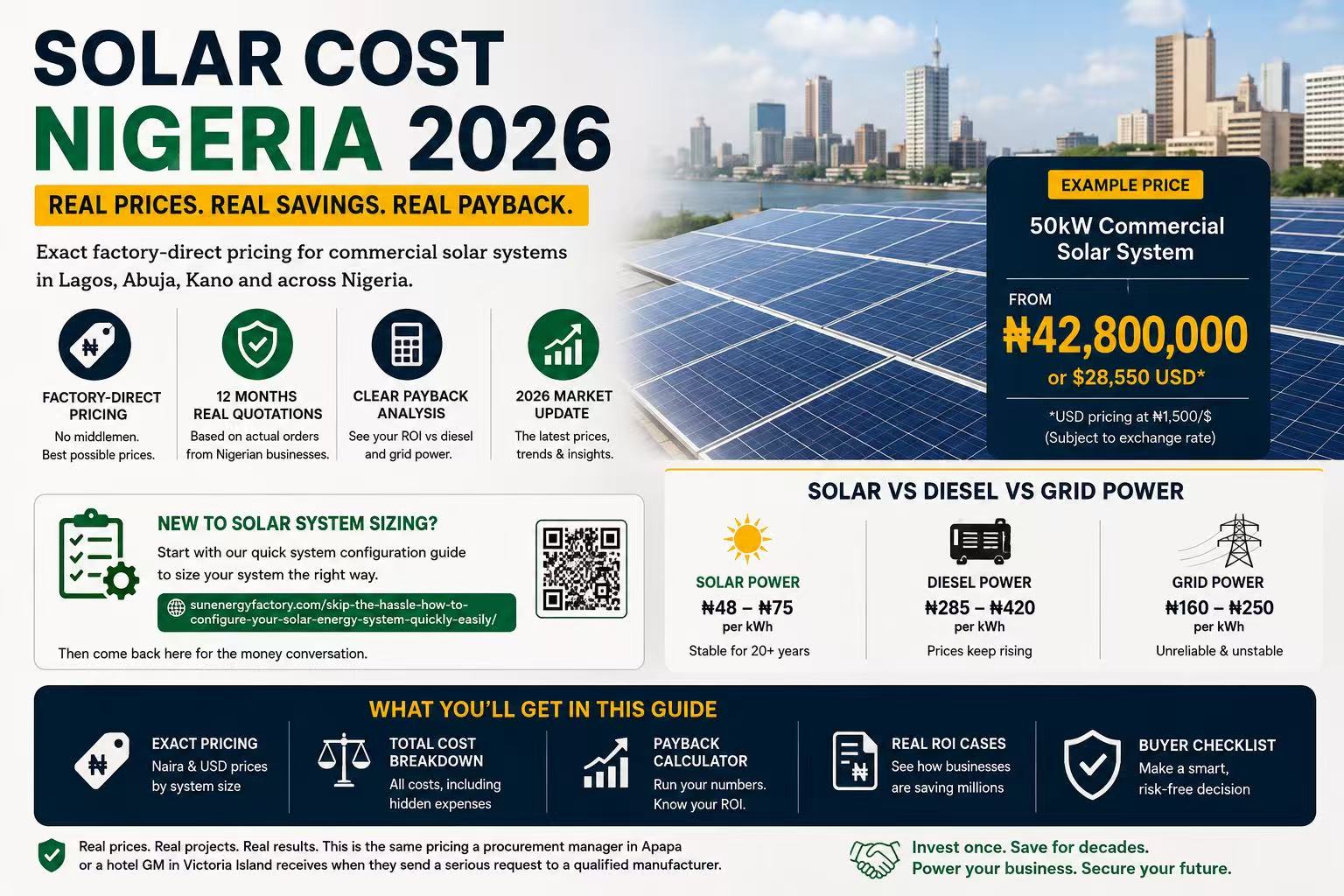 How Much Does Solar Cost in Nigeria? 2026 Real Pricing GuideSolar cost in Nigeria for 5kW to 250kW systems, in Naira and USD. Compare solar vs diesel vs grid, calculate payback, and explore financing options.
Do you like ?0
Read more -
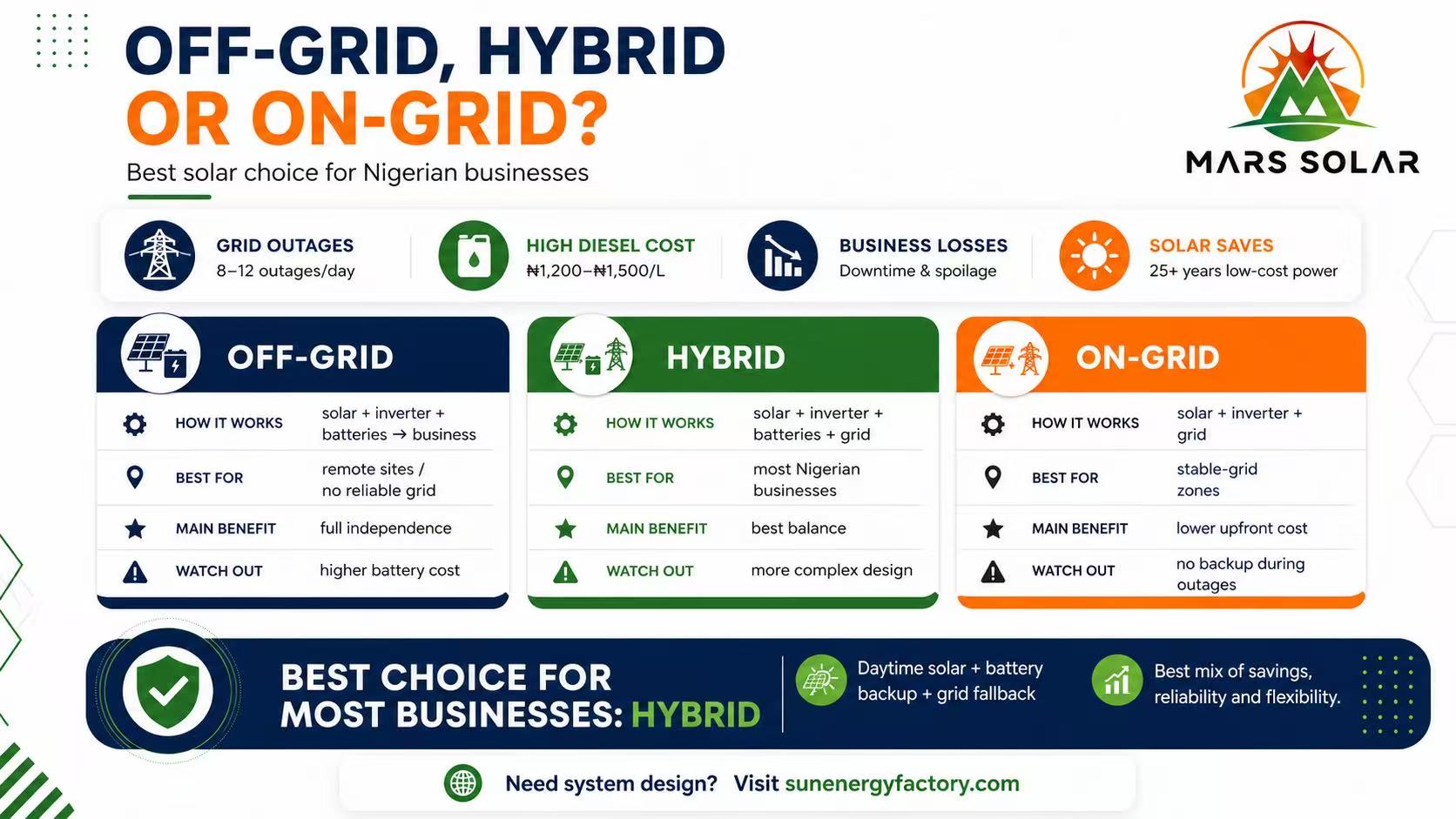 Solar Power Nigeria 2026: Off-Grid vs Hybrid vs On-GridNigeria’s unreliable grid and soaring diesel costs are forcing business owners to take solar seriously. But the biggest question remains: which system — off-grid, hybrid, or on-grid? This 2026 guide breaks down all three solar architectures for Nigeria
Do you like ?0
Read more -
 Solar Panel Certifications Explained: IEC, UL, TÜV, CE, ISO — The 2026 GuideA solar panel without proper certifications is unsellable in 90% of international markets. This 2026 guide explains every major certification — IEC 61215, IEC 61730, UL 61730, TÜV, CE, ISO 9001/14001/45001 — what it tests, who issues it, which markets req
Do you like ?0
Read more -
 Solar Panel Shipping & Container Loading: The 2026 Complete GuideThe solar panels leaving the factory are perfect. By the time they arrive at your warehouse, 3–7% might be damaged, delivery could be 2 weeks late, and demurrage at the destination port could wipe out your margin. This 2026 guide covers container types (2
Do you like ?0
Read more