South Africa becomes the country with more than 1GW of solar energy in Africa
Quick answer: A 2KW solar system of this configuration produces about 12.6KWH per day from 6x350W monocrystalline panels and driven by a 2KW/2.8KVA inverter. Built by Mars Solar (factory since 2008), CE/ROHS certified, 25-year panel life, shipped factory-direct to 130+ countries.
The World Wide Fund for Nature recently released a report saying that South Africa became the first country on the African continent to achieve more than 1 GW of solar power generation Solar System For Household. This shows that the South African government has been actively promoting energy structure reforms in recent years.
The report believes that policy promotion is an important driving force for the rapid development of South Africa's solar energy industry. In order to meet the demand for electricity brought by economic growth and reduce the impact of traditional power companies on the environment, the South African government has revised the "South Africa Integrated Resource Plan" year by year, which is planned to achieve a cumulative installed capacity of 27.6 GW of renewable energy by 2030 , So that nearly half of the country's energy supply comes from renewable energy sources, of which solar power generation is about 8 GW. The average annual sunshine time in most parts of South Africa exceeds 2500 hours, and the average daily solar radiation level is nearly 40% higher than that in Europe. This makes South Africa one of the countries with the highest solar power potential in the world.
In order to encourage more private companies, especially small and medium power companies, to actively participate, South Africa has introduced the "Renewable Energy Independent Power Producers Procurement Plan" to stimulate market demand by means of electricity price bidding. In May 2019, the South African Energy Authority announced that renewable energy projects below 500 MW no longer require ministerial approval, and there are hundreds of such projects waiting for approval before, most of which are only 10-20 MW of small solar power projects. Since then, the total installed capacity of solar power in South Africa has shown a blowout growth, and more self-sufficient solar power projects have achieved grid-connected power generation.
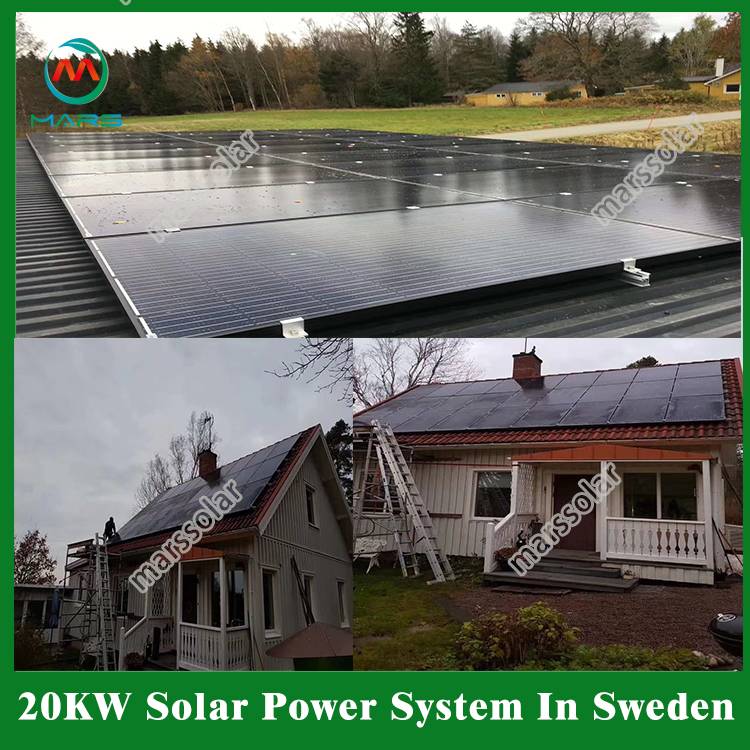
At the same time, the South African government is actively promoting the application of solar energy throughout the country, popularizing solar water heaters, solar traffic lights and solar street lights. The South African National Electricity Company has introduced a preferential policy. Consumers who purchase a solar water heating system can receive a subsidy of 20% of the total price provided by the company. South Africa allows local governments to formulate their own power procurement or production plans, and Cape Town and Johannesburg are planning to build solar power plants managed by the local governments. In large cities in South Africa, more and more villas and low-rise apartment buildings have installed solar panels on their roofs. This approach has become standard in many newly built communities.
Industry insiders believe that the development of South Africa's solar energy industry is also facing challenges. A recent survey conducted by the National Energy Association of South Africa shows that the actual service life of many solar projects is less than half of the time stipulated in the bidding. This requires the relevant South African regulatory authorities to set higher standards in project approval and subsequent quality assurance services. South Africa’s "Daily Business Daily" reported that for some time to come, the development of South Africa’s solar power market should focus on improving quality and efficiency, instead of blindly pursuing expansion.
-
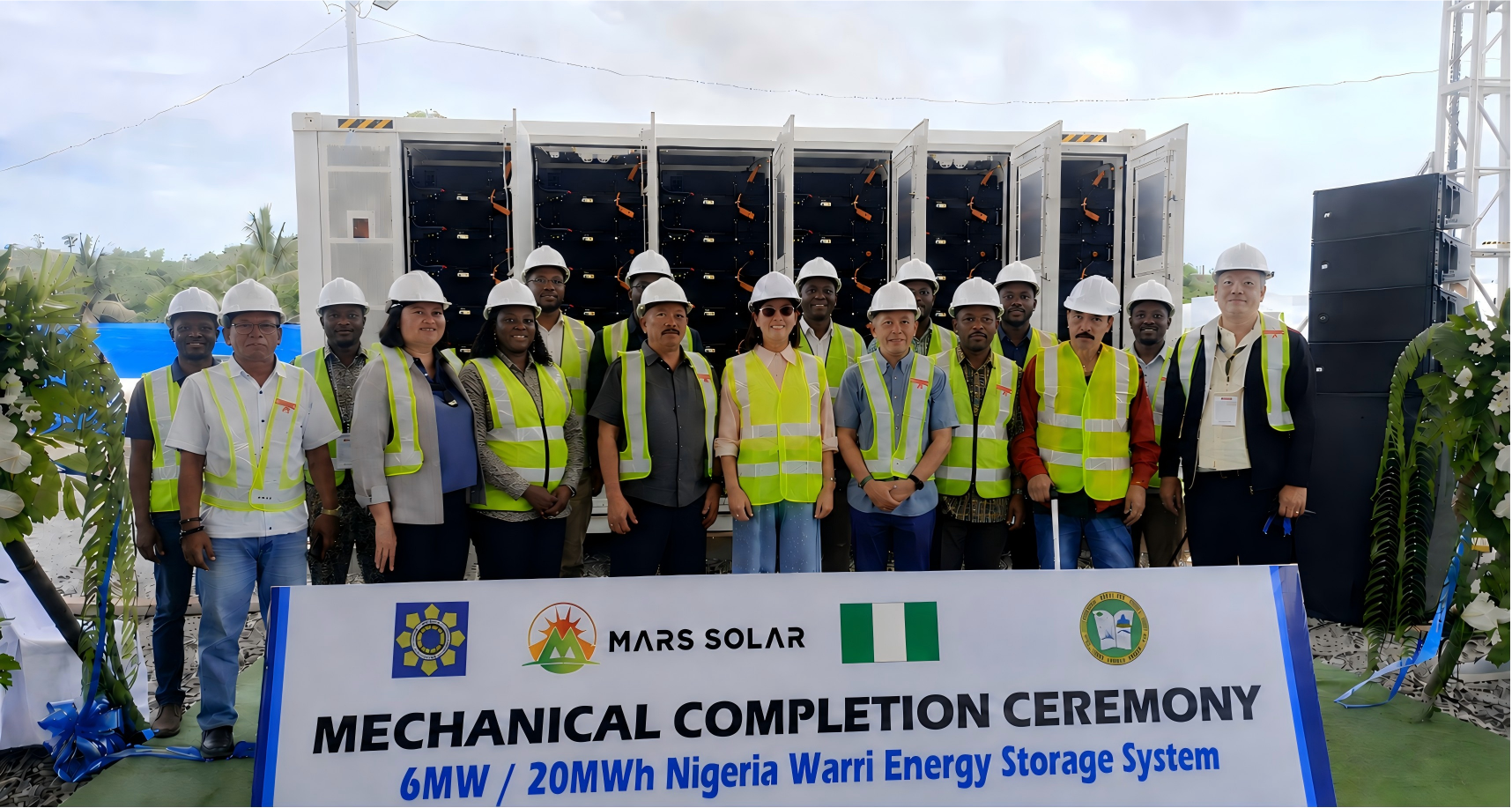 6MW 20MWh Solar Storage in Nigeria Factory + Farm + Residential Case StudyA 6MW solar PV + 20MWh LFP battery storage system in Nigeria powers an integrated factory, farm, and residential complex. The system delivers $108,000+ in monthly electricity savings, reaches payback in approximately 24 months, and provides 25 years of renewable power. This case study covers the engineering configuration, financial model, and operational performance of one of West Africa's most ambitious factory + farm + residential solar deployments.
Do you like ?0
Read more -
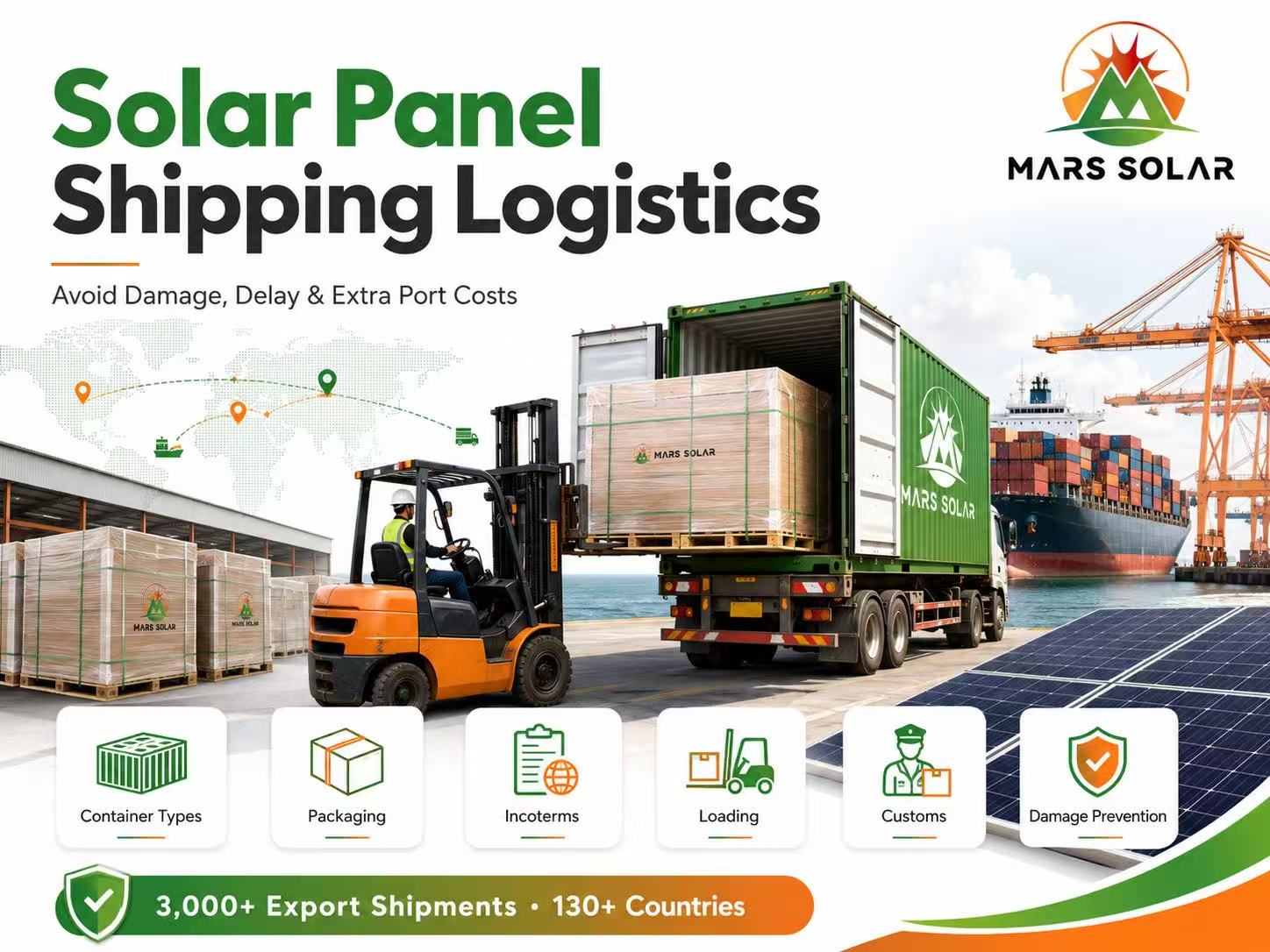 Solar Panel Shipping & Container Loading: The 2026 Complete GuideThe solar panels leaving the factory are perfect. By the time they arrive at your warehouse, 3–7% might be damaged, delivery could be 2 weeks late, and demurrage at the destination port could wipe out your margin. This 2026 guide covers container types (2
Do you like ?0
Read more -
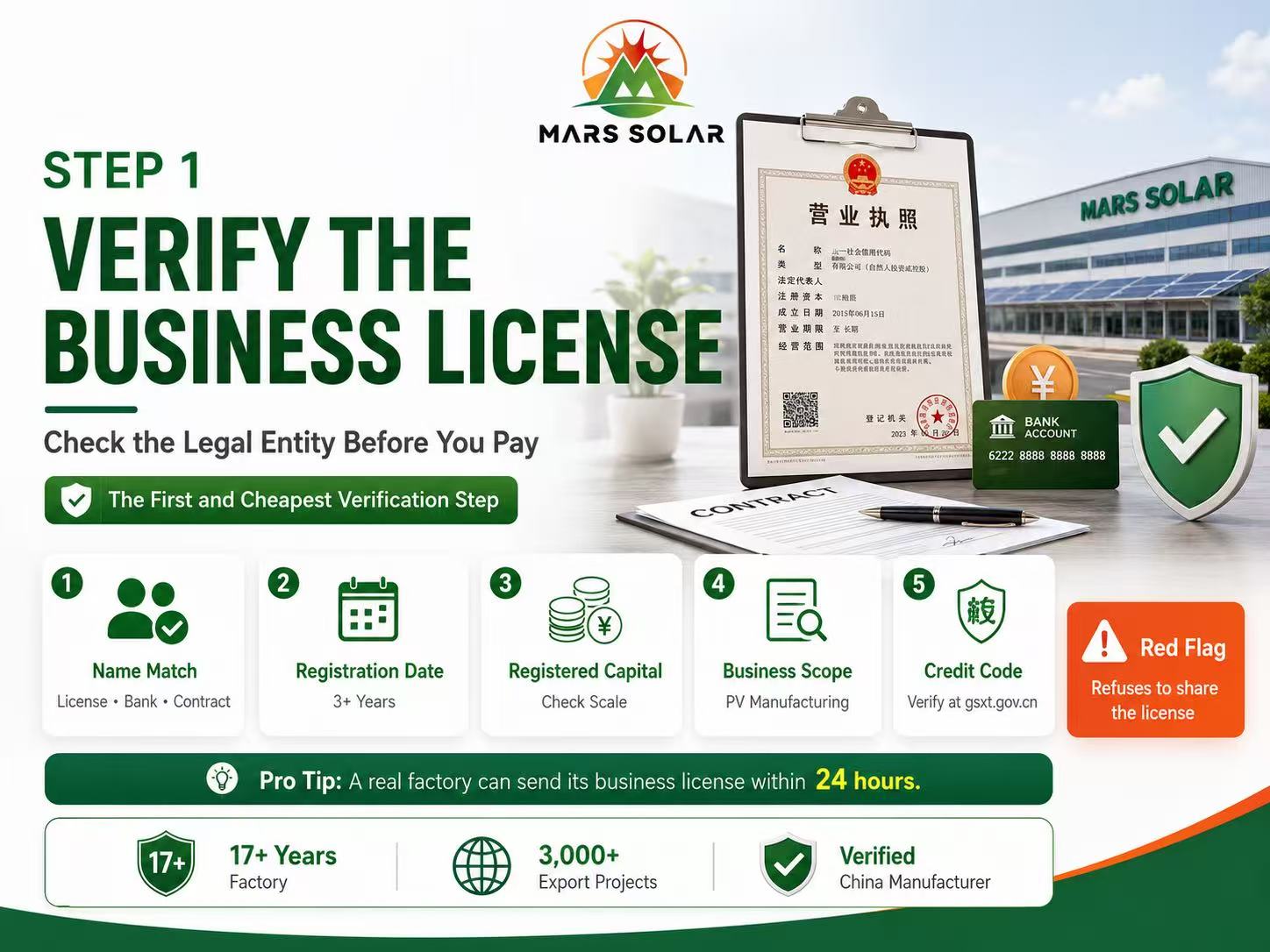 Solar Panel Factory Verification: The 7-Step Due Diligence GuideEvery year, international solar buyers lose millions to fraudulent suppliers — fake certificates, empty factories, and panels that don't match spec. This 7-step verification guide shows you exactly how to qualify any China solar factory before you wire mo
Do you like ?0
Read more -
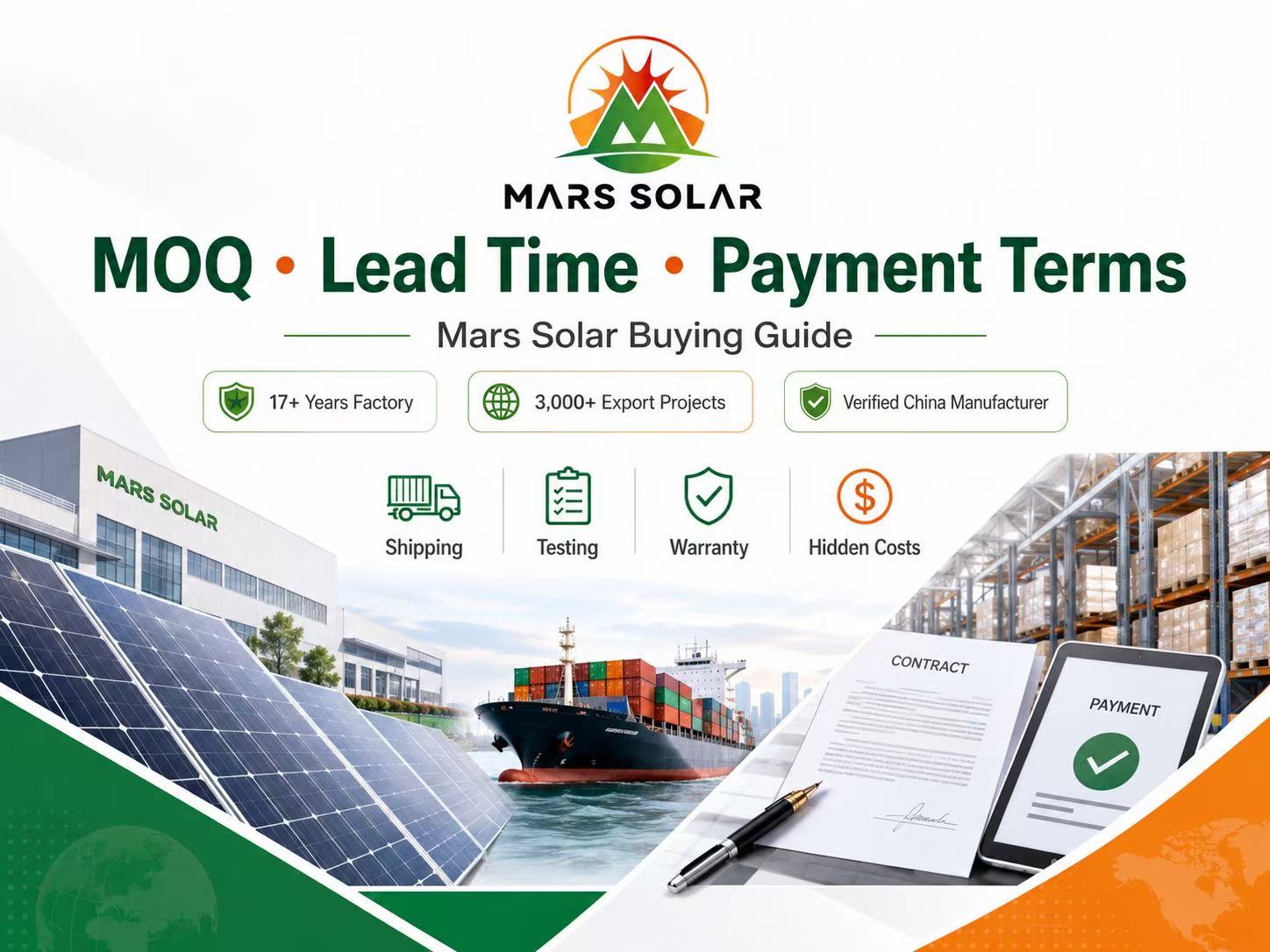 Solar Panel MOQ, Lead Time & Payment Terms: The Complete 2026 Buyer's GuideMOQ, lead time, and payment terms are the 3 questions every solar buyer asks — and the 3 answers most suppliers hide behind vague emails. This guide gives you complete, honest answers from a verified China factory with 17+ years and 3,000+ export projects
Do you like ?0
Read more -
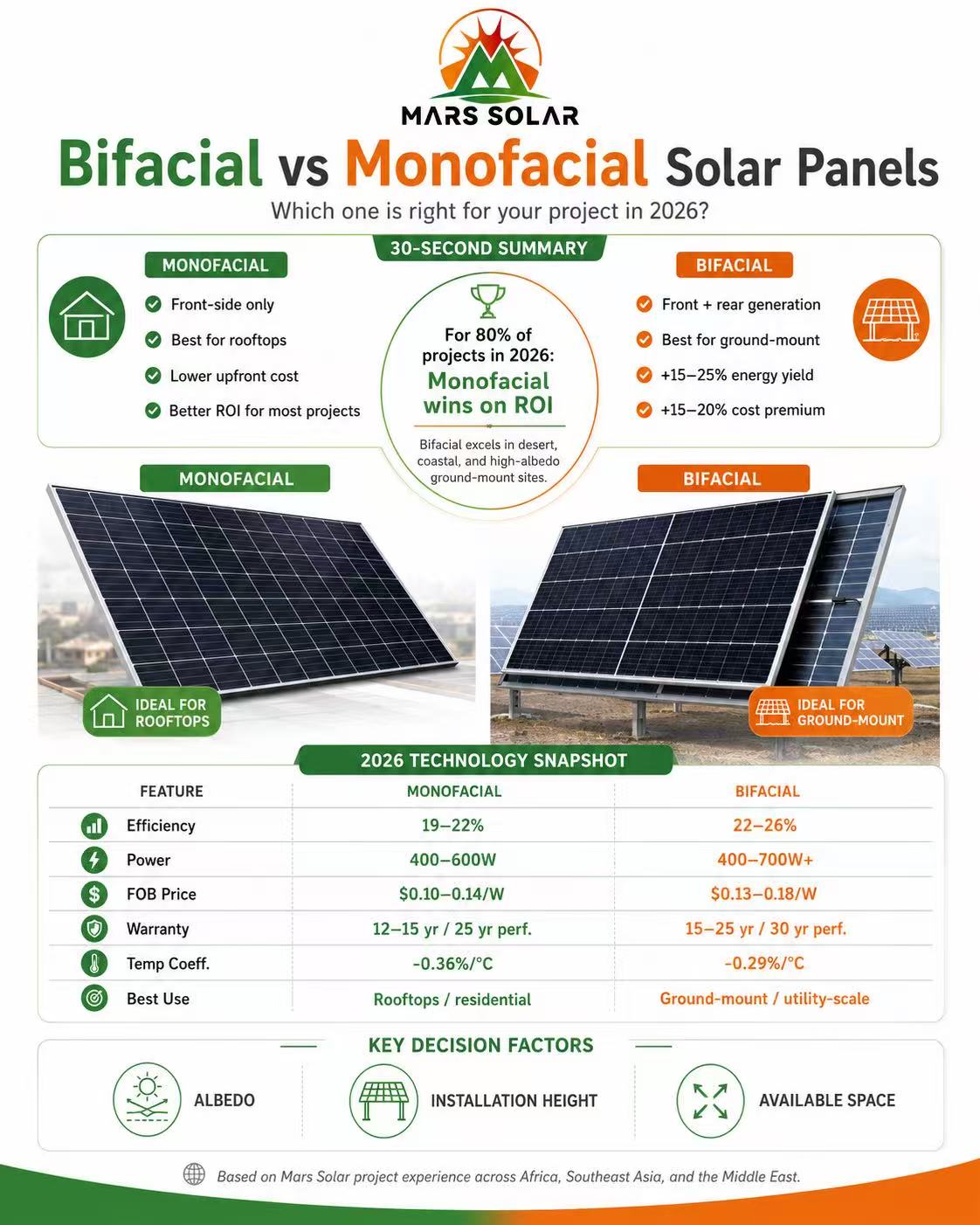 Solar Panel Selection Guide: Monofacial vs. Bifacial — 2026 EditionMonofacial and bifacial solar panels look identical but deliver 15-25% output difference. This 2026 guide compares 15 technical parameters, analyzes 5 real project ROI cases (Nigeria, Philippines, Ghana, Kenya, DRC), and gives you 3 decision frameworks to
Do you like ?0
Read more -
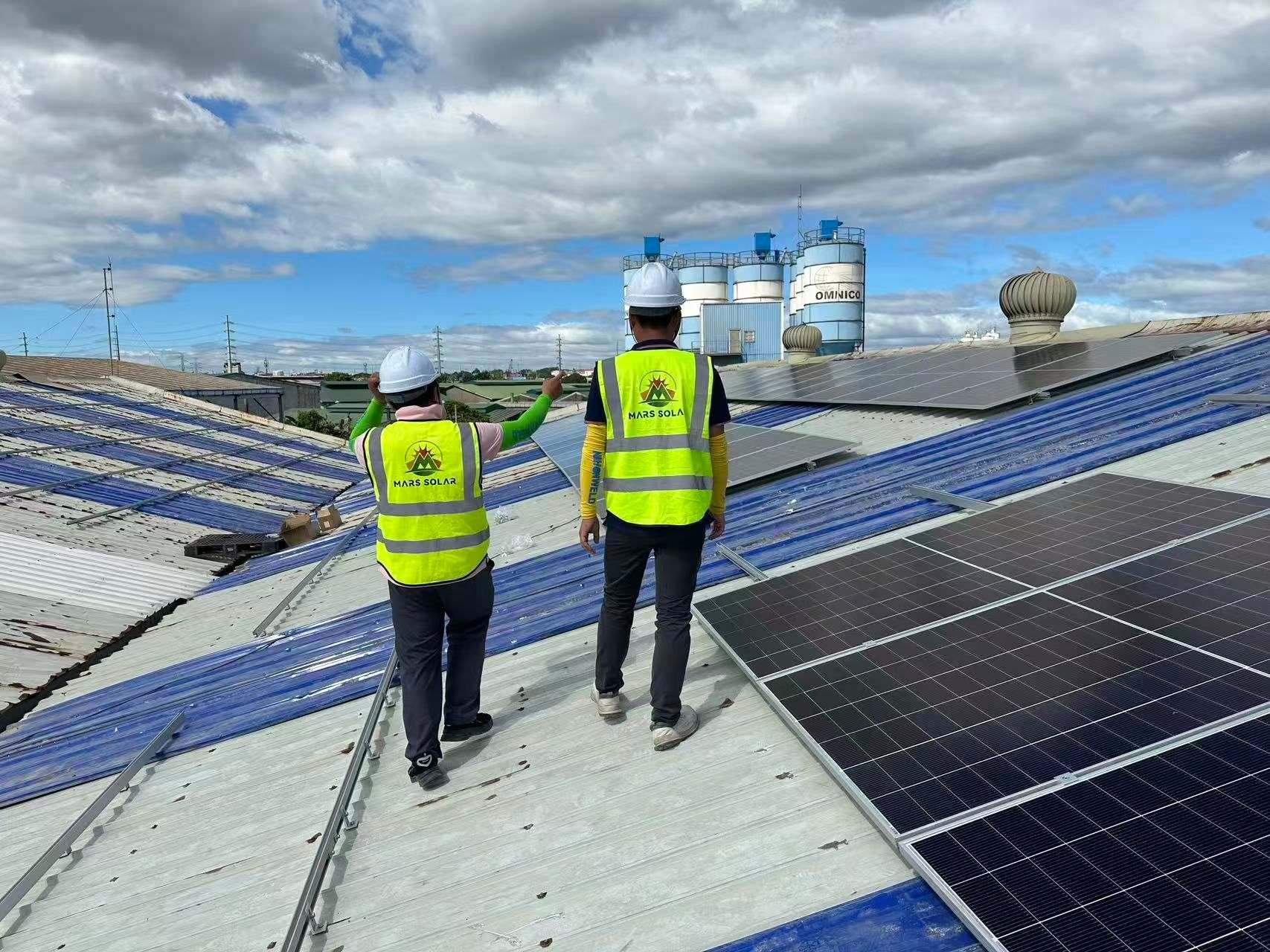 Top 10 Solar Panel Manufacturers China 2026 | Best BrandsDiscover the top 10 solar panel manufacturers China 2026. Compare Jinko, LONGi, Trina & more. Find Tier 1 suppliers.
Do you like ?0
Read more