New nano-pyramid structure increases solar panels power generation by 2.5%
At present, the conversion efficiency of solar panels is 15%-21%. How to improve the conversion efficiency of solar panels is a common problem. Many scholars in academia have proposed various options for this problem.
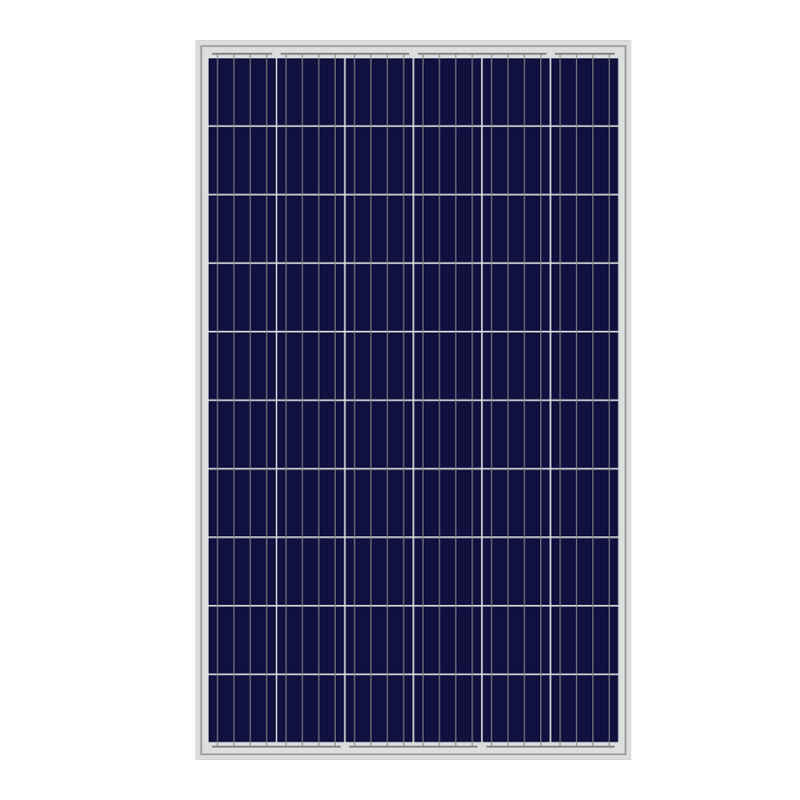
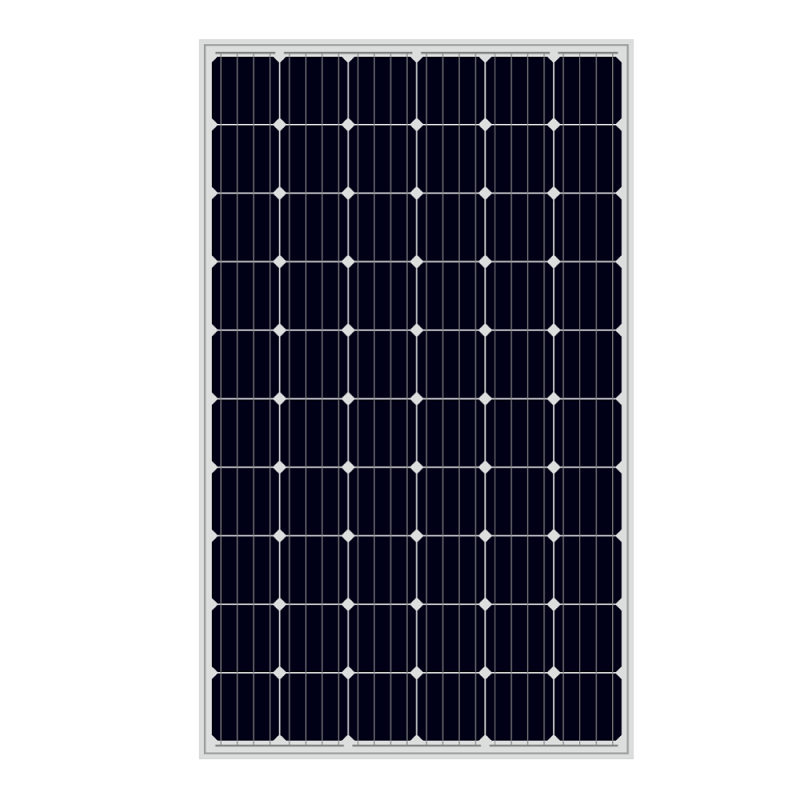
For example, Yale University research team uses the material “diatom” and its light-harvesting ability to improve the conversion efficiency of organic solar panels; the research team at the University of California at Berkeley uses the bacteria developed as materials for efficient conversion of light energy; Engineers at the California Institute of Technology have developed a photodetector using nanophotonics and thermoelectric technology to improve the efficiency of solar panels conversion. Recently, in response to this problem, Professor Shen Wenzhong and his team at the Solar Energy Research Institute of Shanghai Jiaotong University have also given their own research solutions with nanotechnology.
The research team pointed out that due to the rotation and revolution of the Earth, the incident angle of sunlight to solar pv is different at different times and at different times of the day. Generally, as the incident angle increases, the loss of reflected light will be more serious. Therefore, based on this thinking, the research team said that by solving the angle problem, the number of photons captured by the solar pv can be increased, thereby effectively increasing the solar energy generation of the solar panel.
At the same time, the research team also pointed out that although the chasing system can be used to solve this problem, the adoption of the solar energy system requires high costs. Therefore, the cost factor also needs to be considered. Faced with these two challenges, the research team used the full solution method to prepare a silicon nanopyramid structure array on the surface of solar pv, which greatly weakened the solar ennergy panel reversal ability to the angle of incidence, and improved the all-weather and year-round capture of the sun.
It is worth noting that in the selection of nanostructured materials, nanowires, nanopores, and nanocones have superior wide angle reduction performance. The study found that in addition to the nano-pyramid structure, other nano-structured materials have a large specific surface area, so it is easy to cause serious surface carrier recombination loss, and the conductivity is greatly reduced, and the nano-pyramid structure material is superior. The optical properties have both low carrier recombination characteristics. In addition, there are also nano pyramid pyramid production methods, but the existing methods are costly and complicated in production methods, which is not conducive to promotion and use in solar pv production lines.
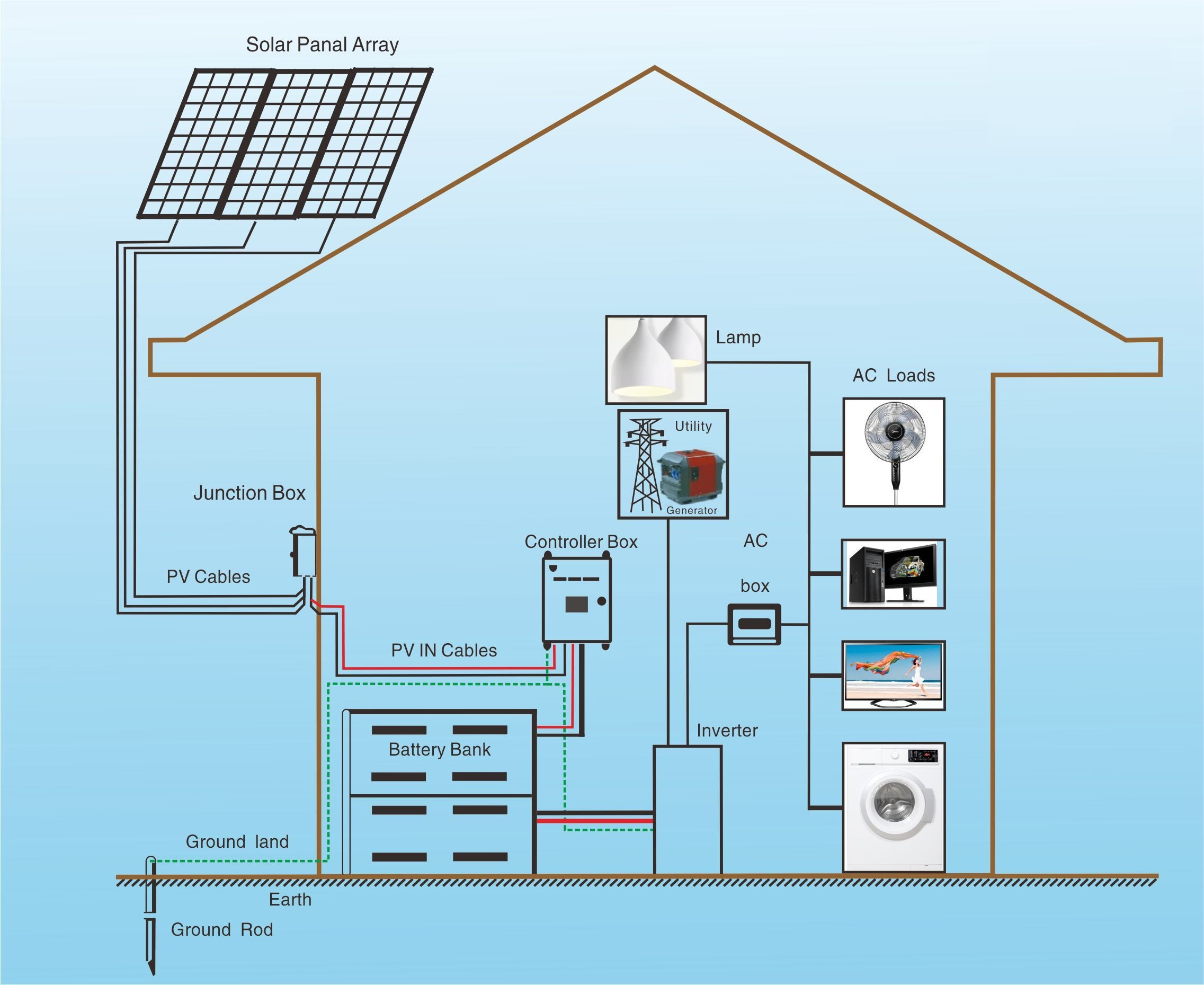
In response to this problem, in the production of nano-pyramid materials, the research team used their own metal-assisted alkali etching method to prepare silicon nanopyramid suede. This is a full solution preparation process that is simple and inexpensive to manufacture and is compatible with existing production lines.
It is reported that the research team conducted experiments in Shanghai with this new type of solar panels uk. The results show that the battery can be increased by up to 2.5% compared to conventional solar panels uk in terms of power generation.
After a series of improvements, whether it is technology or production cost requirements, this nano-pyramid suede battery is the preferred of its kind, it can maintain superior battery performance in all directions and achieve higher power generation.
-
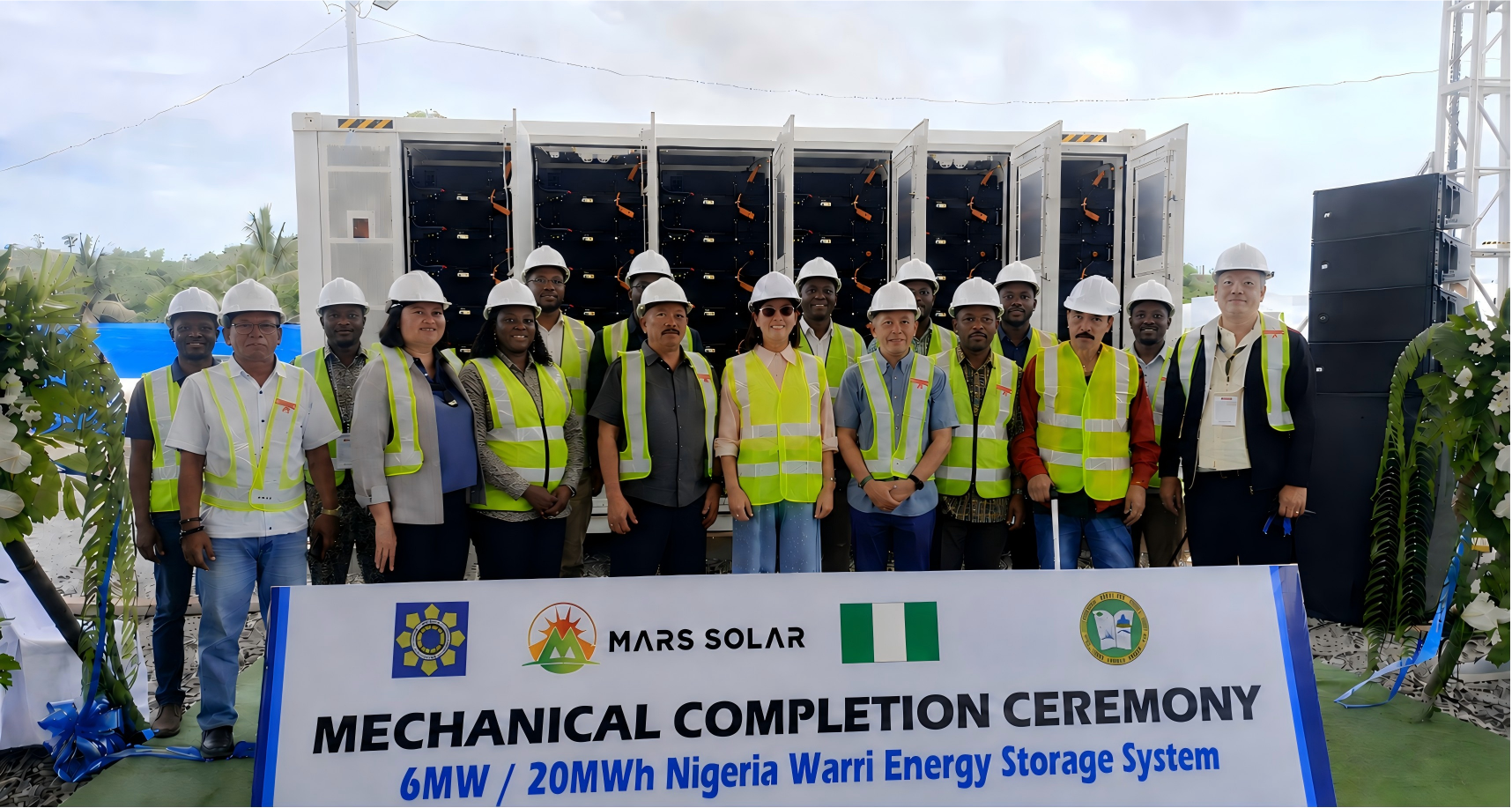 6MW 20MWh Solar Storage in Nigeria Factory + Farm + Residential Case StudyA 6MW solar PV + 20MWh LFP battery storage system in Nigeria powers an integrated factory, farm, and residential complex. The system delivers $108,000+ in monthly electricity savings, reaches payback in approximately 24 months, and provides 25 years of renewable power. This case study covers the engineering configuration, financial model, and operational performance of one of West Africa's most ambitious factory + farm + residential solar deployments.
Do you like ?0
Read more -
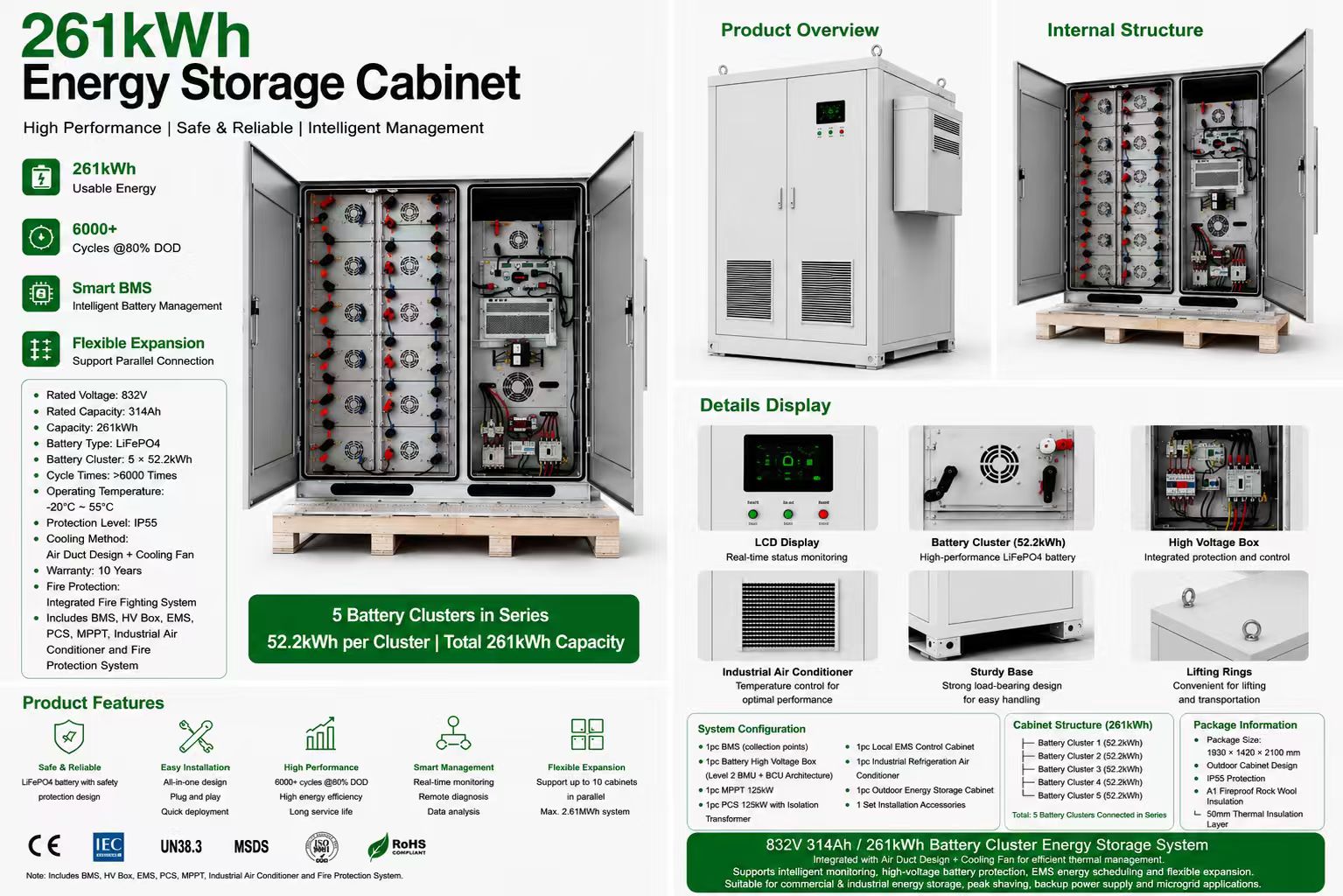 BESS in Nigeria 2026: Battery Energy Storage Cost, Diesel Payback & Import GuideBESS in Nigeria: 2026 pricing, diesel payback, SONCAP, China import guide. Save 60%+ vs diesel. Factory-direct LFP from Mars Solar.
Do you like ?0
Read more -
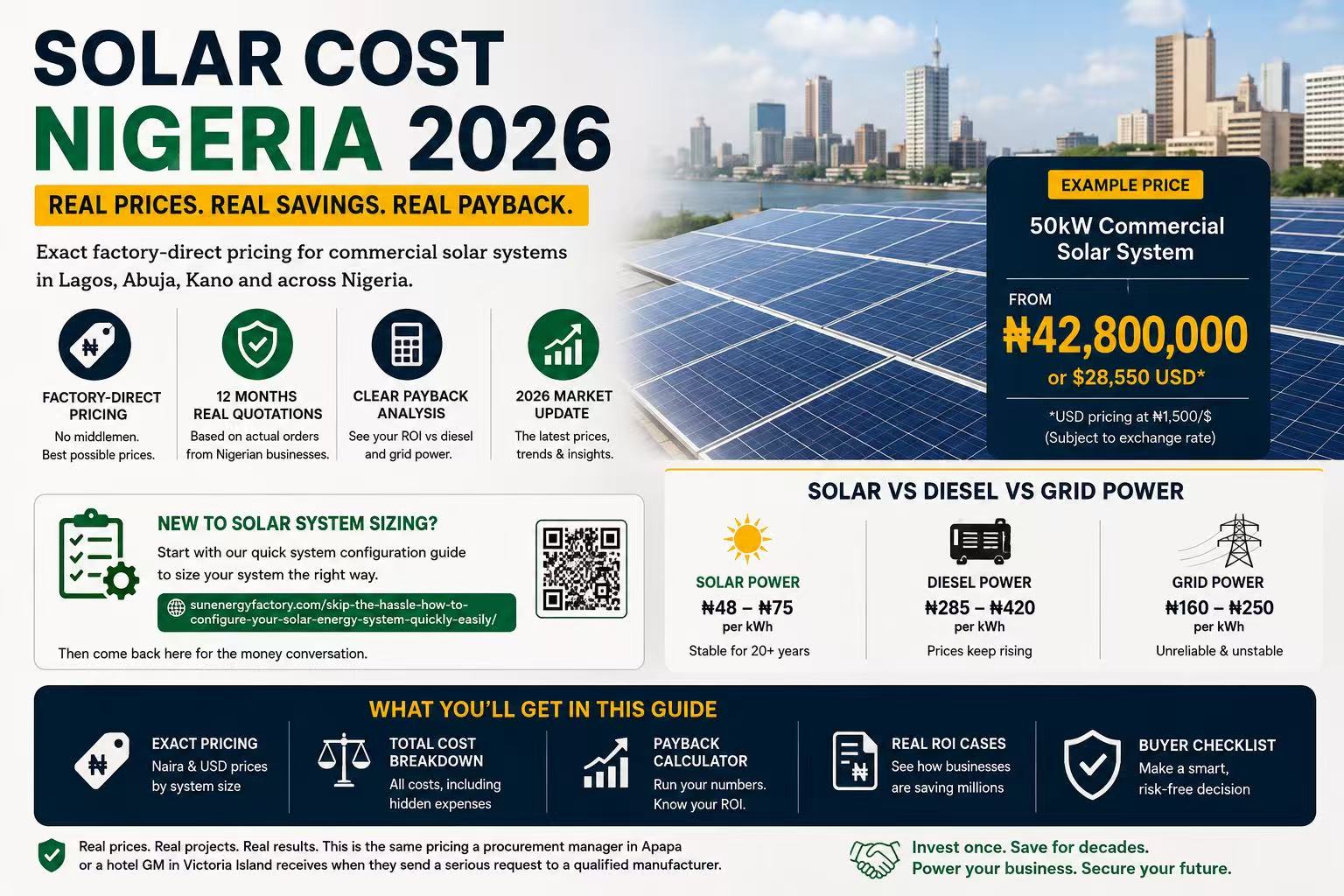 How Much Does Solar Cost in Nigeria? 2026 Real Pricing GuideSolar cost in Nigeria for 5kW to 250kW systems, in Naira and USD. Compare solar vs diesel vs grid, calculate payback, and explore financing options.
Do you like ?0
Read more -
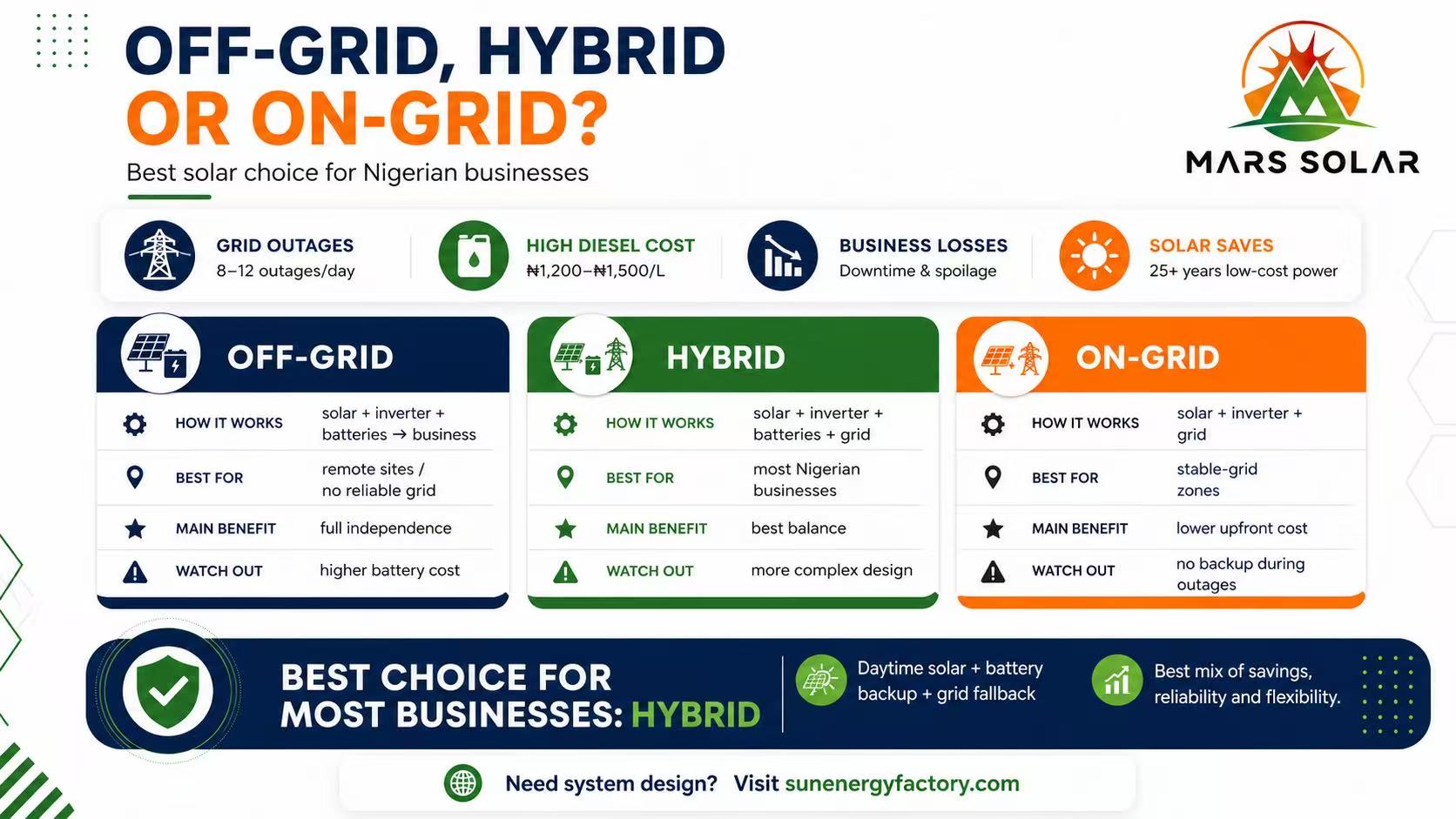 Solar Power Nigeria 2026: Off-Grid vs Hybrid vs On-GridNigeria’s unreliable grid and soaring diesel costs are forcing business owners to take solar seriously. But the biggest question remains: which system — off-grid, hybrid, or on-grid? This 2026 guide breaks down all three solar architectures for Nigeria
Do you like ?0
Read more -
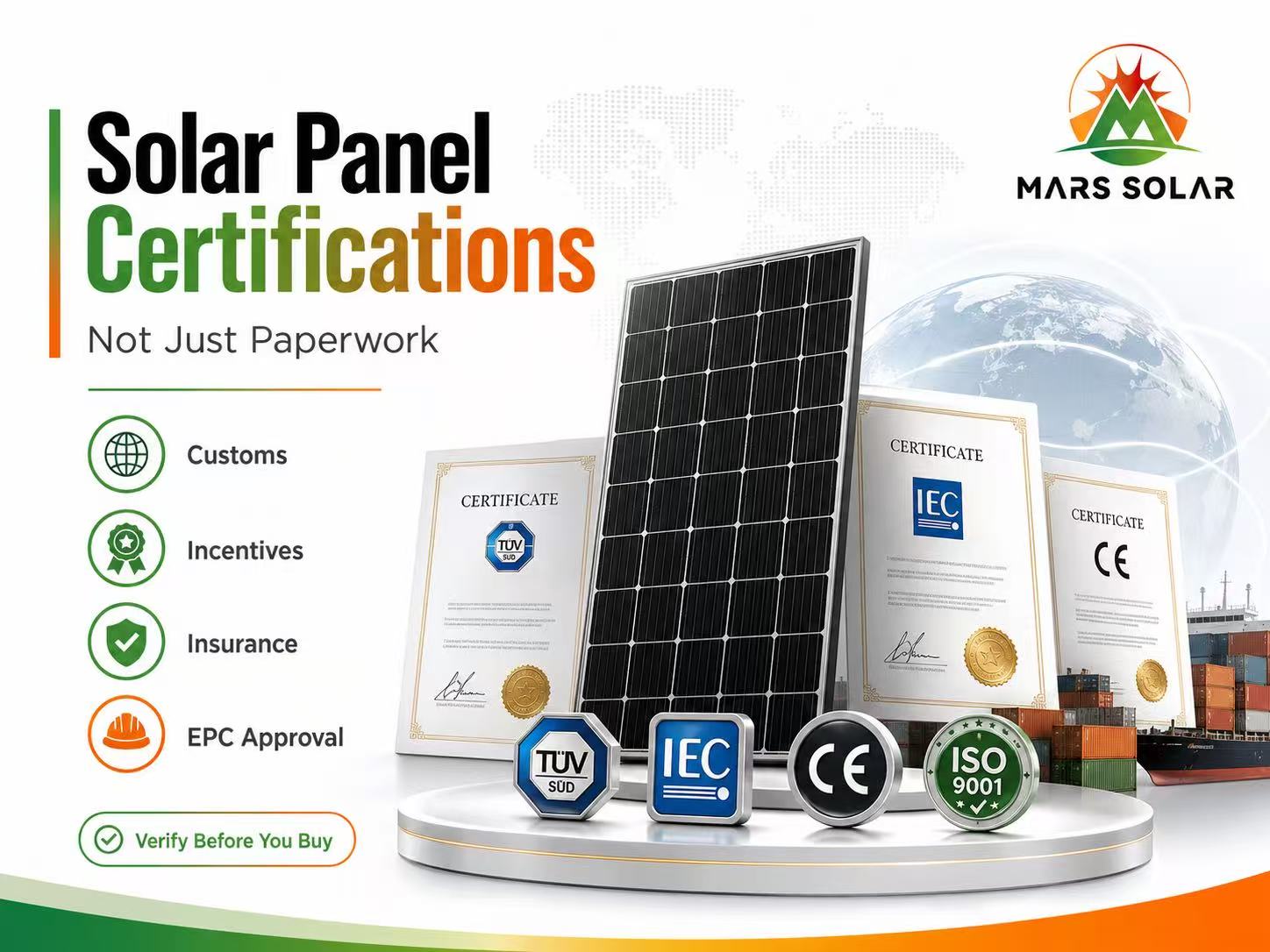 Solar Panel Certifications Explained: IEC, UL, TÜV, CE, ISO — The 2026 GuideA solar panel without proper certifications is unsellable in 90% of international markets. This 2026 guide explains every major certification — IEC 61215, IEC 61730, UL 61730, TÜV, CE, ISO 9001/14001/45001 — what it tests, who issues it, which markets req
Do you like ?0
Read more -
 Solar Panel Shipping & Container Loading: The 2026 Complete GuideThe solar panels leaving the factory are perfect. By the time they arrive at your warehouse, 3–7% might be damaged, delivery could be 2 weeks late, and demurrage at the destination port could wipe out your margin. This 2026 guide covers container types (2
Do you like ?0
Read more