Quick answer: A 2KW solar system of this configuration produces about 12.6KWH per day from 6x350W monocrystalline panels and driven by a 2KW/2.8KVA inverter. Built by Mars Solar (factory since 2008), CE/ROHS certified, 25-year panel life, shipped factory-direct to 130+ countries.
Recently, Norwegian developer Scatec received 540MW of solar power generation and 1.14GWh of energy storage to help South Africa maintain lighting. The African Solar Energy Industry Association (AFSIA) called this an "unprecedented series of large-scale" Power Africa Solar photovoltaic installation projects on the African continent.
The membership organization posted on its website that it had announced a 1,879MW utility-scale solar and energy storage project within 5 weeks since the beginning of June.
Scatec's Kenhardt project—awarded in a “risk reduction”, technology-neutral, coal-free tender held by the South African government to solve frequent grid failures—is the largest project ever awarded. Other announced projects include a list of facilities in 18 countries including seven Zimbabwe projects with a total power generation capacity of 70MW.
The three projects in Togo on the list will add 225 MW of solar power under development or announced; the two facilities in the Democratic Republic of Congo (DRC) will add 200 MW, which is in line with the plans of the US clean energy developer Ultra Green Corporation. The Serenje photovoltaic power plant operated by the neighboring country of Zambia to the south of the DRC produces the same amount of power. The two Tanzanian power stations are expected to increase capacity by 180MW, and the two Namibia projects announced in the last five weeks are expected to increase solar power generation by 111 MW.
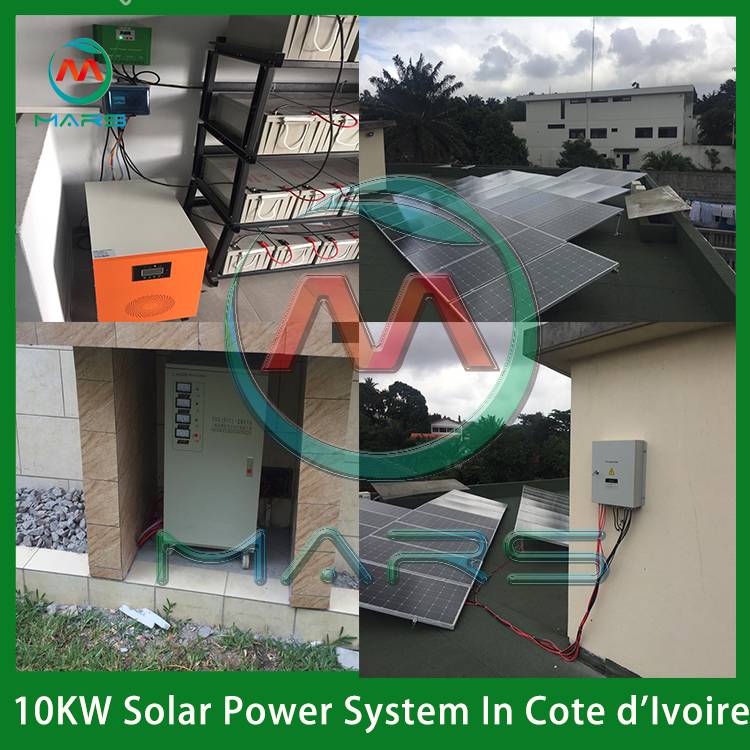
In the announced Côte d’Ivoire (75MW in total), Niger (60MW), Botswana (50 MW), Madagascar (20 MW and 5 MWh energy storage), Mozambique (19MW and 7MWh), Burkina Faso (17 MW), from In the list of solar and energy storage plans for the Republic of Somaliland (8MW/2MWh), Mauritius (8MW) and Burundi (7.5MW) separated from Somalia, the smallest project is the 550kW array planned to be installed in Sao Tome and Principe. The Principe project and another project will add 2.15MW of power generation to this offshore country. The list also includes the Italian energy company ENI (ENI) plans to build a Rebiana solar power plant in Libya, but the specific scale details were not disclosed.
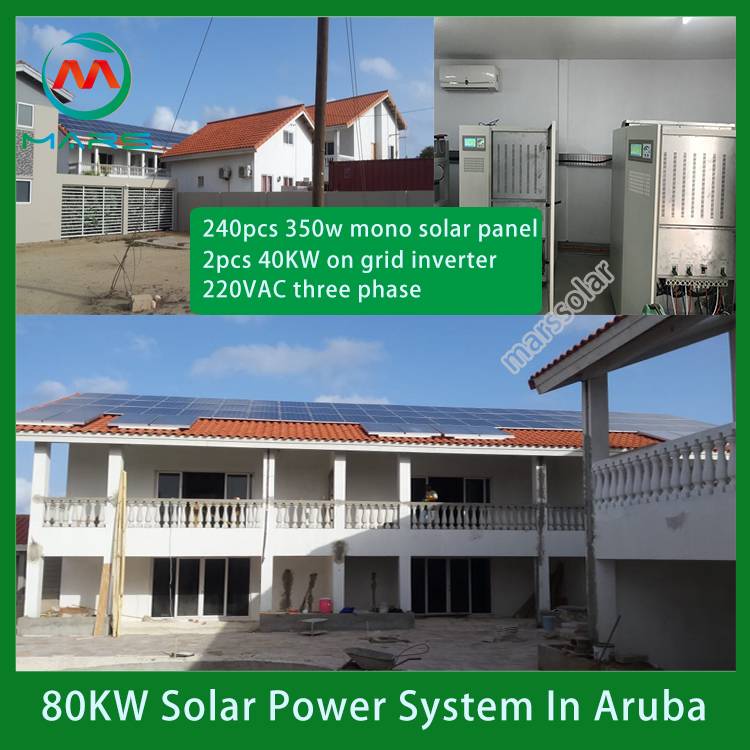
AFSIA stated that after the World Bank's Scaling Solar plan failed to provide the expected hundreds of megawatts of photovoltaic power generation in Ethiopia, the initiative has once again become an important driving force for increasing power generation capacity. The trade agency said on Wednesday that the plan has implemented 50MW, 60MW and 190MW solar power generation plans in Niger, Côte d’Ivoire and Togo this year.
The Continental Industries Group pointed out that the Botswana Power Corporation (Botswana Power Corporation) licensed local developer Shumba Energy as the country's first independent power generator to develop 100MW of solar energy.
After that, Botswana finally opened the floodgates of clean energy. AFSIA said that solar developers who have been interested in the annual 100MW clean energy bidding for many years have always been disappointed because the bidding activities have not been followed up every time. At the end of last year, this southern African country also launched a net metering and feed-in tariff plan, which is expected to provide 8MW of industrial and commercial (C&I) and 2MW of household solar energy in the first year.
The Zimbabwe Energy Regulatory Authority has issued seven permits with a total generating capacity of more than 66MW, helping the country to join the list. According to AFSIA estimates, there are plans for more than 1GW of private, C&I solar projects in the country, including 200MW to be installed by the British platinum mining company Zimplats at its Mimosa platinum mine.
-
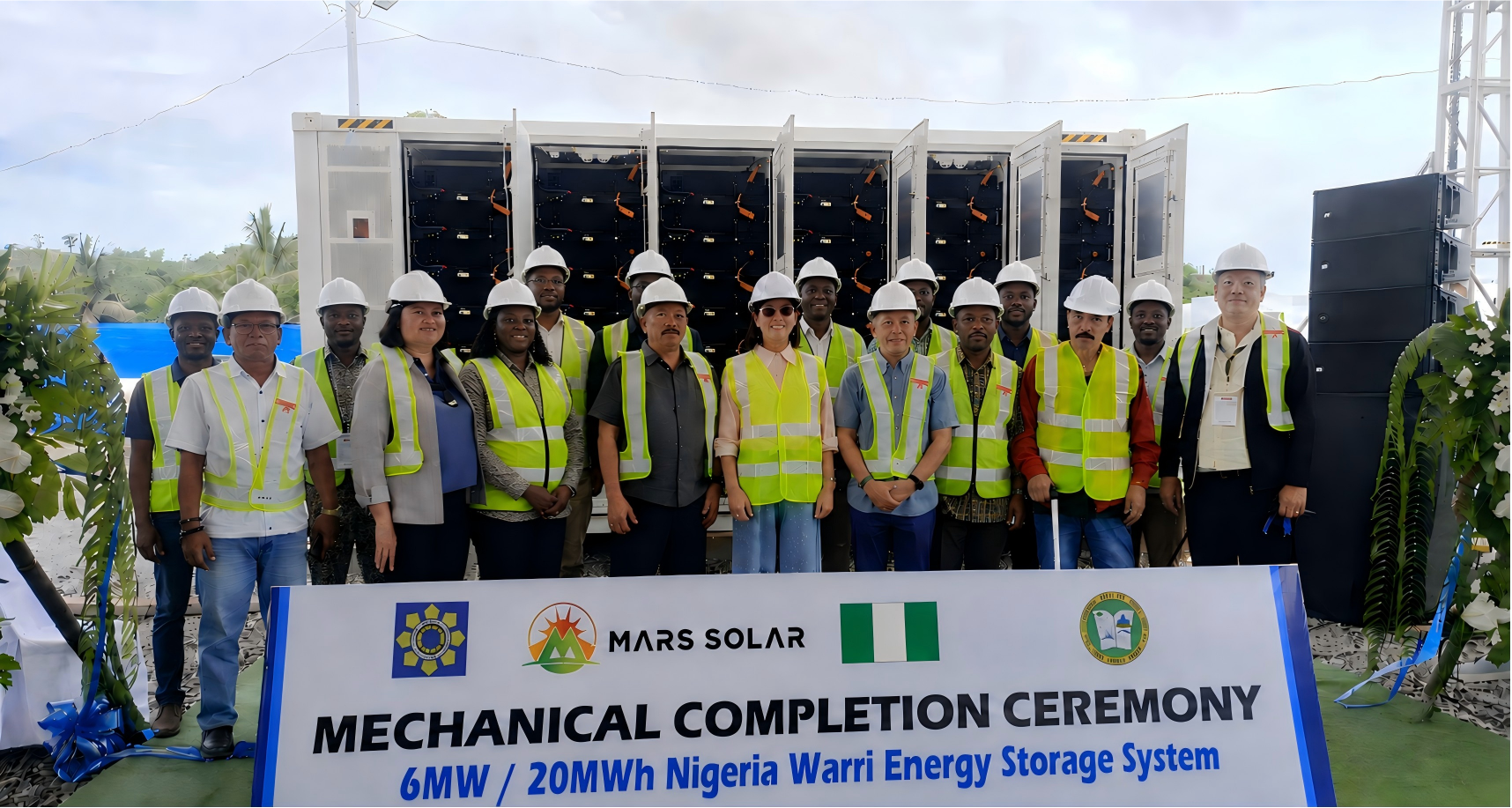 6MW 20MWh Solar Storage in Nigeria Factory + Farm + Residential Case StudyA 6MW solar PV + 20MWh LFP battery storage system in Nigeria powers an integrated factory, farm, and residential complex. The system delivers $108,000+ in monthly electricity savings, reaches payback in approximately 24 months, and provides 25 years of renewable power. This case study covers the engineering configuration, financial model, and operational performance of one of West Africa's most ambitious factory + farm + residential solar deployments.
Do you like ?0
Read more -
Germany's installed capacity demand will reach 11GW and 70GW in 2023As one of the leading countries in the European photovoltaic market, Germany's new installed capacity will reach 11GW in 2023. Looking back at the installed capacity data from January to October 2022, the new installed capacity in German
Do you like ?0
Read more