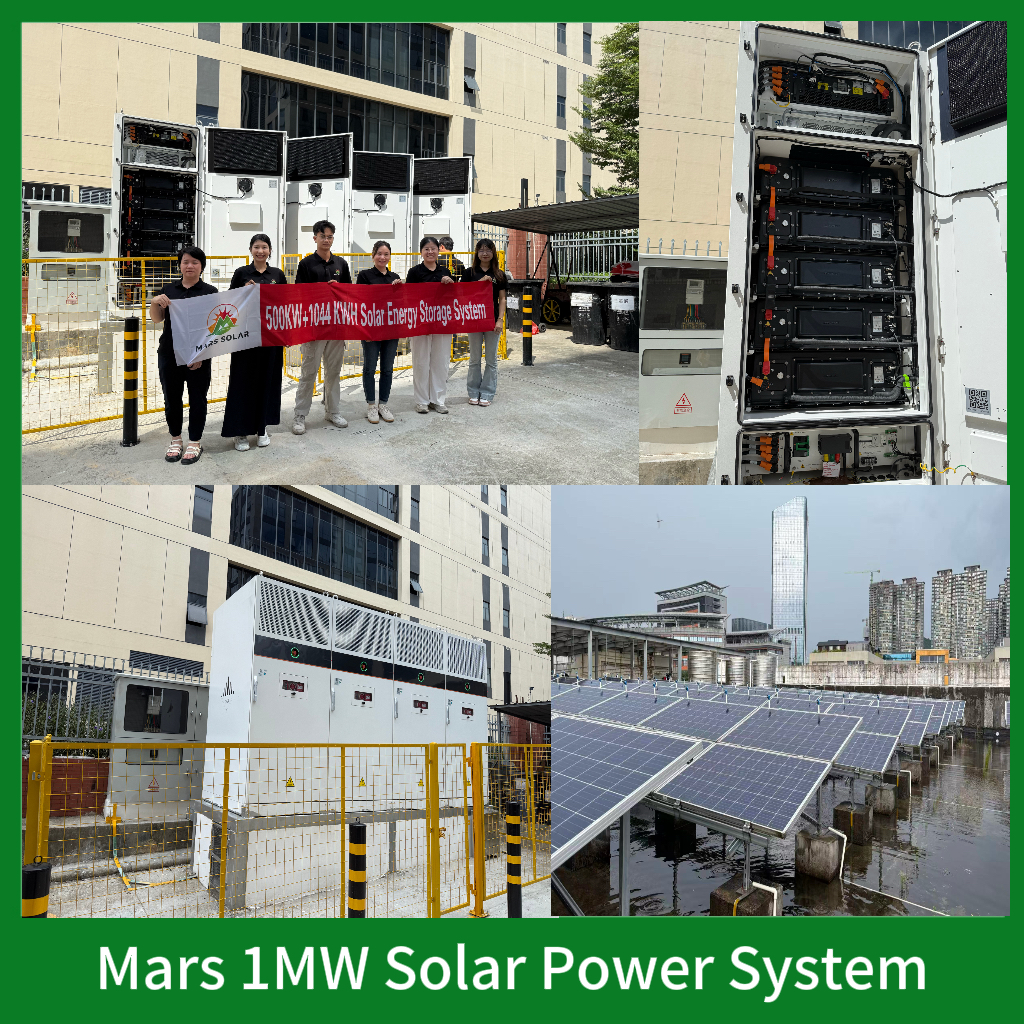
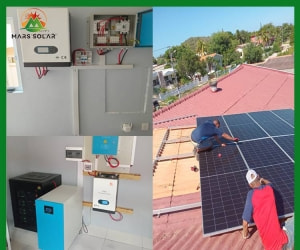
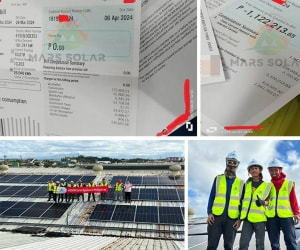
Complete Solar Power System Buyer’s Guide for Commercial & Industrial Facilitie
Quick answer: A 10KW solar system of this configuration produces about 62KWH per day from 28x360W monocrystalline panels and driven by a 10KW/14.3KVA inverter. Built by Mars Solar (factory since 2008), CE/ROHS certified, 25-year panel life, shipped factory-direct to 130+ countries.
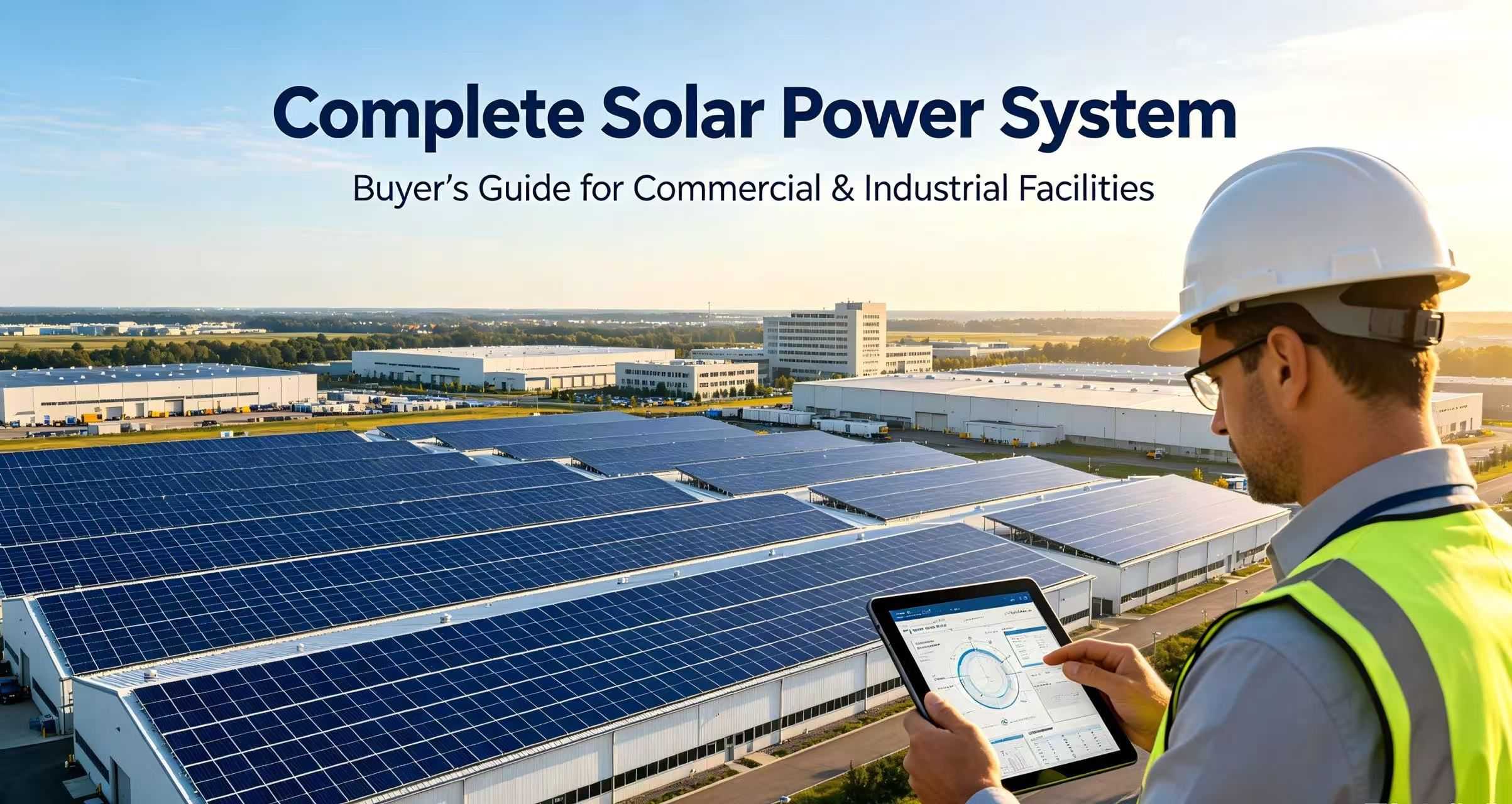
Complete Solar Power System
Buyer’s Guide for Commercial & Industrial Facilities
A Step-by-Step Framework for Factory Owners, Hotel Operators, and Industrial Buyers in Emerging Markets
By Mars Solar Technical Content Team | June 2026
1. Who This Guide Is For
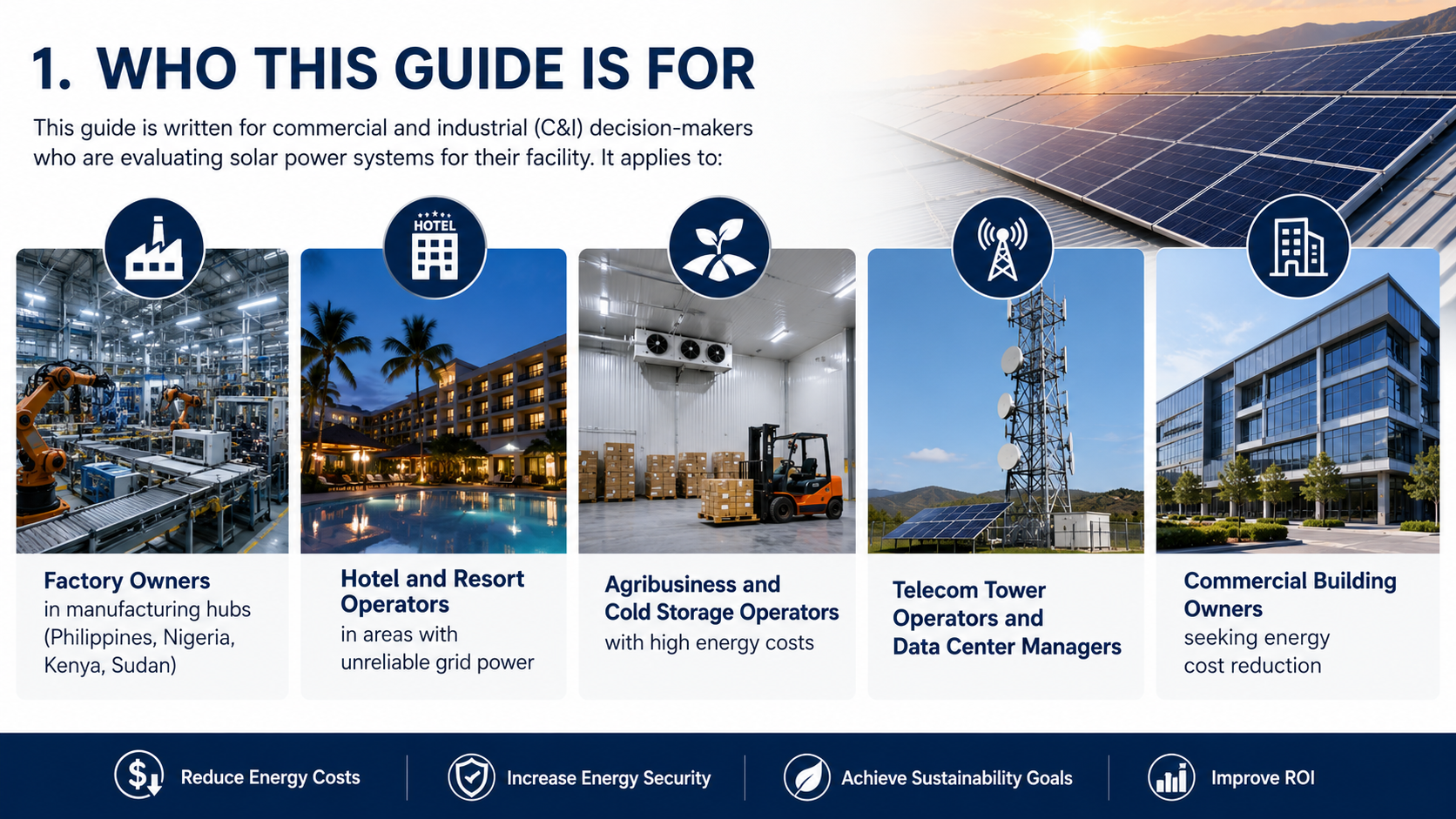
This guide is written for commercial and industrial (C&I) decision-makers who are evaluating solar power systems for their facility. It applies to:
- Factory owners in manufacturing hubs (Philippines, Nigeria, Kenya, Sudan)
- Hotel and resort operators in areas with unreliable grid power
- Agribusiness and cold storage operators with high energy costs
- Telecom tower operators and data center managers
- Commercial building owners seeking energy cost reduction
The guide assumes you are evaluating systems in the 20kW to 1MW range — the sweet spot for C&I solar installations. If you need residential guidance, Mars Solar publishes a separate residential buyer’s guide.
2. Step-by-Step Decision Framework
Follow these 8 steps in order. Each decision builds on the previous one. Skipping steps is the most common cause of system underperformance or cost overruns.
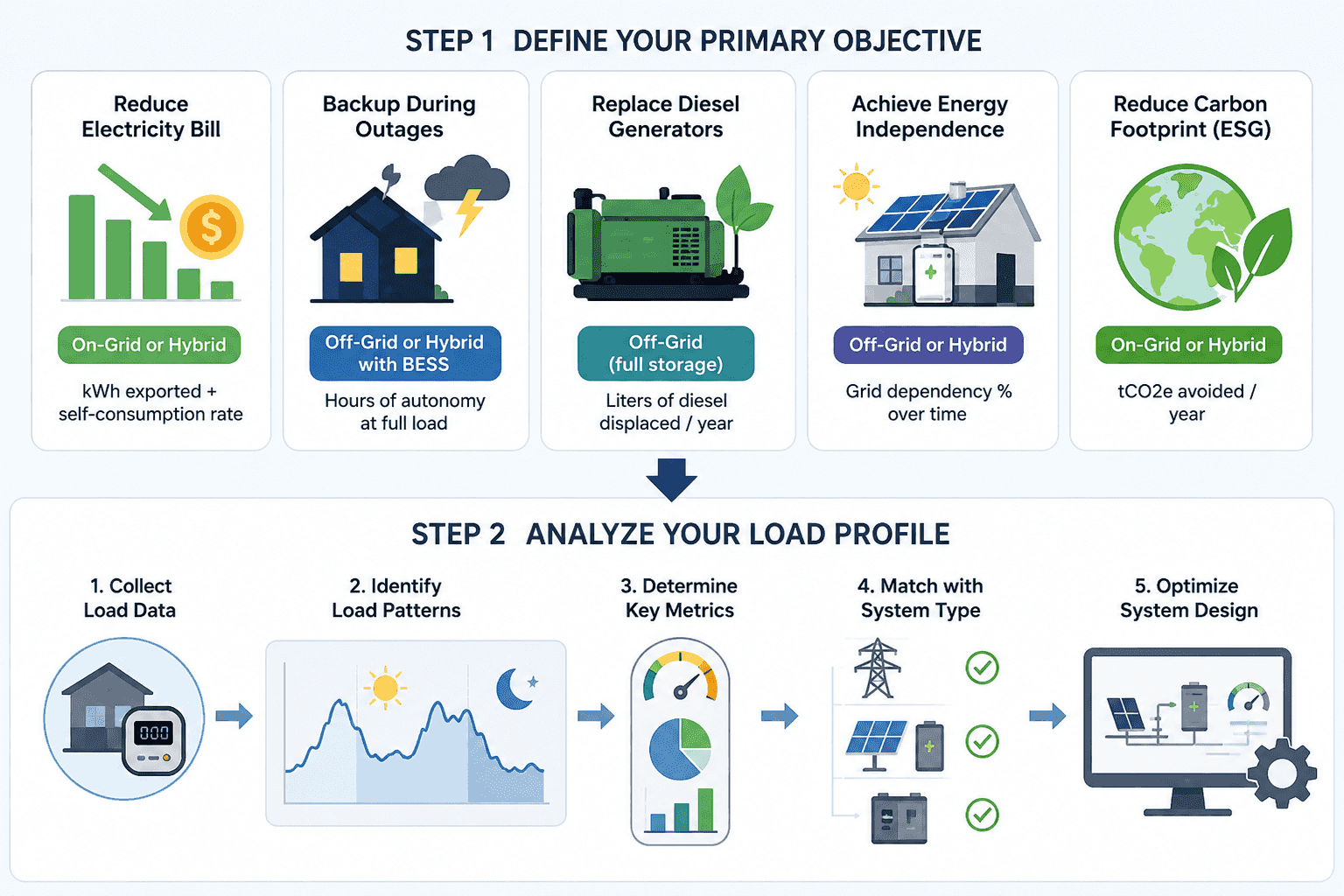
Step 1: Define Your Primary Objective
Clarify your goal before evaluating systems. This drives all downstream decisions:
|
Objective |
Recommended System Type |
Key Metric to Track |
|
Reduce electricity bill |
On-Grid or Hybrid |
kWh exported + self-consumption rate |
|
Backup during outages |
Off-Grid or Hybrid with BESS |
Hours of autonomy at full load |
|
Replace diesel generators |
Off-Grid (full storage) |
Liters of diesel displaced / year |
|
Achieve energy independence |
Off-Grid or Hybrid |
Grid dependency % over time |
|
Reduce carbon footprint (ESG) |
On-Grid or Hybrid |
tCO2e avoided / year |
Step 2: Analyze Your Load Profile
Your system must be sized to your actual consumption — not your connected load. Gather 12 months of electricity bills if available. Key metrics:
- Average daily kWh consumption (kWh/month ÷ 30)
- Peak demand (kW) — this determines inverter sizing
- Load curve — does consumption peak during solar hours (9am–4pm)?
- Seasonal variation — is there significant winter/summer demand difference?
- Critical vs. non-critical loads — which equipment must never lose power?
If you do not have bills, Mars Solar can provide a load estimation questionnaire based on your equipment list.
Step 3: Assess Your Site Conditions
3.1 Solar Resource
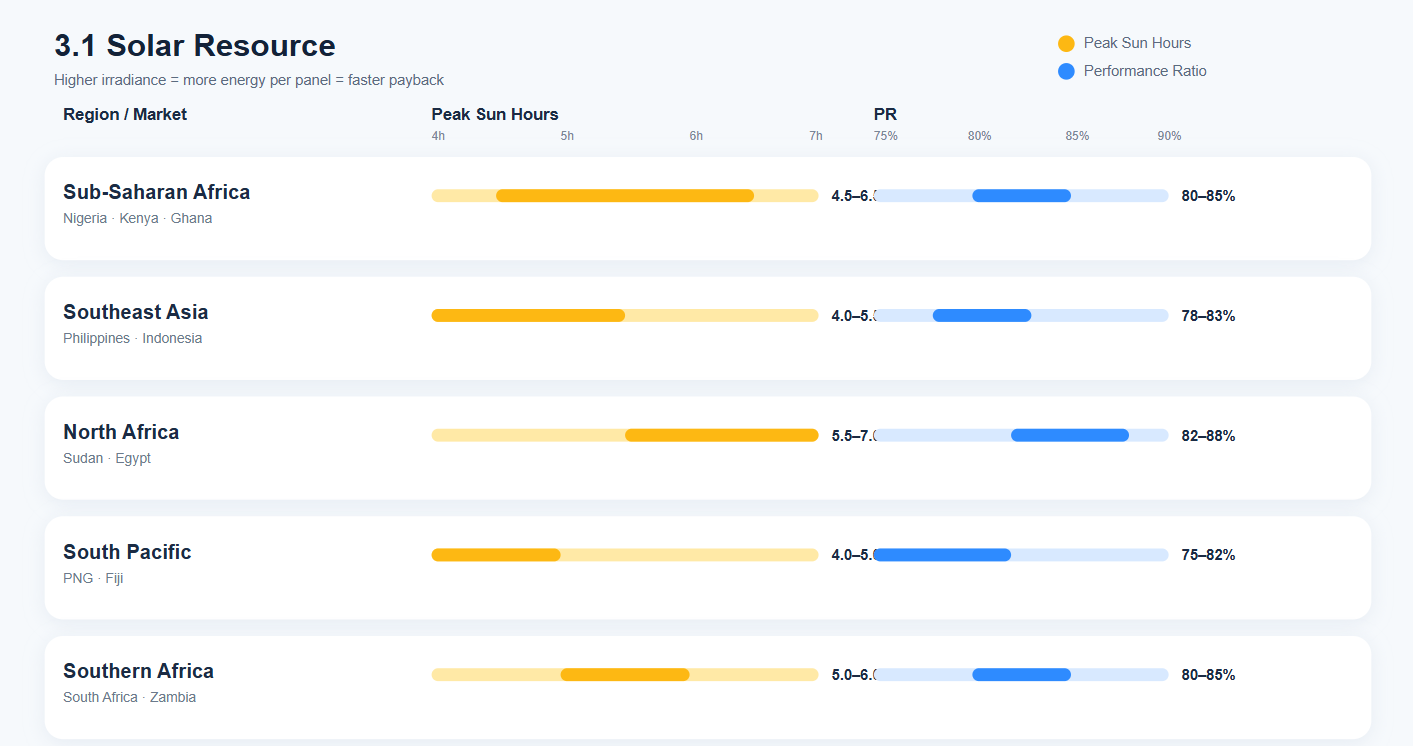
Solar irradiance varies significantly by geography. Higher irradiance = more energy per panel = faster payback:
|
Region / Market |
Avg. Peak Sun Hours (Daily) |
System Performance Ratio |
|
Sub-Saharan Africa (Nigeria, Kenya, Ghana) |
4.5–6.5 hours |
80–85% |
|
Southeast Asia (Philippines, Indonesia) |
4.0–5.5 hours |
78–83% |
|
North Africa (Sudan, Egypt) |
5.5–7.0 hours |
82–88% |
|
South Pacific (PNG, Fiji) |
4.0–5.0 hours |
75–82% |
|
Southern Africa (South Africa, Zambia) |
5.0–6.0 hours |
80–85% |
3.2 Available Space
Rough estimate: 100kW of solar panels requires 600–800 sqm of usable roof or ground space . Provide your roof/land dimensions and orientation to Mars Solar for a site-specific layout.
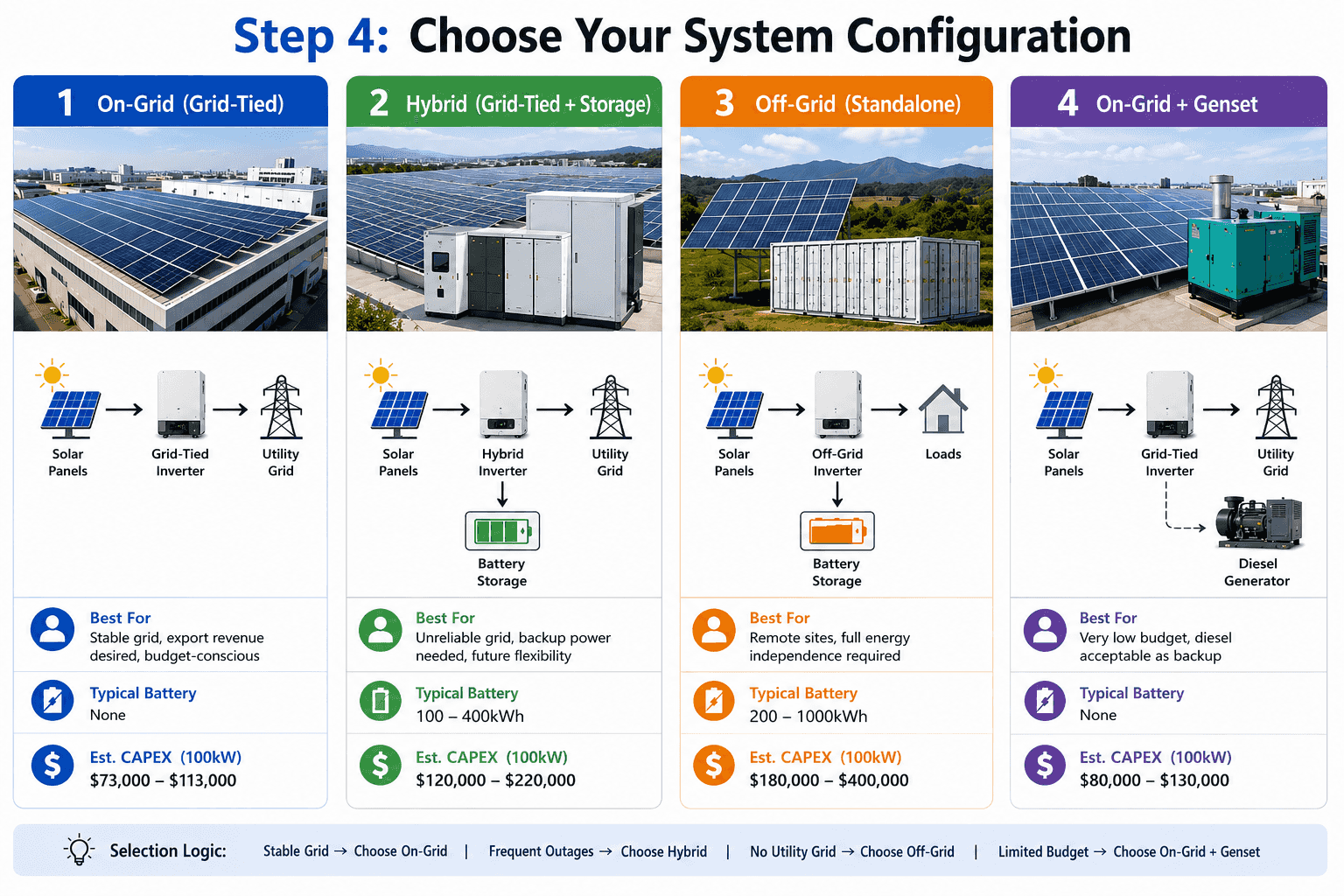
Step 4: Choose Your System Configuration
|
Configuration |
Best For |
Typical Battery |
Est. CAPEX (100kW) |
|
On-Grid (Grid-Tied) |
Stable grid; export revenue desired; budget-constrained |
None |
$73,000–$113,000 |
|
Hybrid (Grid-Tied + Storage) |
Unreliable grid; backup needed; future flexibility |
100–400kWh |
$120,000–$220,000 |
|
Off-Grid (Standalone) |
Remote sites; full energy independence required |
200–1000kWh |
$180,000–$400,000 |
|
On-Grid +genset |
Very low budget; diesel acceptable as backup |
None |
$80,000–$130,000 |
Step 5: Evaluate Battery Storage Needs
5.1 Battery Type Comparison
|
Parameter |
LiFePO4 (LFP) — Recommended |
Lead-Acid |
NMC |
|
Cycle Life (80% DOD) |
4,000–6,000 cycles |
800–1,500 cycles |
2,000–3,000 cycles |
|
Round-Trip Efficiency |
92–96% |
75–85% |
88–94% |
|
Depth of Discharge (usable) |
80–100% |
50% recommended |
70–80% |
|
Thermal Safety |
Excellent (stable to 270°C) |
Moderate |
Lower (thermal runaway risk) |
|
Cost per kWh (C&I 2026) |
$280–$450/kWh |
$150–$250/kWh |
$300–$500/kWh |
|
Warranty |
10 years |
3–5 years |
5–7 years |
|
Recommended Use |
All C&I off-grid/hybrid |
Budget off-grid backup |
High-density applications |
Mars Solar’s C&I BESS range uses LFP cells exclusively. LFP’s superior cycle life and safety profile make it the clear choice for commercial installations where the battery will cycle daily.
5.2 Sizing Your Battery Bank
Rule of thumb: size your battery for 1.5–2x your average nightly consumption. Example:
- Factory daily consumption: 400kWh (peak day)
- Solar generation: 350kWh/day (avg, accounting for weather)
- Night consumption: 150kWh (50% of daily load)
- Required battery: 150kWh × 1.5 = 225kWh battery (recommend 215kWh BESS rack)
- Solar oversizing: 400kWh peak day ÷ 5 sun hours × 1.2 oversizing factor = ~100kW panel array
Step 6: Calculate ROI & Secure Financing
6.1 ROI Inputs — What You Need
- Current electricity tariff ($/kWh) from your latest bill
- Annual consumption (kWh/year) — request from utility if not on bill
- Diesel price ($/L) if applicable
- Net metering or feed-in tariff rate (if available — Mars Solar can provide market-specific guidance)
- Existing loan interest rate if financing
6.2 ROI Benchmarks for C&I Solar in 2026
|
System Size |
Avg. Annual Savings |
Simple Payback |
25-Year NPV |
|
50kW On-Grid |
$15,000–$25,000 |
4–6 years |
$80,000–$150,000 |
|
100kW Hybrid |
$30,000–$55,000 |
4–8 years |
$150,000–$300,000 |
|
200kW Off-Grid |
$55,000–$90,000 |
5–9 years |
$250,000–$500,000 |
|
500kW Hybrid |
$100,000–$180,000 |
4–7 years |
$600,000–$1,200,000 |
|
1MW Hybrid |
$180,000–$320,000 |
4–7 years |
$1,000,000–$2,500,000 |
Note: All figures are estimates based on average grid tariffs of $0.10–$0.20/kWh, solar irradiance of 5 peak sun hours, and 2026 equipment costs. Actual results vary by site, tariff, and system configuration. Mars Solar provides project-specific financial models as part of our standard proposal process.
Step 7: Evaluate Supplier Qualifications
Choosing the right supplier is as important as choosing the right system. Use this checklist:
|
Checklist Item |
What to Verify |
Why It Matters |
|
Project track record |
3,000+ projects across 120+ countries (Mars Solar: since 2008) |
Demonstrates real-world deployment capability |
|
Factory certification |
ISO9001, CE, IEC compliance certificates |
Ensures consistent quality control |
|
In-house engineering |
Own R&D and engineering team (not just trading company) |
Critical for custom system design |
|
Warranty terms |
Minimum 5-year system warranty; 10-year BESS warranty |
Protects your investment long-term |
|
After-sales support |
On-site engineer availability; remote monitoring |
Reduces downtime; enables fast issue resolution |
|
References in your market |
Completed projects in same country/region |
Validates local market experience |
|
Equipment certifications |
UL, TUV, IEC 62109 for inverters; UN38.3 for batteries |
Required for insurance and import clearance |
Step 8: Plan for Installation & Commissioning
8.1 Typical Project Timeline
|
Phase |
Duration |
Key Activities |
|
Site Assessment & Design |
1–3 weeks |
Load analysis, site visit, system design, financial model |
|
Permit & Import (if applicable) |
2–6 weeks |
Import permits, customs clearance, utility interconnection application |
|
Equipment Manufacturing & Shipment |
3–8 weeks |
Production, QC, 20ft/40ft container shipment |
|
Installation |
1–3 weeks |
Structural mounting, panel installation, inverter/BESS connection |
|
Commissioning |
3–7 days |
System testing, monitoring setup, client handover |
|
Total (typical) |
8–20 weeks |
From deposit to first generation |
8.2 Pre-Installation Checklist
- Confirm roof structural integrity (or ground mount site preparation)
- Secure grid interconnection agreement with utility
- Arrange electrical permits and inspections
- Confirm internet connectivity for remote monitoring system
- Identify a site contact person for installation coordination
3. Industry-Specific Application Guides
3.1 Factory / Manufacturing Facility
Factories typically have the highest energy intensity and most compelling solar economics. Key considerations:
- Load profile: Most factories run 16–24 hours/day; ensure system matches peak demand
- Production continuity: Specify hybrid/off-grid if outages cause product losses or line restart costs
- Diesel displacement: A 200kW factory replacing diesel generators saves $40,000–$80,000/year in fuel alone
- Case in point: A 400kW solar system installed for a Philippine factory eliminated their electricity bill entirely in months with high solar generation (March–May); grid imports covered only rainy season (Nov–Feb)
3.2 Hotel & Resort
Hotels have distinct load characteristics that require tailored solar design:
- Load curve: High in early morning (breakfast/kitchen) and evening (AC, lighting) — less aligned with solar peak
- Critical loads: Air conditioning, refrigeration, lighting, WiFi — all must stay on during outages
- Guest experience: Solar + battery backup prevents guest-facing disruptions
- Recommended config: Hybrid with 4–8 hours of battery autonomy to cover overnight demand
- Case in point: Mars Solar’s 100kW hotel installation in Nigeria achieved monthly savings of NGN 2,000,000 (~$1,460) with zero system failures in 12 months of operation
3.3 Agricultural & Cold Storage
Cold storage and agricultural processing facilities present some of the strongest ROI cases for solar:
- High baseload: Cold storage runs 24/7; solar offsets the most predictable load
- Peak solar-alignment: Irrigation and processing often run during daylight hours — ideal for direct solar consumption
- Diesel replacement: Remote farms often rely entirely on diesel; solar + storage cuts fuel costs by 60–80%
- Hybrid + genset: Many farms maintain a small genset as emergency backup only
4. 2026 C&I Solar System Price Reference
All prices are indicative USD CIF to destination port (excluding local taxes, permits, and installation). Mars Solar provides firm pricing based on final system design and shipping destination.
|
System Size |
Configuration |
Components Included |
Est. Price Range |
|
20–30kW |
Hybrid (45kwh-90kwh) |
Panels + Inverter + BOS |
$9,000–$13,000 |
|
50kW |
Hybrid (100kwh-150kwh) |
Panels + Inverter + BOS |
$22,000–$35,000 |
|
100kW |
Hybrid (215kWh BESS) |
Panels + Hybrid Inverter + LFP Battery + BOS |
$60,000–$70,000 |
|
200kW |
Hybrid (430kWh BESS) |
Panels + Hybrid Inverter + LFP Battery + BOS |
$120,000–$140,000 |
|
500kW |
Hybrid (1MWh BESS) |
Panels + Central Inverter + Container BESS + BOS |
$320,000–$360,000 |
|
1MW |
Container Hybrid (2MWh BESS) |
Panels + Central Inverters + 2x Container BESS + BOS |
$600,000 –$7500,000 |
Prices depend on battery brand (CATL, BYD, Pylontech vs. premium brands), inverter efficiency class, panel efficiency (400W–700W panels), and destination market. Request a firm proposal from Mars Solar with your exact specifications.
5. Common Buyer Questions
Q1: How long does a commercial solar system last?
Solar panels carry a 20–25 year performance warranty (80% rated output at year 25). Inverters typically last 10–15 years and should be replaced at least once during the panel lifespan. Battery banks (LFP) last 10–15 years with proper cycling management.
Q2: What maintenance does a commercial solar system require?
Annual maintenance includes: panel cleaning (or rain cleaning in most tropical climates), inverter inspection, cable/connection checks, and battery health assessment. Mars Solar provides a remote monitoring platform that flags anomalies in real time, reducing maintenance costs by 30–40% vs. reactive maintenance.
Q3: Will solar void my building insurance?
No — properly installed solar systems with IEC/CE certified equipment do not void commercial insurance. Some insurers require the solar installer to be certified; Mars Solar provides all documentation required for insurance underwriting.
Q4: Can I expand my solar system in the future?
Yes, if you specify a hybrid-capable inverter at the initial install. On-grid systems can be expanded by adding string inverters in parallel. Off-grid battery banks can be expanded by adding parallel battery modules (same voltage and brand).
Q5: What import duties apply to solar equipment in my country?
Duties vary significantly by country. Many African markets waive import duties on solar equipment for renewable energy projects. Mars Solar’s logistics team has experience with customs clearance in 120+ countries and can advise on duty exemptions applicable to your project.
6. Your Next Steps
Ready to move forward? Here is the recommended path:
1、Contact Mars Solar with your facility details (location, average monthly consumption, peak load, primary objective) — use the form at solarpowermanufacturer.com/contact-us/
2、Receive a free system design proposal and financial model within 3–5 business days
3、Our engineering team will arrange a site assessment (virtual or on-site) if needed
4、Sign contract and place deposit; manufacturing begins immediately
Mars Solar has delivered 3,000+ commercial and industrial solar projects across 120+ countries since 2008. Our team speaks English, French, and Arabic, and has dedicated market managers for Africa, Southeast Asia, and the Middle East.
Contact:
- Website: solarpowermanufacturer.com
- Email: admin<[email protected]>
- Phone / WhatsApp: +86 13929145333
-
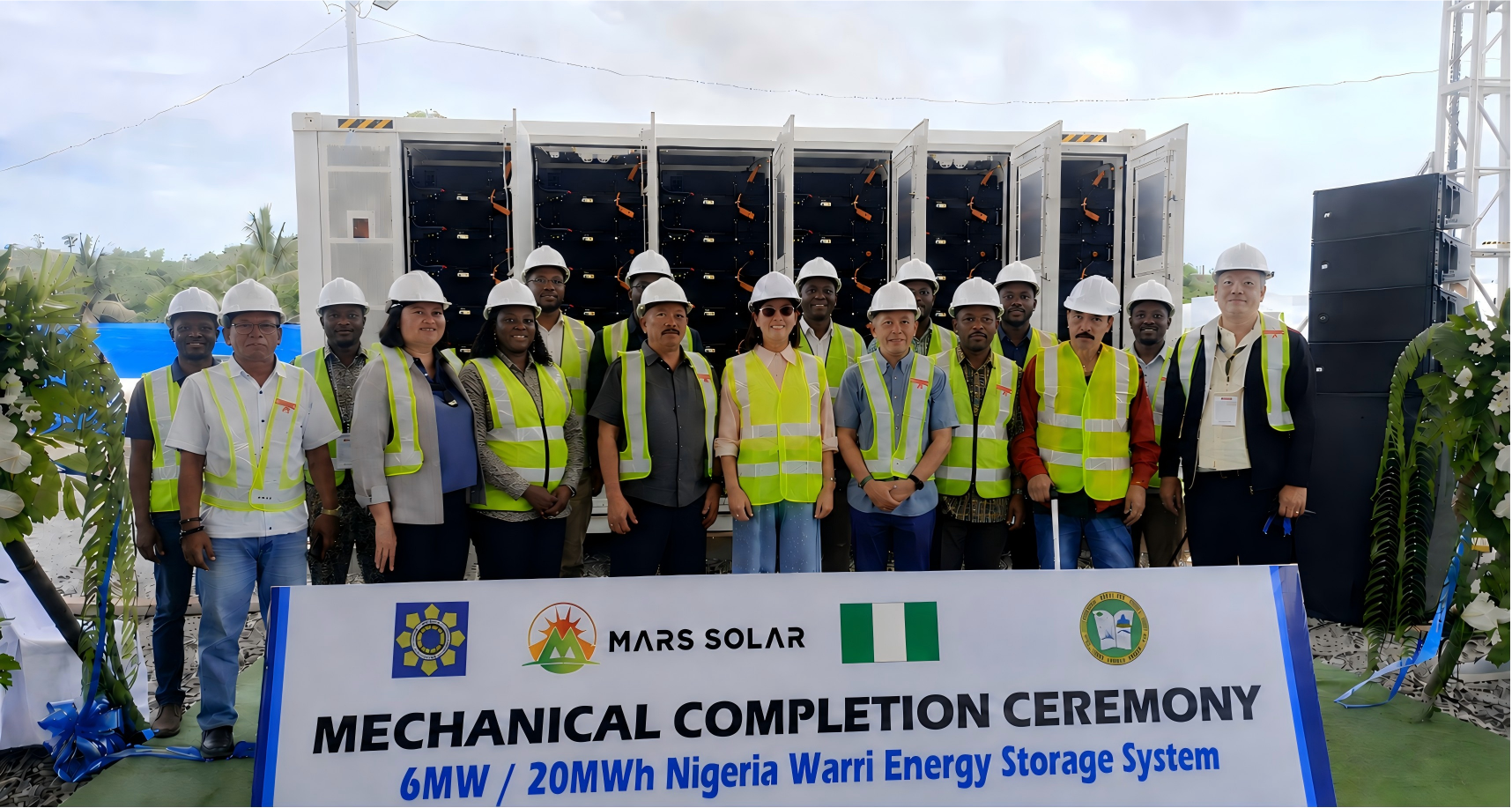 6MW 20MWh Solar Storage in Nigeria Factory + Farm + Residential Case StudyA 6MW solar PV + 20MWh LFP battery storage system in Nigeria powers an integrated factory, farm, and residential complex. The system delivers $108,000+ in monthly electricity savings, reaches payback in approximately 24 months, and provides 25 years of renewable power. This case study covers the engineering configuration, financial model, and operational performance of one of West Africa's most ambitious factory + farm + residential solar deployments.
Do you like ?0
Read more -
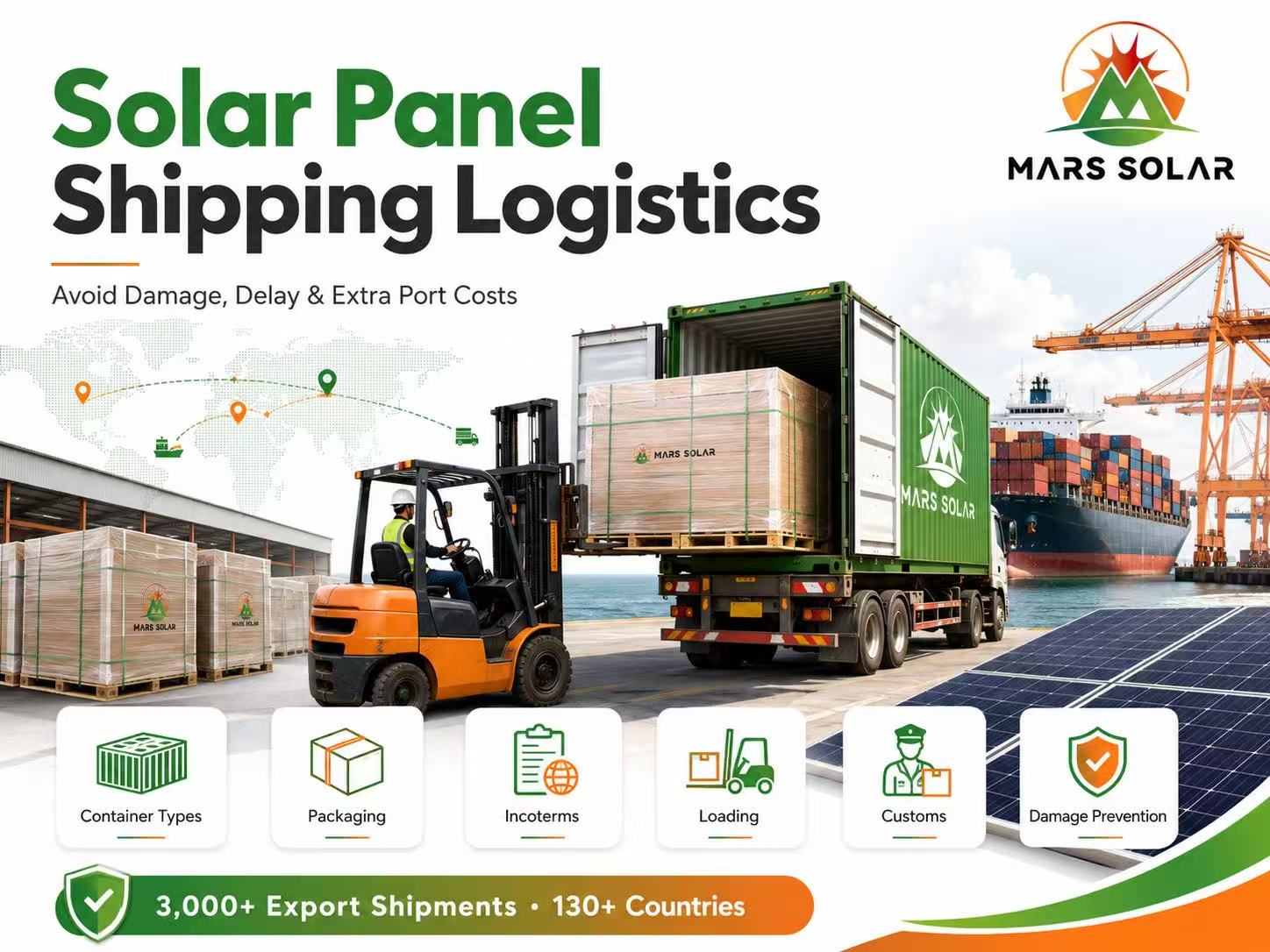 Solar Panel Shipping & Container Loading: The 2026 Complete GuideThe solar panels leaving the factory are perfect. By the time they arrive at your warehouse, 3–7% might be damaged, delivery could be 2 weeks late, and demurrage at the destination port could wipe out your margin. This 2026 guide covers container types (2
Do you like ?0
Read more -
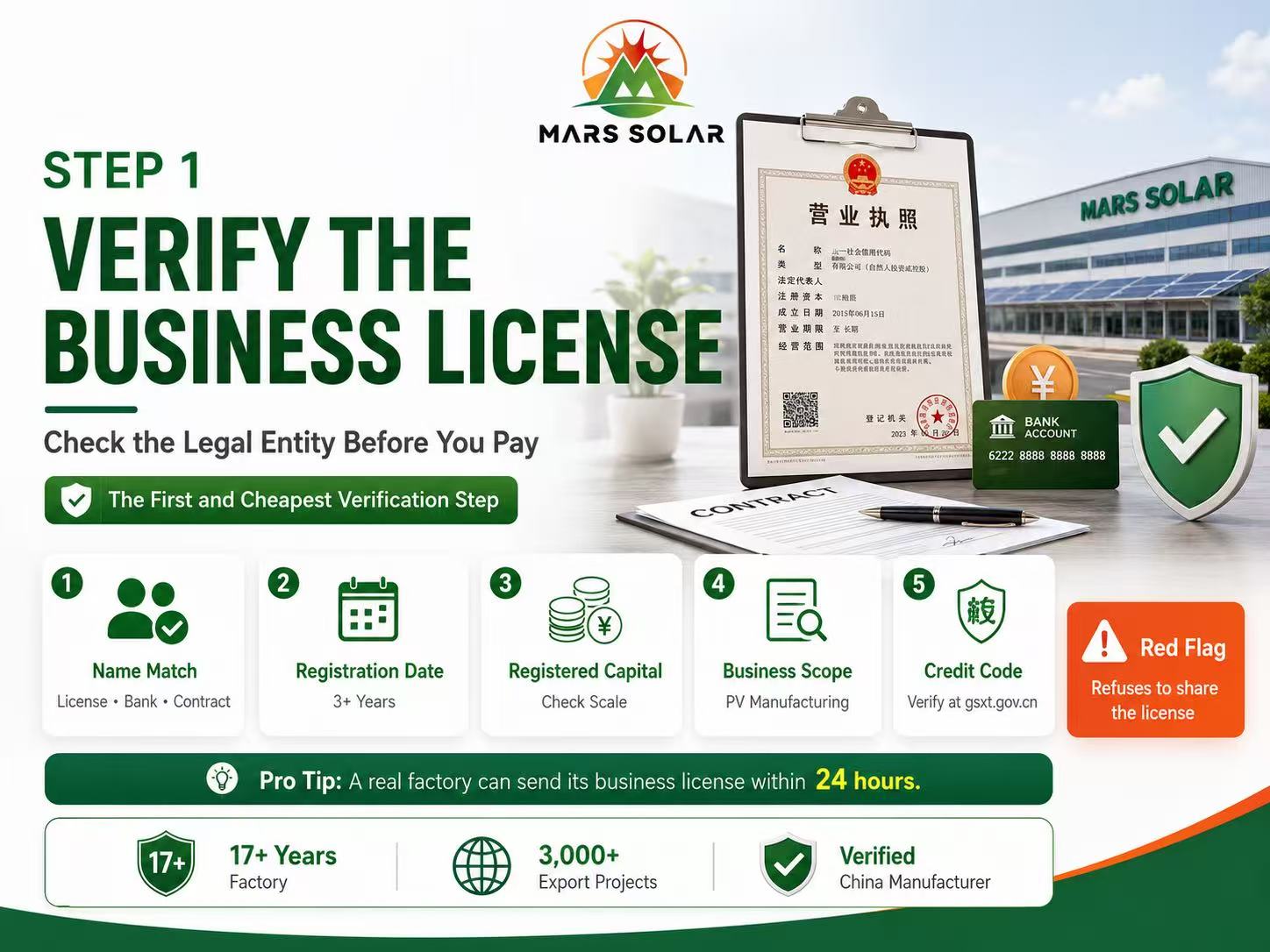 Solar Panel Factory Verification: The 7-Step Due Diligence GuideEvery year, international solar buyers lose millions to fraudulent suppliers — fake certificates, empty factories, and panels that don't match spec. This 7-step verification guide shows you exactly how to qualify any China solar factory before you wire mo
Do you like ?0
Read more -
 Solar Panel MOQ, Lead Time & Payment Terms: The Complete 2026 Buyer's GuideMOQ, lead time, and payment terms are the 3 questions every solar buyer asks — and the 3 answers most suppliers hide behind vague emails. This guide gives you complete, honest answers from a verified China factory with 17+ years and 3,000+ export projects
Do you like ?0
Read more -
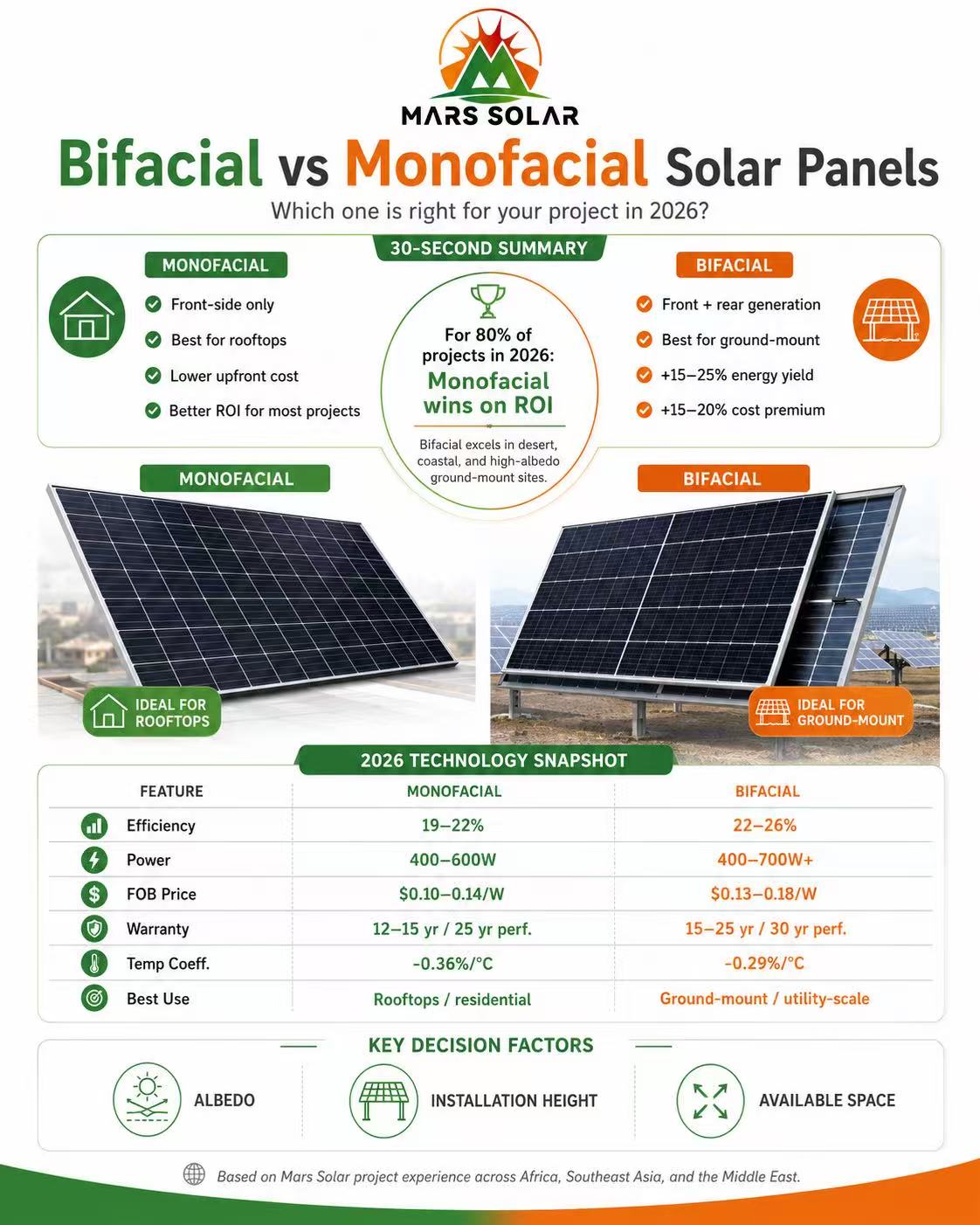 Solar Panel Selection Guide: Monofacial vs. Bifacial — 2026 EditionMonofacial and bifacial solar panels look identical but deliver 15-25% output difference. This 2026 guide compares 15 technical parameters, analyzes 5 real project ROI cases (Nigeria, Philippines, Ghana, Kenya, DRC), and gives you 3 decision frameworks to
Do you like ?0
Read more -
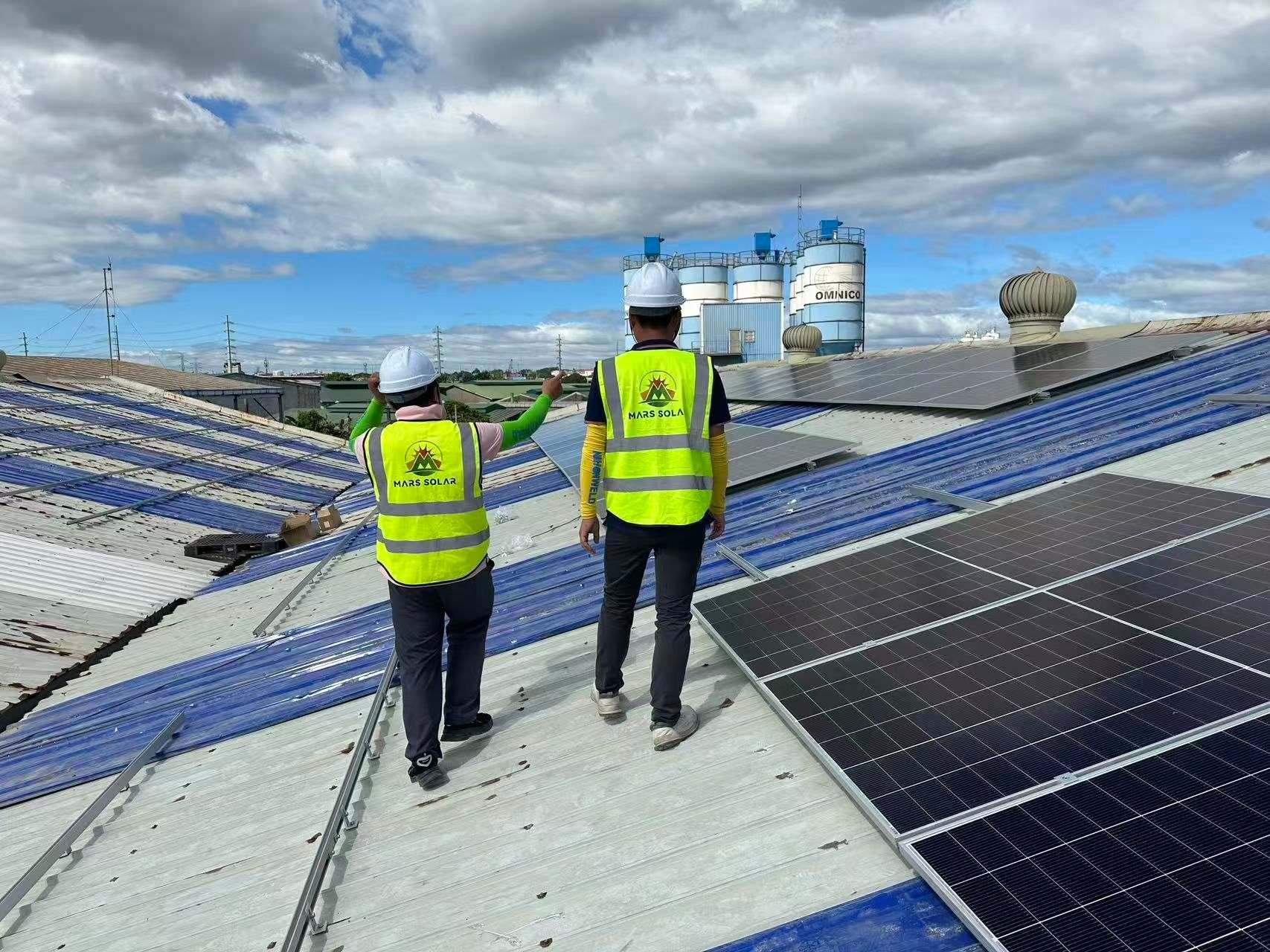 Top 10 Solar Panel Manufacturers China 2026 | Best BrandsDiscover the top 10 solar panel manufacturers China 2026. Compare Jinko, LONGi, Trina & more. Find Tier 1 suppliers.
Do you like ?0
Read more