IEA: Annual new PV installations to more than quadruple to 650GW by 2030
Quick answer: A 1KW solar system of this configuration produces about 6.3KWH per day from 3x350W monocrystalline panels and driven by a 1KW/1.5KVA inverter. Built by Mars Solar (factory since 2008), CE/ROHS certified, 25-year panel life, shipped factory-direct to 130+ countries.
A few days ago, the International Energy Agency said in its "World Energy Outlook 2022" report that photovoltaics and wind power are the most important ways to reduce emissions from the power sector. The agency said the share of electricity generated by photovoltaics Complete Home Solar Systems and wind will increase from 10% in 2021 to 40% in 2030 and even 70% in 2050.
In 2021, the global photovoltaic installed capacity will reach 150GW. Module prices have fallen by 80% over the past decade due to economies of scale and continued innovation across the supply chain. As a result, photovoltaics have become the most affordable power generation technology in many regions of the world. The International Energy Agency expects annual new PV capacity to more than quadruple to 650GW by 2030.
By 2030, annual solar and wind capacity in the U.S. will increase by 2.5 times from current levels, thanks in part to the introduction of the Inflation Reduction Act (IRA). The new target also drives a massive accumulation of clean energy in China, where coal and oil consumption will peak by 2030. The EU's accelerated deployment of renewable energy and increased efficiency means that EU demand for gas and oil will fall by 20% and coal consumption by 50% in the decade to 2030, the report said.
The average selling price of solar panels rose for the first time in 2021, rising by about 20% compared to 2020 due to higher freight rates and prices (especially higher polysilicon prices). The IEA said that while module prices remained high in the first half of 2022, continued innovation, in-depth improvements in materials and improved energy efficiency will further reduce costs.
The International Energy Agency said the energy crisis triggered by the Russian-Ukrainian conflict could accelerate the transition to a more sustainable energy system. While fossil fuel consumption will peak during this decade, it will still decline in the long run. The International Energy Agency forecasts that investment in climate-neutral technologies will exceed $2 trillion annually by 2030 through the U.S. Inflation Reduction Act, the European Union’s Renewable Energy Plan, and other programs in Japan, South Korea and China. This equates to an increase of more than 50% from current investment levels. However, this would still fall short of the 1.5°C target – a target that would require a $4 trillion investment by 2030.
-
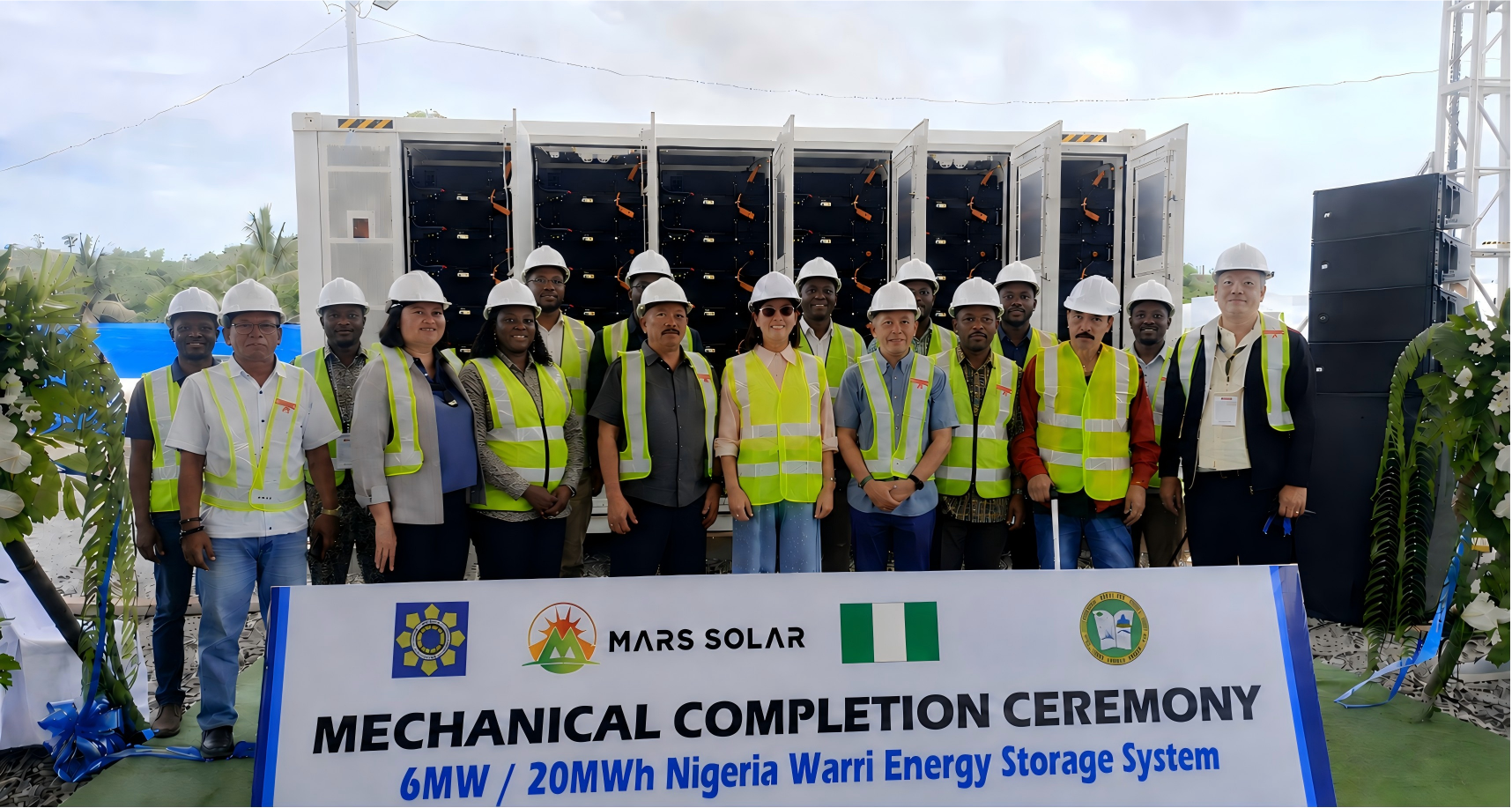 6MW 20MWh Solar Storage in Nigeria Factory + Farm + Residential Case StudyA 6MW solar PV + 20MWh LFP battery storage system in Nigeria powers an integrated factory, farm, and residential complex. The system delivers $108,000+ in monthly electricity savings, reaches payback in approximately 24 months, and provides 25 years of renewable power. This case study covers the engineering configuration, financial model, and operational performance of one of West Africa's most ambitious factory + farm + residential solar deployments.
Do you like ?0
Read more -
Germany's installed capacity demand will reach 11GW and 70GW in 2023As one of the leading countries in the European photovoltaic market, Germany's new installed capacity will reach 11GW in 2023. Looking back at the installed capacity data from January to October 2022, the new installed capacity in German
Do you like ?0
Read more