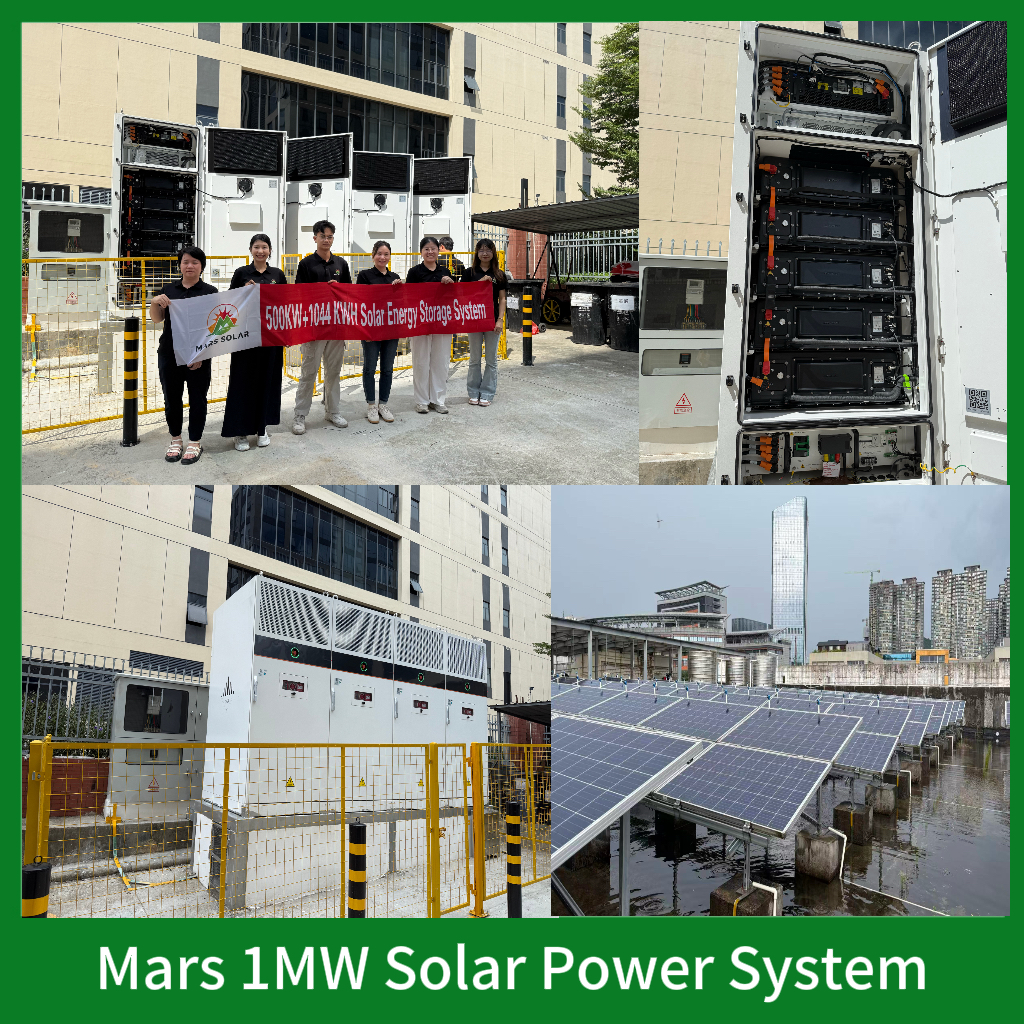
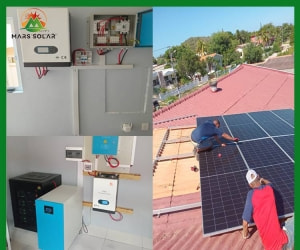
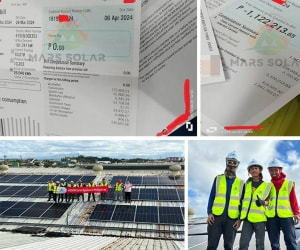
Quick answer: A 1KW solar system of this configuration produces about 6.3KWH per day from 3x350W monocrystalline panels and driven by a 1KW/1.5KVA inverter. Built by Mars Solar (factory since 2008), CE/ROHS certified, 25-year panel life, shipped factory-direct to 130+ countries.
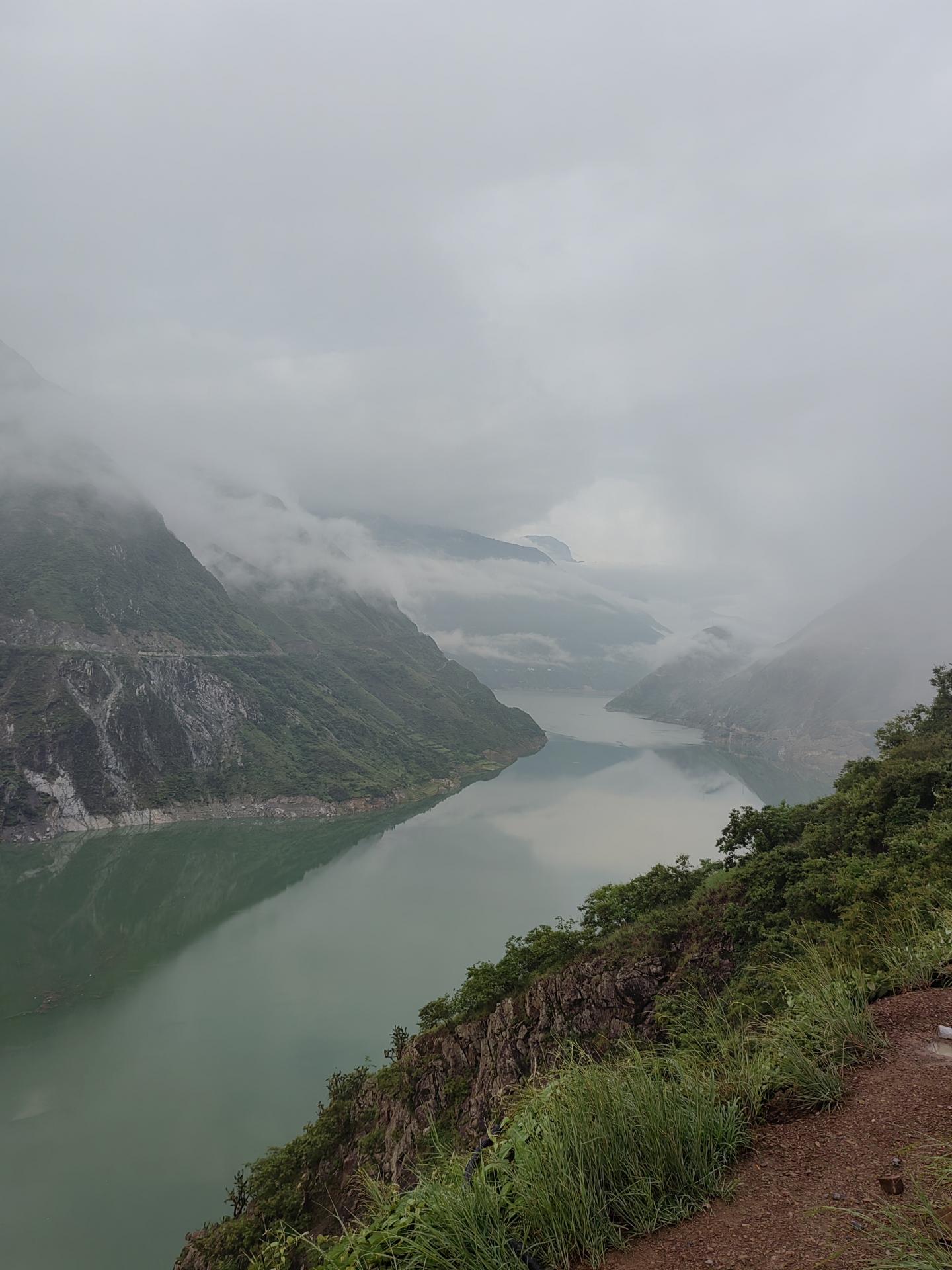
“We have to go back and forth several hundred meters to fetch water from the mountain every day,” a villager told us. "Our village has been living in the mountains for generations. Travel is not that convenient, and water and electricity are very troublesome." This is what our personnel who went to survey and install the area learned from the villagers. Life has always been like this in the village.
When Mars Solar received this inquiry about the solar water pump system, after understanding the basic situation with the customer, it gave the design direction and the first draft of the design. During the follow-up process, we reached an agreement with the customer, so Mars Solar sent surveyors to the site to survey the installation location and installation conditions.
When the surveyors arrived and surveyed the regional conditions, they could only choose to install it on the mountain. Moreover, the local conditions were relatively poor, and the water and soil conditions in the mountains were not that good. When the surveyors fed back this situation to the design team, the design team specially designed a suitable solar bracket to address this problem.
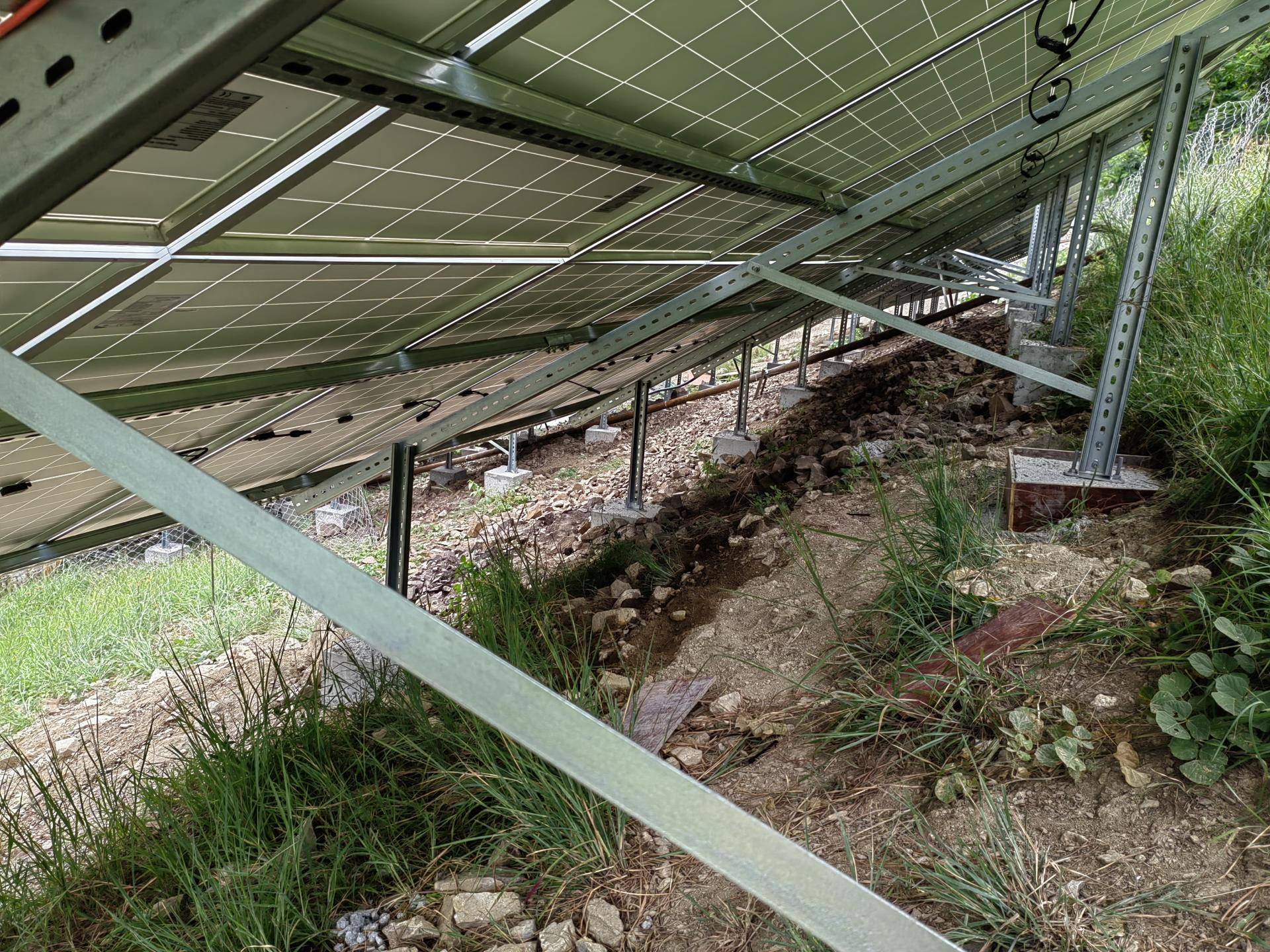
After the surveyor completed the survey, he came back and handed the survey form to the design team. After discussion, the design team reached an agreement with the customer and came up with a 200kw solar system and water pump plan.
After the production was completed, Mars Solar sent an installation team to the site to start installation. After more than ten days of installation time, the project was finally completed despite the difficulties of local conditions.
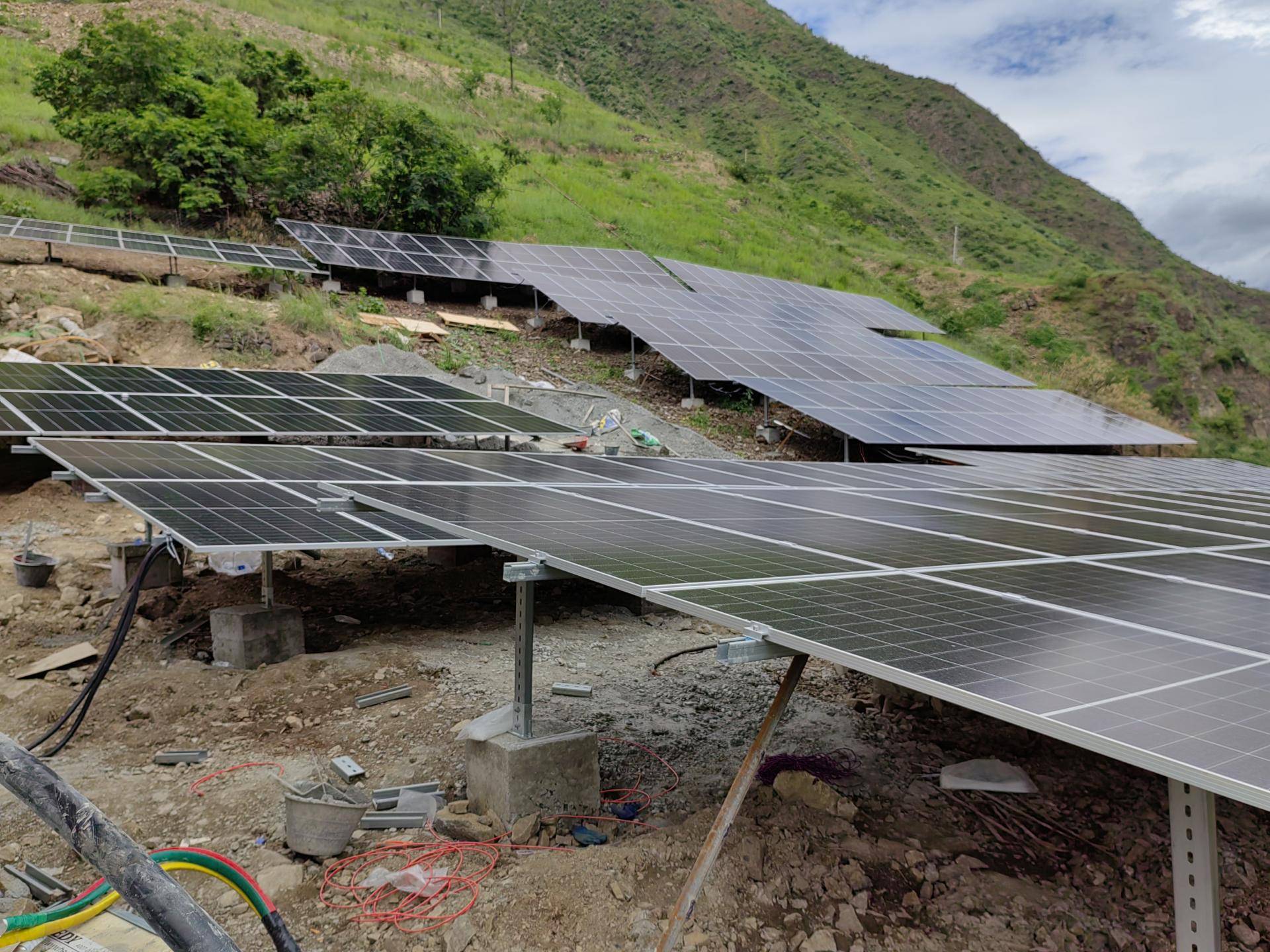
We know that water resources in mountainous areas are crucial to residents’ lives and agriculture. Therefore, our mission is to ensure that they have continuous access to adequate water to sustain their livelihoods and development. By harnessing solar energy, we provide residents in these areas with a sustainable source of energy, ensuring that their living and irrigation needs are met.
-
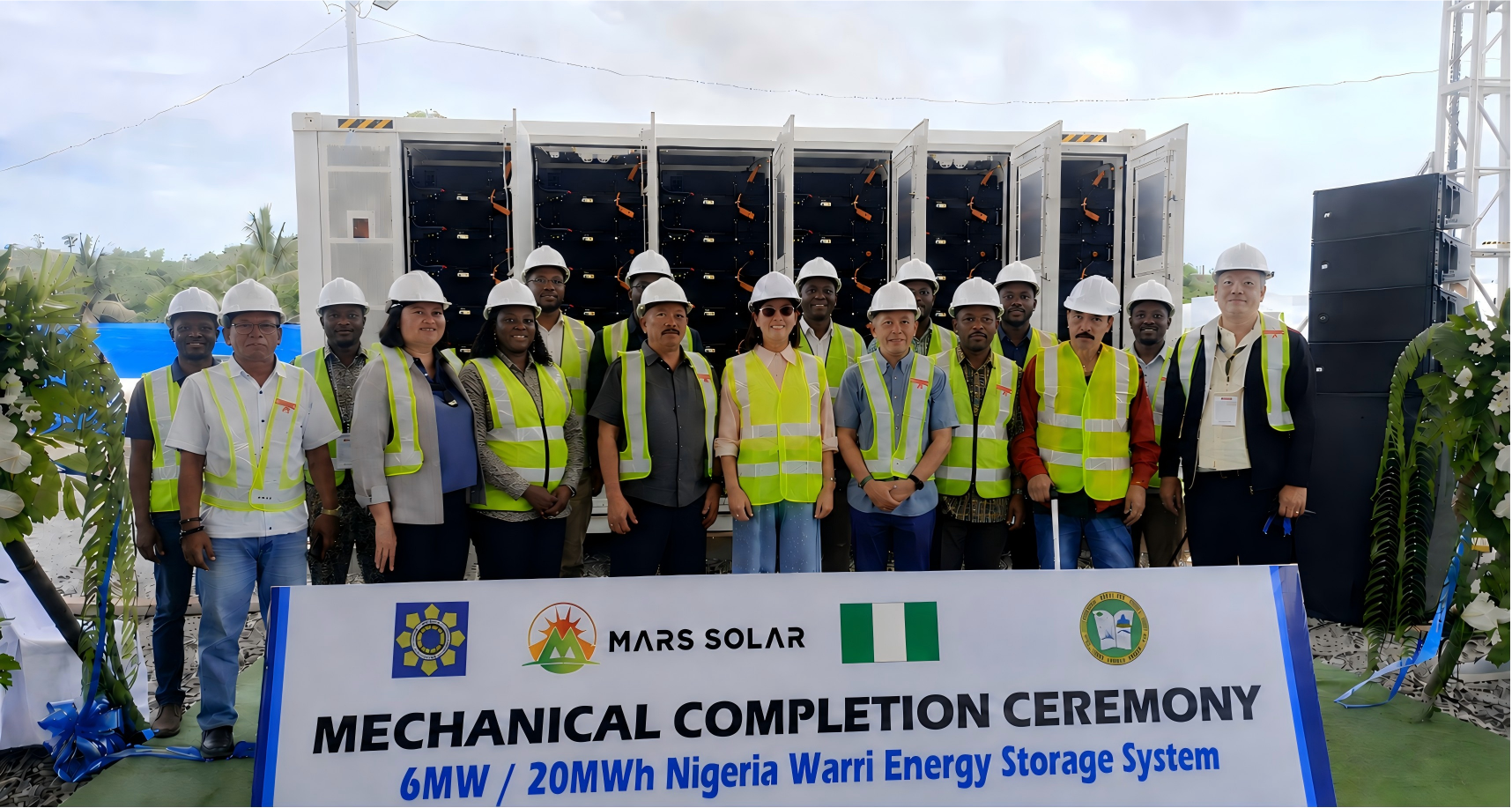 6MW 20MWh Solar Storage in Nigeria Factory + Farm + Residential Case StudyA 6MW solar PV + 20MWh LFP battery storage system in Nigeria powers an integrated factory, farm, and residential complex. The system delivers $108,000+ in monthly electricity savings, reaches payback in approximately 24 months, and provides 25 years of renewable power. This case study covers the engineering configuration, financial model, and operational performance of one of West Africa's most ambitious factory + farm + residential solar deployments.
Do you like ?0
Read more -
Germany's installed capacity demand will reach 11GW and 70GW in 2023As one of the leading countries in the European photovoltaic market, Germany's new installed capacity will reach 11GW in 2023. Looking back at the installed capacity data from January to October 2022, the new installed capacity in German
Do you like ?0
Read more