Quick answer: A 1KW solar system of this configuration produces about 6.3KWH per day from 3x350W monocrystalline panels and driven by a 1KW/1.5KVA inverter. Built by Mars Solar (factory since 2008), CE/ROHS certified, 25-year panel life, shipped factory-direct to 130+ countries.
Recently, the Biden administration in the United States suspended tariffs on photovoltaic panels imported from four Southeast Asian countries. This is in fact part of a longstanding dispute between the United States and China. Proponents say the decision will speed up the U.S. transition to renewable Solar System Panels energy -- and, at the same time, will certainly help industries in the Southeast Asian nation. In fact, U.S. consumers now install imported photovoltaic panels on their homes or commercial buildings, most likely from Southeast Asian countries.
More than 85 percent of all PV panels entering the U.S. market last year came from four Southeast Asian countries: Malaysia, Vietnam, Thailand and Cambodia, according to U.S. consultancy Rystad Energy. Trade data shows that Malaysia and Vietnam top the list with $2.5 billion worth of PV exports to the US in 2021. Thailand exported more than $1 billion of photovoltaic panels to U.S. customers last year, while Cambodia's exports were about a quarter of Thailand's, or $250 million. U.S. Commerce Department investigators suspect that Chinese companies have been using Southeast Asian factories to circumvent U.S. import tariffs on Chinese PV products — in some cases by simply assembling products that are actually made in China in Southeast Asia. The Commerce Department investigation will continue — the Biden administration is also using the U.S. Defense Production Act to kick-start the production of photovoltaic panels in the U.S. — but it will undoubtedly take some time. A statement from the White House said that photovoltaic products from Southeast Asian countries will not increase new tariffs for the next two years. At the same time, the United States will accelerate the establishment of a domestic photovoltaic industry chain."
It is expected that by 2030, photovoltaic modules and cells produced in the United States will be able to enjoy the SEMA (US Photovoltaic Industry Promotion Act), which provides tax subsidies and relief. .
-
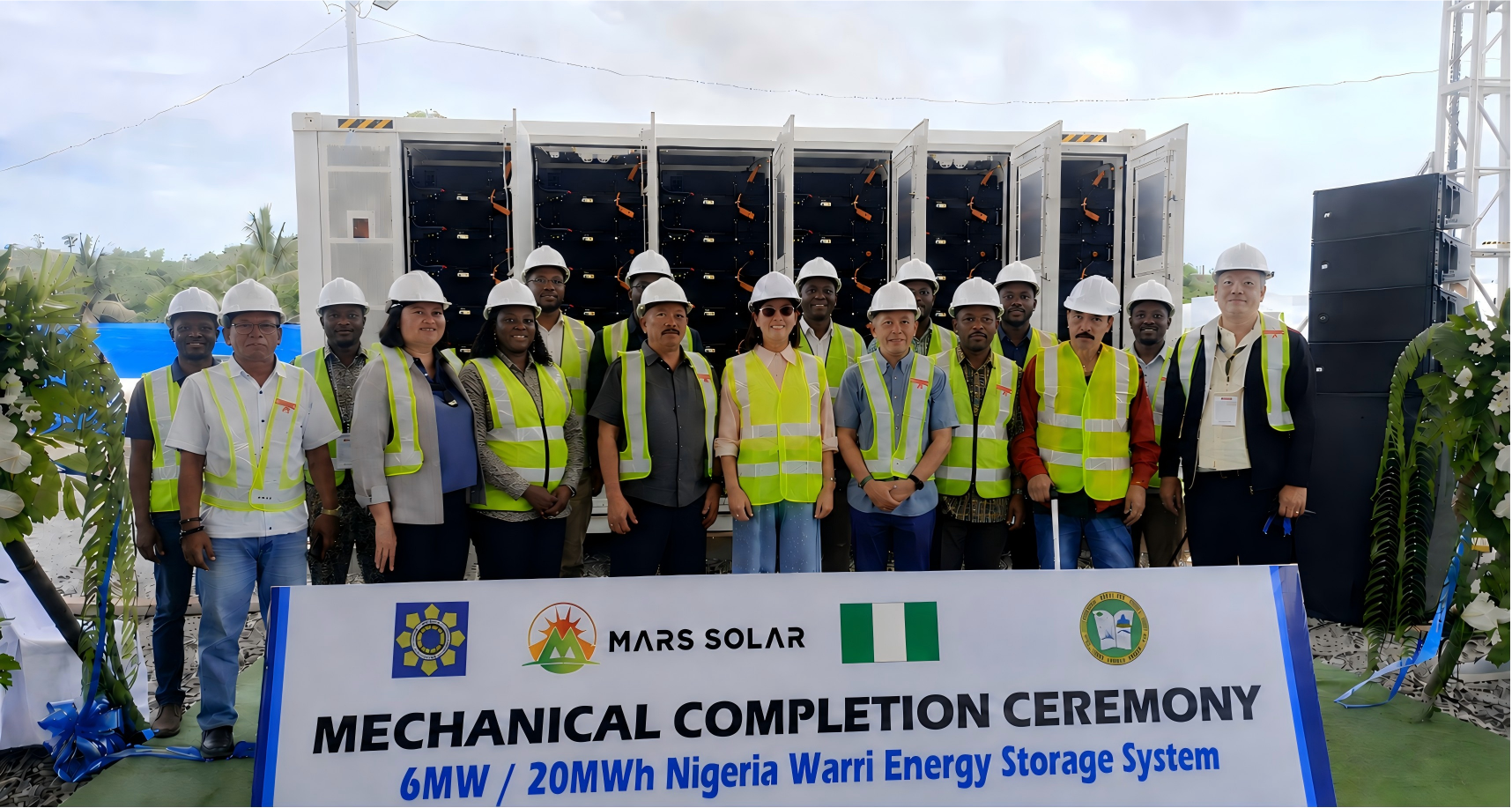 6MW 20MWh Solar Storage in Nigeria Factory + Farm + Residential Case StudyA 6MW solar PV + 20MWh LFP battery storage system in Nigeria powers an integrated factory, farm, and residential complex. The system delivers $108,000+ in monthly electricity savings, reaches payback in approximately 24 months, and provides 25 years of renewable power. This case study covers the engineering configuration, financial model, and operational performance of one of West Africa's most ambitious factory + farm + residential solar deployments.
Do you like ?0
Read more -
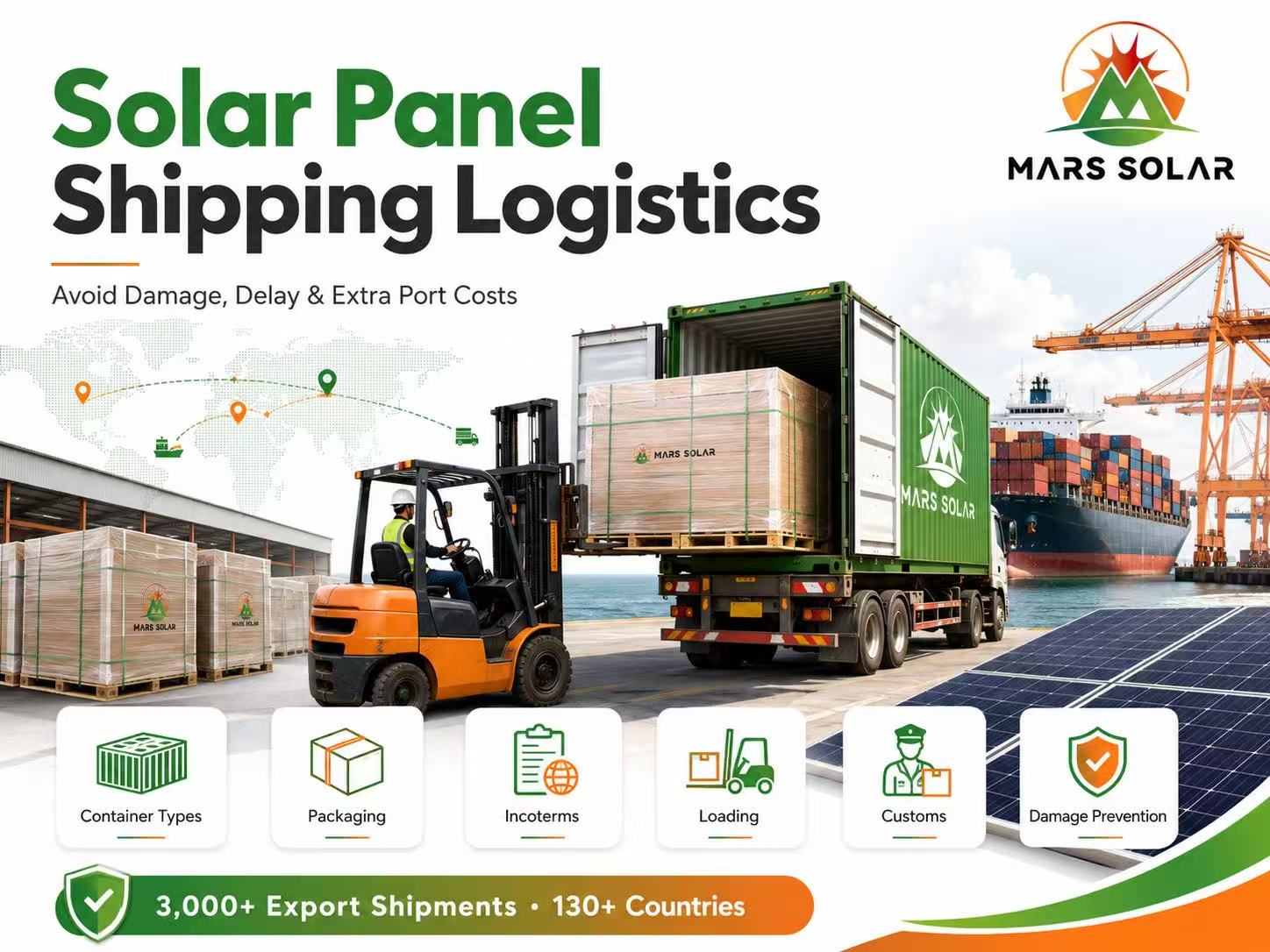 Solar Panel Shipping & Container Loading: The 2026 Complete GuideThe solar panels leaving the factory are perfect. By the time they arrive at your warehouse, 3–7% might be damaged, delivery could be 2 weeks late, and demurrage at the destination port could wipe out your margin. This 2026 guide covers container types (2
Do you like ?0
Read more -
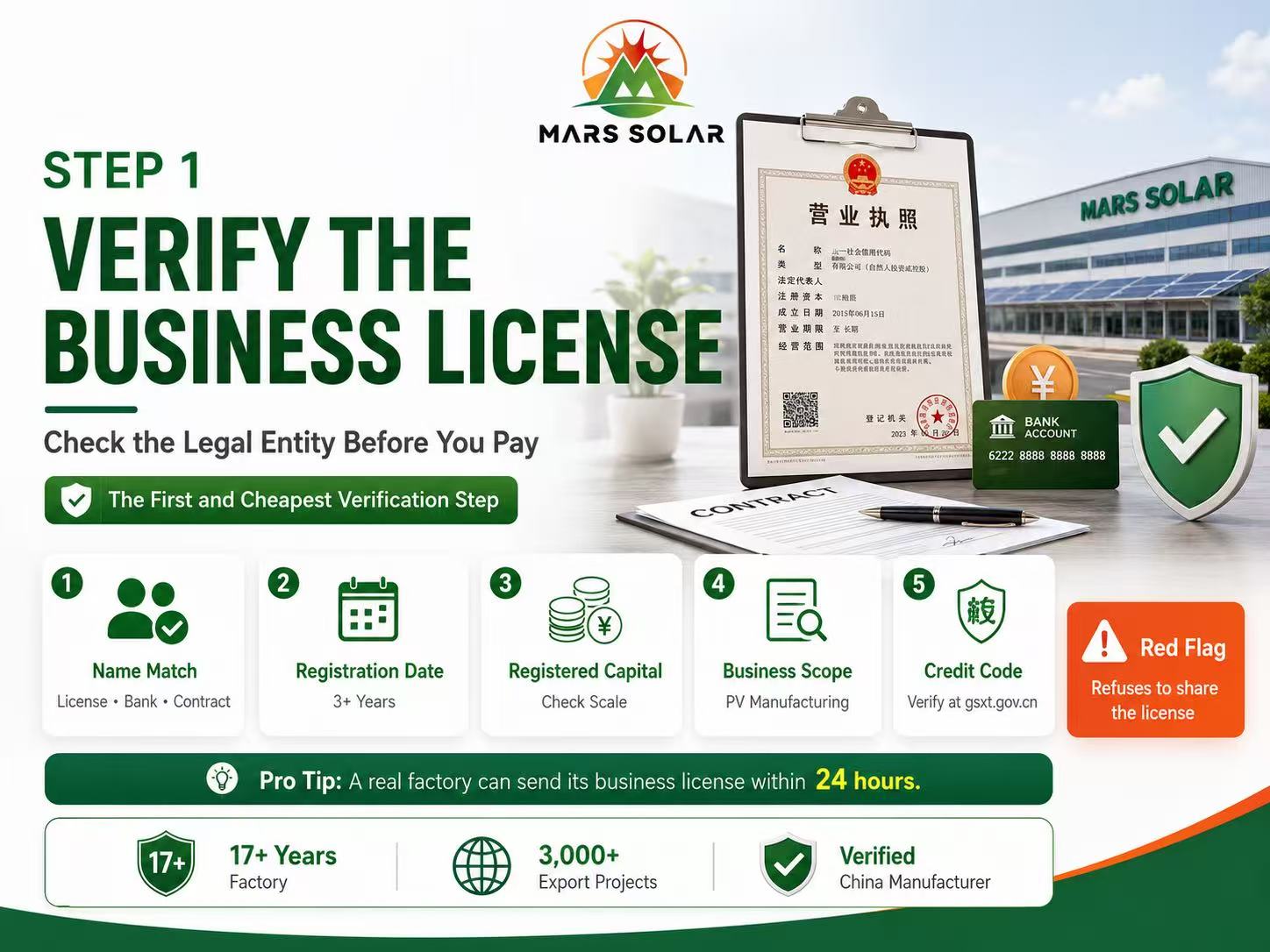 Solar Panel Factory Verification: The 7-Step Due Diligence GuideEvery year, international solar buyers lose millions to fraudulent suppliers — fake certificates, empty factories, and panels that don't match spec. This 7-step verification guide shows you exactly how to qualify any China solar factory before you wire mo
Do you like ?0
Read more -
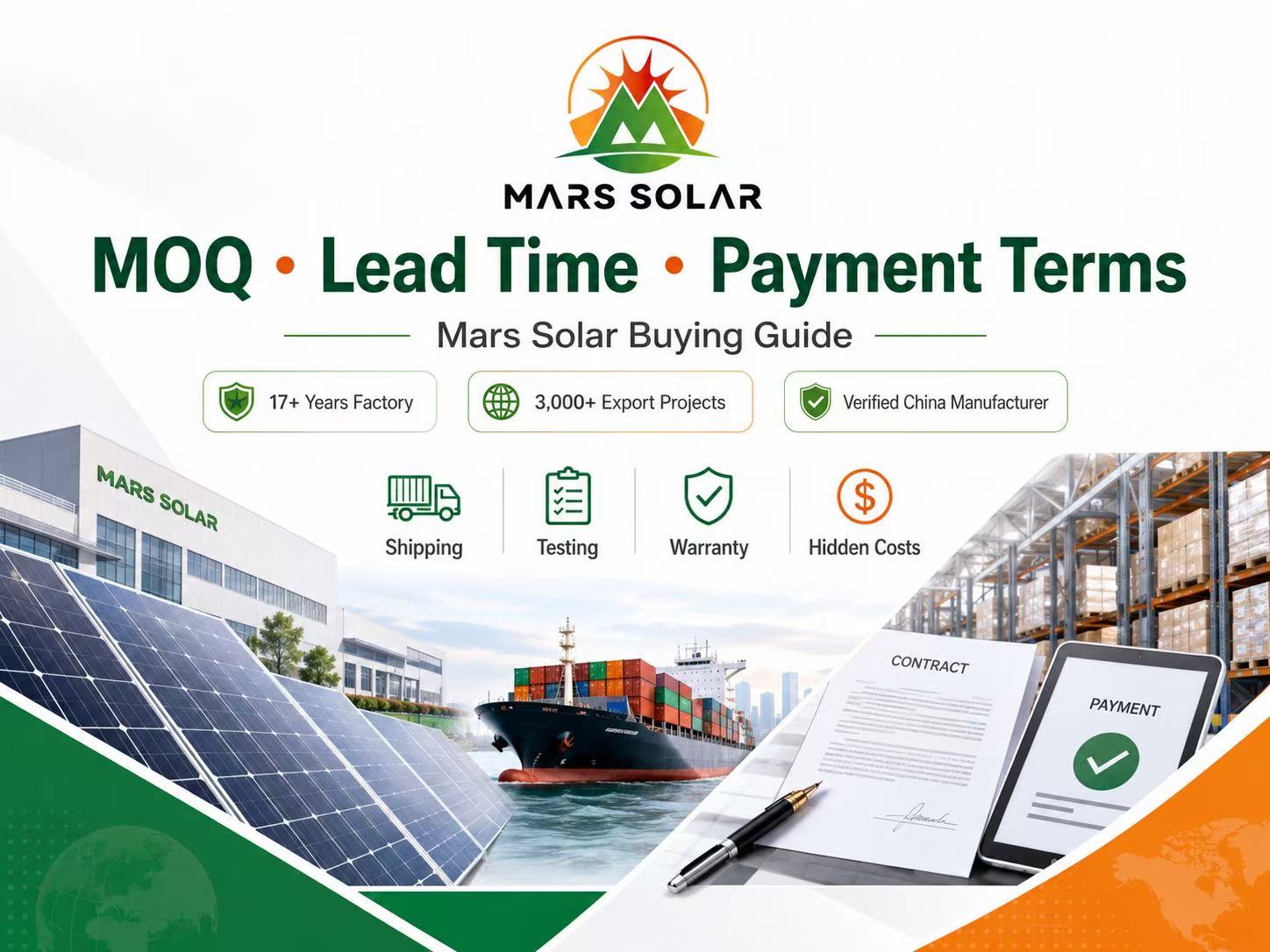 Solar Panel MOQ, Lead Time & Payment Terms: The Complete 2026 Buyer's GuideMOQ, lead time, and payment terms are the 3 questions every solar buyer asks — and the 3 answers most suppliers hide behind vague emails. This guide gives you complete, honest answers from a verified China factory with 17+ years and 3,000+ export projects
Do you like ?0
Read more -
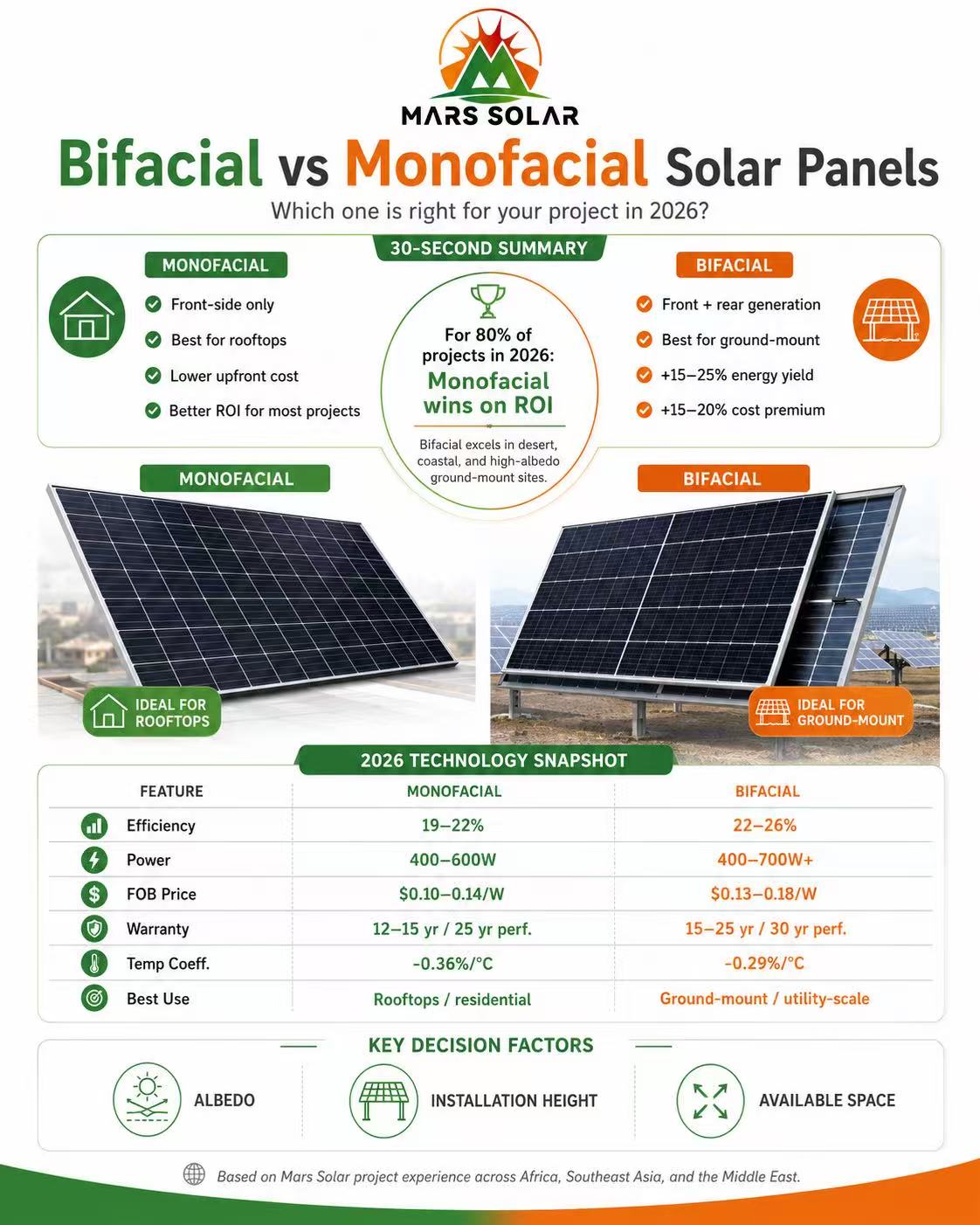 Solar Panel Selection Guide: Monofacial vs. Bifacial — 2026 EditionMonofacial and bifacial solar panels look identical but deliver 15-25% output difference. This 2026 guide compares 15 technical parameters, analyzes 5 real project ROI cases (Nigeria, Philippines, Ghana, Kenya, DRC), and gives you 3 decision frameworks to
Do you like ?0
Read more -
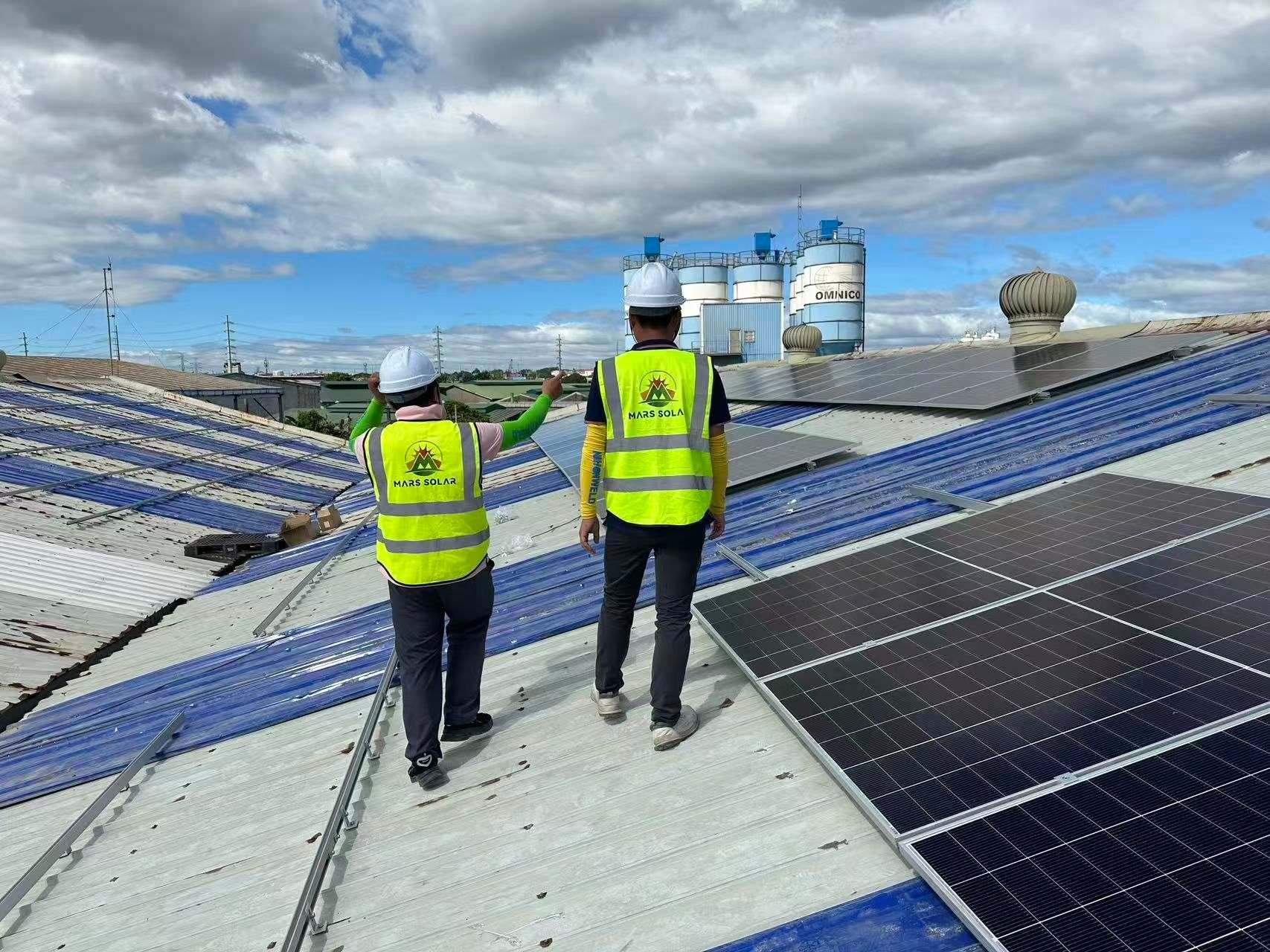 Top 10 Solar Panel Manufacturers China 2026 | Best BrandsDiscover the top 10 solar panel manufacturers China 2026. Compare Jinko, LONGi, Trina & more. Find Tier 1 suppliers.
Do you like ?0
Read more