Quick answer: A 10KW solar system of this configuration produces about 62KWH per day from 28x360W monocrystalline panels and driven by a 10KW/14.3KVA inverter. Built by Mars Solar (factory since 2008), CE/ROHS certified, 25-year panel life, shipped factory-direct to 130+ countries.
The Australian power grid is rapidly turning to renewable energy. According to the latest forecast of the Australian government, by 2030, the increase in household solar Power Of Solar generation will make the proportion of renewable energy in the main grid power generation jump from 23% in 2019 to 69%. This forecast is 14 percentage points higher than the forecast a year ago.
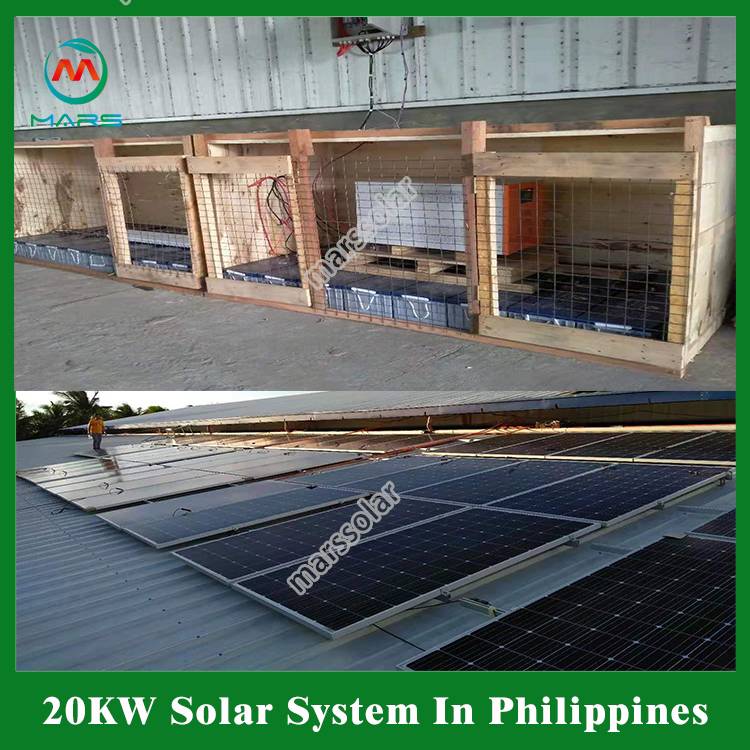
Australia is the world's second largest coal exporter, but it has also quietly become a renewable energy power plant. Here, solar panels are installed on the roofs of a quarter of the houses, which is higher than any other major economy and much higher than the global average.
The Australian Department of Industry, Science, Energy and Resources stated in a report that, driven by rooftop solar, the penetration rate of renewable energy power generation is higher. The low installation cost and abundant sunlight have made Australia a leader in rooftop solar panels in the world.
The department said that by 2030, coal power generation will fall to 11% of total installed capacity, down from 35% in 2019. Small solar will jump from 13% to 30%, and wind energy will jump from 10% to 17%. Therefore, electricity emissions in 2030 will be reduced by 21% compared to last year's forecast. It is reported that Australia’s total emissions in 2030 are expected to be 439 million tons, which is lower than 478 million tons last year and 624 million tons in 2005.
The government led by Prime Minister Scott Morrison of Australia has faced doubts about its methods and including the reductions that are promoted by the land-use sector. Morrison pledged on Tuesday to achieve a goal of zero net emissions by 2050, but some criticized him for not setting more ambitious targets for 2030.
-
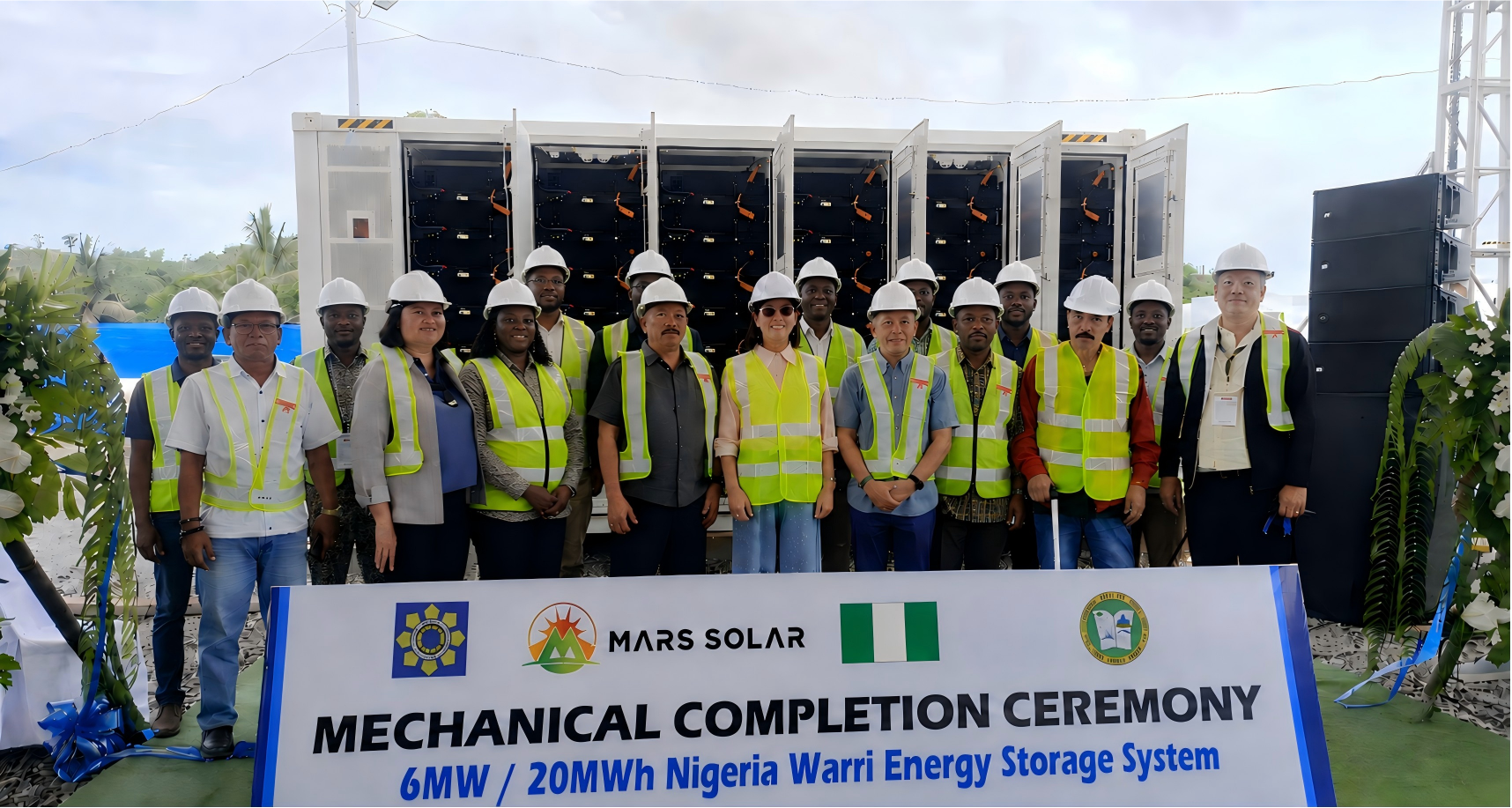 6MW 20MWh Solar Storage in Nigeria Factory + Farm + Residential Case StudyA 6MW solar PV + 20MWh LFP battery storage system in Nigeria powers an integrated factory, farm, and residential complex. The system delivers $108,000+ in monthly electricity savings, reaches payback in approximately 24 months, and provides 25 years of renewable power. This case study covers the engineering configuration, financial model, and operational performance of one of West Africa's most ambitious factory + farm + residential solar deployments.
Do you like ?0
Read more -
Germany's installed capacity demand will reach 11GW and 70GW in 2023As one of the leading countries in the European photovoltaic market, Germany's new installed capacity will reach 11GW in 2023. Looking back at the installed capacity data from January to October 2022, the new installed capacity in German
Do you like ?0
Read more