Factory Solar Nigeria: When the Generator Is Your Real Power Station
Quick answer: factory solar Nigeria
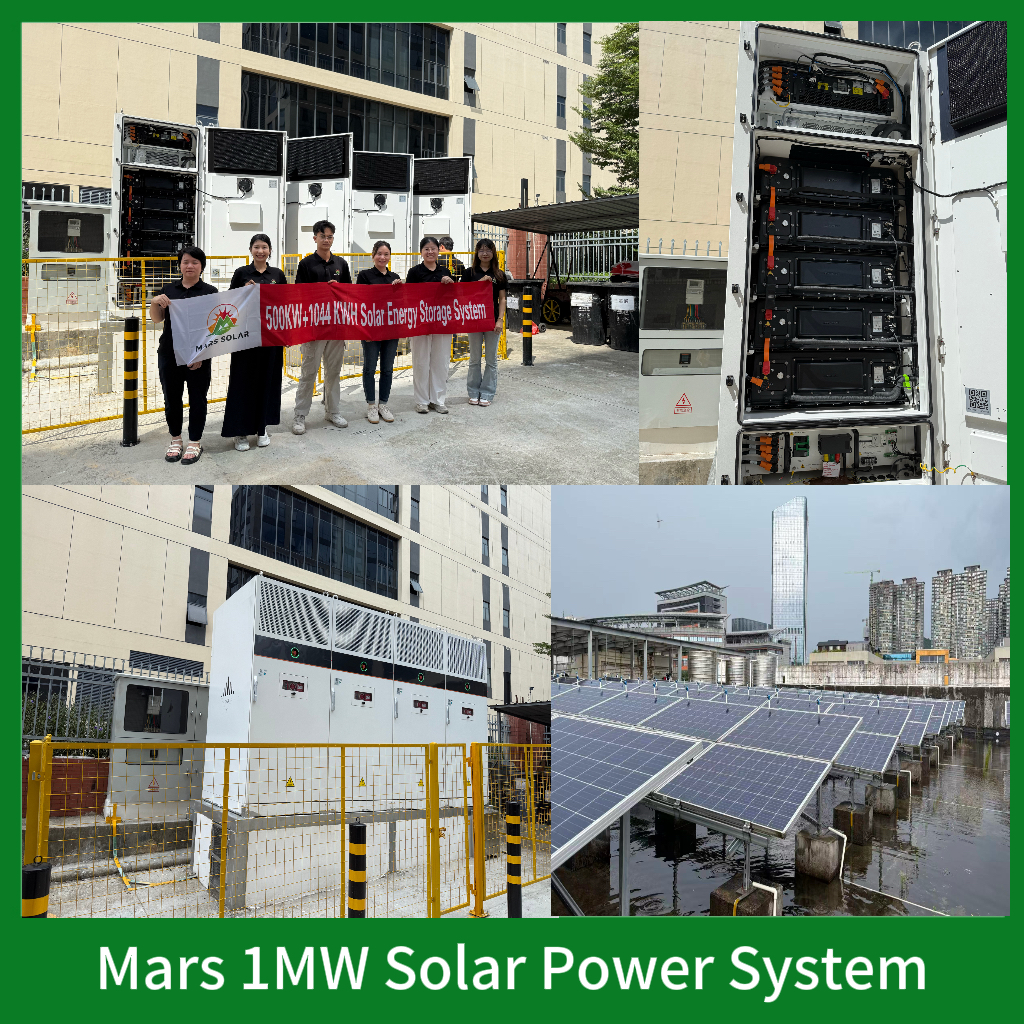
A factory solar Nigeria system is sized against your measured grid supply hours, not against your band. Self-generation at a diesel price of ₦1,500 per litre runs roughly ₦429 per kWh on fuel alone, against a Band A cap of ₦209.5 per kWh, so the return comes almost entirely from displaced diesel. For a factory running a full daytime production shift, a 1 MW array with 261 kWh of storage is the configuration that typically replaces the majority of generator run-hours.
The generator is not a backup. It is your real power station.
Walk the floor of a mid-sized factory in Lagos or Ogun and you will hear it before you see it: the generator set. It is not there for emergencies. For a large share of Nigerian manufacturers it is the plant that actually keeps the machines turning, while the grid supply is the intermittent input.
That arrangement has a price, and it is charged per kilowatt-hour.
On Band A, the Nigerian Electricity Regulatory Commission's cost-reflective cap sits at ₦209.5 per kWh — the rate for customers guaranteed 20 or more hours of supply a day, in force since the December 2025 MYTO order and unchanged as of mid-2026. Below that, bands B to E carry lower headline rates — roughly ₦63, ₦50, ₦45 and ₦40 — but also far fewer guaranteed hours: 16, 12, 8–12 and 4–8 respectively.
The trap is that a lower band rarely means a lower bill. A factory on Band D or E runs its generator for most of the operating day, and the blended cost per kWh ends up above the Band A rate.
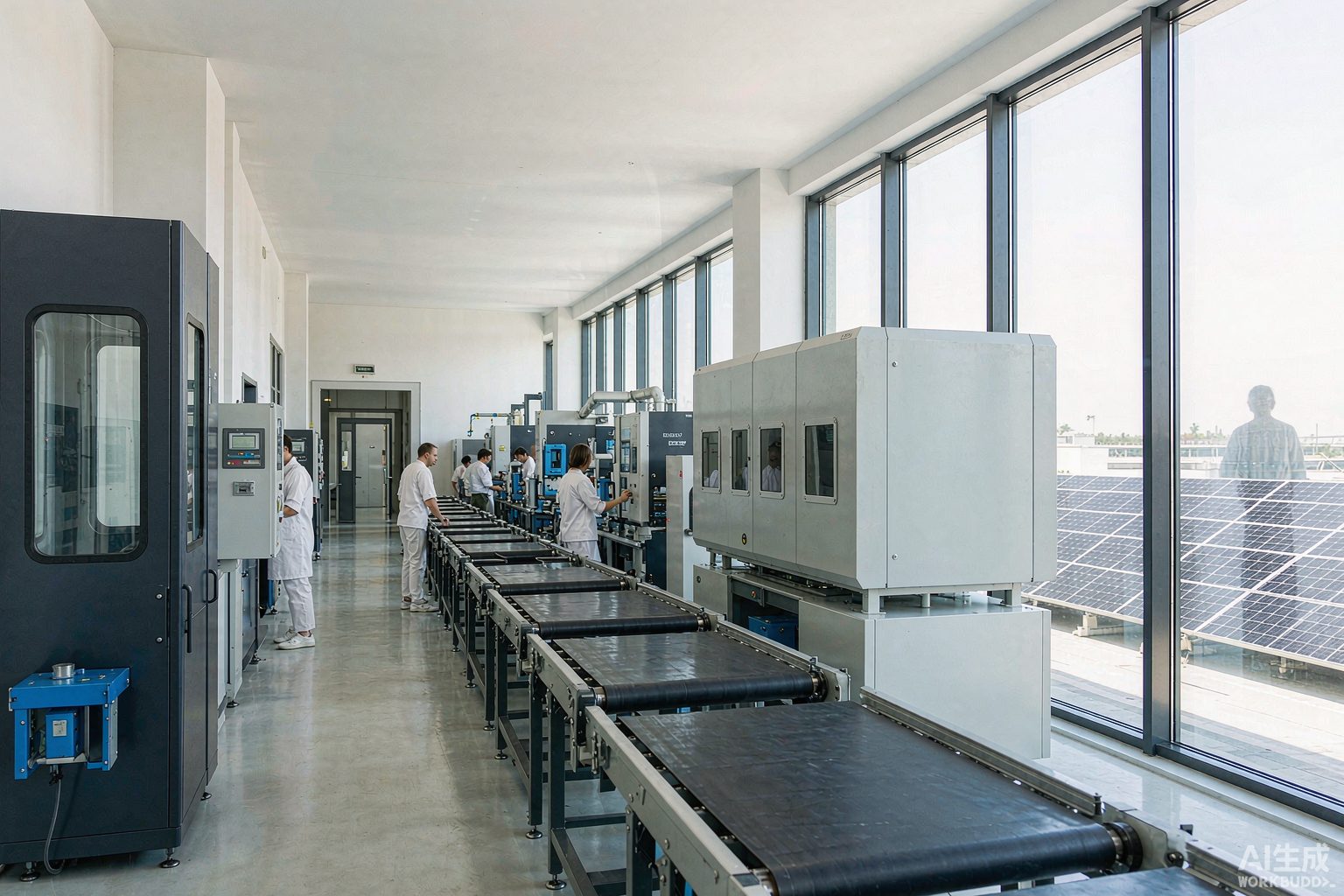 Caption: For many Nigerian manufacturers the generator set is the primary power source, not the backup — which makes its cost per kWh the number that matters.
What the diesel actually costs you
At a diesel price of ₦1,500 per litre, self-generation runs roughly ₦429 per kWh on fuel alone — about twice the Band A grid rate, before the generator's purchase cost, servicing and replacement are counted.
That figure moves, and it has moved sharply. The National Bureau of Statistics put the May 2026 national average diesel price at ₦3,277.47 per litre, up 86% year on year. Priced at that level, diesel generation costs materially more again. Whichever price you budget against, the direction is the same: fuel-linked generation is the most expensive kilowatt-hour a factory can buy, and it is the one cost that gets worse while everything else is being optimised.
A worked example from a Band E site consuming 10,000 kWh a month: roughly 1,500 kWh from the grid at ₦40, and 8,500 kWh from the generator at ₦429. The blended rate lands above ₦370 per kWh — more than four times the headline Band E tariff.
What a factory system changes
A correctly engineered factory solar Nigeria system does three things at once.
1. It displaces the expensive kilowatt-hours first. Solar production during the day offsets generator run-hours at whatever your fuel cost per kWh is — the highest-cost energy on site. Storage extends that into the evening shift.
2. It stabilises the process, not just the bill. With hybrid inverter and 261 kWh, voltage-sensitive equipment — CNC drives, packaging lines, cold rooms, QA instrumentation — rides through transfer without the interruption that scrapes product, damages tooling and resets cycle times. Unreliable power taxes every unit produced: it interrupts schedules, damages equipment and raises maintenance.
3. It removes the fuel logistics. No diesel deliveries to schedule and secure, no bulk tank to manage, no price exposure to the next fuel movement.
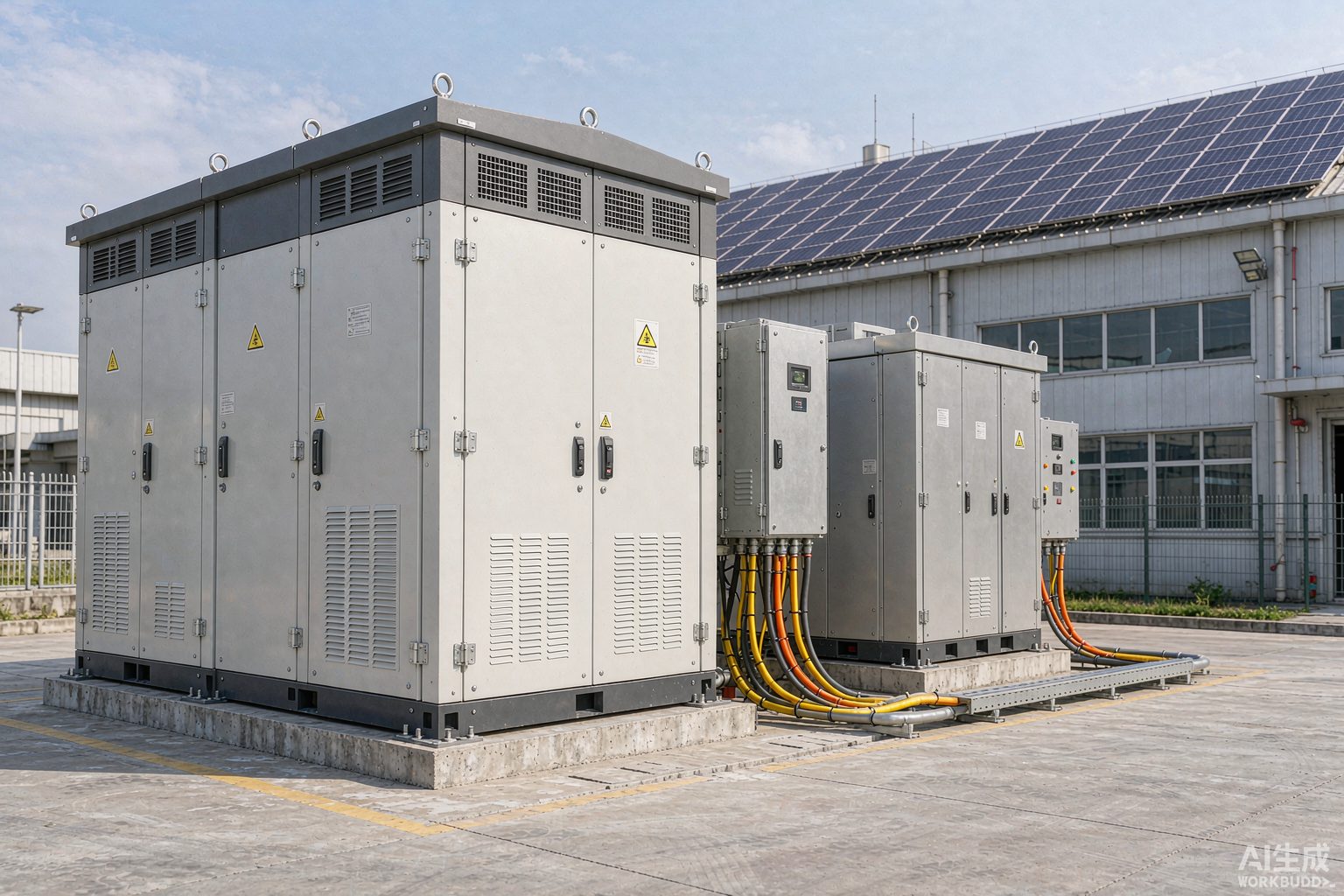 Caption: Sizing against measured supply hours — not the band definition — is what determines how much diesel a system displaces.
Sizing against supply, not against the band
The most common sizing error is designing to the band definition rather than to measured supply. On Bands D and E the grid delivers 8–12 and 4–8 hours respectively, so storage has to carry most of the operating day and the generator becomes backup to the battery. Your savings come almost entirely from displaced diesel.
For a factory running a full daytime production shift, a 1 MW (1000 kW) array with 261 kWh of storage is the configuration that typically replaces the majority of generator run-hours. The exact split depends on your shift pattern, measured grid hours and load factor — which is why the assessment starts with your metering data, not a rule of thumb. That principle is the whole basis of factory solar Nigeria sizing: the band tells you the tariff, your metering tells you the diesel.
Compliance: the step that catches importers out
If you are importing equipment, duty position and conformity are separate regimes, and confusing them delays containers.
- SONCAP is two-tier. Tier one is a Product Certificate registered to the product and manufacturer; for new energy products PC3 grade adds a factory audit — budget two to four months. Tier two is a Shipment Certificate per consignment, issued only after physical inspection at the loading port in China. A container arriving without a valid Shipment Certificate cannot be regularised at the port.
- Zero duty does not mean zero paperwork. Photovoltaic modules, inverters, batteries and energy storage systems are all regulated products under SONCAP. Duty exemption does not exempt them.
- Form M is mandatory above USD 20,000 and must be opened before shipment.
Mars Solar ships with the Product Certificate in place and supports the per-shipment certification, so the container clears rather than sitting at the port.
Get a factory-specific assessment
Factory economics are driven by shift pattern and measured grid hours, not by roof area. Mars Solar sizes industrial systems against your metering data and your actual supply hours.
That is what separates factory solar Nigeria from a generic industrial quote: the design input is your supply hours and shift pattern, not your roof area.
Request your diesel-displacement estimate — send your last twelve months of bills, your DisCo and band, and your daytime load in kW. You will receive a diesel-displacement estimate and an indicative configuration within 24 hours, with no obligation.
Frequently asked questions about factory solar Nigeria
Is grid power in Nigeria actually cheaper than running my generator?
Yes, by a wide margin. Band A is capped at ₦209.5 per kWh, while self-generation at a diesel price of ₦1,500 per litre runs roughly ₦429 per kWh on fuel alone, before the generator's purchase cost, servicing and replacement are counted. At the May 2026 national average diesel price of ₦3,277.47 per litre it costs materially more again.
Why is my bill higher on Band D or E when the headline rate is lower?
Because the band sets the rate, not the hours. Bands B to E carry headline rates of roughly ₦63, ₦50, ₦45 and ₦40 but only 16, 12, 8–12 and 4–8 guaranteed hours, and the shortfall is made up by the generator. In the worked example on this page, a Band E site consuming 10,000 kWh a month blended to above ₦370 per kWh.
What size system replaces most of my generator run-hours?
For a factory running a full daytime production shift, a 1 MW (1000 kW) array with 261 kWh of storage is the configuration that typically replaces the majority of generator run-hours. The exact split depends on your shift pattern, measured grid hours and load factor.
Should I size to my band or to my measured supply hours?
Always to measured supply hours — designing to the band definition is the most common sizing error. On Bands D and E the grid delivers 8–12 and 4–8 hours, so storage has to carry most of the operating day and the generator becomes backup to the battery.
Does solar protect production equipment, or only cut the bill?
Both. With hybrid inverter and 261 kWh of storage, voltage-sensitive equipment — CNC drives, packaging lines, cold rooms, QA instrumentation — rides through transfer without the interruption that scrapes product, damages tooling and resets cycle times.
What compliance is required to import solar equipment into Nigeria?
SONCAP is two-tier. Tier one is a Product Certificate registered to the product and manufacturer; for new energy products PC3 grade adds a factory audit, so budget two to four months. Tier two is a Shipment Certificate per consignment, issued only after physical inspection at the loading port in China.
Does a duty exemption remove the SONCAP requirement?
No. Duty position and conformity are separate regimes, and confusing them delays containers. Photovoltaic modules, inverters, batteries and energy storage systems are all regulated products under SONCAP, and a duty exemption does not exempt them. A container arriving without a valid Shipment Certificate cannot be regularised at the port.
When does Form M need to be opened?
Form M is mandatory above USD 20,000 and must be opened before shipment. Mars Solar ships with the Product Certificate in place and supports the per-shipment certification, so the container clears rather than sitting at the port.
-
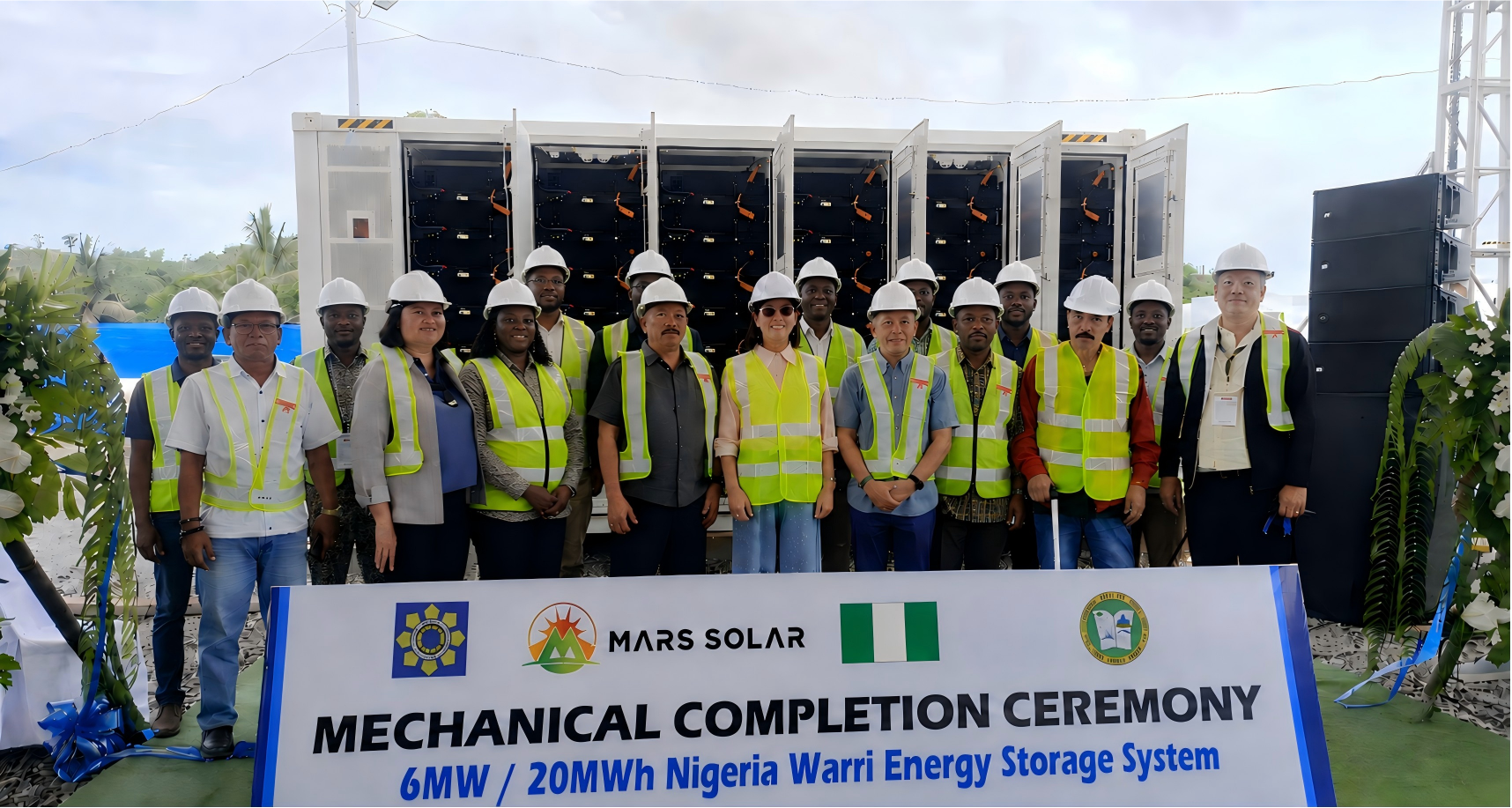 6MW 20MWh Solar Storage in Nigeria Factory + Farm + Residential Case StudyA 6MW solar PV + 20MWh LFP battery storage system in Nigeria powers an integrated factory, farm, and residential complex. The system delivers $108,000+ in monthly electricity savings, reaches payback in approximately 24 months, and provides 25 years of renewable power. This case study covers the engineering configuration, financial model, and operational performance of one of West Africa's most ambitious factory + farm + residential solar deployments.
Do you like ?0
Read more -
Germany's installed capacity demand will reach 11GW and 70GW in 2023As one of the leading countries in the European photovoltaic market, Germany's new installed capacity will reach 11GW in 2023. Looking back at the installed capacity data from January to October 2022, the new installed capacity in German
Do you like ?0
Read more