According to data shared by the Indian Ministry of New Energy and Renewable Energy (MNRE) and the Standing Committee on Energy of the Parliament, in order to achieve the goal of 175 gigawatts (GW) of Solar Energy Photovoltaic renewable energy capacity, India needs 2.6 trillion yuan from now to the end of December 2022 Rupee investment.
This means that the country must increase its annual expenditure on renewable energy projects to approximately 1.3 trillion rupees in the two calendar years of 2021 and 2022. However, this is a far cry from the average annual investment of Rs 823 billion that has been completed in the past five years.
At present, India’s installed renewable energy capacity is 87 GW, and the capacity being implemented is about 30 GW. In other words, India needs 58 GW to complete the above goal.
According to the report, “the capital requirement for 58 GW capacity is approximately 2.6 trillion rupees, which is calculated at a cost of 45 million rupees per megawatt. In the next two to three years, debt financing will require 1.827 trillion rupees, and equity financing will be Rs 7,830 crore.” However, it added that the cost of wind and solar technology is expected to be further reduced in the future.
According to statistics, from the 2010-11 fiscal year to the 2019-20 fiscal year, India's renewable energy sector received foreign direct investment FDI totaling 8.407 billion U.S. dollars. Among them, in the 2018-2019 fiscal year, renewable energy FDI reached 1.446 billion U.S. dollars, the highest in this decade, followed by the 2019-20 fiscal year, which received FDI 1.393 billion U.S. dollars.
In addition, renewable energy sources that received more than US$1 billion in FDI in the fiscal year include the 2012-13 fiscal year, which received an investment of 1.1 billion US dollars, and the 2017-18 fiscal year, which received an investment of 1.2 billion US dollars.
According to the report, the Indian Renewable Energy Development Agency (IREDA) is the only public sector financial institution that provides financing for renewable energy projects and must be prepared to take on additional responsibilities and provide funding for the installation of renewable energy projects.
It said: “Therefore, the committee recommends that the ministry mobilize more long-term financing and concessional loans through multilateral and bilateral agencies as much as possible.”
According to the report, as of June 2020, out of 87 GW of installed renewable energy projects, IREDA has provided 229 projects with loans of Rs 25,92.26 crore, totaling 11,830.69 MW.
-
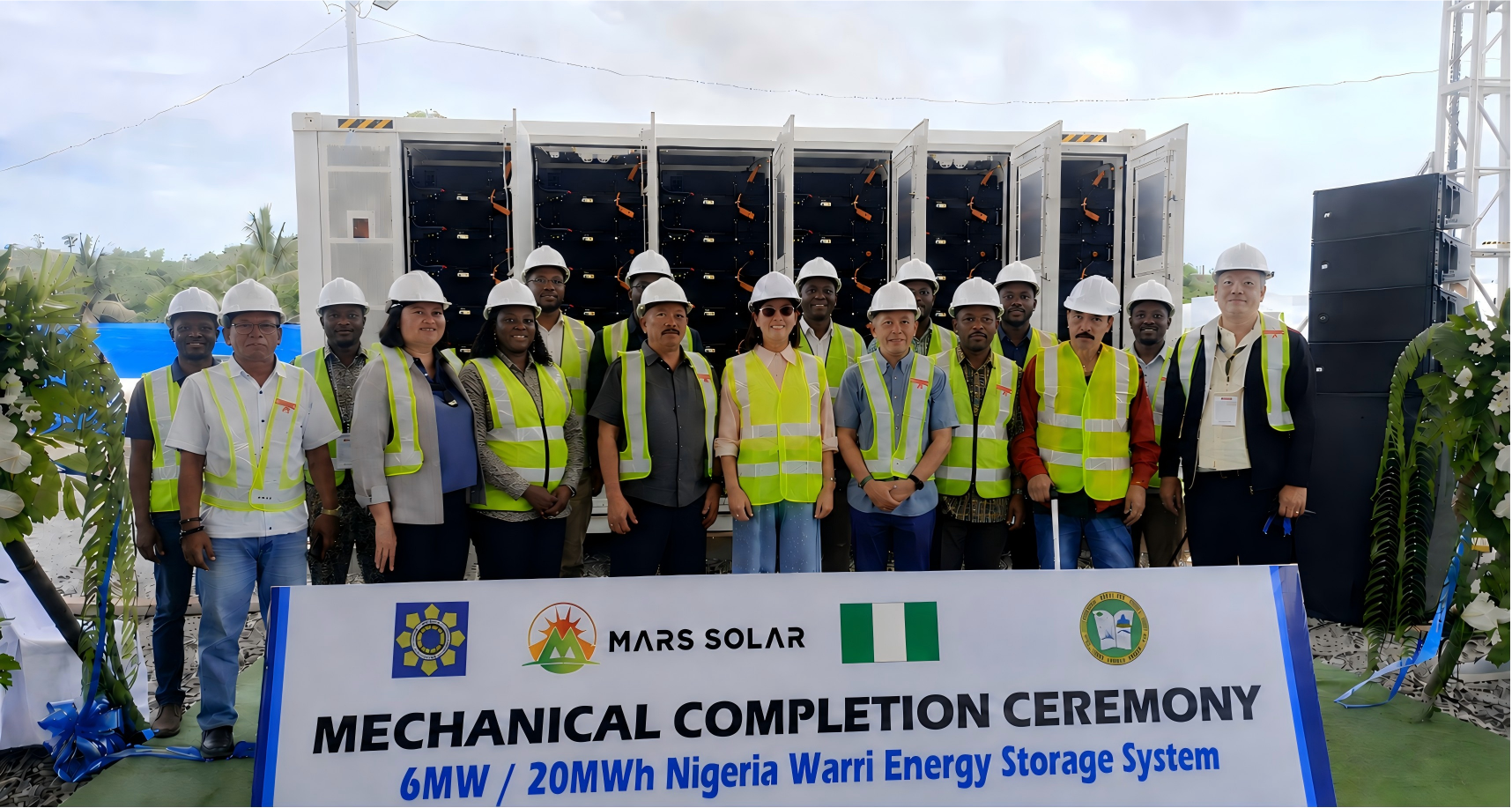 6MW 20MWh Solar Storage in Nigeria Factory + Farm + Residential Case StudyA 6MW solar PV + 20MWh LFP battery storage system in Nigeria powers an integrated factory, farm, and residential complex. The system delivers $108,000+ in monthly electricity savings, reaches payback in approximately 24 months, and provides 25 years of renewable power. This case study covers the engineering configuration, financial model, and operational performance of one of West Africa's most ambitious factory + farm + residential solar deployments.
Do you like ?0
Read more -
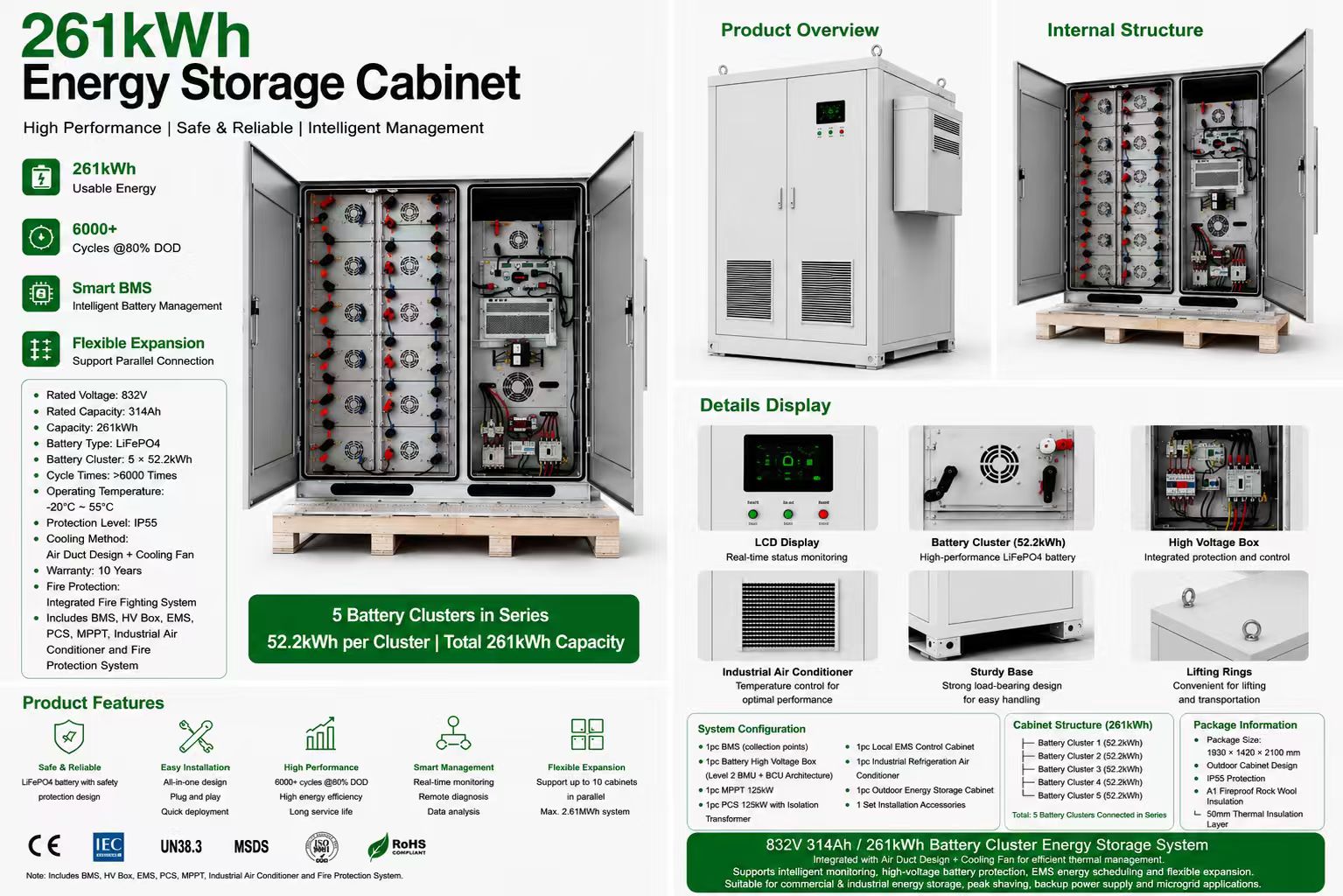 BESS in Nigeria 2026: Battery Energy Storage Cost, Diesel Payback & Import GuideBESS in Nigeria: 2026 pricing, diesel payback, SONCAP, China import guide. Save 60%+ vs diesel. Factory-direct LFP from Mars Solar.
Do you like ?0
Read more -
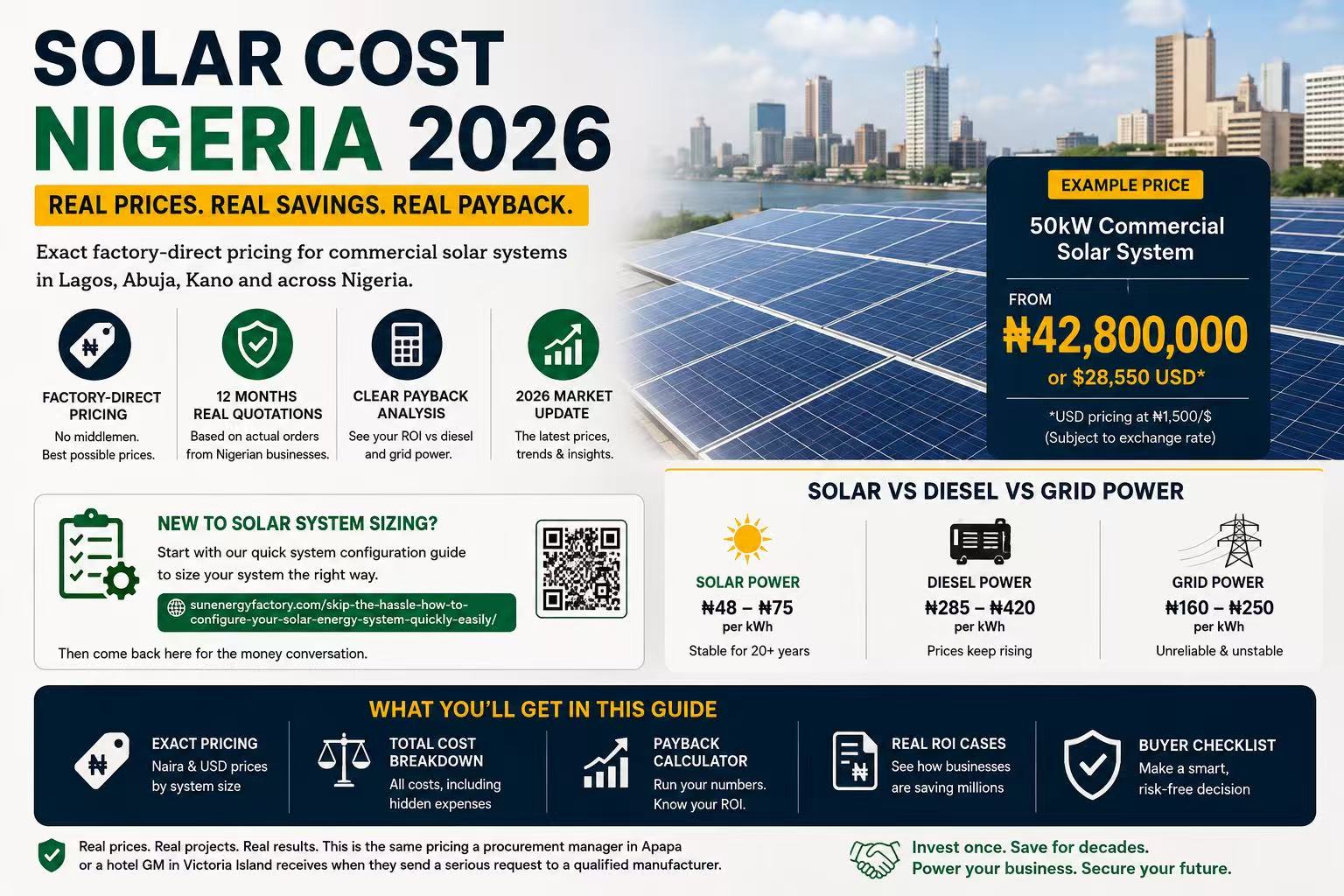 How Much Does Solar Cost in Nigeria? 2026 Real Pricing GuideSolar cost in Nigeria for 5kW to 250kW systems, in Naira and USD. Compare solar vs diesel vs grid, calculate payback, and explore financing options.
Do you like ?0
Read more -
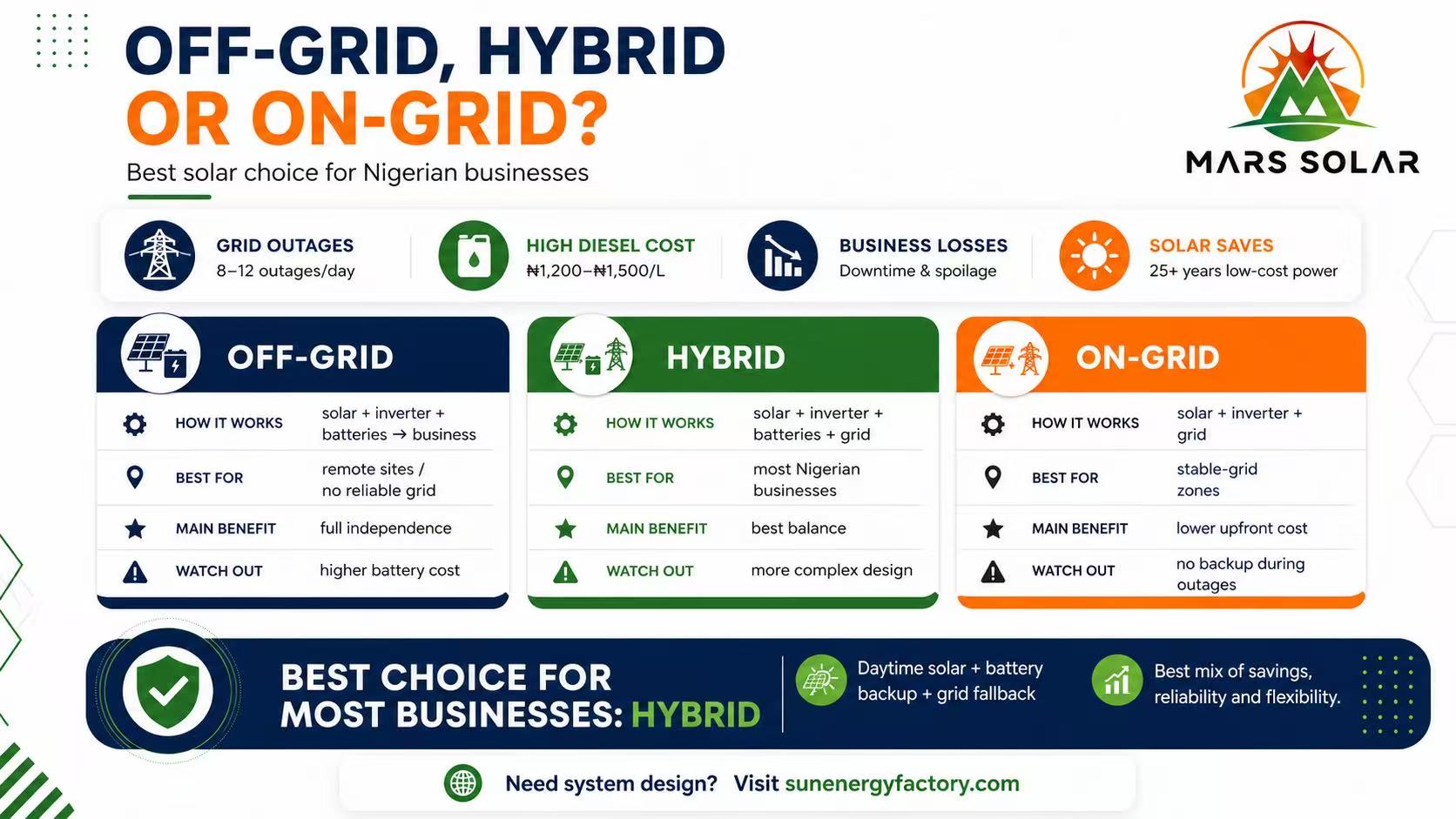 Solar Power Nigeria 2026: Off-Grid vs Hybrid vs On-GridNigeria’s unreliable grid and soaring diesel costs are forcing business owners to take solar seriously. But the biggest question remains: which system — off-grid, hybrid, or on-grid? This 2026 guide breaks down all three solar architectures for Nigeria
Do you like ?0
Read more -
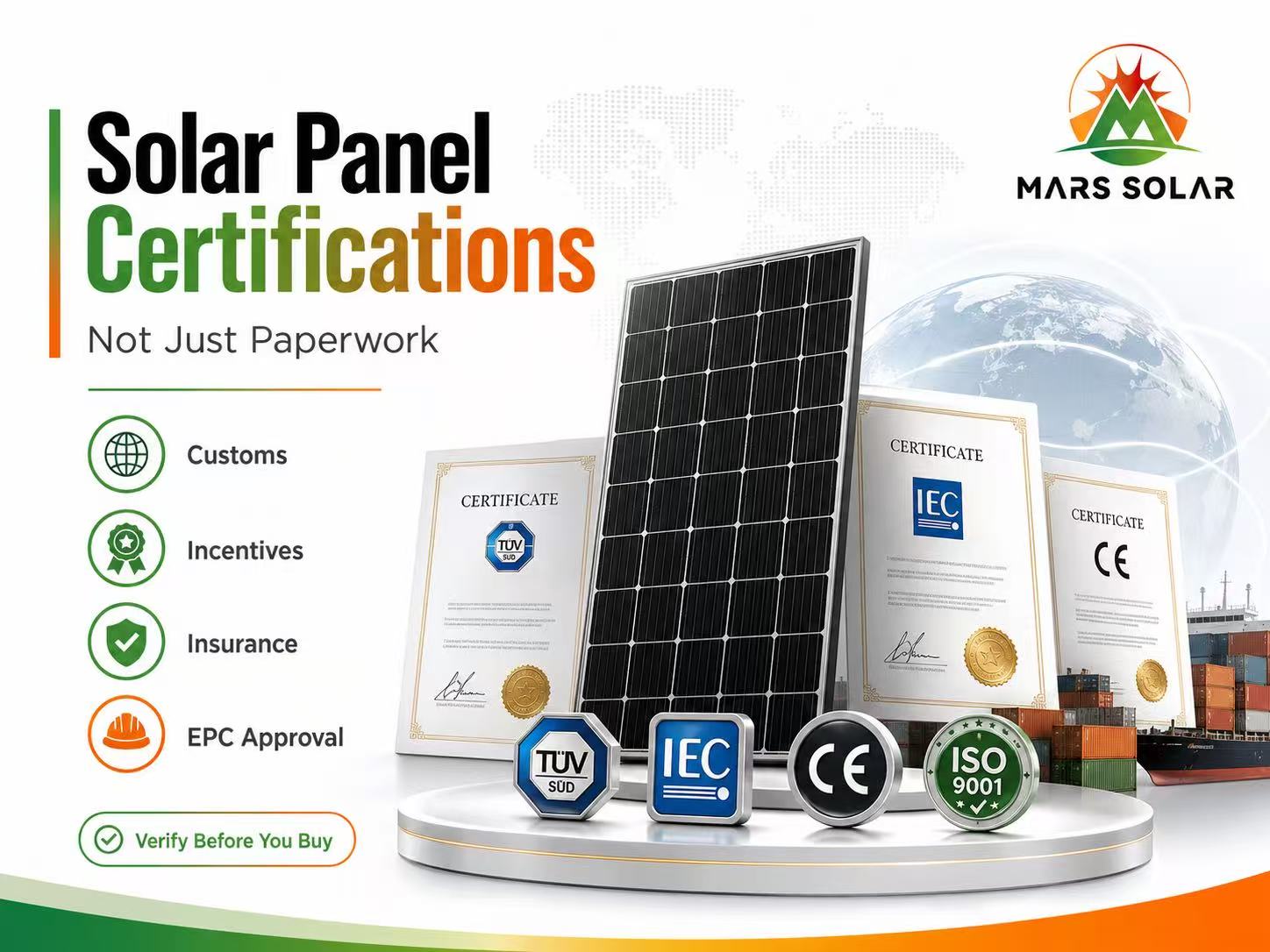 Solar Panel Certifications Explained: IEC, UL, TÜV, CE, ISO — The 2026 GuideA solar panel without proper certifications is unsellable in 90% of international markets. This 2026 guide explains every major certification — IEC 61215, IEC 61730, UL 61730, TÜV, CE, ISO 9001/14001/45001 — what it tests, who issues it, which markets req
Do you like ?0
Read more -
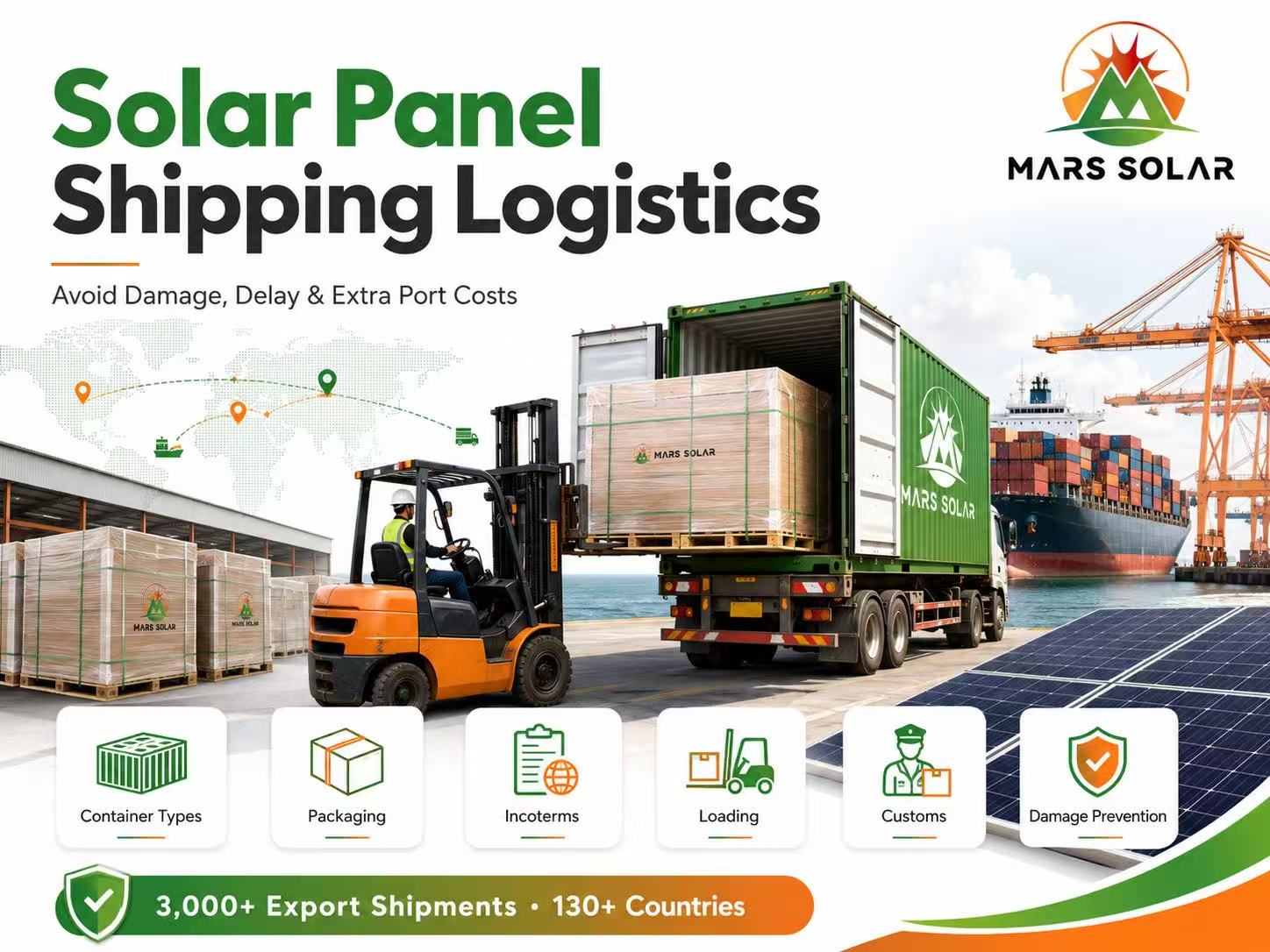 Solar Panel Shipping & Container Loading: The 2026 Complete GuideThe solar panels leaving the factory are perfect. By the time they arrive at your warehouse, 3–7% might be damaged, delivery could be 2 weeks late, and demurrage at the destination port could wipe out your margin. This 2026 guide covers container types (2
Do you like ?0
Read more