Quick answer: A 5KW solar system of this configuration produces about 33.6KWH per day from 16x350W monocrystalline panels and driven by a 5KW/7KVA inverter. Built by Mars Solar (factory since 2008), CE/ROHS certified, 25-year panel life, shipped factory-direct to 130+ countries.
A few days ago, the Kenya Power Company announced that the traditional Solar Electric power purchase model for industrial and commercial users was severely impacted by the rapid development of distributed photovoltaics. A large number of industrial and commercial power users began to install rooftop photovoltaic systems for self-generation and self-use of electricity, and the sales revenue of power companies fell by more than half.
In fact, not only the industrial and commercial sectors, but also the photovoltaic installations of ordinary household users are also rising simultaneously. At present, the Kenyan "Off-Grid Photovoltaic Action" led by the Kenyan Ministry of Energy has been implemented for nearly four years. This project aims to provide electricity protection for about 1.3 million households in large areas of northeast and northern Kenya that cannot be covered by the public grid in Kenya.
According to the Kenya National Energy Efficiency and Energy Conservation Strategy issued by the Kenyan Ministry of Energy in 2020, as of the end of 2019, about 19.3% of houses nationwide in Kenya were installed with photovoltaic power generation systems, equivalent to about 2.3 million specific users. Especially in rural areas, the coverage rate of photovoltaic power generation systems reached 29.9%, while the coverage rate of the public grid during the same period was only 26%.
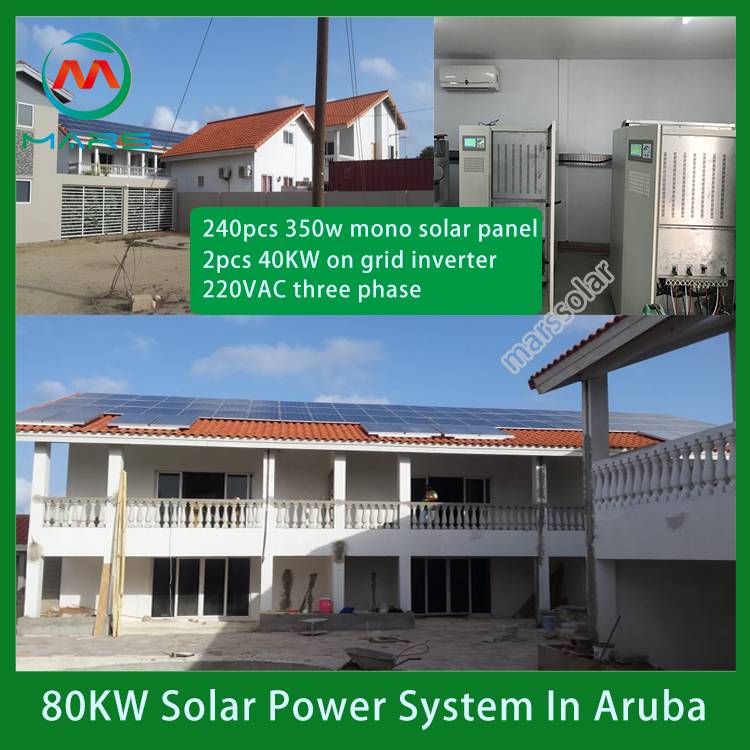
"According to current electricity prices and investment calculations, the payback period of a solar power generation system is about 4 years. Based on the calculation of stable operation for 20 years, the electricity for the next 16 years will be free." Near Lake Naivasha, Kenya Patrick Mbugua, a flower farmer, installed a 154-kilowatt small photovoltaic power generation system on his farm. "Thanks to this photovoltaic power station, we are no longer completely dependent on the expensive public grid, and can achieve spontaneous self-use during certain periods."
Compared with the traditional public grid, the low electricity cost of distributed photovoltaics has become a key factor in attracting users: the 506 kilowatt solar photovoltaic power generation project installed by a Kenyan logistics company saved the company about 12 million shillings (about 720,000 yuan); the distributed photovoltaic system installed on the sun visor of the parking lot of the Kenya Garden City Shopping Center has an annual power generation of 1256 MWh, which can save 31.6 million shillings (about 190 Ten thousand yuan). Kenya Tea Development Co., Ltd. plans to build photovoltaic power generation systems in its 29 factories, which is expected to help the tea factory cut electricity expenditures by nearly 50%.
-
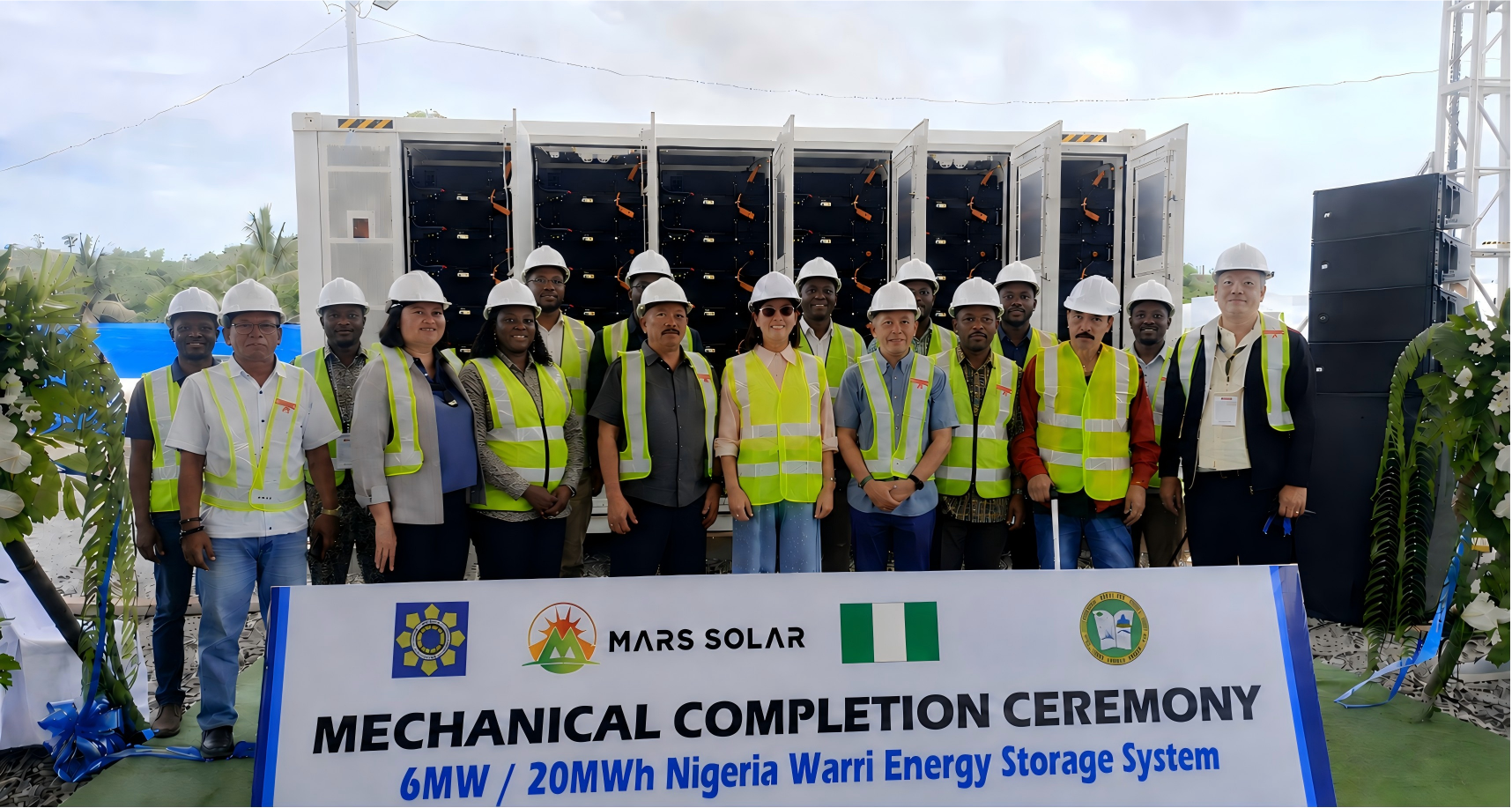 6MW 20MWh Solar Storage in Nigeria Factory + Farm + Residential Case StudyA 6MW solar PV + 20MWh LFP battery storage system in Nigeria powers an integrated factory, farm, and residential complex. The system delivers $108,000+ in monthly electricity savings, reaches payback in approximately 24 months, and provides 25 years of renewable power. This case study covers the engineering configuration, financial model, and operational performance of one of West Africa's most ambitious factory + farm + residential solar deployments.
Do you like ?0
Read more -
 Solar Panel Shipping & Container Loading: The 2026 Complete GuideThe solar panels leaving the factory are perfect. By the time they arrive at your warehouse, 3–7% might be damaged, delivery could be 2 weeks late, and demurrage at the destination port could wipe out your margin. This 2026 guide covers container types (2
Do you like ?0
Read more -
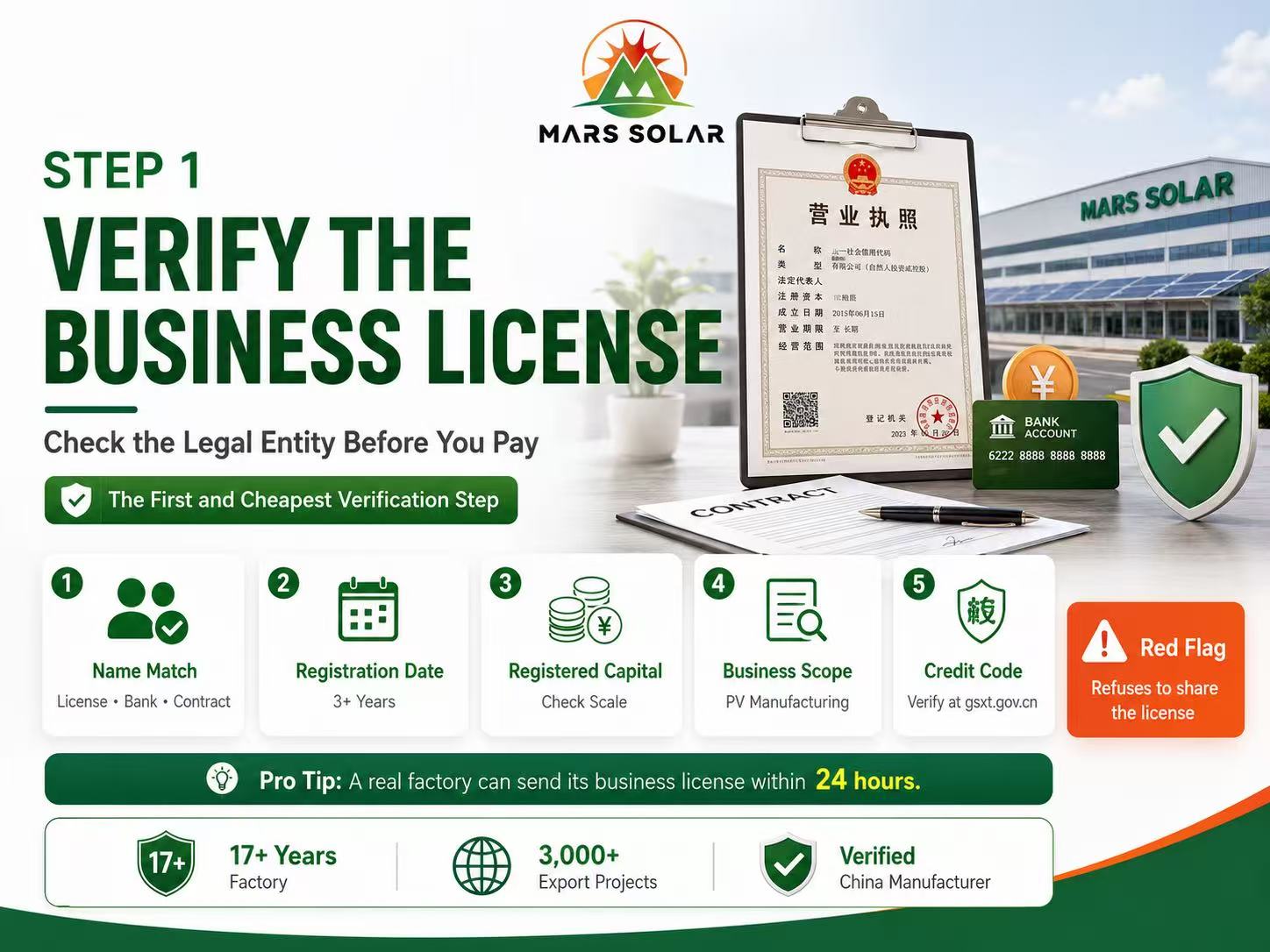 Solar Panel Factory Verification: The 7-Step Due Diligence GuideEvery year, international solar buyers lose millions to fraudulent suppliers — fake certificates, empty factories, and panels that don't match spec. This 7-step verification guide shows you exactly how to qualify any China solar factory before you wire mo
Do you like ?0
Read more -
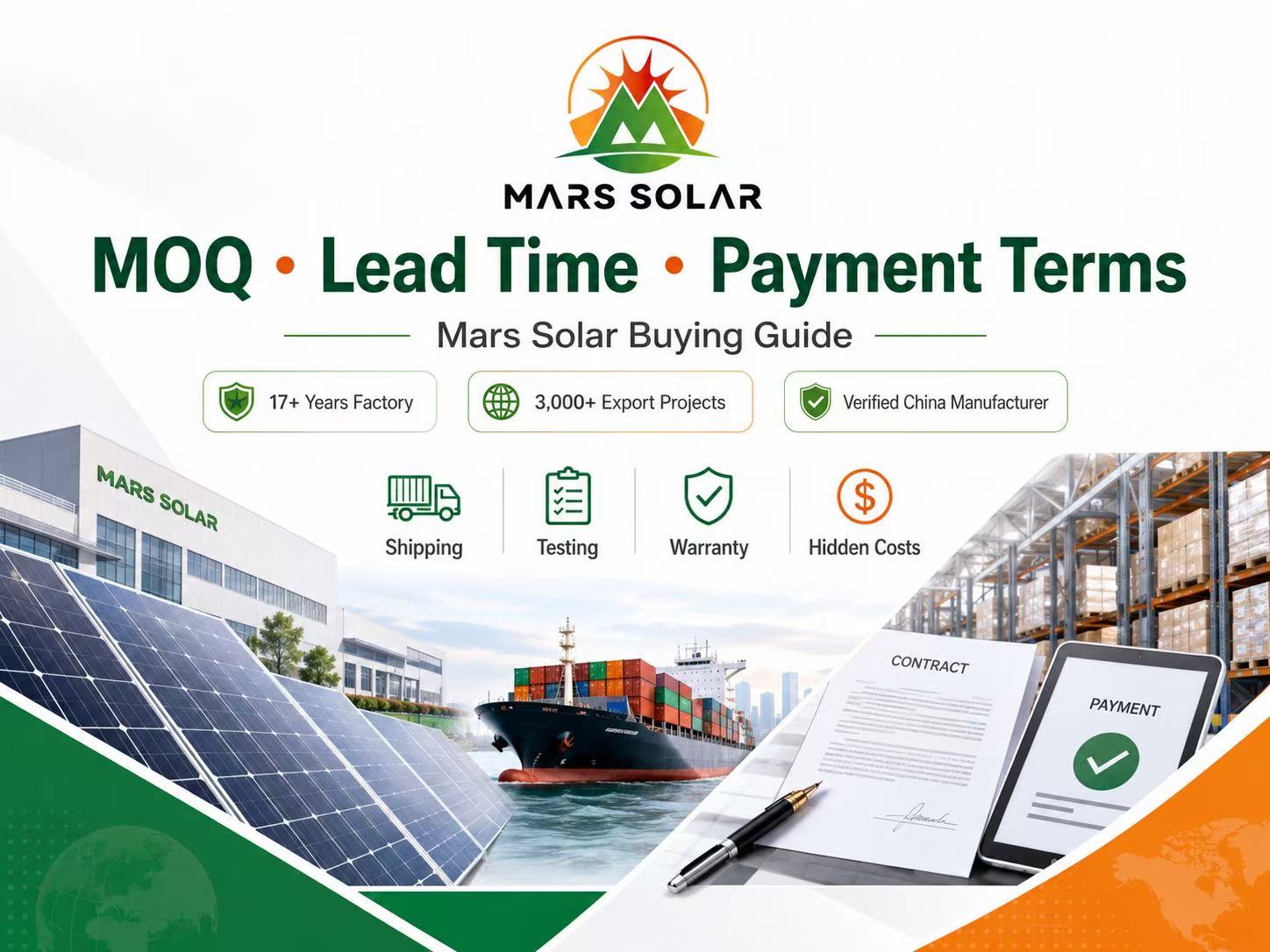 Solar Panel MOQ, Lead Time & Payment Terms: The Complete 2026 Buyer's GuideMOQ, lead time, and payment terms are the 3 questions every solar buyer asks — and the 3 answers most suppliers hide behind vague emails. This guide gives you complete, honest answers from a verified China factory with 17+ years and 3,000+ export projects
Do you like ?0
Read more -
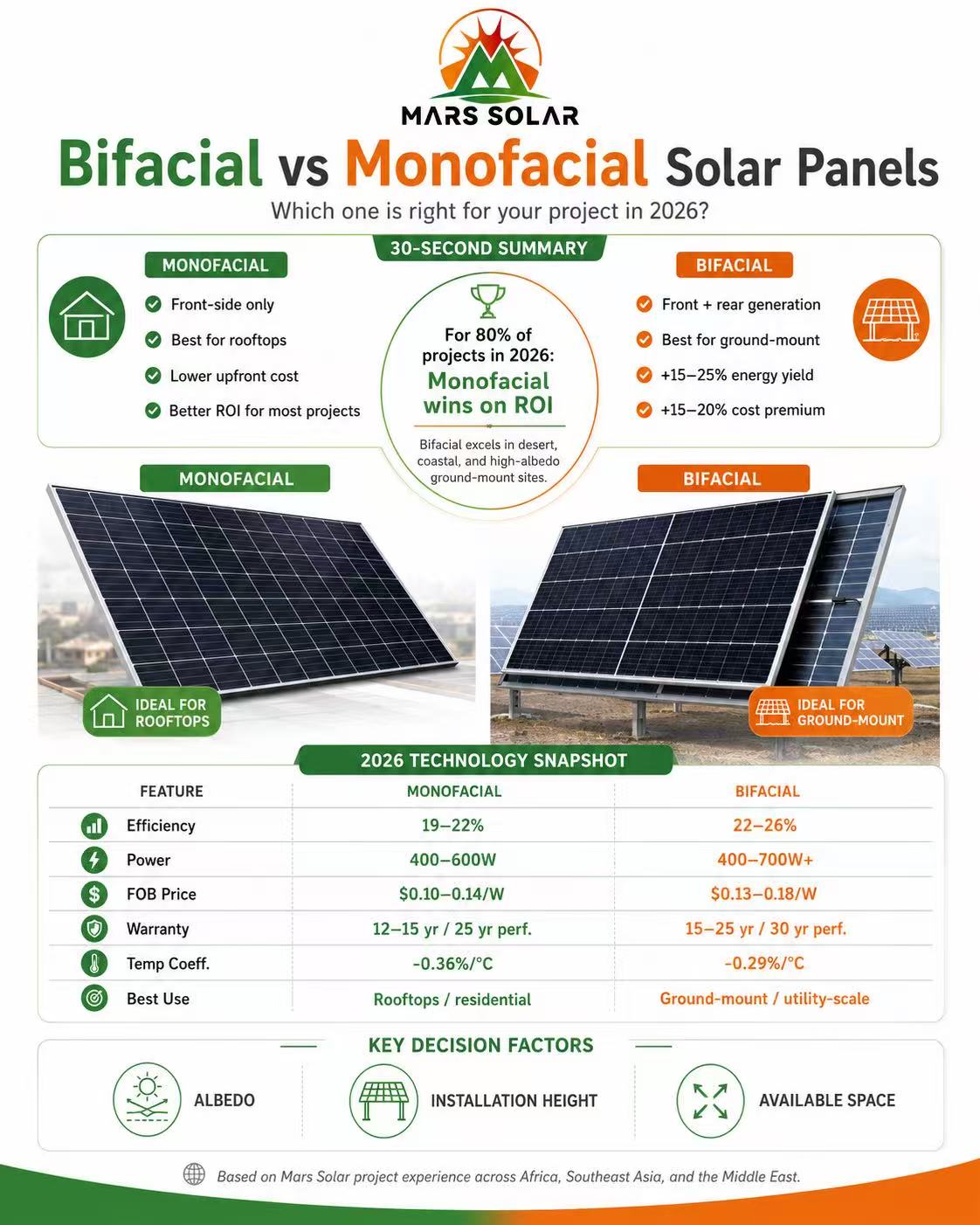 Solar Panel Selection Guide: Monofacial vs. Bifacial — 2026 EditionMonofacial and bifacial solar panels look identical but deliver 15-25% output difference. This 2026 guide compares 15 technical parameters, analyzes 5 real project ROI cases (Nigeria, Philippines, Ghana, Kenya, DRC), and gives you 3 decision frameworks to
Do you like ?0
Read more -
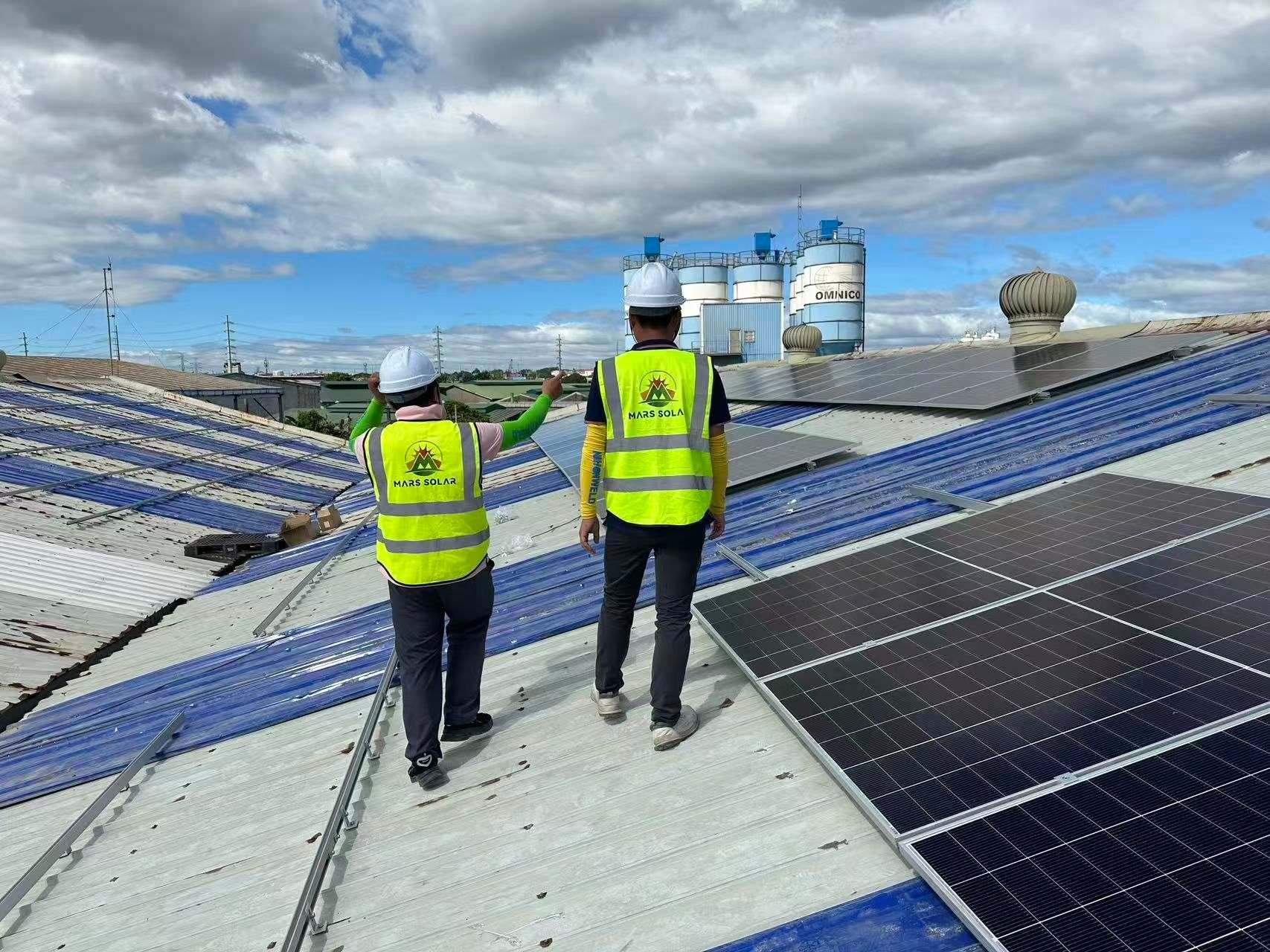 Top 10 Solar Panel Manufacturers China 2026 | Best BrandsDiscover the top 10 solar panel manufacturers China 2026. Compare Jinko, LONGi, Trina & more. Find Tier 1 suppliers.
Do you like ?0
Read more