Quick answer: A 10KW solar system of this configuration produces about 62KWH per day from 28x360W monocrystalline panels and driven by a 10KW/14.3KVA inverter. Built by Mars Solar (factory since 2008), CE/ROHS certified, 25-year panel life, shipped factory-direct to 130+ countries.
Industry consulting agency Resta Energy recently released the latest report that due to the soaring cost of raw materials and transportation, it is estimated that more than half of the world's Complete House Solar System projects will face the risk of delay or even cancellation in 2022.
The report pointed out that due to supply chain pressure and rising raw material prices, of the approximately 90 million kilowatt utility-scale photovoltaic projects planned to be installed in the world in 2022, the construction of about 50 million kilowatts may be hindered.
According to data from the market research organization Esson Huamai, since October 2020, the price of polysilicon has risen by more than 200%. In addition, affected by the continuous increase in the cost of raw materials including silver, copper, aluminum and glass, as of the second half of this year, the manufacturing cost of photovoltaic modules has risen by nearly 50% year-on-year, reaching the highest level since 2017.
In addition, tight supply chains and rising shipping costs will continue to push up the prices of various raw materials. According to a report by Resta Energy, since the outbreak of the new crown pneumonia epidemic, shipping costs have risen by nearly 500%, and the cost of driving photovoltaic raw materials has also risen.
The report pointed out that photovoltaic modules and their related transportation costs usually account for 1/4 to 1/3 of the total capital expenditure of the project. When the cost of modules and transportation increases, it will significantly affect the revenue of photovoltaic projects. Resta Energy compared last year’s transportation costs with current costs and found that the increase in various costs has increased the cost of photovoltaic power by 10%-15%. For most projects planned for 2022, this increase is Has already posed a major challenge.
Industry media "Photovoltaic Magazine" quoted Kyungrak Kwon, director of renewable energy projects, a non-governmental organization, as saying that the delay or interruption of the supply chain of photovoltaic raw materials will last at least until the second quarter of next year. If the problem of insufficient supply of raw materials is not resolved, then photovoltaic modules The price may not drop in two years.
David Dixon, senior renewable energy analyst at Resta Energy, said: “The photovoltaic industry is facing one of the most severe challenges. It is expected that the current industry bottleneck will not be alleviated in the next 12 months. Offtakers will have to decide whether to reduce profits, postpone the project or increase the offtake price to complete the project."
-
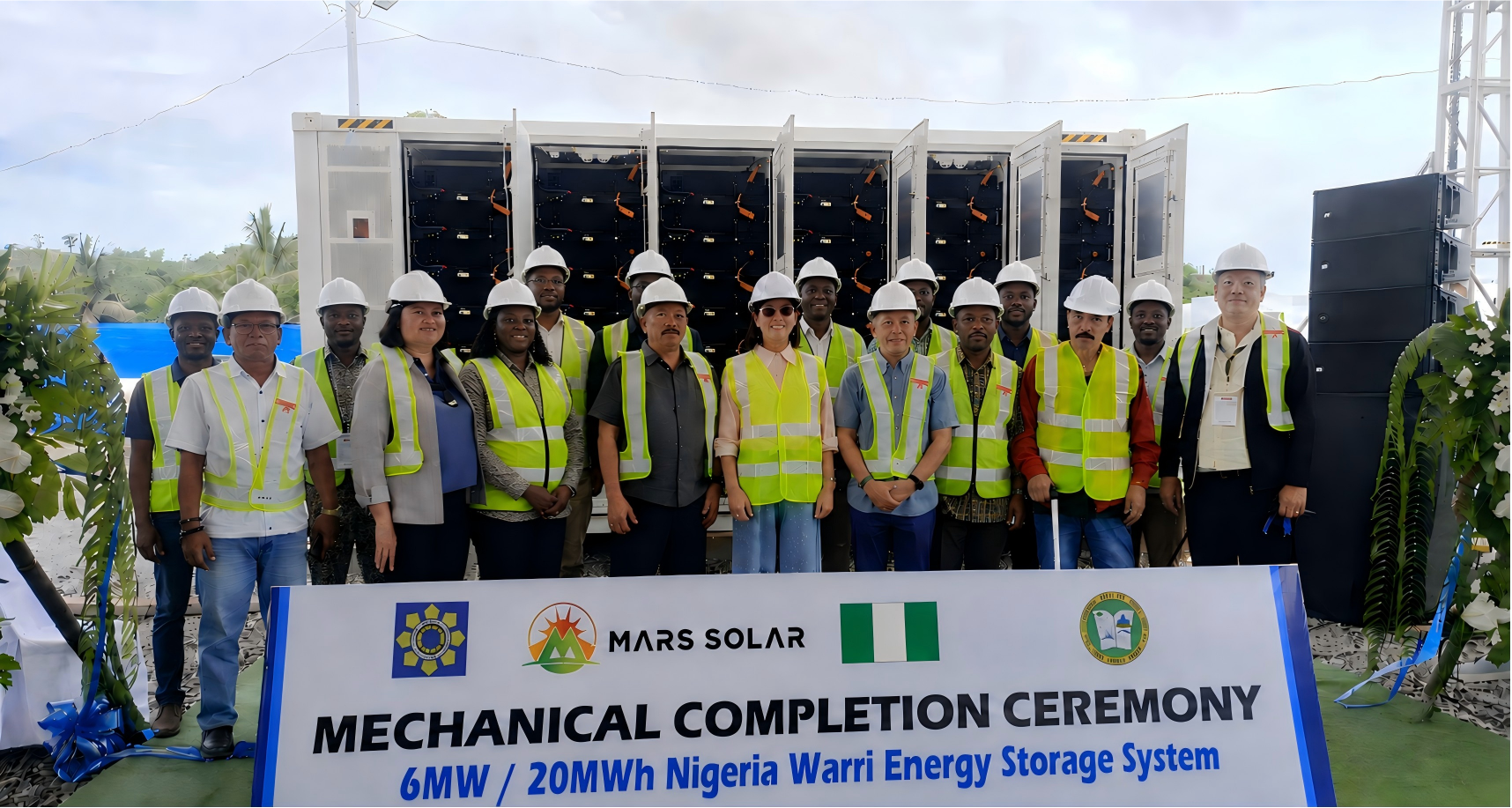 6MW 20MWh Solar Storage in Nigeria Factory + Farm + Residential Case StudyA 6MW solar PV + 20MWh LFP battery storage system in Nigeria powers an integrated factory, farm, and residential complex. The system delivers $108,000+ in monthly electricity savings, reaches payback in approximately 24 months, and provides 25 years of renewable power. This case study covers the engineering configuration, financial model, and operational performance of one of West Africa's most ambitious factory + farm + residential solar deployments.
Do you like ?0
Read more -
Germany's installed capacity demand will reach 11GW and 70GW in 2023As one of the leading countries in the European photovoltaic market, Germany's new installed capacity will reach 11GW in 2023. Looking back at the installed capacity data from January to October 2022, the new installed capacity in German
Do you like ?0
Read more