Quick answer: A 10KW solar system of this configuration produces about 62KWH per day from 28x360W monocrystalline panels and driven by a 10KW/14.3KVA inverter. Built by Mars Solar (factory since 2008), CE/ROHS certified, 25-year panel life, shipped factory-direct to 130+ countries.
The full name of MPPT solar charge controller is "Maximum Power Point Tracking" solar charge controller.MPPT mean the controller can detect the power generation voltage of the solar panel in real time, and track the highest voltage and current value (VI) , so that the off grid solar system charges the battery with the highest efficiency.
The PWM solar charge controller uses the digital output of the microprocessor to control the analog circuit.PWM solar charge controller efficiency drops are especially noticeable in poor lighting conditions.
The main difference between the MPPT solar charge controller and the PWM solar charge controller is the charging efficiency. The MPPT solar charge controller can maximize the energy from the solar panel and charge it into the battery.

We can also do an experiment below. In the experiment, we use the same set of 15000W solar panels, which are respectively connected to the PWM solar charge controller and the MPPT solar charge controller. Among them, the PWM solar charge controller obtained 11.78KWH, and the MPPT solar charge controller obtained 15.14KWH.
-
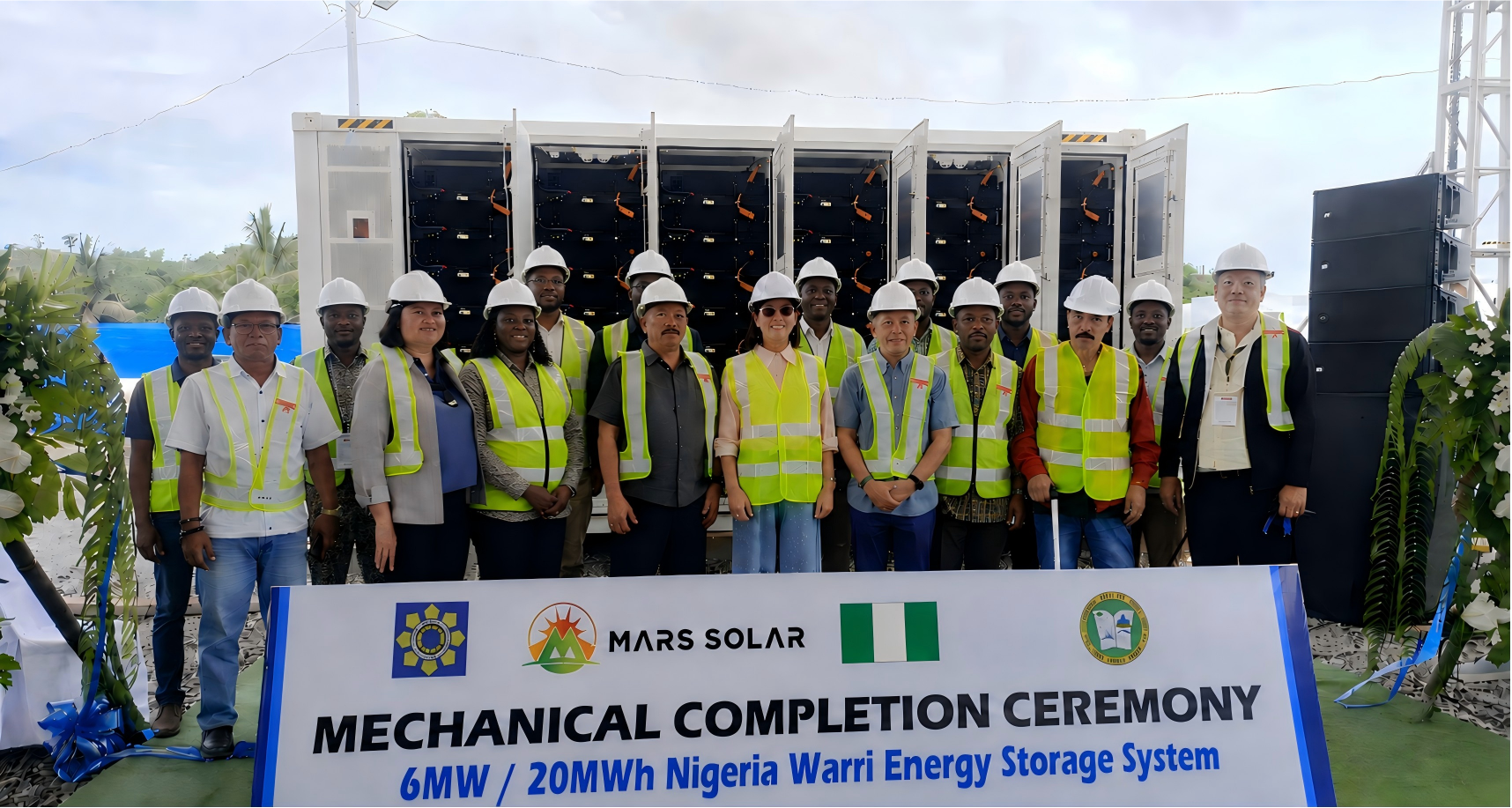 6MW 20MWh Solar Storage in Nigeria Factory + Farm + Residential Case StudyA 6MW solar PV + 20MWh LFP battery storage system in Nigeria powers an integrated factory, farm, and residential complex. The system delivers $108,000+ in monthly electricity savings, reaches payback in approximately 24 months, and provides 25 years of renewable power. This case study covers the engineering configuration, financial model, and operational performance of one of West Africa's most ambitious factory + farm + residential solar deployments.
Do you like ?0
Read more -
Germany's installed capacity demand will reach 11GW and 70GW in 2023As one of the leading countries in the European photovoltaic market, Germany's new installed capacity will reach 11GW in 2023. Looking back at the installed capacity data from January to October 2022, the new installed capacity in German
Do you like ?0
Read more