The difference and advantages of high frequency and low frequency inverter
Based on the output wave,inverters are roughly divided into pure sine wave inverter and modified wave inverter,mainly use pure sine wave inverter now. Pure sine wave inverter are divided into high frequency inverter and low frequency inverter.
 |
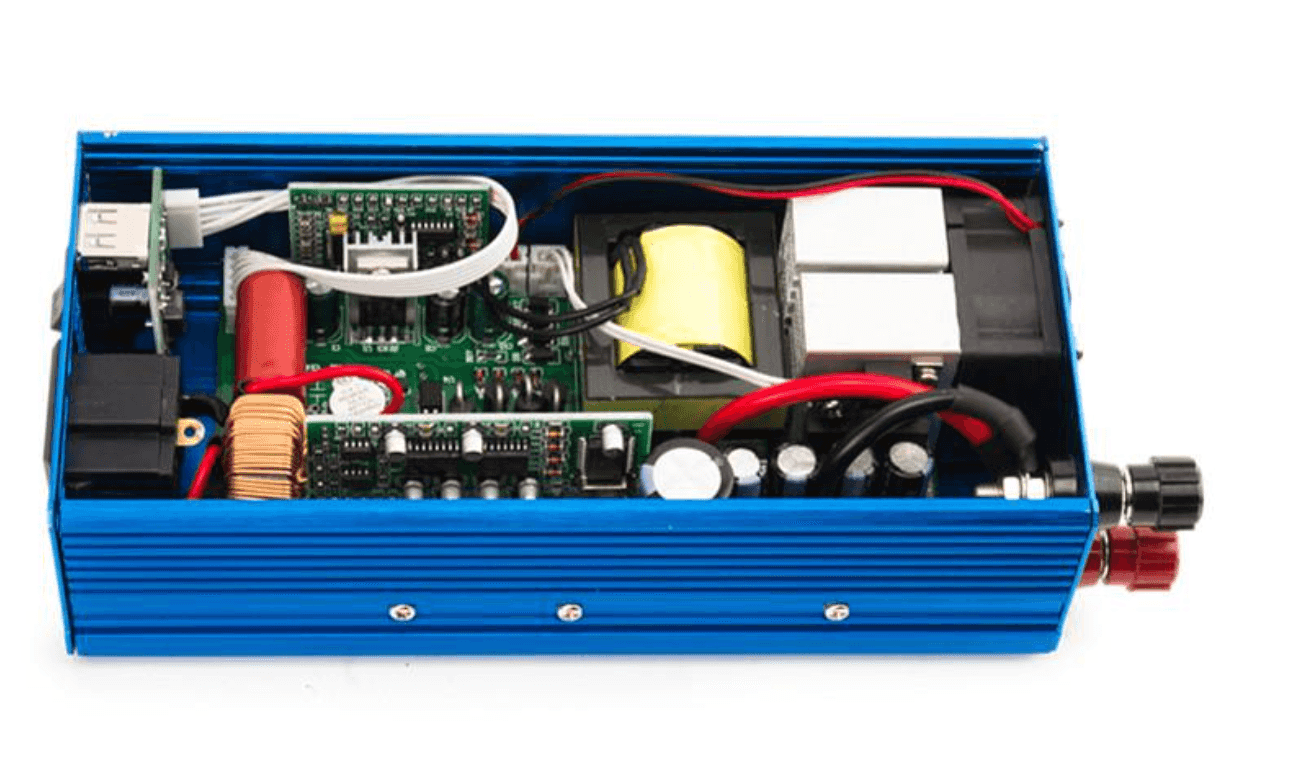 |
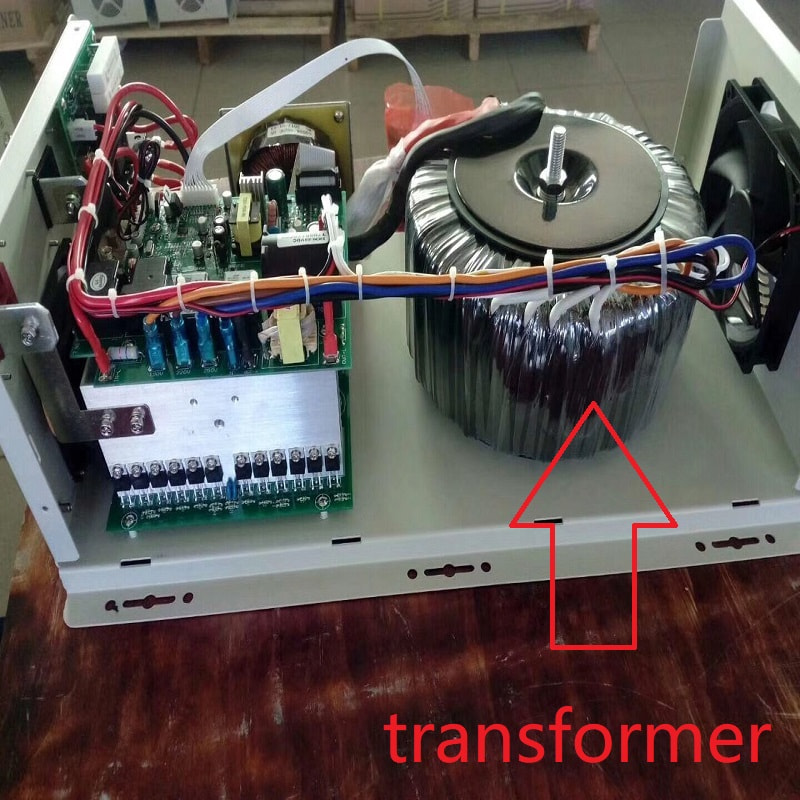
| Low frequency inverter(have isolation transformer) | High frequency inverter(No isolation transformer) |
So what are the main differences between high-frequency inverters and industrial frequency inverters?
1. Low frequency inverter is superior to high-frequency inverter in terms of peak power capacity and reliability
The inductive loads used in the family, such as electric tools, pumps, vacuum cleaners and other equipment with motors, may have power peaks; When inverters experience such peaks, they can bear the increased power for a short time before shutdown to prevent any damage to them.
Compared with high-frequency inverters, low-frequency inverters have larger peak power capacity to handle large loads with power spikes. In fact, the low-frequency inverter can operate for a few seconds at a peak power level up to 200% of its nominal power level, while the high-frequency inverter can operate for a small part of time at a power level of 150%.
The second main difference is reliability: the low frequency inverter uses a powerful transformer to operate, which is more reliable and robust than the MOSFET of the high frequency inverter. The latter uses electronic switches, which is more vulnerable to damage, especially at high power level.
2. Low frequency inverter can withstand grid input conditions, such as voltage fluctuation, high voltage spike and lightning. However, the high-frequency inverter cannot maintain this state.
In some areas where the power is very unstable, the voltage fluctuation is usually large. In this case, if the mains power is connected separately, the performance of the low frequency inverter will be more stable, resulting in lower failure rate and longer service life.
3. Comparison of components (see inside the machine)
The high frequency inverter uses an integrated circuit board to control the operation of the machine
Low frequency inverter adopts integrated circuit board+transformer
Therefore, the high-frequency inverter looks more lightweight, while the low-frequency inverter looks more bulky.
Mars low frequency inverter adopts brand new components, with 100% full power guarantee. The main components MOSFET adopt the American OM brand, which controls the quality of the inverter from the perspective of raw materials and gives customers the most considerate support.
4. Low maintenance cost and higher serviceability of Low frequency inverter
In high-frequency inverters, many electronic components with complex design circuits must be replaced with complete electronic component PCB when the inverter fails, and the cost is about 80% of the new inverter.
However, the design of transformer-based (low-frequency inverter) inverter is very simple and easy to maintain. Any technician can carry out maintenance at the component level. If the electronic PCB needs to be replaced with a new PCB in any opposite case, the cost will not exceed 30-40% of the new inverter.
More importantly, when your purchase volume reaches a certain value, our factory will provide a certain proportion of spare parts support. Reduce your operation and maintenance costs to a greater extent.
5. Huge advantages of high-frequency inverter
Light weight, small size, small standby power and slightly higher efficiency.
6. Common points and use suggestions of the two inverters
Common place
* Both are applicable to places lacking power
* Suitable for all kinds of batteries (lithium battery, gel battery)
* Wifi module for remote monitoring
Use suggestions
* Low frequency inverter using powerful electrical appliances and equipment
* Only small appliances need power supply, or your inverter space is limited: high-frequency inverter
High frequeny inverter and low frequency inverter has its own advantages and disadvantages. If you have better suggestions and opinions, please contact our team. We will make every effort to realize your vision.
-
 6MW 20MWh Solar Storage in Nigeria Factory + Farm + Residential Case StudyA 6MW solar PV + 20MWh LFP battery storage system in Nigeria powers an integrated factory, farm, and residential complex. The system delivers $108,000+ in monthly electricity savings, reaches payback in approximately 24 months, and provides 25 years of renewable power. This case study covers the engineering configuration, financial model, and operational performance of one of West Africa's most ambitious factory + farm + residential solar deployments.
Do you like ?0
Read more -
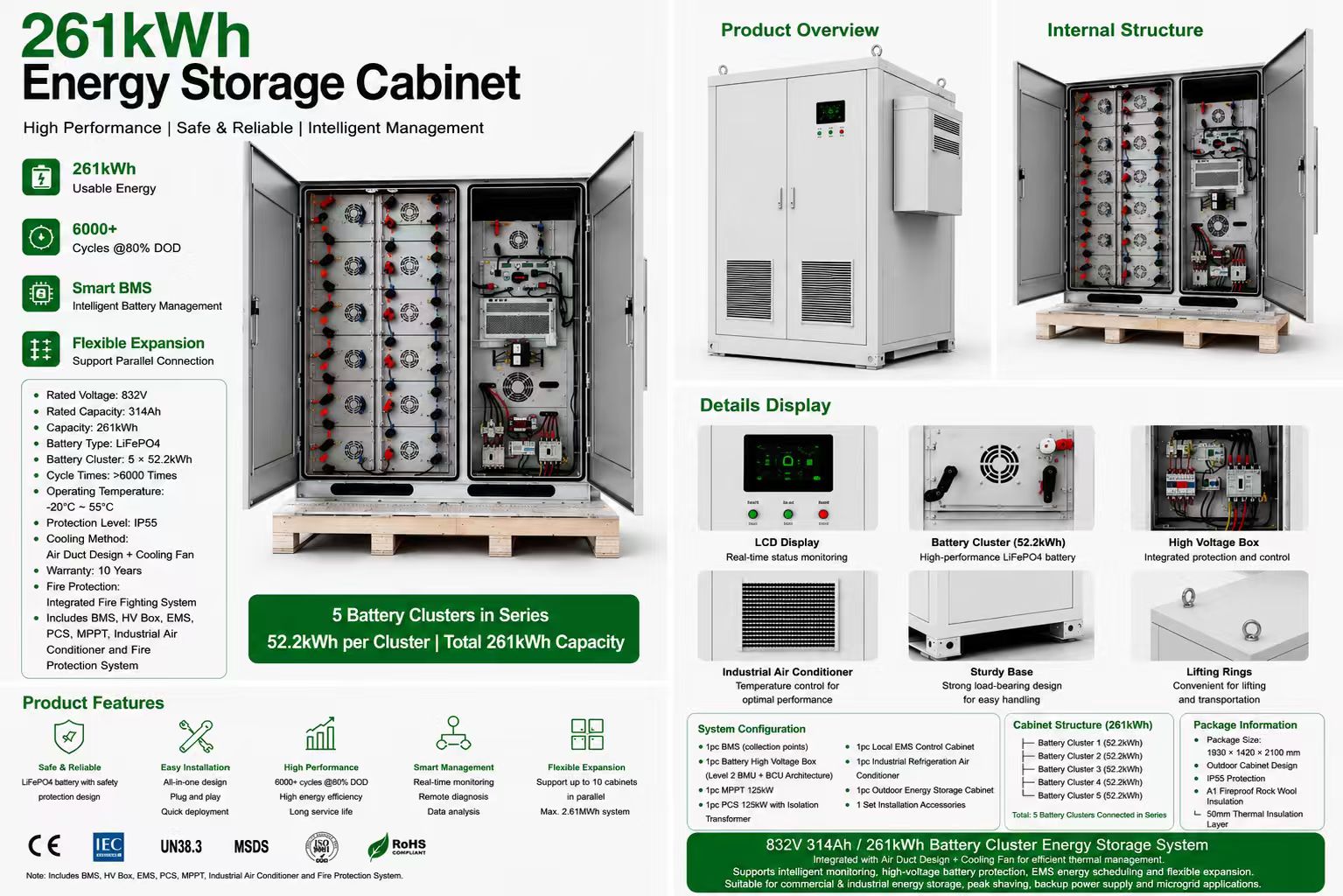 BESS in Nigeria 2026: Battery Energy Storage Cost, Diesel Payback & Import GuideBESS in Nigeria: 2026 pricing, diesel payback, SONCAP, China import guide. Save 60%+ vs diesel. Factory-direct LFP from Mars Solar.
Do you like ?0
Read more -
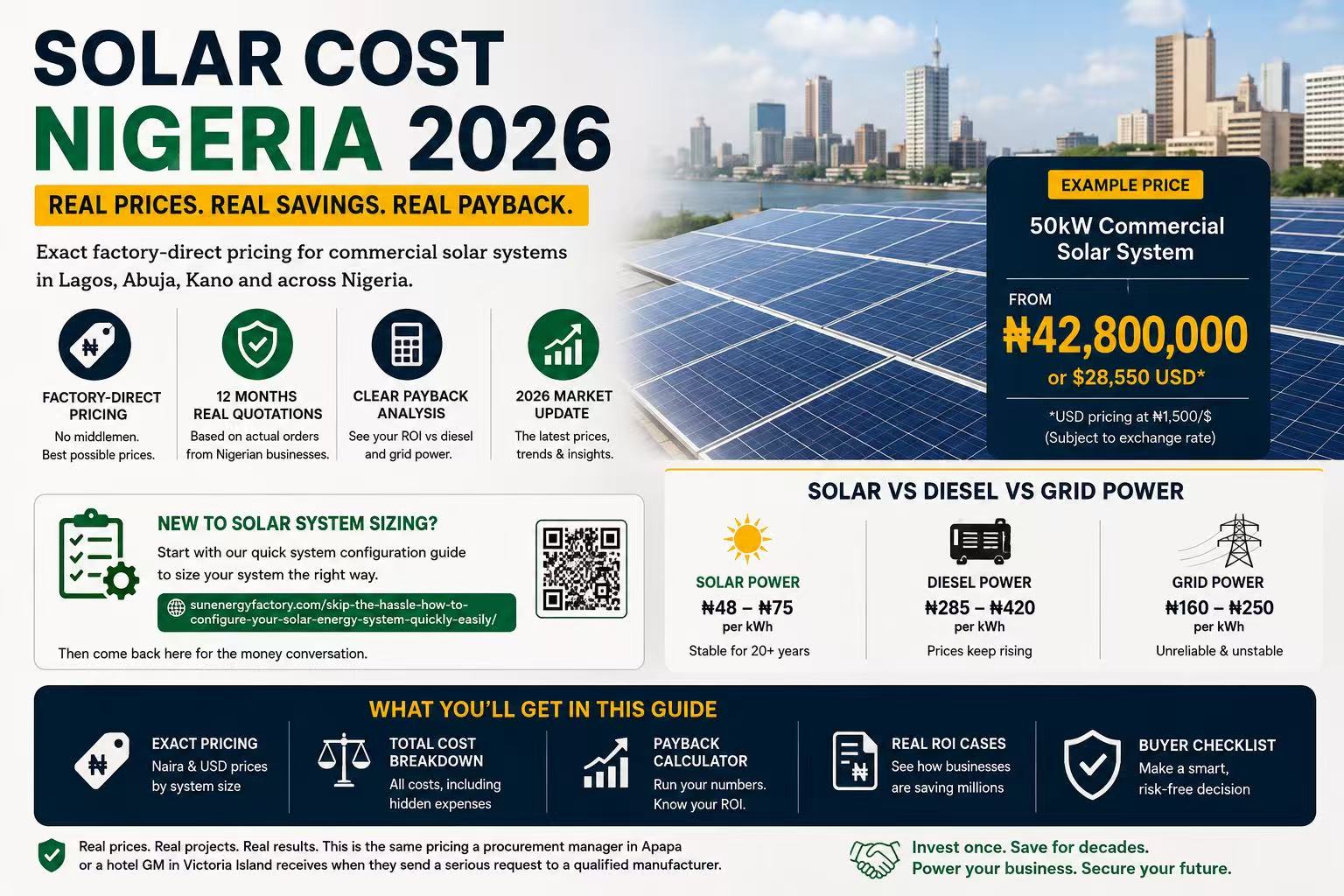 How Much Does Solar Cost in Nigeria? 2026 Real Pricing GuideSolar cost in Nigeria for 5kW to 250kW systems, in Naira and USD. Compare solar vs diesel vs grid, calculate payback, and explore financing options.
Do you like ?0
Read more -
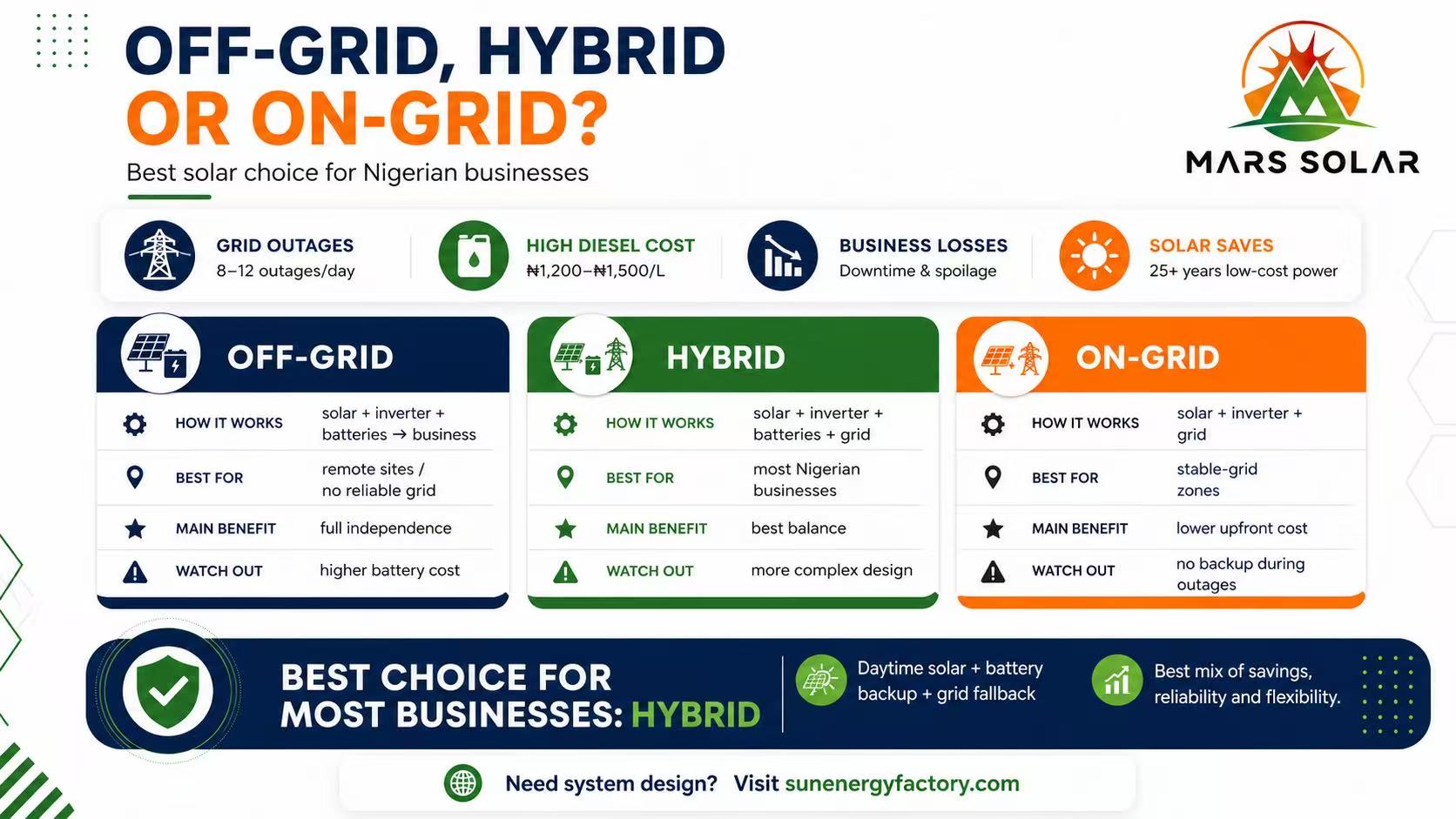 Solar Power Nigeria 2026: Off-Grid vs Hybrid vs On-GridNigeria’s unreliable grid and soaring diesel costs are forcing business owners to take solar seriously. But the biggest question remains: which system — off-grid, hybrid, or on-grid? This 2026 guide breaks down all three solar architectures for Nigeria
Do you like ?0
Read more -
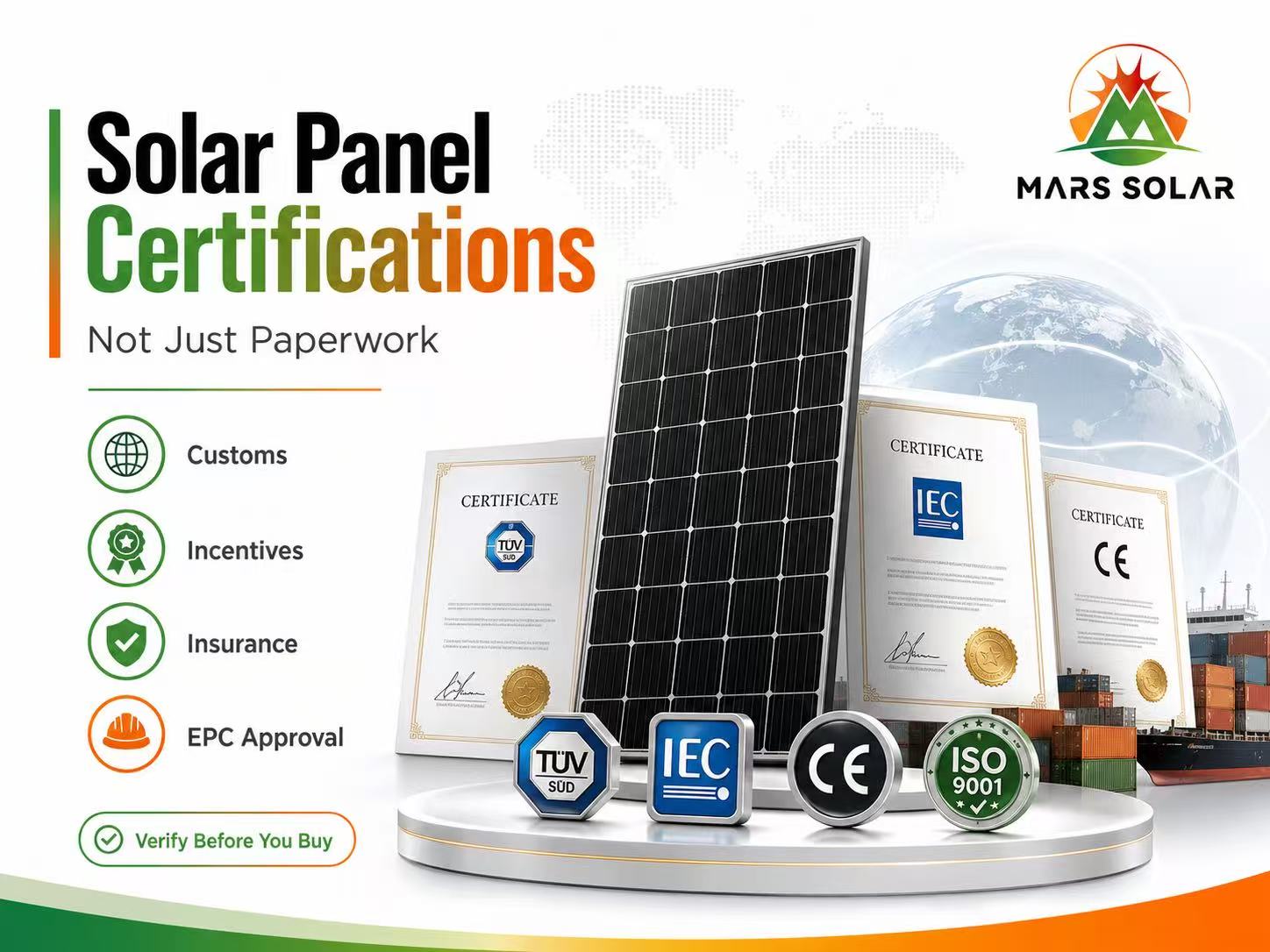 Solar Panel Certifications Explained: IEC, UL, TÜV, CE, ISO — The 2026 GuideA solar panel without proper certifications is unsellable in 90% of international markets. This 2026 guide explains every major certification — IEC 61215, IEC 61730, UL 61730, TÜV, CE, ISO 9001/14001/45001 — what it tests, who issues it, which markets req
Do you like ?0
Read more -
 Solar Panel Shipping & Container Loading: The 2026 Complete GuideThe solar panels leaving the factory are perfect. By the time they arrive at your warehouse, 3–7% might be damaged, delivery could be 2 weeks late, and demurrage at the destination port could wipe out your margin. This 2026 guide covers container types (2
Do you like ?0
Read more